Why Khon Kaen’s Industrial Wastewater Treatment Needs Are Unique
Khon Kaen’s industrial sector is characterized by a high concentration of electronics recycling, food processing, and automotive manufacturing, each generating wastewater profiles that require specialized treatment beyond standard municipal systems. Industrial facilities in the region often face high-load effluent with biological oxygen demand (BOD) levels ranging from 500 to 2,000 mg/L and total suspended solids (TSS) that exceed standard discharge limits by 400% or more. For instance, electronics recycling plants in the area frequently deal with heavy metal contaminants such as lead and cadmium, necessitating advanced chemical precipitation and filtration technologies.
Thailand’s Pollution Control Department (PCD) enforces strict effluent standards that are non-negotiable for facilities in the Khon Kaen municipality. Under the 2024 PCD guidelines, industrial discharge must maintain BOD levels below 20 mg/L, TSS below 30 mg/L, and chemical oxygen demand (COD) under 120 mg/L. Non-compliance is costly, with potential fines reaching up to 1M THB per violation and the risk of mandatory facility shutdowns. A recent case study of a Khon Kaen electronics recycling plant demonstrated that implementing a high-efficiency DAF system for Khon Kaen’s high-TSS industrial wastewater combined with chemical precipitation successfully reduced lead levels from 5 mg/L to less than 0.1 mg/L, ensuring full regulatory compliance.
Khon Kaen’s tropical climate and seasonal monsoons introduce significant hydraulic variability. During the rainy season, increased influent volume can dilute contaminants but also overwhelm undersized systems, leading to bypass events or washout of biological cultures. Suppliers in this region must design equipment with the hydraulic flexibility to handle these spikes. This engineering requirement is a core component of any engineering guide for Southeast Asia’s industrial wastewater compliance, where environmental factors are as critical as technical specifications.
Key Criteria for Selecting a Sewage Treatment Equipment Supplier in Khon Kaen
Selecting a sewage treatment equipment supplier in Khon Kaen requires a rigorous evaluation of technical capability and local support infrastructure, as only 30% of regional vendors offer full turnkey solutions. A turnkey provider manages the entire lifecycle of the project, including initial wastewater characterization, system design, equipment fabrication, installation, and PCD compliance testing. For facility managers, this end-to-end service is vital to avoid the "responsibility gap" that occurs when equipment manufacturers blame installation contractors for performance failures.
Local service presence is a critical differentiator. While many high-end suppliers are based in Bangkok, a supplier with Khon Kaen-based technicians or established local partnerships can reduce emergency response times from 48 hours to under 24 hours. This uptime is essential for automotive and food processing plants where production cannot pause for wastewater system repairs. Additionally, the ability to customize equipment for specific waste streams—such as adding rotary screens for food processing solids or specialized engineering deep dive into MBR membrane technology for high-BOD recycling wastewater—is a hallmark of a qualified industrial supplier.
| Selection Criterion | Minimum Requirement | Why It Matters in Khon Kaen |
|---|---|---|
| Compliance Guarantee | Written PCD Standard Guarantee | Avoids 1M THB fines and legal liability. |
| Local Technicians | <24-hour response time | Minimizes production downtime during system faults. |
| Technology Range | DAF, MBR, and WSZ series | Allows matching equipment to specific contaminant profiles. |
| Warranty Terms | 1–3 years on core components | Protects CapEx investment against premature failure. |
| Training Programs | Operator certification included | Ensures the system is run at peak efficiency by local staff. |
Beyond hardware, checking for a supplier's experience with Khon Kaen municipality permits is essential. Discharge requirements can vary depending on whether the treated water enters public sewers or surface water bodies. A supplier who understands these nuances can streamline the permitting process and ensure that the compact underground sewage treatment system for Khon Kaen’s space-constrained facilities is designed to meet the most stringent local thresholds.
Top 5 Sewage Treatment Equipment Suppliers in Khon Kaen: 2025 Comparison
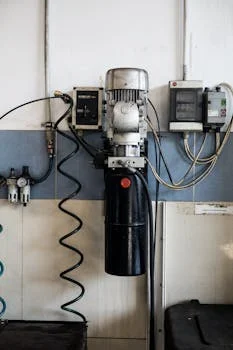
The following table compares the leading sewage treatment equipment suppliers serving the Khon Kaen industrial corridor. This matrix is designed to help procurement officers filter vendors based on capacity, technology focus, and local service availability.
| Supplier Name | Capacity Range (m³/day) | Key Technologies | Local Service | Compliance Guarantee | Estimated Cost ($/m³) |
|---|---|---|---|---|---|
| San Lan Technologies | 500–5,000 | DAF, MBR, Wet Process | Bangkok HQ | Yes | $0.25–$0.50 |
| Inter Water Treatment | 50–2,000 | Filtration, Basic Effluent | Khon Kaen HQ | Partial | $0.15–$0.35 |
| Bangkok Eco Solutions | 100–3,000 | Modular Systems | Bangkok | No | $0.20–$0.40 |
| Chonburi Water Systems | 200–2,500 | Electronics Focus | Chonburi | Yes | $0.30–$0.55 |
| HydropureWater | 240–1,920 | MBR, DAF, WSZ Series | Thai Partner Network | Yes | $0.20–$0.45 |
HydropureWater provides a distinct advantage for Khon Kaen facilities through its 20+ years of MBR experience and a 99% compliance rate across its Southeast Asian installations. By utilizing local partnerships, including technical collaborations with regional institutions like Khon Kaen University, they bridge the gap between high-end manufacturing and local operational support. Their MBR membrane bioreactor for Khon Kaen’s electronics recycling and reuse applications is particularly effective for facilities with limited space that require high-quality effluent for water reuse programs.
To verify supplier claims, facility managers should request specific case studies from the Khon Kaen region, conduct site visits to existing installations, and demand third-party compliance test reports from accredited Thai laboratories. This due diligence ensures the equipment performs under local conditions rather than just in a controlled factory setting.
2025 Cost Breakdown: Sewage Treatment Equipment in Khon Kaen
Industrial sewage treatment costs in Khon Kaen are divided into capital expenditure (CapEx) for the equipment and civil works, and operational expenditure (OpEx) for power, chemicals, and maintenance. For a typical 500 m³/day facility, CapEx generally ranges from $120,000 for a high-efficiency DAF system for Khon Kaen’s high-TSS industrial wastewater to $450,000 for an advanced MBR plant. Installation and civil works typically add another 20% to 30% to the equipment cost, depending on site conditions and existing infrastructure.
Operational costs vary significantly by technology. DAF systems are more cost-effective for high-TSS and FOG (fats, oils, grease) removal, with OpEx ranging from $0.15 to $0.45 per cubic meter. MBR systems, while providing superior water quality suitable for reuse, have higher OpEx ($0.25–$0.60/m³) due to energy-intensive aeration and periodic membrane replacement. However, these costs are often offset by the ability to reuse treated water for cooling towers or irrigation, reducing freshwater intake costs by up to 50%.
| System Component | Estimated CapEx (USD) | OpEx ($/m³) | Payback Period |
|---|---|---|---|
| 100 m³/day MBR System | $80,000 - $110,000 | $0.30 - $0.60 | 3.5 Years |
| 500 m³/day DAF System | $120,000 - $180,000 | $0.15 - $0.45 | 2.8 Years |
| WSZ Integrated (Small) | $50,000 - $75,000 | $0.20 - $0.40 | 4.0 Years |
The return on investment (ROI) for these systems is driven by three factors: avoided regulatory fines (up to 1M THB/year), reduced freshwater costs through water reuse, and lower sludge disposal fees. For example, a 300 m³/day food processing plant in Khon Kaen can achieve a 3-year payback period by integrating a modular MBR system that allows for 50% water recycling. Many facilities can leverage Thailand Board of Investment (BOI) tax breaks for environmental projects, which can significantly improve the financial viability of upgrading to high-efficiency equipment.
Step-by-Step Supplier Selection Process for Khon Kaen Facilities
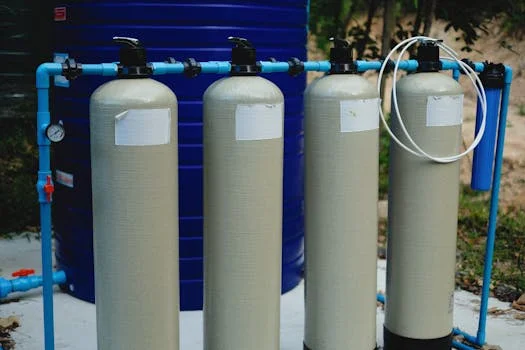
Facility managers should follow a structured selection framework to avoid common pitfalls such as underestimating hydraulic loads or choosing equipment that cannot meet local compliance. This process ensures that technical requirements are balanced with budget constraints and long-term operational feasibility.
- Step 1: Define the Wastewater Profile. Conduct a 7-day composite sampling of your effluent. Identify peak flow rates and contaminant concentrations (BOD, TSS, heavy metals). For a Khon Kaen electronics recycling plant, this might reveal a profile of 200 m³/day with lead at 5 mg/L and TSS at 800 mg/L.
- Step 2: Shortlist Turnkey Suppliers. Filter vendors based on their ability to provide end-to-end solutions and their experience with detailed DAF clarifier specifications and selection criteria. Prioritize those with a local service network in Northeast Thailand.
- Step 3: Evaluate Technical Proposals. Compare equipment specifications, energy consumption data, and compliance guarantees. Ensure the proposal accounts for Khon Kaen’s seasonal monsoon variations, which can cause sudden influent spikes.
- Step 4: Conduct On-Site Inspections. Visit existing installations of the proposed equipment at similar industrial facilities in Khon Kaen or nearby provinces like Udon Thani. Speak with their operators about maintenance requirements and reliability.
- Step 5: Finalize Contracts with Performance Penalties. Include clauses that hold the supplier liable for PCD fines if the equipment fails to meet effluent standards despite being operated correctly. Also, secure