In Goa, a 30 KLD wastewater treatment plant costs ₹10–12 lakhs for MBBR technology and ₹8–10 lakhs for SBR, excluding land and permits (2025 data). Industrial systems start at ₹1.8 lakhs for compact units, while municipal-scale plants (1000+ KLD) range from ₹1.5–80 lakhs depending on technology, automation, and compliance with Goa State Pollution Control Board (GSPCB) standards. Hidden costs—like sludge disposal (₹5–10K/ton) and annual O&M (10–15% of capital cost)—can add 30–50% to total project expenses.
Why Wastewater Treatment Costs in Goa Are Rising in 2025
Wastewater treatment costs in Goa are escalating in 2025 due to a confluence of stricter regulatory demands, burgeoning tourism, industrial expansion, and increasing land values. The Goa State Pollution Control Board (GSPCB) has tightened effluent standards for 2025, now mandating discharge limits of BOD less than 30 mg/L, COD less than 250 mg/L, and TSS less than 100 mg/L, which are more stringent in certain parameters than previous 2020 limits. This necessitates advanced treatment technologies, directly increasing both capital expenditure and operational costs for new and existing facilities.
Goa's booming tourism sector, which saw 8.5 million visitors in 2024 (Goa Tourism Dept), is a primary driver for increased demand for hotel STPs. This growth has also led to a 20% year-over-year increase in compliance violations, forcing hotels and resorts to upgrade their systems or face significant penalties. For instance, a 50 KLD hotel STP now often requires tertiary treatment stages, such as sand filtration or activated carbon, to consistently meet the elevated GSPCB limits for parameters like phosphorus and ammonia, adding approximately 10-15% to its overall cost.
Simultaneously, industrial expansion contributes to rising costs. The Verna Industrial Estate alone saw the establishment of 12 new pharmaceutical and food processing units between 2023 and 2024, each requiring specialized pretreatment systems to handle complex industrial wastewater. These systems often involve Dissolved Air Flotation (DAF) for oil and grease removal or advanced oxidation processes, pushing up initial investment. the scarcity of land in Goa significantly inflates project budgets; land acquisition costs in industrial zones now stand at ₹1.2–1.5 crore per acre (Goa Industrial Development Corporation data), making compact designs and underground sewage treatment plants for space-constrained sites in Goa increasingly attractive, albeit sometimes more expensive per KLD.
Wastewater Treatment Plant Cost in Goa: Capacity-Based Pricing for 2025
The capital cost for a wastewater treatment plant in Goa varies significantly based on capacity and chosen technology, with granular pricing tiers available for accurate budgeting in 2025. HydropureWater's analysis of industry benchmarks and project data indicates specific ranges for common technologies like Moving Bed Biofilm Reactor (MBBR), Sequential Batch Reactor (SBR), and Membrane Bioreactor (MBR) across different capacities.
| Capacity (KLD) | MBBR Cost (₹) | SBR Cost (₹) | MBR Cost (₹) | Footprint (m²) |
|---|---|---|---|---|
| 10 | 3.5–4.5L | 3–4L | 5–6L | 15–20 |
| 30 | 10–12L | 8–10L | 14–16L | 40–50 |
| 50 | 18–22L | 15–18L | 25–30L | 60–70 |
| 100 | 35–40L | 30–35L | 50–60L | 100–120 |
| 500 | 1.2–1.5Cr | 1–1.3Cr | 1.8–2.2Cr | 300–400 |
| 1000 | 2.5–3Cr | 2–2.5Cr | 3.5–4.5Cr | 500–600 |
These prices for a wastewater treatment plant cost in Goa India are influenced by several key drivers. Material choices, such as FRP (Fiber Reinforced Plastic) versus stainless steel, significantly impact durability and cost, with stainless steel adding 15-20% to the overall expense for corrosive industrial effluents. The level of automation, ranging from manual systems to fully PLC-controlled operations, also affects the price; advanced automation can increase costs by 10-25% but reduces labor-intensive operations. For MBR systems, the cost of membranes themselves is a major factor, often accounting for 30-40% of the equipment cost, making MBR systems for high-quality effluent and water reuse in Goa generally more expensive than conventional MBBR or SBR.
It is important to note that the prices listed above primarily cover the core treatment equipment. They exclude significant additional costs such as land acquisition, regulatory permits, and extensive civil works. For a complete turnkey project, these additional elements can add 20–40% to the total project cost. For example, a 50 KLD hotel STP in Calangute with MBBR technology might cost ₹22 lakhs for the plant itself, but then require an additional ₹5 lakhs for civil works (e.g., concrete tanks, pump sumps) and ₹3 lakhs for GSPCB approvals and associated environmental studies, bringing the total project cost to around ₹30 lakhs.
Technology Comparison: MBBR vs SBR vs MBR for Goa’s Wastewater Challenges
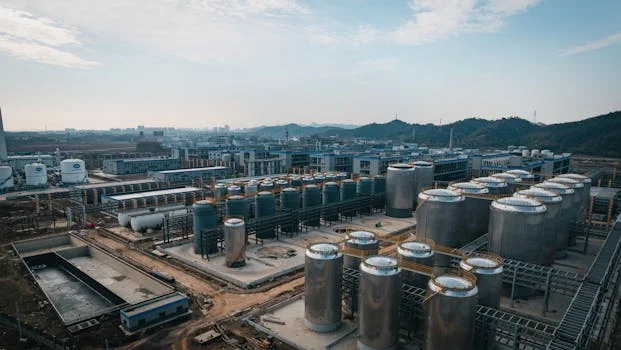
Selecting the optimal wastewater treatment technology in Goa hinges on balancing performance, footprint, energy consumption, and suitability for local conditions and stringent GSPCB standards. Each technology—MBBR, SBR, and MBR—offers distinct advantages and trade-offs, making the choice project-specific.
| Parameter | MBBR | SBR | MBR |
|---|---|---|---|
| COD Removal (%) | 85–92 | 88–95 | 95–99 |
| TSS Removal (%) | 80–90 | 85–92 | 99+ |
| Footprint (m²/100 KLD) | 100–120 | 80–100 | 50–70 |
| Energy (kWh/m³) | 0.4–0.6 | 0.5–0.7 | 0.8–1.2 |
| Sludge Production (kg/m³) | 0.3–0.4 | 0.2–0.3 | 0.1–0.2 |
| O&M Cost (₹/KLD/year) | 1,500–2,000 | 1,200–1,800 | 2,500–3,500 |
| Suitability for Goa | Hotels, small industries | Municipal, large industries | Space-constrained sites |
For Goa-specific applications, each technology presents unique advantages. MBBR systems are highly suitable for hotels and small industries due to their ability to handle variable organic loads, which is common with seasonal tourism fluctuations. They offer a compact design compared to conventional activated sludge, making them a balanced choice for many sites. SBR technology, with its batch operation, is often preferred for municipal wastewater treatment plants and larger industrial facilities, providing excellent performance with minimal operational complexity and lower sludge production compared to MBBR.
MBR systems, including MBR systems for high-quality effluent and water reuse in Goa, stand out for their superior effluent quality, achieving nearly complete removal of suspended solids and high COD/BOD reduction. This makes them ideal for space-constrained sites, such as high-end resorts or urban developments, where land is scarce and water reuse is a priority. While MBR has a higher capital and energy cost, its ability to produce water suitable for non-potable reuse can lead to significant long-term savings in water purchasing. For example, a 30 KLD MBBR system implemented in a Margao hotel successfully reduced BOD from 300 mg/L to 25 mg/L, consistently meeting GSPCB limits at approximately 30% lower capital cost than an equivalent MBR system, proving its cost-effectiveness for specific scenarios.
Hidden Costs of Wastewater Treatment Plants in Goa (And How to Budget for Them)
Beyond the initial capital expenditure, several hidden costs frequently inflate the total project budget for wastewater treatment plants in Goa, demanding careful pre-planning and allocation. Ignoring these can lead to significant budget overruns and project delays.
- Land Acquisition: In Goa, land is a premium. Industrial zones report acquisition costs of ₹1.2–1.5 crore per acre (Goa Industrial Development Corporation 2024 rates). Even for compact systems, the land footprint adds a substantial cost, especially for larger plants or those requiring buffer zones.
- GSPCB Approvals and Environmental Clearances: Navigating regulatory pathways incurs direct costs. Permits can range from ₹50K–2L, while comprehensive Environmental Impact Assessments (EIA) for plants over 100 KLD can add ₹2–5L. This process also demands time, typically 3–6 months for smaller plants and 6–12 months for larger or industrial projects, delaying commissioning.
- Civil Works: The construction of tanks, sumps, and foundations is a major expense. In Goa, civil works can cost ₹2–4K/m², with underground tanks being particularly expensive due to the region’s high water table, which often necessitates additional waterproofing and structural reinforcement, increasing civil costs by 15–20%.
- Sludge Disposal: Wastewater treatment generates sludge, which must be managed and disposed of safely. For hazardous sludge (common in pharmaceutical or certain food processing industries), GSPCB 2025 rates are ₹5–10K/ton. Non-hazardous sludge disposal costs ₹2–5K/ton. These are recurring operational costs that can become substantial for large plants. Considering sludge dewatering solutions to reduce disposal costs in Goa is crucial.
- Annual Operation & Maintenance (O&M): O&M typically accounts for 10–15% of the capital cost annually. For a ₹20 lakh STP, this translates to ₹2 lakh/year, covering chemicals (e.g., for advanced chemical dosing systems), power, labor, and spare parts. MBR systems, while efficient, have higher O&M due to membrane replacement, costing ₹500–800/m² every 5–7 years.
- Power Backup: Goa experiences frequent power cuts, making a reliable power backup essential for continuous operation, especially for industrial and critical municipal systems. Generators can cost ₹3–5 lakhs, and fuel expenses add to ongoing O&M.
A real-world example illustrates this: a 50 KLD industrial STP in Verna was initially budgeted at ₹18 lakhs for equipment. However, the total project expense escalated to ₹25 lakhs due to unforeseen civil works complexities (driven by the high water table) and GSPCB-mandated tertiary treatment requirements (e.g., for phosphorus removal) that were not fully accounted for in the preliminary budget.
Goa-Specific Compliance: How GSPCB Standards Impact Your Project Costs
The Goa State Pollution Control Board (GSPCB) enforces specific effluent discharge standards that, while largely aligned with national CPCB limits, introduce critical nuances impacting wastewater treatment plant design and budgeting in 2025. Adherence to these regulations is paramount to avoid severe penalties and ensure sustainable operation.
| Parameter | GSPCB Limit (mg/L) | CPCB Limit (mg/L) |
|---|---|---|
| BOD | 30 | 30 |
| COD | 250 | 250 |
| TSS | 100 | 100 |
| Ammonia (NH₄-N) | 50 | 50 |
| Phosphorus | 5 | 10 |
| Oil & Grease | 10 | 10 |
A key difference in GSPCB effluent standards 2025 is the stricter mandate for phosphorus, with a limit of less than 5 mg/L, compared to the national CPCB limit of 10 mg/L. This stricter requirement for phosphorus, especially relevant for hotel and resort STPs due to the impact on coastal ecosystems, often necessitates additional treatment stages such as chemical dosing for precipitation (e.g., alum or ferric chloride), which can add 10–15% to the capital costs and increase chemical consumption in O&M. GSPCB also imposes stricter monitoring protocols for hotels and resorts, requiring more frequent sampling and advanced reporting.
The permit process itself is a significant factor. Obtaining Consent to Establish (CTE) and Consent to Operate (CTO) from the GSPCB can take 3–6 months for plants under 100 KLD, and 6–12 months for larger facilities, particularly industrial projects that may require public hearings and more extensive environmental impact assessments. Non-compliance with these regulations carries substantial financial repercussions. GSPCB penalties for effluent violations range from ₹10K–1L per day, depending on the severity and duration of the infraction. GSPCB 2024 enforcement data reveals a concerning trend, with 42 violations recorded in 2023, marking a 28% year-over-year increase. Ensuring proper disinfection, often with chlorine dioxide generators for effective disinfection, is also crucial for compliance.
ROI Calculator: Is a Wastewater Treatment Plant in Goa Financially Viable?
A detailed Return on Investment (ROI) analysis reveals that investing in a compliant wastewater treatment plant in Goa is financially viable, often demonstrating payback periods of 3 to 8 years through significant operational savings and avoided penalties. This makes a strong case for engineers and procurement teams to justify the investment to stakeholders.
| Scenario | Capacity (KLD) | Capital Cost (₹) | Annual O&M (₹) | Payback Period (Years) | Notes |
|---|---|---|---|---|---|
| Hotel (50 KLD) | 50 | 22L | 2.5L | 3–4 | Avoids ₹5L/year in GSPCB fines |
| Industrial Park (200 KLD) | 200 | 70L | 8L | 5–6 | Water reuse saves ₹12L/year |
| Municipal (500 KLD) | 500 | 1.5Cr | 18L | 7–8 | Govt. subsidy (30%) available |
The financial viability of a wastewater treatment plant in Goa is driven by several key variables:
- Water Reuse Savings: Treated effluent can be reused for non-potable applications such as gardening, flushing, and industrial cooling. With Goa’s industrial water tariffs ranging from ₹20–40/m³, significant savings can be realized. For instance, a 200 KLD industrial plant reusing 80% of its treated water could save up to ₹12 lakhs annually.
- Avoidance of Fines: As highlighted earlier, GSPCB penalties for non-compliance are substantial, ranging from ₹10K–1L/day. Consistent compliance can prevent annual fines that could easily exceed ₹5 lakhs for a medium-sized facility.
- Subsidies: The Goa Water Resources Department offers subsidies, typically 20–30% of the capital cost, for eligible municipal and certain industrial wastewater treatment projects, directly reducing the initial investment and shortening the payback period. This makes the Goa wastewater treatment plant subsidy a critical factor.
- Carbon Credits: For larger industrial projects, improved wastewater treatment efficiency leading to reduced greenhouse gas emissions (e.g., methane capture from anaerobic digestion) can generate carbon credits, valued at ₹1–2/kg COD removed, providing an additional revenue stream.
An interactive formula for calculating payback period is: Payback Period (years) = Capital Cost / (Annual Savings + Annual Subsidies - Annual O&M).
Consider a 100 KLD industrial STP in Verna. With a capital cost of ₹40 lakhs (MBBR), annual O&M of ₹4 lakhs, and water reuse savings of ₹15 lakhs per year (assuming 75% reuse at ₹20/m³) coupled with avoiding ₹3 lakhs in potential fines, the payback period is approximately 40L / (15L + 3L - 4L) = 40L / 14L = 2.86 years. This demonstrates the strong financial incentive for proactive investment in wastewater treatment.
Frequently Asked Questions
Understanding common inquiries regarding wastewater treatment plant costs, land requirements, GSPCB compliance, and financial viability is crucial for efficient project planning in Goa.
Q: What is the cost of a 100 KLD sewage treatment plant in Goa?
A: A 100 KLD STP in Goa costs ₹30–35 lakhs for SBR technology and ₹35–40 lakhs for MBBR, excluding land and permits. MBR systems start at ₹50 lakhs. For a turnkey project, add 20–30% for civil works and GSPCB approvals, based on 2025 data.
Q: How much land is required for a 50 KLD wastewater treatment plant in Goa?
A: A 50 KLD STP typically requires 60–70 m² for MBBR, 50–60 m² for SBR,
Related Equipment
- underground sewage treatment plants for space-constrained sites in Goa — view specifications, capacity range, and technical data
- DAF systems for industrial pretreatment in Goa’s food and pharma sectors — view specifications, capacity range, and technical data
Need a customized solution? Request a free quote with your specific flow rate and pollutant parameters.