Why Angola’s Sewage Treatment Market Is Booming in 2026
The Angolan wastewater treatment market is poised for significant expansion, with projections indicating a 6.2% Compound Annual Growth Rate (CAGR) through 2031, fueled by an impressive $12 billion pipeline of infrastructure projects slated for completion between 2023 and 2027. This growth is further accelerated by the increasingly stringent enforcement of environmental regulations, notably Decreto Presidencial 256/18. This decree mandates strict effluent discharge limits, including Biochemical Oxygen Demand (BOD) below 50 mg/L, Total Suspended Solids (TSS) below 30 mg/L, and heavy metal concentrations below 0.1 mg/L. Non-compliance carries substantial penalties, potentially reaching up to 5% of a company's annual revenue, creating a strong impetus for investment in advanced treatment solutions. For industrial operators, particularly in the mining sector, the economic benefits are tangible. As highlighted by a recent case study in Luanda, dewatering sludge systems can reduce disposal costs by 40% to 60%, with untreated sludge costing approximately 2,500 Angolan Kwanza per cubic meter (AOA/m³) compared to 1,000 AOA/m³ for dewatered sludge. specific industry regulations, such as Decreto 38/03 for the mining sector, impose critical requirements for the removal of contaminants like cyanide (below 0.1 mg/L) and arsenic (below 0.05 mg/L), making specialized equipment essential for oilfield and gold mining operations. Municipal projects, on the other hand, are increasingly prioritizing compact and efficient technologies like Membrane Bioreactor (MBR) or Dissolved Air Flotation (DAF) systems to achieve stringent effluent quality standards and optimize space utilization. This comprehensive guide will equip you with the 2026 engineering specifications, cost benchmarks ranging from $80,000 to $2.5 million in Capital Expenditure (CAPEX), and a robust zero-risk supplier selection framework, all meticulously tailored to Angola’s evolving regulatory and economic landscape.
| Key Market Drivers & Regulations | Details |
|---|---|
| Market Growth Projection | 6.2% CAGR through 2031 (6Wresearch) |
| Infrastructure Investment | $12 billion (2023–2027) |
| Decreto Presidencial 256/18 Effluent Limits | BOD <50 mg/L, TSS <30 mg/L, Heavy Metals <0.1 mg/L |
| Non-Compliance Penalty | Up to 5% of annual revenue |
| Sludge Disposal Cost Savings | 40–60% reduction (dewatered vs. untreated) |
| Decreto 38/03 (Mining) | Cyanide <0.1 mg/L, Arsenic <0.05 mg/L |
| CAPEX Benchmark | $80,000 – $2,500,000 |
Matching Sewage Treatment Equipment to Angola’s Key Industries
Selecting the right sewage treatment equipment in Angola demands a nuanced understanding of industry-specific challenges and regulatory requirements. For the Oil & Gas sector, produced water often contains high levels of hydrocarbons, necessitating technologies like Dissolved Air Flotation (DAF) systems, which can achieve over 95% removal of oil and grease. Refinery effluent, characterized by high Chemical Oxygen Demand (COD) ranging from 5,000 to 10,000 mg/L, is effectively managed by Membrane Bioreactor (MBR) systems. Compliance in this sector hinges on meeting Decreto 256/18 alongside industry-specific standards such as API RP 53 for oilfield operations. The Mining industry faces distinct challenges, primarily related to dewatering tailings sludge and removing toxic heavy metals. High-efficiency filter presses are crucial for dewatering sludge to 30–40% solids, drastically reducing transport and disposal volumes. Lamella clarifiers play a vital role in removing heavy metals like arsenic and mercury to meet the stringent <0.05 mg/L limits mandated by Decreto 38/03, alongside adherence to ISO 14001 environmental management standards. Food processing facilities, dealing with wastewater rich in fats, oils, and greases (FOG) and suspended solids, benefit greatly from DAF systems. anaerobic digesters can significantly reduce BOD by 80–90%, offering potential for biogas energy recovery, all while complying with Decreto 256/18 and WHO food safety guidelines. For Municipal projects, the need for compact, reliable, and high-quality effluent is paramount. MBR systems are increasingly favored for their ability to produce effluent with BOD levels below 10 mg/L, occupying up to 60% less space than conventional activated sludge plants. In densely populated urban areas with space constraints, underground wastewater treatment plants (WWTPs) offer a viable solution.
| Industry | Primary Wastewater Characteristics | Recommended Equipment | Key Compliance Standards |
|---|---|---|---|
| Oil & Gas | Hydrocarbons, high COD, produced water | DAF Systems, MBR Systems | Decreto 256/18, API RP 53 |
| Mining | Heavy metals (As, Hg, CN), high solids sludge | Filter Presses, Lamella Clarifiers | Decreto 38/03, ISO 14001 |
| Food Processing | FOG, high BOD, TSS | DAF Systems, Anaerobic Digesters | Decreto 256/18, WHO Food Safety |
| Municipal | Domestic sewage, variable COD/BOD, TSS | MBR Systems, Conventional Activated Sludge | Decreto 256/18 |
2026 Engineering Specs: DAF vs. MBR vs. Filter Press for Angola’s Climate
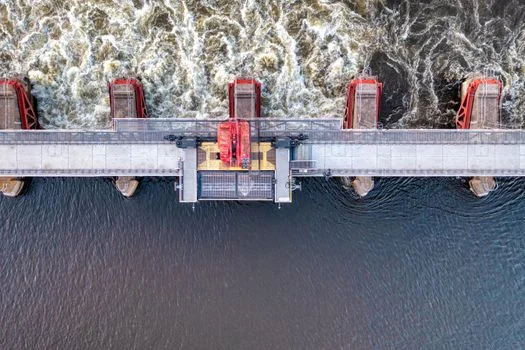
When selecting sewage treatment equipment for Angola, understanding the specific engineering specifications and their suitability for the local climate is crucial. Dissolved Air Flotation (DAF) systems are highly effective for removing up to 95% of TSS, with capacities ranging from 4 to 300 m³/h and energy consumption between 0.5 to 1.5 kWh/m³. Their primary advantage lies in treating wastewater with high FOG content, common in the food processing and oil industries. However, they necessitate the use of chemical coagulants and flocculants for optimal performance. Membrane Bioreactor (MBR) systems are designed for advanced treatment, consistently achieving BOD levels below 10 mg/L. They offer capacities from 10 to 2,000 m³/day with energy requirements between 0.8 to 2.0 kWh/m³. MBRs are ideal for municipal water reuse applications where high-quality effluent is essential, but they can be susceptible to membrane fouling if the influent turbidity exceeds 500 NTU. Filter presses excel in sludge dewatering, capturing 95% of solids and producing outputs with 30–40% solids content, crucial for mining applications. With filtration areas from 1 to 500 m² and energy usage of 0.3 to 0.8 kWh/m³, they offer cost-effective sludge volume reduction, though their operation can be manual unless integrated with PLC control. Angola’s tropical climate presents specific engineering considerations. DAF systems require tropicalized pumps and components capable of withstanding ambient temperatures that can reach 50°C. For MBR systems, the high levels of UV radiation, with Angola experiencing over 3,000 sunlight hours annually, necessitate the use of UV-resistant housings for membranes to ensure longevity and performance.
| Equipment Type | Typical TSS Removal | Capacity Range | Energy Use (kWh/m³) | Primary Application | Key Limitation | Climate Adaptation |
|---|---|---|---|---|---|---|
| DAF Systems | 95% | 4–300 m³/h | 0.5–1.5 | High-FOG wastewater (food, oil) | Requires chemical dosing | Tropicalized pumps (50°C ambient) |
| MBR Systems | <10 mg/L BOD | 10–2,000 m³/day | 0.8–2.0 | Municipal reuse, high-quality effluent | Membrane fouling in high turbidity | UV-resistant membrane housings |
| Filter Presses | 95% solids capture | 1–500 m² filtration area | 0.3–0.8 | Sludge dewatering (mining, industrial) | Can be manual operation | Standard climate considerations |
Angola Compliance Checklist: What Your Supplier Must Guarantee
Navigating Angola's regulatory landscape for sewage treatment equipment requires a clear understanding of supplier obligations. Decreto Presidencial 256/18 sets fundamental effluent limits, including BOD below 50 mg/L, TSS below 30 mg/L, and a pH range of 6–9, alongside specific mandates for heavy metal removal, such as lead below 0.1 mg/L. For the mining sector, Decreto 38/03 imposes even stricter controls on cyanide (below 0.1 mg/L), arsenic (below 0.05 mg/L), and mercury (below 0.005 mg/L). Suppliers must be able to demonstrate how their equipment achieves these targets, often supported by third-party laboratory testing from accredited facilities like SGS Angola. Public tenders in Angola also emphasize local content, with Lei 10/18 stipulating that 70% of equipment components must be sourced or assembled within Angola. Beyond technical specifications, robust after-sales support is a critical requirement, often detailed in ANIP tender guidelines. This includes guarantees of 24/7 technical assistance, a minimum 1-year warranty on mechanical parts, and a commitment to maintaining spare parts availability for at least five years. Finally, suppliers must provide comprehensive documentation, including CE and ISO 9001 certifications to assure quality and adherence to international standards. Crucially, all operational manuals must be provided in Portuguese, and suppliers should be prepared to offer thorough training for local operators to ensure the long-term, effective operation of the installed equipment.
- Decreto 256/18 Compliance: Verified effluent quality for BOD (<50 mg/L), TSS (<30 mg/L), pH (6–9), and specified heavy metals (<0.1 mg/L).
- Decreto 38/03 Compliance (Mining): Verified effluent quality for cyanide (<0.1 mg/L), arsenic (<0.05 mg/L), and mercury (<0.005 mg/L), supported by lab reports.
- Local Content: Commitment to sourcing/assembling at least 70% of equipment components in Angola (Lei 10/18).
- After-Sales Support: Guarantee of 24/7 technical support, 1-year mechanical parts warranty, and 5-year spare parts availability (ANIP tender requirements).
- Documentation: CE/ISO 9001 certifications, operation manuals in Portuguese, and training records for local operators.
- Third-Party Testing: Availability of lab test reports for heavy metal and contaminant removal from accredited facilities (e.g., SGS Angola).
Cost Benchmarks: CAPEX, OPEX, and ROI for Angola’s Top 3 Equipment Types
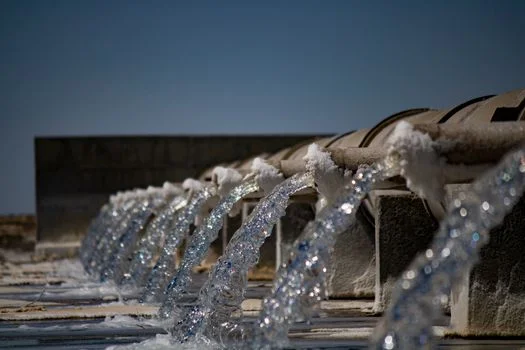
When evaluating sewage treatment equipment suppliers in Angola, a detailed understanding of Capital Expenditure (CAPEX), Operational Expenditure (OPEX), and the potential Return on Investment (ROI) is paramount for justifying purchases. Dissolved Air Flotation (DAF) systems, for treating wastewater with capacities ranging from 4 to 300 m³/h, typically have a CAPEX between $120,000 and $450,000. Their OPEX, primarily driven by chemical dosing and energy consumption, falls between $0.15 to $0.30 per cubic meter. The ROI for DAF systems is often realized within 2–3 years, primarily through significant reductions in sludge disposal costs, which can be as high as 40–60%. Membrane Bioreactor (MBR) systems, suitable for capacities of 10 to 2,000 m³/day, represent a higher CAPEX, ranging from $250,000 to $1.2 million, reflecting their advanced treatment capabilities. OPEX for MBRs, including energy and periodic membrane replacement (every 5–8 years), is generally between $0.20 to $0.40 per cubic meter. The ROI for MBRs, typically 3–5 years, is achieved through enabling water reuse in municipal contexts or ensuring regulatory compliance for industrial discharges. Filter presses, with filtration areas from 1 to 500 m², offer a more moderate CAPEX of $150,000 to $300,000. Their OPEX is relatively low, ranging from $0.10 to $0.25 per cubic meter, mainly comprising labor and filter cloth replacement. The ROI for filter presses is often the quickest, typically 1–2 years, driven by the substantial reduction in sludge volume for mining and food processing operations. It is crucial to also account for hidden costs, including import duties which can range from 10–25% for non-local suppliers, installation costs (typically 15–20% of CAPEX), and operator training, which can add $5,000–$15,000 per site.
| Equipment Type | Typical CAPEX Range | Typical OPEX Range | Typical ROI | Primary Cost Driver |
|---|---|---|---|---|
| DAF Systems | $120,000 – $450,000 | $0.15 – $0.30/m³ | 2–3 years | Chemicals, Energy, Disposal Cost Savings |
| MBR Systems | $250,000 – $1,200,000 | $0.20 – $0.40/m³ | 3–5 years | Membrane Replacement, Energy, Water Reuse Value |
| Filter Presses | $150,000 – $300,000 | $0.10 – $0.25/m³ | 1–2 years | Labor, Filter Cloths, Sludge Volume Reduction |
| Hidden Costs | Import Duties (10-25%), Installation (15-20%), Training ($5K-$15K) | N/A | N/A | Logistics, Site Preparation, Personnel |
Top 5 Sewage Treatment Equipment Suppliers in Angola: 2026 Comparison Matrix
Selecting the optimal sewage treatment equipment supplier in Angola requires a direct comparison of capabilities against your specific project needs and regulatory demands. EcoTech Solutions Angola, a local provider, excels in mining sector applications due to its deep understanding of Decreto 38/03 compliance and offers robust 24/7 local support. However, their experience with advanced MBR systems is more limited. HydropureWater, a global manufacturer with a growing presence in Angola, offers integrated MBR/DAF hybrid systems and a compelling 10-year warranty, though their CAPEX may be higher. EquipProtek, a global sourcing and supply solutions provider, has a strong focus on the oil and gas sector and offers turnkey project capabilities, but lacks local manufacturing. San Lan Technologies, a Chinese manufacturer, provides cost-effective DAF systems with CAPEX ranging from $90,000 to $200,000 but offers more limited after-sales support. Hydropure Water, based in South Africa, specializes in sludge dewatering expertise, offering extended 5-year warranties on membranes for their filter presses, but may have longer lead times of 12–16 weeks. When evaluating these suppliers, prioritize them based on their demonstrated compliance with Decreto 256/18 and 38/03, the strength and responsiveness of their local support network, their CAPEX and OPEX offerings, and their proven track record within your specific industry.
| Supplier | Origin/Presence | Strengths | Weaknesses | Key Products | Decreto 256/18/38/03 Compliance | Local Support | CAPEX/OPEX | Industry Focus |
|---|---|---|---|---|---|---|---|---|
| EcoTech Solutions Angola | Local (Angola) | Mining expertise, 24/7 local support | Limited MBR experience | DAF, Filter Presses | High (Decreto 38/03) | Excellent | Mid-Range | Mining, Industrial |
| HydropureWater | China/Angola | MBR/DAF hybrid systems, 10-year warranty | Higher CAPEX | MBR, DAF, Filter Presses | Excellent | Good | Higher CAPEX, Competitive OPEX | All Industries |
| EquipProtek | Global | Oil & gas focus, turnkey projects | No local manufacturing | DAF, Lamella Clarifiers | Good | Moderate | Competitive | Oil & Gas, Mining |
| San Lan Technologies | China | Low-cost DAF systems ($90K–$200K) | Limited after-sales support | DAF, Chemical Dosing | Moderate | Basic | Low CAPEX | General Industrial |
| Hydropure Water | South Africa | Sludge dewatering expertise, 5-year membrane warranty | Long lead times (12–16 weeks) | Filter Presses, Centrifuges | Good | Moderate | Competitive | Industrial, Municipal Sludge |
Zero-Risk Supplier Selection: A 5-Step Framework for Angola Buyers
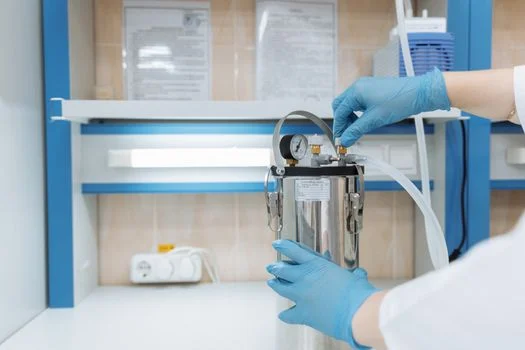
To mitigate risks and ensure a successful sewage treatment equipment acquisition in Angola, a structured, five-step selection process is essential. Begin by meticulously defining your project's effluent discharge targets, such as achieving a BOD level below 50 mg/L, and identifying all industry-specific compliance requirements, whether governed by Decreto 256/18 or the more specialized Decreto 38/03 for mining operations. Next, solicit detailed quotes from at least three pre-qualified suppliers. Ensure these quotes itemize all CAPEX components, including equipment purchase, installation, and operator training, alongside projected OPEX for energy, chemicals, and routine maintenance. Crucially, verify each supplier’s compliance documentation. This includes checking for CE/ISO 9001 certifications, ensuring operation manuals are in Portuguese, and reviewing laboratory test reports that validate their equipment’s ability to meet heavy metal and contaminant removal standards. Conduct site visits to observe the equipment in operation at reference projects within Angola, if possible; for instance, visiting mining sites to assess filter press performance or municipal plants for MBR systems. Finally, negotiate performance guarantees, such as a ‘95% TSS removal or full refund’ clause, and secure firm commitments on local content percentages, especially for public tenders requiring 70% local sourcing.
- Define Project Requirements: Clearly articulate effluent targets (e.g., BOD <50 mg/L) and specific industry compliance needs (Decreto 256/18, Decreto 38/03).
- Obtain Detailed Quotes: Request itemized CAPEX (equipment, installation, training) and OPEX (energy, chemicals, maintenance) from at least three suppliers.
- Verify Compliance Documentation: Review CE/ISO certifications, Portuguese operation manuals, and third-party lab test reports for contaminant removal.
- Conduct Site Visits: Assess equipment performance at reference projects in Angola to validate supplier claims.
- Negotiate Guarantees & Commitments: Secure performance guarantees (e.g., ‘X% removal or refund’) and confirm local content commitments (e.g., 70%).
Frequently Asked Questions
Understanding common post-purchase concerns and technical queries is vital for a smooth sewage treatment equipment deployment in Angola. Lead times for equipment can vary significantly; local suppliers like EcoTech Solutions Angola may offer delivery within 4–6 weeks, whereas international suppliers such as HydropureWater typically require 12–16 weeks due to import processes and logistics. Calculating the ROI for a DAF system in Angola can be approached using the formula: Annual Savings = (Disposal Cost Reduction × Annual Volume) – (CAPEX/5 + Annual OPEX). For instance, an annual saving of $40,000, with a CAPEX of $120,000 and OPEX of $15,000, would yield an annual ROI of $17,000 ($40,000 - ($120,000/5 + $15,000)). Maintenance for MBR systems in Angola’s climate includes monthly membrane cleaning (e.g., with citric acid), quarterly UV lamp replacement, and annual integrity testing, adhering to standards like ISO 14723. While filter presses are primarily for industrial sludge, they can be used for municipal sludge if pre-treatment (thickening) is applied to achieve the required 30–40% solids output; municipal sludge typically starts at 1–3% solids. Non-compliance with Decreto 256/18 can result in severe penalties, including fines of up to 5% of annual revenue, potential equipment seizure, and the revocation of operating licenses, as stipulated in Article 12 of the decree.
- What are the lead times for sewage treatment equipment in Angola? Local suppliers typically deliver in 4–6 weeks, while international suppliers require 12–16 weeks due to import processes.
- How do I calculate ROI for a DAF system in Angola? Use: Annual Savings = (Disposal Cost Reduction × Annual Volume) – (CAPEX/5 + Annual OPEX). Example: $40K/year savings – ($120K/5 + $15K OPEX) = $17K/year ROI.
- What are the maintenance requirements for MBR systems in Angola’s climate? Monthly membrane cleaning, quarterly UV lamp replacement, and annual integrity testing are standard.
- Can I use a filter press for municipal sludge in Angola? Yes, but pre-treatment (thickening) is necessary to reach optimal solids content for the filter press.
- What are the penalties for non-compliance with Decreto 256/18? Fines up to 5% of annual revenue, equipment seizure, and license revocation are possible penalties.