Louisiana industrial and municipal facilities must meet LDEQ and EPA Region 6 discharge limits.This guide compares five equipment suppliers Louisiana USA buyers should evaluate in 2025–2026: Delta Environmental Products, Bozeman Inc., Nexus Water Group, Crystal Clean, and Redfox Environmental. Specifications, CAPEX, OPEX, and compliance certifications are summarized so engineers, EPCs, and procurement managers can match a system to flow rate, footprint, and permit obligations.
Why Louisiana’s Wastewater Treatment Needs Are Unique
Louisiana secondary treatment under LAC 33:IX.711 holds 30-day average BOD5 and TSS at 30 mg/L each, matching the federal secondary bar. Earlier draft guidance sometimes cited 10 mg/L TSS and 15 mg/L BOD as statewide LDEQ 2024 limits; those tighter figures appear in site-specific or water-quality-based permits, not as a blanket secondary standard. Packaged plants that clear 30/30 still need polishing when a parish permit sets lower caps before the LDEQ authorization is closed out. The state’s industrial mix brings petroleum hydrocarbons from refineries, heavy metals from shipyards, and high Fats, Oils, and Grease (FOG) from food processors, so a dissolved air flotation (DAF) headwork often protects the biological stage from shock loading.
Coastal sites add a corrosion problem. Salinity intrusion pushes Total Dissolved Solids (TDS) to 35,000 mg/L in brackish outfalls, and plain carbon steel lasts only 3–5 years before pitting. Specifiers within 50 miles of the Gulf typically mandate 316L stainless steel, Fiber Reinforced Plastic (FRP), or a qualified epoxy coating system. Salinity-resistant materials raise initial CAPEX by 15–25% but trim long-term OPEX by roughly 30% over a 10-year life by cutting sandblasting and recoating cycles, a trade-off we see at nearly every Louisiana refinery retrofit.
Humidity finishes the picture. The state’s subtropical climate accelerates biological fouling and algae blooms on aerators, weirs, and sensor faces, so Clean-in-Place (CIP) skids and self-cleaning probes are no longer optional. For buyers running multi-state operations, a side-by-side read of how Texas’s EPA Region 6 compliance compares to Louisiana’s clarifies where permit limits and inspection cadences overlap.
Top 5 Sewage Treatment Equipment Suppliers in Louisiana: Head-to-Head Comparison
The five leading equipment suppliers Louisiana USA market buyers meet most often are summarized below, based on 2025 engineering data and reported project outcomes.
| Supplier | Equipment Types | Flow Rate Range | TSS Removal (%) | COD Removal (%) | CAPEX Range ($) | Compliance Certs |
|---|---|---|---|---|---|---|
| Delta Environmental | DAF, Clarifiers | 4–300 m³/h | 95% | 85–90% | $80K–$1.2M | EPA, LDEQ |
| Bozeman Inc. | WSZ Package Plants | 1–80 m³/h | 92% | 85% | $50K–$500K | NSF, LDEQ |
| Nexus Water Group | MBR, Utility-Scale | 10–2,000 m³/day | 98% | 95% | $150K–$2.5M | EPA, LDEQ |
| Crystal Clean | Chem-Precipitation | Custom | 94% | 90% | $200K–$2M | EPA, RCRA |
| Redfox Environmental | Marine/Offshore | 5–500 m³/day | 97% | 92% | $100K–$1.5M | USCG, IMO |
Delta Environmental Products centers its catalog on DAF technology, the workhorse for petrochemical and food processing sites where oil and grease removal is the gatekeeper. Field results run 95% TSS removal at steady loading, which is why most Louisiana refineries spec Delta on the front end. For projects evaluating this approach, the high-efficiency DAF systems for industrial wastewater with high FOG or TSS loads cover the same flow range.
Bozeman Inc. focuses on the WSZ Series of package plants, often buried under parking lots or green space in rural municipalities. Their compact underground sewage treatment systems for space-constrained sites shrink the footprint by up to 60% versus conventional activated sludge and still hit LDEQ effluent targets. Nexus Water Group runs utility-scale Membrane Bioreactor (MBR) systems serving more than 80,000 Louisiana customers; their effluent routinely clears 98% TSS removal, which is the threshold buyers need for reuse or discharge into water-quality-limited segments. Comparable performance is available in MBR systems for near-reuse-quality effluent in municipal and industrial applications.
Crystal Clean specializes in chemical precipitation and filtration for the high-salinity industrial wastewater around New Orleans, with EPA and RCRA credentials for hazardous streams. Redfox Environmental rounds out the list with USCG- and IMO-certified marine packages, which are mandatory for Gulf of Mexico shipyards and offshore platforms, and pair naturally with sludge dewatering options for Louisiana’s high-biomass wastewater to handle the solids those biological stages generate.
Matching Equipment to Louisiana’s Regulatory and Site Constraints
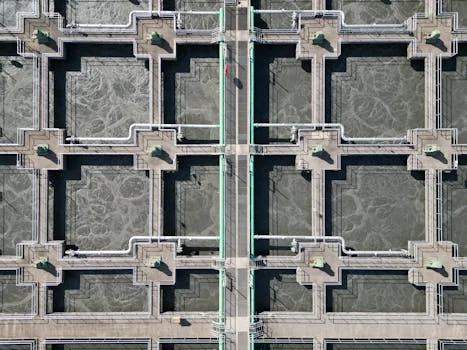
Selection starts with the NPDES permit issued by LDEQ. Industrial and sanitary permits commonly require pH 6.0–9.0. LDEQ secondary treatment under LAC 33:IX.711 sets 30-day average BOD5 and TSS at 30 mg/L each; earlier citations of TSS below 10 mg/L and BOD below 15 mg/L reflect site-specific or water-quality-based limits, not the statewide secondary floor. Discharges into a water-quality-limited segment often run tighter still, which is where MBR technology earns its keep at 98%+ contaminant removal.
Site conditions then dictate material of construction. Inland sites accept epoxy-coated carbon steel; coastal parishes within 50 miles of the Gulf need 316L stainless steel or FRP. The 15–25% CAPEX premium is real, but the 30% OPEX reduction over a 10-year life cycle, calculated from Louisiana refinery case studies, usually wins the budget review. Tight sites shift the choice toward underground WSZ units, where a multi-stage biological process sits inside a single buried tank and frees the surface for operations or parking.
Marine and offshore projects run on a different rulebook. USCG and IMO certifications are non-negotiable, and packages like Redfox’s add aeration plus chlorination/de-chlorination cycles to meet offshore discharge limits. The cost comparison of activated sludge vs. biofilm systems for Louisiana projects is a useful filter here, since biofilm carriers often cut blower energy at the salinities and temperatures these sites run.
2025 Cost Breakdown: CAPEX, OPEX, and ROI for Louisiana Projects
Budgeting for a Louisiana wastewater project hinges on the difference between CAPEX and long-term OPEX. Louisiana’s elevated energy rates and the chemicals needed for pH adjustment drive OPEX more than in most neighboring states, so a system that looks cheap on paper can run expensive over 10 years.
| System Type | Typical CAPEX | OPEX ($/m³) | Primary Cost Drivers |
|---|---|---|---|
| DAF (Industrial) | $80,000 – $1,200,000 | $0.15 – $0.35 | Chemicals (Coagulants/Flocculants) |
| MBR (Municipal/Ind) | $150,000 – $2,500,000 | $0.25 – $0.50 | Membrane Replacement & Electricity |
| Package Plants (WSZ) | $50,000 – $500,000 | $0.10 – $0.20 | Sludge Disposal & Aeration |
| Marine Systems | $100,000 – $1,500,000 | $0.30 – $0.60 | Certification & Specialized Parts |
A typical Louisiana municipal OPEX splits as energy 40–50%, chemicals 20–30%, labor 10–20%, and maintenance 5–10%. A worked example: a $500,000 MBR at a food processing plant offsets roughly $120,000/year in discharge surcharges, and at $0.25/m³ OPEX the system reaches full ROI in about 4.2 years.
Hidden regional costs belong in the feasibility study. Hurricane-proofing electrical controls above flood stage and anchoring tanks adds 10–15% to CAPEX. LDEQ permit application fees and third-party engineering certifications run $5,000–$20,000 depending on discharge complexity. Salinity-resistant materials look expensive up front, yet they prevent the kind of catastrophic failure that follows storm surge or extended high water in coastal parishes.
Step-by-Step Supplier Selection Checklist
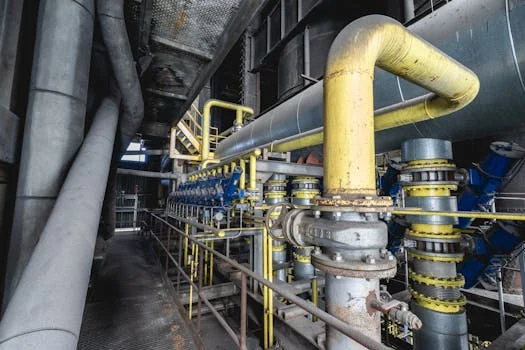
The following seven steps give procurement managers a structured path from spec to signed contract:
- Define Project Requirements: Document peak flow rates (including storm surge), influent concentrations (TSS, BOD, COD, FOG), and the specific LDEQ discharge limits for your parish.
- Request Engineering Specs: Ask for TSS and COD removal under variable loading, specific energy consumption in kWh/m³, and chemical dosage data, not marketing collateral.
- Verify Compliance Certifications: Confirm EPA and LDEQ compliance for land-based projects, USCG/IMO certification for marine work, and NSF/ANSI 40 for small municipal package plants.
- Check the Enforcement Record: Search the LDEQ Enforcement Actions Database and the EPA ECHO database for any violation history at sites using the supplier’s technology.
- Conduct Site Visits: Walk at least two Louisiana reference sites. Ask operators about uptime, unplanned maintenance frequency, and emergency service response.
- Negotiate Performance Guarantees: Lock in written guarantees for effluent quality (e.g., 95% uptime, TSS < 10 mg/L) with liquidated damages tied to compliance fines from equipment failure.
- Confirm Lead Times and Local Support: Hurricane season (June–November) routinely delays construction 3–6 months; require a local service presence for rapid parts and installation support.
Who this is for: plant engineers at Louisiana refineries, food processors, and mid-size municipalities; EPC contractors scoping 2025–2026 builds; and procurement teams comparing packaged versus custom systems under tight permit windows. Who should look elsewhere: buyers needing potable-water or reverse-osmosis skids (different vendor pool) and operators whose effluent targets fall below LDEQ secondary limits but outside NPDES scope. Next step: send your flow rate, influent profile, and target effluent to request a sized proposal with CAPEX and OPEX ranges, or request a free quote to start sizing a system matched to your site’s flow, salinity, and permit envelope.
Frequently Asked Questions
What are the most common mistakes when selecting sewage treatment equipment in Louisiana?
Three errors come up most often. First, teams underestimate salinity impact and watch carbon steel tanks fail inside 3–5 years. Second, they ignore LDEQ permit lead times, which routinely run 6 months and stall commissioning. Third, hurricane-proofing for electrical controls and tank anchors is left out of the budget, then added as a 10–15% change order during construction.
How do I verify a supplier’s compliance track record in Louisiana?
Pull the supplier’s reference list, then check each site in the LDEQ Enforcement Actions Database for equipment-related violations. Cross-check the EPA NPDES permit numbers through the EPA ECHO database to confirm the discharge data the supplier provided matches what was actually reported.
What’s the typical lead time for sewage treatment equipment in Louisiana?
Standard package plants run 12–24 weeks from order to delivery. Custom-engineered MBR or marine systems take 6–12 months for manufacturing, followed by an additional 3–6 months for LDEQ permit review, site preparation, and commissioning, so total project timelines for utility-scale work commonly land between 12 and 18 months.
Can I finance sewage treatment equipment in Louisiana?
Yes. Municipalities often tap USDA Rural Development loans or the Clean Water State Revolving Fund (CWSRF). Small businesses can use SBA 504 loans, while larger industrial sites usually prefer equipment leasing to convert CAPEX into OPEX and preserve balance-sheet capacity.
What maintenance is required for sewage treatment equipment in Louisiana’s climate?
Plan for quarterly inspections of aerators and sensors to catch biological fouling from humidity, biannual chemical cleaning of membranes and probes to strip salinity deposits, and an annual structural corrosion check on coastal facilities, especially where 316L stainless or FRP is the primary material of construction.