A major food processing plant faced constant production halts, grappling with severe clogging in its wastewater pre-treatment screens, leading to costly downtime and compliance risks. Such incidents underscore the critical need for robust, reliable solids separation in industrial operations. As a leading rotary drum screen manufacturer, HydropureWater provides heavy-duty, self-cleaning wedge wire screens engineered for industrial wastewater. Our systems achieve TSS removal efficiency up to 95% with slot precision from 0.5 mm to 6 mm. Specifically, our externally fed models are designed to handle high-solids flows up to 500 m³/h, featuring integrated spray cleaning and durable stainless steel construction for longevity in harsh industrial environments.
What Is a Rotary Drum Screen and How Does It Work?
Rotary drum screens utilize a continuously rotating cylindrical wedge wire mesh to mechanically separate suspended solids from liquid streams in industrial and municipal wastewater applications. This essential pre-treatment technology prevents larger debris from entering and damaging downstream pumps, filters, and biological treatment systems. The core mechanism involves a cylindrical screen, typically inclined at 15–35 degrees, that slowly rotates at speeds ranging from 0.5 to 3 revolutions per minute (rpm). Influent wastewater enters the drum, and as the drum rotates, the wedge wire mesh captures solids on its surface while the screened liquid (filtrate) passes through the slots.
There are two primary configurations for wedge wire rotary screen systems: externally fed and internally fed. In an externally fed design, wastewater flows onto the outer surface of the rotating drum, and solids are retained on the exterior. Conversely, internally fed systems channel the wastewater through the interior of the drum, capturing solids on the inner surface. A flow-induced head difference, typically between 0.3 and 1.2 meters, drives the liquid through the screen, facilitating effective filtration. Cleaning mechanisms, such as spray nozzles and doctor blades, continuously remove accumulated solids from the screen surface, ensuring consistent throughput and preventing blinding. The separated solids are then discharged for further processing or disposal. HydropureWater manufactures screens with precise wedge wire slots ranging from 0.5 mm for fine screening applications, effectively capturing fibers, seeds, and small plastics, up to 6 mm for coarser separation. For instance, a 0.020 inch (0.51 mm) slot size is highly effective in capturing most fibrous and organic debris, a critical capability for robust industrial wastewater pre-treatment.
Externally Fed vs Internally Fed: Which Design Fits Your Plant?
The externally fed design excels in high-total-suspended-solids (TSS) applications.
The choice between externally fed and internally fed rotary drum screen designs significantly impacts system performance, maintenance requirements, and capital expenditure for industrial wastewater treatment. Each configuration is optimized for different influent characteristics and operational priorities. Externally fed screens, such as HydropureWater's designs, excel in high-total-suspended-solids (TSS) applications, making them ideal for industries like food processing, pulp and paper, and textile manufacturing. These units can effectively handle flows up to 500 m³/h, capturing solids on the drum's exterior surface. This external capture allows for easier and more direct access to cleaning mechanisms like spray bars and doctor blades, which is crucial for preventing blinding and ensuring continuous operation in streams with high concentrations of fibrous or sticky solids. The reduced risk of internal blockages contributes to superior rotary screen clogging prevention and simplified maintenance.
In contrast, internally fed rotary drum screens are often favored for applications requiring higher flow capacity and where influent quality is more consistent, such as in municipal wastewater treatment plants. In these systems, wastewater flows into the drum's interior, and solids are captured on the inner surface. This design often provides better hydraulic loading distribution across the screen surface and can result in lower headloss, which is critical for gravity-fed headworks where minimizing energy consumption for pumping is a priority. However, accessing the internal screen surface for cleaning can be more challenging, potentially increasing maintenance complexity when dealing with highly adherent or fibrous debris. Understanding these distinctions is fundamental to selecting a self-cleaning drum screen that aligns with specific plant conditions and operational goals. The table below provides a concise comparison to guide this critical decision:
| Feature | Externally Fed Rotary Drum Screen | Internally Fed Rotary Drum Screen |
|---|---|---|
| Primary Application | High-solids industrial wastewater (food, pulp & paper) | High-flow municipal wastewater, consistent influent |
| Solids Capture | Solids captured on outer surface | Solids captured on inner surface |
| Flow Capacity | Up to 500 m³/h (typical industrial) | Higher, often exceeding 1000 m³/h (typical municipal) |
| Cleaning Access | Excellent external access for spray bars and doctor blades | Requires internal access, potentially more complex cleaning |
| Clogging Risk | Lower risk of internal blockages due to external capture | Higher risk of internal blinding with high fibrous/greasy loads |
| Headloss | Generally higher due to flow impingement on outer drum | Lower, ideal for gravity-fed systems |
| Footprint | Can be more compact for equivalent flow in some configurations | Often requires more space for equivalent solids handling |
| Maintenance | Easier visual inspection and cleaning of screening surface | Cleaning of internal surface can be more challenging |
| Typical Solids % | >0.5% TSS | <0.5% TSS |
Key Performance Metrics That Define a Reliable Manufacturer
Evaluating a rotary drum screen manufacturer requires a rigorous examination of quantifiable performance metrics that directly correlate with operational efficiency and long-term reliability. One of the most critical metrics is TSS removal efficiency, which for high-quality industrial rotary drum screens typically ranges from 85% to 95%, depending on the specific slot size and influent flow rate. Systems equipped with sub-1 mm slots are capable of achieving greater than 90% TSS removal, as highlighted by recent EPA Wastewater Technology Fact Sheets (2023). This level of performance is crucial for meeting discharge limits and protecting downstream processes.
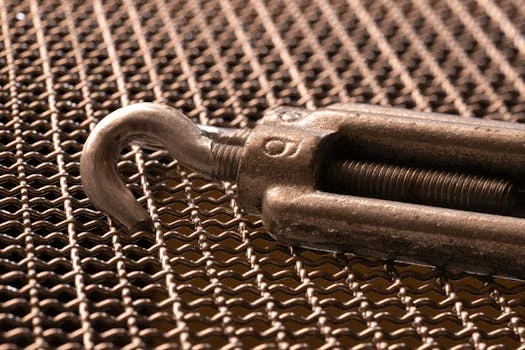
Another vital indicator of reliability is clogging resistance, which can be quantified by the time-between-cleaning (TBC) metric. Top-tier screening systems are engineered to maintain a TBC of greater than 72 hours even under challenging conditions, such as influent with 1,000 mg/L TSS loading. This resilience minimizes operator intervention and maintains consistent throughput, directly contributing to lower operational costs. Structural durability is paramount in harsh industrial wastewater environments. Reputable manufacturers utilize high-grade materials like 304 or 316L stainless steel drum screen frames, which are proven to withstand pH levels ranging from 4 to 11 and chloride concentrations up to 500 mg/L without significant corrosion. This material specification ensures a long service life and reduces the frequency of costly repairs or replacements.
Energy consumption is also a key consideration for overall system OPEX. Modern, efficient rotary drum screens typically consume between 0.5 and 1.5 kW per 100 m³/h of treated flow. The integration of variable frequency drives (VFDs) further optimizes energy usage by allowing the drum rotation speed to adjust based on influent flow rates, reducing power consumption during low-load periods. By demanding these concrete performance data points, procurement managers can objectively compare offerings and ensure they invest in a system that delivers consistent, high-efficiency solids separation with minimal operational overhead.
Design Features That Prevent Downtime and Reduce Maintenance
Proactive engineering design in industrial rotary drum screens directly translates into reduced operational expenditure (OPEX) and significantly minimizes unplanned downtime. A critical feature for sustained performance is a robust dual cleaning system. This typically involves high-pressure spray nozzles operating at 50–70 psi, which effectively dislodge sticky or fibrous solids from the wedge wire surface. These nozzles are often combined with durable PTFE doctor blades that continuously scrape the drum, ensuring that even the most stubborn debris is removed without the need for manual intervention. This continuous, automated cleaning is paramount for consistent fine solids separation and preventing screen blinding.
Component longevity is another key factor in reducing maintenance. High-quality systems incorporate sealed roller bearings with an L10 lifespan of 50,000 hours, significantly reducing replacement frequency, particularly in the humid and corrosive environments typical of wastewater treatment plants. Advanced designs feature modular wedge wire panels. This innovative approach allows for the replacement of individual screen sections rather than the entire drum, which can cut maintenance costs by as much as 40%. This modularity simplifies repairs, reduces spare parts inventory, and shortens repair times.
To prevent clogging before it impacts performance, leading manufacturers integrate sophisticated sensors that continuously monitor drum torque and influent flow rate. These sensors can detect early signs of blinding or excessive solids accumulation, triggering automatic backflush cycles or adjusting drum speed to optimize cleaning. This predictive maintenance capability ensures continuous operation and significantly extends the time between major service intervals. For industrial applications requiring robust pre-treatment, these design elements are fundamental to minimizing the overall screening system OPEX and maximizing equipment uptime. HydropureWater offers a continuous-duty rotary mechanical bar screen for headworks that incorporates these advanced features.
How to Select the Right Rotary Drum Screen Manufacturer
Selecting the optimal rotary drum screen manufacturer requires a comprehensive evaluation beyond initial purchase price, focusing on long-term performance, compliance, and vendor support. First, prioritize manufacturers with ISO 9001 certification and a demonstrated capability for in-house fabrication. This ensures stringent quality control throughout the manufacturing process, from raw material sourcing to final assembly, providing traceability and consistent product quality. Verification of compliance with international and local environmental standards is non-negotiable. Ensure the equipment meets requirements set by entities such as the EPA, the EU Urban Waste Water Directive 91/271/EEC, and any specific local discharge regulations relevant to your facility. This due diligence protects your plant from potential fines and operational disruptions.
Requesting third-party performance validation is a critical step in de-risking your investment. Ask for documented pilot test data, ideally from a 90-day trial conducted under influent conditions similar to your plant's. This empirical evidence provides a realistic projection of TSS removal efficiency, clogging resistance, and energy consumption specific to your operational context. Finally, thoroughly assess the manufacturer's after-sales support infrastructure. A reliable vendor should offer a 24/7 technical hotline, guarantee spare parts availability within 72 hours, and provide experienced on-site commissioning and training. Robust support minimizes downtime, ensures proper system integration, and maximizes the lifespan of your investment.
Frequently Asked Questions
Industrial plant engineers frequently inquire about the practical applications, maintenance requirements, and technical specifications of rotary drum screens for diverse wastewater challenges.
What is the smallest particle a rotary drum screen can capture?
Rotary drum screens with wedge wire slots as fine as 0.5 mm (0.020 in) can effectively remove small particles, including fibers, seeds, fine organic debris, and small plastics, providing excellent fine solids separation.
How often does a rotary drum screen need maintenance?
With automated cleaning systems, routine inspection of a rotary drum screen is typically required every 3–6 months to check for wear and tear. Major service, including bearing lubrication and component replacement, usually occurs every 2–3 years. For more detailed guidance, refer to industrial fine screen maintenance protocols and troubleshooting.
Can rotary drum screens handle oily wastewater?
Yes, rotary drum screens can handle oily wastewater, but they should be paired with upstream dissolved air flotation (DAF) units or oil-water separators to prevent blinding of the screen surface by grease and oil. Learn more about DAF system integration with rotary screening for oily wastewater.
What materials are used in industrial rotary drum screens?
High-quality industrial rotary drum screens typically use 304 or 316L stainless steel for the drum, frame, and fasteners due to its superior corrosion resistance. Wear strips and seals are often made from durable materials like PTFE