Phnom Penh’s sewage treatment equipment market is fragmented, with suppliers offering solutions for industrial (hotels, factories) and municipal applications. Key compliance standards include the Cambodian Ministry of Environment’s 2023 discharge limits (TSS < 50 mg/L, BOD < 30 mg/L for industrial effluent) and Phnom Penh Water Supply Authority’s municipal requirements. Equipment costs range from $15,000–$50,000 for small-scale MBR systems (10–50 m³/day) to $500,000+ for industrial DAF + biological treatment plants (500+ m³/day). This guide provides technical specifications, supplier evaluation criteria, and cost benchmarks to help buyers select the right system for their project.
Why Phnom Penh’s Wastewater Treatment Needs Are Unique in 2025
Cambodia’s 2023 National Environmental Strategy and Action Plan (NESAP) mandates zero liquid discharge (ZLD) for new industrial projects by 2027, significantly elevating the standards for wastewater treatment in Phnom Penh and nationwide (Ministry of Environment, 2023). This ambitious target necessitates advanced treatment technologies and robust compliance strategies for any new industrial facility or major renovation. Phnom Penh’s existing wastewater infrastructure covers only an estimated 20% of the city, leaving a substantial 80% of urban areas reliant on on-site treatment systems (Phnom Penh Water Supply Authority, 2024). This infrastructure deficit places a direct burden on individual establishments to manage their effluent, making the selection of appropriate and compliant sewage treatment equipment in Phnom Penh critical.
The influent characteristics in Phnom Penh present specific technical challenges for treatment plant design. Common influent streams show high Total Suspended Solids (TSS) ranging from 300–1,200 mg/L, often exacerbated by construction runoff and unpaved roads (Top 2 scraped data). Hotels and restaurants contribute significant levels of Fats, Oils, and Grease (FOG), typically between 50–200 mg/L, which can clog conventional systems and reduce treatment efficiency. Textile factories, a prevalent industry in the region, often discharge wastewater with variable pH levels, fluctuating between 5.5–9.0, requiring precise chemical pre-treatment and buffering to protect biological processes (Top 2 scraped data).
Seasonal weather patterns further complicate wastewater management. The annual monsoon season, from May to October, dramatically increases hydraulic loading on treatment systems by an estimated 30–50% due to stormwater infiltration into collection networks or direct runoff into treatment units. This surge capacity requirement is a vital consideration for equipment sizing and design, demanding systems capable of handling intermittent high flows without compromising effluent quality. Engineers and procurement managers must account for these unique local conditions to ensure long-term compliance and operational stability when selecting a sewage treatment equipment supplier in Phnom Penh.
Sewage Treatment Equipment Types for Phnom Penh Projects: Technical Specifications and Use Cases
Selecting the appropriate sewage treatment equipment in Phnom Penh hinges on matching specific project requirements, such as effluent quality targets, available footprint, and budget, with the technical capabilities of various systems. For high-efficiency removal of suspended solids and oils, high-efficiency DAF system for industrial wastewater in Phnom Penh are frequently employed. HydropureWater’s DAF systems offer flow rates from 4–300 m³/h, achieving TSS removal rates of 92–97% and FOG removal of 90–95%, with power consumption typically between 0.5–2.2 kW/m³. These systems are ideal for pre-treatment in hotels, food processing facilities, and textile factories due to their effectiveness in handling high organic loads and oily wastewater (Top 2 scraped data).
For applications demanding a compact footprint and near-reuse quality effluent, compact MBR system for near-reuse-quality effluent in urban Phnom Penh are highly effective. MBR systems, utilizing PVDF membranes with a pore size of 0.1 μm, consistently produce effluent turbidity below 0.2 NTU and can reduce the required footprint by up to 60% compared to conventional activated sludge systems. This makes them particularly suitable for space-constrained sites such as urban hospitals, condominiums, and apartment complexes where land is at a premium.
Integrated underground systems, such as HydropureWater’s WSZ series, provide a comprehensive and discreet solution for smaller to medium-scale projects. These systems combine A/O biological contact oxidation, sedimentation, and disinfection in a single unit, capable of handling 1–80 m³/h. They are designed for minimal operator intervention, making them a common choice for residential communities, schools, and small factories seeking an underground integrated sewage treatment plant for Phnom Penh hotels and factories. For projects with significant sludge volumes, particularly in textile and food processing industries, efficient sludge dewatering is critical. Plate and frame filter presses offer filtration areas from 1–500 m², achieving cake moisture content of 65–75% and are available with manual, hydraulic, or PLC-controlled options. Learn more about sludge dewatering solutions for industrial projects in Southeast Asia.
Finally, precise chemical dosing systems are indispensable for optimizing treatment processes. These PLC-controlled units manage the injection of coagulants (e.g., PAC), flocculants (e.g., PAM), and pH adjusters with flow rates from 0.1–10,000 L/h and an accuracy of ±1%. They are required for effective pre-treatment in most industrial applications, especially when dealing with variable influent characteristics common in Phnom Penh. For further insights into chemical selection, refer to how to select chemicals for Phnom Penh’s high-TSS wastewater.
| Equipment Type | Key Technical Specifications | Typical Flow Rate Range | Primary Removal Efficiency | Ideal Use Cases in Phnom Penh |
|---|---|---|---|---|
| DAF System | Pressure dissolved air, Micro-bubble generation | 4–300 m³/h | TSS: 92–97%, FOG: 90–95% | Hotels, Food Processing, Textile Factories |
| MBR System | PVDF membrane, 0.1 μm pore size | 10–500 m³/day | BOD/COD: >95%, Turbidity: <0.2 NTU | Urban Hospitals, Apartments, Space-constrained sites |
| Integrated Underground (WSZ Series) | A/O biological contact oxidation, Sedimentation, Disinfection | 1–80 m³/h | BOD: >90%, TSS: >90% | Residential Communities, Small Factories, Schools |
| Plate & Frame Filter Press | Filtration area 1–500 m², Cake moisture 65–75% | Variable (batch operation) | Sludge Volume Reduction: 70–90% | Textile, Food Processing, Industrial Sludge Management |
| Chemical Dosing System | PLC-controlled, Accuracy ±1% | 0.1–10,000 L/h | Pre-treatment optimization (pH, coagulation, flocculation) | Most Industrial Wastewater Treatment Plants |
Cambodia’s Wastewater Discharge Standards: What You Must Meet in 2025
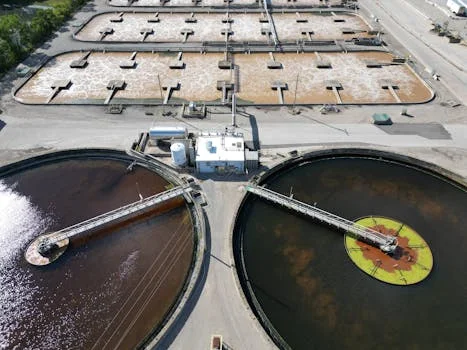
Compliance with Cambodia's wastewater discharge standards is non-negotiable for any entity operating a sewage treatment plant in Phnom Penh, with strict regulations enforced by both national and municipal authorities. The Ministry of Environment (MoE) in 2023 established stringent industrial effluent limits: Total Suspended Solids (TSS) must be < 50 mg/L, Biochemical Oxygen Demand (BOD) < 30 mg/L, Chemical Oxygen Demand (COD) < 120 mg/L, and pH maintained between 6–9. Additionally, oil & grease must be < 10 mg/L, with specific limits for heavy metals such as Chromium (Cr) < 0.5 mg/L and Lead (Pb) < 0.1 mg/L. These standards are crucial for the design and operation of any industrial wastewater treatment system.
For municipal effluent, the Phnom Penh Water Supply Authority (PPWSA) imposes even stricter limits than the national standards for certain parameters (Top 1 scraped data). Municipal discharge must meet TSS < 30 mg/L, BOD < 20 mg/L, and E. coli < 1,000 CFU/100 mL, typically requiring chlorination or other disinfection methods. Hospitals and other healthcare facilities face additional requirements due to the unique composition of their wastewater. For hospital wastewater treatment system compliant with Cambodian standards, specific limits include residual chlorine between 0.5–1.0 mg/L, stringent controls on pharmaceuticals (e.g., ciprofloxacin < 0.1 μg/L), and a pathogen kill rate of 99.9%. Non-compliance with these regulations carries significant penalties under the Cambodian Sub-Decree on Water Pollution Control (2022), including fines up to $50,000 or even facility shutdown, underscoring the importance of robust treatment solutions.
| Parameter | Industrial Effluent Limits (MoE, 2023) | Municipal Effluent Limits (PPWSA, 2024) | Hospital Wastewater Specific Limits |
|---|---|---|---|
| pH | 6.0–9.0 | 6.0–9.0 | 6.0–9.0 |
| Total Suspended Solids (TSS) | < 50 mg/L | < 30 mg/L | < 30 mg/L |
| Biochemical Oxygen Demand (BOD) | < 30 mg/L | < 20 mg/L | < 20 mg/L |
| Chemical Oxygen Demand (COD) | < 120 mg/L | < 80 mg/L | < 80 mg/L |
| Oil & Grease | < 10 mg/L | < 5 mg/L | < 5 mg/L |
| Heavy Metals (e.g., Cr) | < 0.5 mg/L | < 0.5 mg/L | < 0.5 mg/L |
| Heavy Metals (e.g., Pb) | < 0.1 mg/L | < 0.1 mg/L | < 0.1 mg/L |
| E. coli | N/A | < 1,000 CFU/100 mL | < 100 CFU/100 mL |
| Residual Chlorine | N/A | N/A (if disinfected) | 0.5–1.0 mg/L |
| Pharmaceuticals (e.g., Ciprofloxacin) | N/A | N/A | < 0.1 μg/L |
| Pathogen Kill Rate | N/A | N/A | >99.9% |
How to Evaluate Sewage Treatment Equipment Suppliers in Phnom Penh: A Decision Framework
A structured approach to evaluating sewage treatment equipment suppliers in Phnom Penh is essential for mitigating risks and ensuring long-term operational success. First, assess the supplier's Technical Capability, specifically their experience with local influent characteristics such as high TSS and FOG. Request case studies from successful projects within Phnom Penh (e.g., hotels, hospitals, factories) to verify their practical expertise. Second, scrutinize their Compliance Support, determining if the supplier offers turnkey solutions encompassing design, installation, commissioning, and crucial assistance with Ministry of Environment permitting, which can be complex. A supplier's ability to navigate local regulations is a significant advantage.
Third, consider Equipment Customization. Given Phnom Penh’s seasonal challenges, particularly monsoon flooding, inquire if systems can be tailored for seasonal flow variations, including surge capacity, to prevent operational disruptions. Fourth, evaluate After-Sales Service, a critical factor for sustained performance. Key indicators include guaranteed response times for breakdowns (targeting <24 hours), the availability of spare parts within Cambodia to minimize downtime, and comprehensive training programs for local operators to ensure efficient system management. Finally, demand complete Cost Transparency. Request itemized quotes that clearly separate costs for equipment, installation, civil works, and commissioning. Crucially, compare not just upfront capital costs but also lifecycle costs, including energy consumption, chemical usage, and routine maintenance, to understand the true long-term investment.
To objectively compare multiple suppliers, implement a weighted scoring system. Assign weights to each criterion based on your project's priorities (e.g., Technical Capability 30%, Compliance Support 25%, Cost 20%, After-Sales Service 15%, Customization 10%). Score each supplier on a scale of 1–5 for every criterion, then multiply the score by its weight to derive a total weighted score. This framework provides an objective basis for selecting the most suitable sewage treatment equipment supplier in Phnom Penh.
| Evaluation Criterion | Weight (%) | Key Questions for Suppliers | Scoring (1-5) |
|---|---|---|---|
| Technical Capability | 30% | - Experience with high TSS/FOG influent in Phnom Penh? - Provide local project case studies (hotel, hospital, factory)? - Engineering team qualifications and certifications? |
|
| Compliance Support | 25% | - Offer turnkey design, installation, commissioning? - Assist with MoE permitting and documentation? - Guarantee effluent quality to local standards? |
|
| Equipment Customization | 10% | - Can systems be adapted for monsoon surge capacity (30-50% extra flow)? - Flexibility for future expansion or phased development? |
|
| After-Sales Service | 15% | - Breakdown response time guarantee (<24 hours)? - Availability of spare parts in Cambodia? - Training provided for local operators? |
|
| Cost Transparency & Lifecycle | 20% | - Itemized quote (equipment, installation, civil works, commissioning)? - Provide estimated annual operating costs (energy, chemicals, maintenance)? - Offer ROI calculations? |
|
| Total Weighted Score | |||
Cost Breakdown for Sewage Treatment Plants in Phnom Penh: 2025 Benchmarks
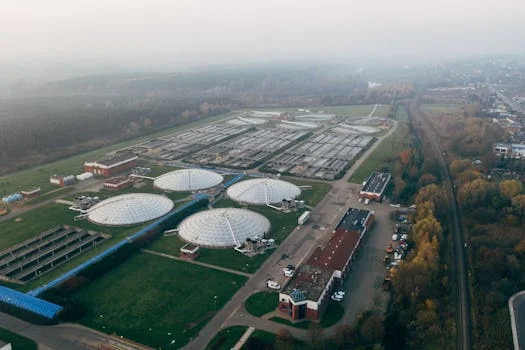
Accurate budgeting for sewage treatment plants in Phnom Penh requires not only understanding initial capital expenditure but also accounting for hidden costs and long-term operational expenses. For small-scale systems, typically handling 10–50 m³/day, such as MBR or integrated underground systems (e.g., WSZ series), the equipment cost ranges from $15,000–$50,000. These are ideal for boutique hotels, small clinics, or modest factories. Medium-scale systems, designed for 50–200 m³/day, often featuring DAF + biological treatment, fall within the $80,000–$250,000 range. These are commonly deployed in hospitals, apartment complexes, or medium-sized textile factories (Top 2 scraped data). For large-scale systems, with capacities between 200–1,000 m³/day, such as advanced MBR or conventional activated sludge plants, costs can range from $300,000–$1.2 million, catering to industrial parks or municipal projects. For larger municipal applications, considering sewage treatment equipment suppliers in Sihanoukville might offer comparative insights.
Beyond the equipment itself, several hidden costs can significantly impact the overall project budget. Civil works, including excavation, concrete foundations, and building structures, can add $10,000–$50,000 depending on site complexity and system size. Permitting and regulatory approvals from the Ministry of Environment and local authorities can cost $2,000–$10,000. Operator training, crucial for efficient and compliant system operation, typically ranges from $1,500–$5,000. Additionally, annual maintenance, including spare parts, chemical replenishment, and routine servicing, should be budgeted at 5–10% of the equipment’s capital cost. Understanding these components is vital for a comprehensive financial plan when seeking a sewage treatment equipment supplier in Phnom Penh.
Calculating the Return on Investment (ROI) helps justify the capital outlay. This can involve comparing the capital cost to avoided fines (e.g., $50,000 per year for non-compliance with Cambodian environmental regulations) or potential water reuse savings (e.g., $0.50/m³ for treated effluent used for irrigation or non-potable purposes). A well-designed and compliant system not only prevents penalties but can also generate economic benefits through resource recovery.
| System Scale & Capacity | Typical Equipment Cost Range | Hidden Costs (Estimated) | Annual Operating Costs (Estimated) | Ideal Applications |
|---|---|---|---|---|
| Small (10–50 m³/day) | $15,000–$50,000 | Civil Works: $10k–$20k Permitting: $2k–$5k Training: $1.5k–$3k |
$3,000–$8,000 | Boutique Hotels, Clinics, Small Factories, Schools |
| Medium (50–200 m³/day) | $80,000–$250,000 | Civil Works: $20k–$40k Permitting: $5k–$8k Training: $3k–$4k |
$8,000–$25,000 | Hospitals, Apartments, Medium Textile Factories |
| Large (200–1,000 m³/day) | $300,000–$1.2M | Civil Works: $40k–$50k+ Permitting: $8k–$10k Training: $4k–$5k |
$25,000–$120,000 | Industrial Parks, Municipal Projects, Large Manufacturing |
Frequently Asked Questions
Q: What is the typical lead time for sewage treatment equipment in Phnom Penh?
A: The typical lead time for standard sewage treatment equipment, such as DAF or MBR systems, in Phnom Penh is 8–12 weeks. Custom-engineered plants or larger industrial systems may require 16–20 weeks for design, manufacturing, and shipping. Local suppliers might offer shorter lead times for off-the-shelf units (Top 3 scraped data).
Q: Are there any big tech companies in Cambodia that provide wastewater treatment solutions?
A: No major global wastewater technology firms like Veolia or Suez have a direct, significant operational presence in Cambodia. Instead, local suppliers such as Cambodia EcoTech Solutions and Envicare Water typically partner with established Chinese or European manufacturers for the supply of advanced equipment and technology (Top 2 scraped data).
Q: How much does it cost to set up a sewage treatment plant for a 100-room hotel in Phnom Penh?
A: For a 100-room hotel, a sewage treatment plant typically requires a capacity of around 50 m³/day. The estimated cost for an MBR or integrated underground system, including installation and commissioning, ranges from $40,000–$80,000. Annual operating costs, covering energy, chemicals, and maintenance, are approximately $5,000–$10,000.
Q: Which country has the best sewage treatment plant technology for tropical climates like Cambodia?
A: China and Singapore are recognized leaders in developing and implementing effective wastewater treatment plant technology suitable for tropical climates like Cambodia. Chinese suppliers, including HydropureWater, offer cost-effective, robust, and modular systems, while Singaporean firms provide advanced MBR technology, often focused on water reuse and high-quality effluent (Top 1 PAA).
Q: What are the maintenance requirements for a DAF system in Phnom Penh?
A: Maintenance for a DAF system typically involves weekly checks of the air compressor and skimmer operation. Monthly tasks include cleaning dissolved air nozzles and inspecting pumps for wear. Quarterly, filter media should be replaced, and chemical dosing systems calibrated. An annual full system inspection and membrane cleaning (if applicable, in combined systems) are recommended to ensure optimal performance and longevity.