Sihanoukville’s sewage treatment equipment market is growing rapidly, driven by industrial expansion, tourism, and stricter environmental regulations. For 2025, suppliers like GreenWater Industries and Cambodia EcoTech Solutions offer solutions ranging from underground WSZ plants (1–80 m³/h, COD removal >90%) to DAF systems (4–300 m³/h, TSS removal 92–97%). Local compliance requires adherence to Cambodia’s Sub-Decree on Water Pollution Control (2015), which sets effluent limits of 100 mg/L COD and 50 mg/L TSS for industrial discharges. This guide provides technical specs, cost benchmarks ($50–$300/m³ for municipal projects), and a supplier decision framework tailored to Sihanoukville’s needs.
Why Sihanoukville Needs Advanced Sewage Treatment Equipment in 2025
Sihanoukville's rapid economic development, marked by a 30% annual growth in industrial discharge and over 2.5 million tourists annually, necessitates advanced sewage treatment solutions to mitigate severe environmental and economic risks. The coastal city faces escalating wastewater challenges, with industrial discharge volumes increasing by 30% annually (Cambodia Ministry of Industry 2023) and tourism bringing over 2.5 million visitors per year (Ministry of Tourism 2024). This growth strains existing infrastructure, leading to significant coastal pollution risks, as highlighted by a UNEP 2023 report on Sihanoukville Bay.
Regulatory frameworks are becoming increasingly stringent to address these issues. Cambodia’s Sub-Decree on Water Pollution Control (2015) mandates an effluent COD limit of 100 mg/L and TSS limit of 50 mg/L for industrial discharges, with similar or stricter requirements for other sectors. the Sihanoukville Port Authority enforces additional pre-treatment standards for facilities operating within port areas, particularly for oil and grease removal from industrial wastewater. Compliance with these regulations is not optional; a 2023 audit by the Cambodia Clean Water Initiative found that 60% of 15 surveyed hotels in Sihanoukville were non-compliant with wastewater standards, resulting in fines ranging from $5,000 to $50,000 per violation.
The economic impact of non-compliance extends beyond direct fines. Businesses face significant reputational damage, which can lead to lost tourism revenue for hotels and resorts. Industrial projects, particularly within zones like the Sihanoukville Special Economic Zone, risk operational delays and permit revocations, incurring substantial financial losses. Investing in advanced sewage treatment equipment is therefore not just an environmental imperative but a critical economic strategy for long-term sustainability and profitability in Sihanoukville.
Sewage Treatment Equipment Types for Sihanoukville Projects: Technical Specs and Use Cases
Selecting the appropriate sewage treatment equipment for Sihanoukville projects hinges on understanding specific technical specifications and their optimal use cases, directly impacting effluent quality and operational efficiency. Different project types—from hospitality to heavy industry—require tailored solutions to meet both discharge standards and operational demands.
- Underground WSZ Plants (HydropureWater’s WSZ Series): These WSZ series underground sewage treatment plants for Sihanoukville hotels and residential projects are compact, integrated systems designed for flows from 1 to 80 m³/h. They achieve COD removal rates of 90–95% and occupy a footprint 50% smaller than conventional systems. Ideal for hotels, residential communities, and small factories, WSZ plants are installed below-grade, allowing for landscaping or parking above, minimizing visual impact and maximizing land use efficiency.
- Dissolved Air Flotation (DAF) Systems (HydropureWater): DAF systems for Sihanoukville’s industrial wastewater treatment are crucial for treating wastewater with high concentrations of suspended solids (TSS), fats, oils, and grease (FOG). Operating at capacities from 4 to 300 m³/h, DAF systems achieve TSS removal rates of 92–97% and FOG removal of 95%. Their micro-bubble technology efficiently separates pollutants, making them best suited for food processing, textile, and petrochemical plants where effective skimming of buoyant solids is essential.
- MBR Systems (HydropureWater’s MBR Series): MBR systems for water reuse in Sihanoukville’s tourism and industrial sectors combine biological treatment with membrane filtration, producing high-quality effluent suitable for reuse. With capacities ranging from 10 to 2,000 m³/day, MBR systems consistently achieve effluent quality of less than 10 mg/L TSS and have a footprint 60% smaller than conventional activated sludge (CAS) systems. They are highly suitable for water reuse projects such as irrigation, toilet flushing, and cooling towers. Membrane fouling prevention mechanisms and energy consumption of 0.5–1.2 kWh/m³ are key operational considerations.
- Medical Wastewater Systems (HydropureWater): Specialized hospital wastewater treatment standards and equipment are mandated for healthcare facilities. HydropureWater’s medical wastewater system offers compact systems from 0.5 to 5 m³/h, achieving over 99% pathogen kill rate through advanced disinfection, often using ozone. These systems are required for clinics and hospitals under Cambodia’s 2024 healthcare wastewater guidelines, featuring a compact footprint and no-chemical operation for enhanced safety.
- Sludge Dewatering (Filter Presses): Essential for managing the solid by-product of wastewater treatment, filter presses range from 1 to 500 m² filtration area, achieving 20–30% dry solids content. This equipment is critical for industrial plants with high sludge volumes, such as tanneries and breweries, significantly reducing sludge disposal costs, which average $20–$50 per ton of sludge processed.
| Equipment Type | Capacity Range | Key Performance Data | Typical Footprint Reduction | Primary Use Cases |
|---|---|---|---|---|
| Underground WSZ Plants | 1–80 m³/h | COD removal 90–95% | 50% smaller vs. conventional | Hotels, residential, small factories |
| DAF Systems | 4–300 m³/h | TSS removal 92–97%, FOG removal 95% | N/A (pre-treatment) | Food processing, textile, petrochemical |
| MBR Systems | 10–2,000 m³/day | Effluent <10 mg/L TSS, Energy 0.5–1.2 kWh/m³ | 60% smaller vs. CAS | Water reuse (irrigation, cooling), high-quality discharge |
| Medical Wastewater Systems | 0.5–5 m³/h | 99%+ pathogen kill (ozone disinfection) | Compact, modular | Clinics, hospitals (per 2024 guidelines) |
| Sludge Dewatering (Filter Press) | 1–500 m² filtration | 20–30% dry solids content | N/A (ancillary) | Industrial plants with high sludge volumes |
Top 5 Sewage Treatment Equipment Suppliers in Sihanoukville: Comparison and Selection Criteria
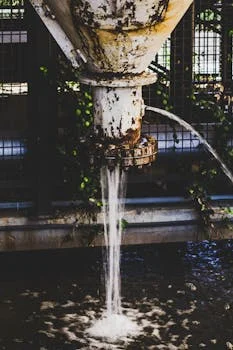
Evaluating sewage treatment equipment suppliers in Sihanoukville requires a structured comparison based on project specialization, compliance track record, and local service capabilities to ensure long-term operational success. The market features several key players, each with distinct strengths and weaknesses relevant to specific project requirements.
- GreenWater Industries: This supplier specializes in municipal and hotel projects, exemplified by their 2023 installation of a 150 m³/day MBR system at Sokha Beach Resort. Their strengths lie in offering turnkey solutions and possessing a robust local compliance team. However, their experience is somewhat limited in complex industrial wastewater sectors like textiles or chemicals.
- Cambodia EcoTech Solutions: With a strong focus on industrial wastewater treatment, Cambodia EcoTech Solutions completed a 500 m³/day DAF system for textile effluent at the Sihanoukville Special Economic Zone in 2024. They excel in custom engineering and provide on-site pilot testing services. A notable weakness is their longer lead times, typically 12–16 weeks for project delivery.
- King Diamond World Co., Ltd.: King Diamond World offers integrated systems, such as their 2023 project at NagaWorld Casino, which combined WSZ, DAF, and sludge dewatering technologies. Their strengths include fast deployment, often within 6–8 weeks, and comprehensive 24/7 service support. However, these benefits come with higher upfront costs, typically ranging from $150–$250/m³ compared to competitors' $100–$180/m³.
- HydropureWater (China): As a direct manufacturer with established local Cambodian partnerships, HydropureWater brings over 30 years of experience. They are known for their modular systems, including modular and containerized sewage treatment solutions like containerized MBR units ideal for remote sites. A consideration for projects is the longer shipping times, typically 8–10 weeks from China.
- Intoss (Cambodia) Co., Ltd.: Intoss specializes in small-scale systems, demonstrated by their 2024 installation of a 10 m³/day WSZ plant at a boutique hotel. Their key advantages are lower costs, ranging from $50–$100/m³, and strong local installation support. Their capacity is limited, however, with a maximum project size generally not exceeding 50 m³/day.
When selecting a supplier, consider the following critical criteria:
- Project Type: Match the supplier's specialization (municipal, industrial, hospitality) with your project's specific needs.
- Compliance Track Record: Request evidence of past project compliance, including EPA or UNEP certifications for effluent quality.
- Local Service Network: Evaluate the availability of local support, distinguishing between suppliers with Sihanoukville-based teams versus those operating solely from Phnom Penh.
- Lead Time and Cost Transparency: Obtain clear timelines for design, manufacturing, and installation, alongside a detailed breakdown of all costs to avoid hidden expenses.
| Supplier Name | Specialization | Strengths | Weaknesses | Example Project (Sihanoukville) |
|---|---|---|---|---|
| GreenWater Industries | Municipal, Hospitality | Turnkey solutions, local compliance team | Limited industrial experience (textiles, chemicals) | Sokha Beach Resort (150 m³/day MBR, 2023) |
| Cambodia EcoTech Solutions | Industrial Wastewater | Custom engineering, on-site pilot testing | Longer lead times (12–16 weeks) | Sihanoukville SEZ (500 m³/day DAF for textile, 2024) |
| King Diamond World Co., Ltd. | Integrated Systems | Fast deployment (6–8 weeks), 24/7 service | Higher upfront costs ($150–$250/m³) | NagaWorld Casino (WSZ + DAF + sludge, 2023) |
| HydropureWater (China) | Direct Manufacturer, Modular Systems | 30+ years experience, containerized MBR for remote sites | Longer shipping times (8–10 weeks from China) | Various industrial and municipal projects (via local partners) |
| Intoss (Cambodia) Co., Ltd. | Small-Scale Systems | Low-cost ($50–$100/m³), local installation support | Limited capacity (max 50 m³/day) | Boutique hotel (10 m³/day WSZ, 2024) |
Sihanoukville Sewage Treatment Costs in 2025: Engineering Breakdown and ROI Calculator
The total cost of a sewage treatment plant in Sihanoukville, encompassing both capital and operational expenditures, can range from $50–$500/m³ depending on project scale and technology, with typical ROI payback periods between 2 and 10 years. Understanding this breakdown is crucial for budgeting and justifying investment in advanced wastewater treatment solutions.
Capital Costs: Initial investment for equipment, civil works, and installation typically ranges from $50–$300/m³ for municipal projects and $100–$500/m³ for industrial applications (e.g., DAF + sludge dewatering systems). For example, a 200 m³/day WSZ plant, including full installation, might cost between $40,000 and $60,000.
Operating Costs: Ongoing expenses are primarily driven by energy consumption ($0.10–$0.50/m³), chemical usage ($0.05–$0.20/m³), and maintenance. Annual maintenance can range from $5,000 to $20,000, with MBR systems specifically requiring membrane replacement every 5–7 years at an additional cost of $10,000–$30,000.
ROI Benchmarks:
- Hotels: A 3–5 year payback period is common, achieved through avoided fines for non-compliance and significant savings from water reuse. For instance, a 150 m³/day system can save an estimated $25,000 per year in water costs by providing treated water for irrigation or toilet flushing.
- Industrial Plants: These projects often see a quicker 2–4 year payback, primarily from reduced discharge fees and penalties. A textile plant, for example, could save $50,000 per year in penalties by consistently meeting effluent standards.
- Municipal Projects: With larger scales and public funding, municipal projects typically have a longer 7–10 year payback period, often supported by user fees and government grants (e.g., ADB-funded projects in Cambodia).
Cost-Saving Tips:
- Modular Systems: Utilizing modular and containerized sewage treatment solutions like containerized MBR units can reduce civil works costs by up to 30%.
- Local Partnerships: Collaborating with local Cambodian distributors (e.g., HydropureWater’s partners) can reduce import duties by 10–15%.
- Pilot Testing: Conducting a small-scale pilot test (e.g., a 1 m³/h DAF trial) before full-scale deployment helps optimize design and reduces overall project risk by approximately 20%.
| Cost Category | Typical Range (Sihanoukville) | Notes |
|---|---|---|
| Capital Cost (per m³ capacity) | $50–$300/m³ (municipal) $100–$500/m³ (industrial) |
Includes equipment, civil works, installation. |
| Operating Cost (per m³ treated) | $0.10–$0.50/m³ (energy) $0.05–$0.20/m³ (chemicals) |
Excludes major maintenance. |
| Annual Maintenance | $5,000–$20,000/year | MBR membrane replacement: $10,000–$30,000 every 5–7 years. |
| ROI Payback (Hotels) | 3–5 years | Via avoided fines, water reuse savings ($25K/year for 150 m³/day system). |
| ROI Payback (Industrial) | 2–4 years | Via reduced discharge fees/penalties ($50K/year for textile plant). |
| ROI Payback (Municipal) | 7–10 years | Via user fees, government grants (e.g., ADB projects). |
Compliance Checklist for Sihanoukville Sewage Treatment Projects in 2025
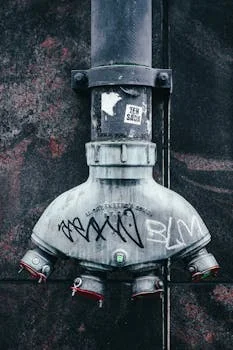
Adhering to Cambodia’s stringent environmental regulations, including the Sub-Decree on Water Pollution Control (2015) and Sihanoukville Port Authority standards, is critical for all sewage treatment projects in Sihanoukville to avoid significant penalties. A systematic approach to compliance ensures legal operation and environmental protection.
Regulatory Framework:
- Cambodia’s Sub-Decree on Water Pollution Control (2015): This overarching regulation sets primary effluent limits, including a Chemical Oxygen Demand (COD) of 100 mg/L, Total Suspended Solids (TSS) of 50 mg/L, and Biochemical Oxygen Demand (BOD) of 30 mg/L for industrial discharges.
- Sihanoukville Port Authority Regulations: Facilities operating within or near the port area are subject to additional pre-treatment standards, particularly requiring effective oil separators for shipyards and other maritime-related operations.
- Ministry of Environment (MoE) Audits: The MoE conducts quarterly audits for industrial plants, verifying compliance with discharge permits and environmental standards.
Permitting Process:
- Environmental Impact Assessment (EIA) Submission: Submit a comprehensive EIA report to the Ministry of Environment. The review process typically takes 4–6 weeks.
- Discharge Permit Acquisition: Obtain a discharge permit from the Sihanoukville Water Supply Authority, which usually takes 2–4 weeks after EIA approval.
- Registration with CCWI: Register your facility with the Cambodia Clean Water Initiative (CCWI) for ongoing monitoring support and guidance.
Monitoring Requirements:
- Continuous Monitoring: Install and maintain data loggers for continuous monitoring of key parameters such as pH, TSS, and flow rates.
- Monthly Lab Tests: Conduct monthly laboratory tests for COD, BOD, and heavy metals. These analyses must be performed by MoE-approved laboratories.
- Annual Third-Party Audit: Engage an independent third-party auditor for an annual compliance review. The typical cost for such an audit ranges from $2,000 to $5,000.
Common Compliance Pitfalls:
- Underestimating Sludge Disposal Costs: Sludge, especially hazardous waste from industrial processes, can incur significant disposal costs, often $100–$300 per ton.
- Ignoring Seasonal Variations: Monsoon seasons can lead to significant inflow spikes, potentially overwhelming treatment capacity if not accounted for in design and operation.
- Failing to Train Local Staff: Inadequate training of plant operators can lead to operational errors, resulting in MoE fines ranging from $1,000 to $5,000 per incident.
Frequently Asked Questions
Understanding common terminology and regulatory specifics is essential for stakeholders evaluating sewage treatment equipment in Sihanoukville, particularly concerning plant types, effluent limits, and local waste challenges.
Q: What is the difference between STP and WWTP?
A: STP stands for Sewage Treatment Plant, which primarily handles domestic wastewater from sources like hotels, residential areas, and commercial buildings. WWTP stands for Wastewater Treatment Plant, designed to treat industrial effluent from factories, tanneries, and other manufacturing facilities. In Sihanoukville, hotels typically require STPs (e.g., WSZ or MBR systems), while industrial zones demand WWTPs (e.g., DAF + biological treatment).
Q: What is the COD limit for sewage treatment plants in Cambodia?
A: Cambodia’s Sub-Decree on Water Pollution Control (2015) sets a Chemical Oxygen Demand (COD) limit of 100 mg/L for industrial discharges. For municipal plants, the limit is slightly higher at 120 mg/L. Sihanoukville’s port facilities may face even stricter local regulations, potentially requiring effluent to meet 80 mg/L COD.
Q: How much does a sewage treatment plant cost in Sihanoukville?
A: Costs vary significantly, ranging from $50 to $500 per cubic meter of capacity depending on the technology and scale. For instance, a 100 m³/day WSZ plant costs approximately $20,000–$40,000, while a larger, more advanced 500 m³/day DAF + MBR system could cost $250,000–$500,000. Operating costs typically average $0.15–$0.50 per cubic meter of treated water.
Q: What is the waste problem in Cambodia?
A: Cambodia generates approximately 1.5 million tons per year of industrial wastewater, with only an estimated 30% currently undergoing treatment, according to a UNEP 2023 report. Sihanoukville's rapid industrialization and tourism growth have exacerbated coastal pollution, with up to 40% of water samples in Sihanoukville Bay exceeding permissible COD limits. Untreated wastewater costs Cambodia an estimated $100 million annually in public health and environmental damages.
Q: Which country has the best sewage treatment plants?
A: Countries like Singapore, renowned for its NEWater initiative, and Germany, with nearly 100% wastewater treatment coverage, are recognized leaders in efficiency and innovation. For Sihanoukville projects, suppliers like HydropureWater offer German-engineered systems (e.g., MBR technology) adapted for tropical climates, achieving over 95% COD removal and boasting a 60% smaller footprint compared to conventional plants. This combines advanced technology with local suitability.
Further Reading
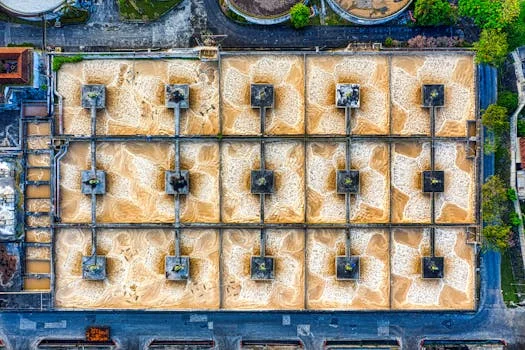
Explore these in-depth articles on related wastewater treatment topics: