In Minas Gerais, Brazil, package wastewater treatment plants (WWTPs) are emerging as a cost-effective solution to meet the state’s strict disposal standards—BOD₅ removal ≥60% and COD removal ≥55% (per Minas Gerais Environmental Policy, 2023). Current UASB-based systems, used in 70% of municipal WWTPs, achieve only 56% BOD₅ and 46% COD removal, failing compliance. Compact package plants (e.g., MBR, SBR, or A/O systems) deliver 90–98% BOD₅ removal in 30–50% less footprint, with CAPEX ranging from R$1.2M–R$5M for 50–500 m³/day projects, depending on technology and automation level.
Why Minas Gerais Needs Package Wastewater Treatment Plants in 2025
Minas Gerais’ 2023–2025 sanitation plan targets an ambitious 90% wastewater treatment coverage by 2033, a significant increase from the current 30% today, necessitating the construction of over 1,200 new WWTPs across the state (ANA 2024 data, Top 5). This ambitious goal faces a critical challenge: the widespread underperformance of existing treatment infrastructure. Current Upflow Anaerobic Sludge Blanket (UASB) based WWTPs, particularly in cities like Ipatinga, consistently fail to meet the state’s environmental discharge standards, achieving an average of only 56% BOD₅ removal against a required 60%, and 46% COD removal against a 55% mandate (Top 2 study). This compliance gap highlights an urgent need for more efficient and reliable wastewater treatment solutions for both municipal and industrial facilities in Minas Gerais.
Package wastewater treatment plants offer distinct advantages that directly address these challenges within the Minas Gerais context. Their compact design reduces footprint by 40–60% compared to conventional systems, a crucial factor given Minas Gerais’ often mountainous terrain and the high urban density of its major cities, such as Belo Horizonte with 7,200 inhabitants/km². This space efficiency allows for deployment in areas where land availability is limited or costly, making them ideal for expanding sanitation services without extensive civil works. the inherent automation in modern package plants significantly cuts operational expenditures (OPEX) by an estimated 25–35% (per 2024 World Bank report on Brazil sanitation). This automation is vital for Minas Gerais, which, like many regions in Brazil, faces a shortage of skilled labor for complex wastewater operations, ensuring consistent performance with fewer manual interventions. These systems represent a strategic investment to achieve regulatory compliance and sustainable development goals for the state's growing industrial and municipal sectors, mirroring how package WWTPs are deployed in other emerging markets with similar regulatory challenges like Sri Lanka.
Package WWTP Technologies for Minas Gerais: How They Work and When to Use Each
Selecting the appropriate package wastewater treatment plant technology is crucial for optimizing performance, cost-efficiency, and compliance with Minas Gerais’ specific regulatory and environmental conditions. Each technology offers distinct advantages tailored to varying influent qualities, flow rates, and effluent requirements.
MBR (Membrane Bioreactor)
MBR systems are advanced biological treatment processes that integrate activated sludge treatment with membrane filtration, effectively separating solids from treated water. They achieve superior effluent quality, typically 95–98% BOD₅ removal and nearly complete TSS removal, making them ideal for applications requiring water reuse or discharge into sensitive receiving bodies like the Rio das Velhas basin. The process involves a bioreactor where microorganisms break down pollutants, followed by ultrafiltration or microfiltration membranes (with pore sizes typically ranging from 0.1–0.4 μm) that physically block suspended solids, bacteria, and viruses. MBR systems for Minas Gerais’ strict discharge standards and water reuse applications consume more energy, averaging 0.8–1.2 kWh/m³ due to membrane aeration and filtration, but offer a significantly smaller footprint and higher effluent quality.
SBR (Sequencing Batch Reactor)
SBRs are fill-and-draw activated sludge systems that perform equalization, aeration, and clarification in a single tank, operating in distinct cycles. These systems achieve 85–92% BOD₅ removal and are highly effective for treating wastewater with variable flows and loads, making them suitable for industrial facilities like mining camps in Minas Gerais. An SBR cycle typically includes fill (influent enters), react (aeration for biological treatment), settle (solids separate by gravity), and decant (treated effluent is discharged). In Minas Gerais’ tropical climate, careful design of the settling phase is important, as higher temperatures can influence microbial activity and settling efficiency, requiring optimized aeration and mixing strategies.
A/O (Anoxic/Oxic)
A/O systems are a cost-effective solution for municipal sewage treatment, achieving 90–95% BOD₅ removal and significant nitrogen removal. The process typically involves an anoxic zone where denitrification occurs (converting nitrates to nitrogen gas), followed by an aerobic (oxic) zone for BOD removal and nitrification. This configuration effectively reduces total nitrogen (TN) to below 10 mg/L, which is critical for preventing eutrophication in Minas Gerais’ river basins. For Minas Gerais’ typical influent BOD₅ of 200–400 mg/L, A/O systems provide robust performance with a lower energy demand compared to MBRs.
Hybrid UASB + Package Plant
For facilities already utilizing UASB reactors but failing to meet current discharge standards, a hybrid approach offers a compelling solution. This involves combining existing UASB reactors with a compact polishing step, such as an MBR or Dissolved Air Flotation (DAF) system. This strategy allows facilities to leverage their existing infrastructure while upgrading performance to meet compliance without the high capital cost of full replacement. Pilot projects in Uberlândia, Minas Gerais, have demonstrated CAPEX savings of 30–40% by implementing such hybrid configurations, proving their viability for municipalities with established but underperforming UASB systems.
| Technology | BOD₅ Removal | Key Application in Minas Gerais | Key Features | Energy Use (kWh/m³) |
|---|---|---|---|---|
| MBR (Membrane Bioreactor) | 95–98% | Water reuse, sensitive discharge zones (e.g., Rio das Velhas) | Superior effluent quality, small footprint, high automation | 0.8–1.2 |
| SBR (Sequencing Batch Reactor) | 85–92% | Variable industrial flows (e.g., mining camps), seasonal operations | Batch operation, flexible, good for shock loads | 0.4–0.6 |
| A/O (Anoxic/Oxic) | 90–95% | Municipal sewage, nitrogen removal requirements | Cost-effective, good TN removal, robust for typical municipal influent | 0.3–0.5 |
| Hybrid UASB + Package Plant | 70–90% (overall) | Upgrading existing UASB plants, cost-sensitive projects | Capital cost savings, utilizes existing infrastructure | Variable (depends on polishing step) |
Technical Specifications for Package WWTPs in Minas Gerais: Sizing, Footprint, and Compliance
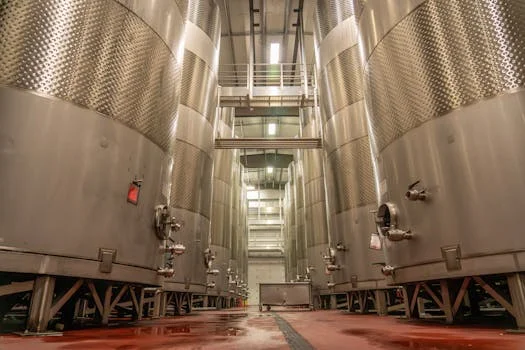
Accurate sizing and specification of package WWTPs are critical to ensure both operational efficiency and consistent compliance with Minas Gerais’ stringent environmental regulations. Engineers and facility managers must consider local influent characteristics and specific effluent limits when designing these systems.
Minas Gerais’ influent quality benchmarks for typical domestic and light industrial wastewater generally fall within the range of BOD₅ 200–400 mg/L, COD 400–800 mg/L, and TSS 200–350 mg/L (per 2024 Minas Gerais Water Agency data). These parameters dictate the biological and physical treatment capacities required. The target effluent standards in Minas Gerais are set at BOD₅ <20 mg/L, COD <50 mg/L, TSS <30 mg/L, and TN <10 mg/L (Minas Gerais Environmental Policy 2023). Meeting these limits consistently requires robust treatment technologies, often necessitating advanced package plant solutions.
Footprint is a significant consideration in Minas Gerais, especially in urban and mountainous areas. MBR systems are the most compact, requiring approximately 0.5 m²/m³/day of treated wastewater capacity. SBR systems typically require about 0.8 m²/m³/day, while A/O systems, which involve separate anoxic and oxic zones, generally need around 1.0 m²/m³/day. These footprint efficiencies offer substantial advantages over conventional activated sludge plants which can require 2-3 times more space. For managing solids and sludge, facilities should also consider dedicated equipment like plate and frame filter presses and high-efficiency sedimentation tanks to optimize overall plant footprint and performance.
Energy consumption is a major operational cost. MBR systems, due to their membrane aeration and filtration needs, typically consume 0.8–1.2 kWh/m³. SBRs are more energy-efficient, using 0.4–0.6 kWh/m³, and A/O systems are generally the least energy-intensive at 0.3–0.5 kWh/m³. With Minas Gerais’ average electricity cost at R$0.75/kWh (2025), these differences translate into substantial long-term OPEX variations. Sludge production rates for package plants typically range from 0.2–0.4 kg TSS/kg BOD₅ removed. Proper sludge management and disposal must adhere to Minas Gerais’ regulations, primarily CONAMA 430/2011, which dictates the treatment and final disposal of sewage sludge.
| Capacity (m³/day) | MBR Footprint (m²) | SBR Footprint (m²) | A/O Footprint (m²) | MBR Energy Use (kWh/day) | SBR Energy Use (kWh/day) | A/O Energy Use (kWh/day) |
|---|---|---|---|---|---|---|
| 50 | 25 | 40 | 50 | 40–60 | 20–30 | 15–25 |
| 100 | 50 | 80 | 100 | 80–120 | 40–60 | 30–50 |
| 200 | 100 | 160 | 200 | 160–240 | 80–120 | 60–100 |
| 500 | 250 | 400 | 500 | 400–600 | 200–300 | 150–250 |
Cost Breakdown for Package WWTPs in Minas Gerais: CAPEX, OPEX, and ROI Calculator
Understanding the full financial implications of investing in a package wastewater treatment plant in Minas Gerais involves a detailed assessment of both capital expenditures (CAPEX) and operational expenditures (OPEX), alongside a clear calculation of the return on investment (ROI). For 2025, CAPEX benchmarks for package WWTPs in Minas Gerais typically range from R$24,000 to R$50,000 per m³/day of capacity, with MBR systems representing the higher end due to membrane technology, and A/O systems being the most economical. These figures include equipment, installation, and initial commissioning but can vary based on automation levels and site-specific civil works.
Operational expenditures are primarily driven by four key components: energy (approximately 40%), chemicals (25%), labor (20%), and maintenance (15%). Energy costs are heavily influenced by the chosen technology, as detailed in the previous section, with MBR systems having higher energy demands. Chemical dosing systems, such as automatic chemical dosing systems, are crucial for managing chemical consumption efficiently, particularly for industrial wastewater or nutrient removal. Labor costs in Minas Gerais for skilled operators typically average R$3,500 per month, emphasizing the value of automated systems that reduce manual oversight. Maintenance costs encompass routine servicing, spare parts, and occasional component replacement.
The ROI for package WWTPs in Minas Gerais is driven by several factors, including regulatory compliance, water reuse potential, and operational efficiencies. These systems often deliver 15–25% savings compared to conventional large-scale systems due to their smaller footprint, faster deployment, and inherent automation. Reduced environmental fines for non-compliance represent a significant avoidance cost. the $120 million Minas Gerais sanitation fund (Top 3) offers potential subsidies and financing options for municipal projects, further enhancing ROI. A notable case study is a 200 m³/day MBR plant implemented in Contagem in 2024, which achieved a 3.2-year payback period primarily through reduced fines and the economic benefits of water reuse (per local engineering report). This demonstrates the tangible financial advantages of investing in advanced package WWTP solutions.
| Capacity (m³/day) | Estimated CAPEX (R$ M) - A/O | Estimated CAPEX (R$ M) - SBR | Estimated CAPEX (R$ M) - MBR | Estimated Annual OPEX (R$ K) |
|---|---|---|---|---|
| 50 | 1.2–1.5 | 1.5–2.0 | 2.0–2.5 | 150–250 |
| 100 | 2.0–2.5 | 2.5–3.0 | 3.0–3.8 | 250–400 |
| 200 | 3.5–4.2 | 4.2–5.0 | 5.0–6.0 | 400–700 |
| 500 | 8.0–9.5 | 9.5–11.5 | 11.5–14.0 | 1,000–1,800 |
Supplier Selection Checklist for Minas Gerais Package WWTPs: 10 Critical Questions to Ask
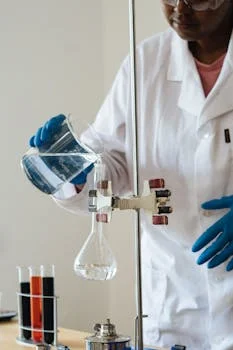
Choosing the right supplier for a package wastewater treatment plant in Minas Gerais is as critical as selecting the technology itself, impacting long-term performance, compliance, and operational costs. A structured evaluation framework helps buyers navigate the complexities of procurement and mitigate risks specific to the region's regulatory and logistical environment.
- Compliance Documentation: Does the supplier provide a Minas Gerais-specific compliance report, including necessary certifications and approvals (e.g., from CETESB or IGAM)? Ensure they understand and can prove adherence to local environmental policies.
- Local Support & Service Network: Are spare parts readily available, and can certified technicians reach your site within 24 hours in Minas Gerais? The 2023 WWTP failure in Uberaba due to delayed parts underscores the importance of robust local support.
- Climate Resilience & Design: How is the system designed to handle Minas Gerais’ typical temperature swings (5–35°C) and the significant flow variations (20–30% above dry season) experienced during the rainy season?
- Automation & Remote Monitoring: Does the system include advanced automation with remote monitoring capabilities, particularly crucial for Minas Gerais’ remote industrial and mining sites? Inquire about IoT integration for predictive maintenance and operational insights.
- Warranty & Performance Guarantees: What is the standard warranty period (e.g., 1-year equipment warranty) and are extended 3–5 year options available, especially critical for municipal projects requiring long-term reliability?
- Proven Track Record in Brazil: Can the supplier provide references for successfully operating package WWTPs in similar climatic and regulatory conditions within Brazil, ideally Minas Gerais?
- Installation & Commissioning Support: What level of supervision and technical assistance is provided during installation and commissioning to ensure optimal system startup?
- Operator Training: Is comprehensive training for local operating staff included, covering routine operations, troubleshooting, and basic maintenance?
- Chemical & Consumable Supply Chain: Can the supplier assist with establishing a reliable local supply chain for necessary chemicals and consumables?
- Customization Capability: Can the package plant be customized for specific influent characteristics (e.g., high metals content from mining activities) or unique site constraints? For example, WSZ series underground package plants are ideal for Minas Gerais’ urban and industrial projects with limited surface area.
Frequently Asked Questions
Here are answers to common questions about package wastewater treatment plants in Minas Gerais:
Q: What is the typical lead time for a package WWTP in Minas Gerais?
A: The typical lead time for standard package WWTPs (50–200 m³/day) in Minas Gerais is 12–16 weeks from order to delivery. Custom-designed systems, such as MBRs configured for water reuse, may require 20–24 weeks. It is important to factor in potential logistical delays at Brazilian ports like Santos, which can add an additional 4–6 weeks to the overall timeline.
Q: Can package WWTPs handle Minas Gerais’ high-altitude mining wastewater?
A: Yes, package WWTPs can be adapted for Minas Gerais’ high-altitude mining wastewater, but they often require specialized pre-treatment steps. This includes pH adjustment for influent with pH <5 and metals precipitation for TSS >1,000 mg/L, to protect downstream biological processes. A 2024 case study in Itabira demonstrated successful treatment of mining effluent using a tailored package plant solution.
Q: Are there financing options for package WWTPs in Minas Gerais?
A: Yes, several financing options are available. The $120 million Minas Gerais sanitation fund (Top 3) provides loans for municipal projects, typically with 5–7 year terms and interest rates ranging from 4–6%. Industrial projects may qualify for green financing lines from the Brazilian Development Bank (BNDES) or other private financial institutions focused on sustainable infrastructure. It's also worth investigating specialized WWTP solutions for Minas Gerais’ healthcare sector which may have specific funding opportunities.
Q: What are the maintenance requirements for a package WWTP in Minas Gerais?
A: Maintenance requirements vary by technology. Weekly tasks typically include membrane cleaning (for MBRs) and sludge wasting (for SBR and A/O systems). Monthly checks involve pump calibration and sensor verification. Annually, components like membranes (MBR) or diffusers (SBR/A/O) may require replacement, depending on operational conditions and manufacturer recommendations.
Q: How do package WWTPs compare to septic tanks in Minas Gerais?
A: Package WWTPs offer significantly higher treatment performance than septic tanks. Package plants achieve 90–98% BOD₅ removal, consistently meeting Minas Gerais’ strict discharge standards. In contrast, septic tanks typically achieve only 30–50% BOD₅ removal, failing to meet regulatory requirements for direct discharge. Per CONAMA 430/2011, septic tanks are generally only viable for very small populations (<50 PE) and often require further treatment before discharge.
Related Equipment
The following HydropureWater products are engineered for the wastewater challenges discussed above:
- WSZ series underground package plants for Minas Gerais’ urban and industrial projects — view specifications, capacity range, and technical data
- MBR systems for Minas Gerais’ strict discharge standards and water reuse applications — view specifications, capacity range, and technical data
Need a customized solution? Request a free quote with your specific flow rate and pollutant parameters.