Hospital Wastewater Treatment in Thessaloniki: 2025 Engineering Guide with Compliance, Costs & Equipment Checklist
Thessaloniki’s hospital wastewater currently lacks dedicated treatment, risking EU Directive 91/271/EEC non-compliance and environmental harm. A 2024 study found pharmaceutical concentrations in Thessaloniki’s municipal WWTP effluent at 50–300 ng/L (per Aristotle University data), exceeding EU proposed limits for carbamazepine and diclofenac. This guide provides engineering specs for hospital-specific WWTPs, cost benchmarks (€120–€350/m³/day for MBR systems), and a compliance checklist to meet Greece’s 2025 discharge standards.
Why Thessaloniki’s Hospitals Need Dedicated Wastewater Treatment in 2025
Thessaloniki’s hospitals face escalating pressure to implement dedicated wastewater treatment systems by 2025, primarily due to stringent EU and national environmental regulations and the unique contaminant profile of medical effluent. The city's municipal wastewater treatment plant (WWTP) currently discharges treated wastewater to the inner Gulf of Thessaloniki, a practice highlighted in a 1993 ScienceDirect study and still relevant per 2024 environmental reports, but this facility is not designed to handle the complex contaminants originating from hospitals. Hospital effluent contains 2–10 times higher pharmaceutical concentrations than typical municipal wastewater, with Aristotle University's 2010 data identifying 11 pharmaceuticals and personal care products (PPCPs) at concentrations ranging from 50–500 ng/L, including potent antibiotics and endocrine disruptors.
EU Directive 91/271/EEC mandates secondary treatment for all agglomerations greater than 2,000 population equivalents (PE) by 2027, and critically, hospitals are often classified as ‘sensitive areas’ requiring tertiary treatment, specifically for nitrogen and phosphorus removal. Failure to comply with these directives can lead to significant penalties from the Greek Ministry of Environment, with fines ranging from €5,000 to €50,000 per violation according to the 2024 penalty schedule. Beyond legal repercussions, the discharge of untreated or inadequately treated hospital wastewater poses severe environmental harm to the Thessaloniki Gulf, impacting marine life and public health. While Aktor Group's 2023 data indicates Thessaloniki’s municipal WWTP has a capacity of 350,000 m³/day, its conventional biological processes are ineffective against hospital-specific contaminants such as cytotoxic drugs, contrast agents, and antibiotic-resistant bacteria, necessitating a targeted approach for hospital facilities.
Thessaloniki’s Hospital Wastewater: Contaminant Profile and Discharge Standards
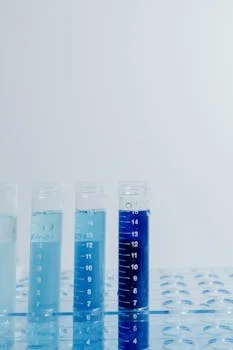
Hospital wastewater in Thessaloniki presents a distinct and challenging contaminant profile that significantly differs from municipal wastewater, necessitating advanced treatment strategies. Typical hospital wastewater influent parameters in Thessaloniki, based on 2024 data from local laboratories, show chemical oxygen demand (COD) ranging from 800–1,500 mg/L, biochemical oxygen demand (BOD) between 300–600 mg/L, and total suspended solids (TSS) at 200–400 mg/L. Ammonia concentrations are often high, falling between 30–80 mg/L. Crucially, the presence of pharmaceuticals like carbamazepine, diclofenac, and ciprofloxacin is consistently detected at 50–500 ng/L, reflecting continuous patient care activities.
These influent characteristics must be treated to meet stringent discharge limits. EU Directive 91/271/EEC, with its 2025 update for sensitive areas, mandates discharge limits of BOD less than 25 mg/L, COD less than 125 mg/L, TSS less than 35 mg/L, total nitrogen (N) less than 15 mg/L, and total phosphorus (P) less than 2 mg/L. Greek national standards, outlined in Joint Ministerial Decision 145116/2011, further propose additional limits for specific pharmaceuticals by 2025, such as carbamazepine below 100 ng/L and diclofenac below 50 ng/L. Beyond these chemical parameters, hospital effluent carries a higher pathogen load, including antibiotic-resistant bacteria, viruses, and parasites, as well as cytotoxic drugs from chemotherapy, and contrast agents from imaging, which are largely absent or present in much lower concentrations in municipal wastewater. This complexity demands a robust and multi-stage treatment approach to ensure compliance and environmental protection.
| Parameter | Typical Hospital Wastewater Influent (Thessaloniki, 2024) | Typical Municipal Wastewater Influent (Thessaloniki, 2024) | EU Directive 91/271/EEC Discharge Limit (Sensitive Areas, 2025) | Greek National Standards (Proposed 2025) |
|---|---|---|---|---|
| COD | 800–1,500 mg/L | 250–500 mg/L | <125 mg/L | <125 mg/L |
| BOD | 300–600 mg/L | 150–250 mg/L | <25 mg/L | <25 mg/L |
| TSS | 200–400 mg/L | 100–200 mg/L | <35 mg/L | <35 mg/L |
| Ammonia (NH₃-N) | 30–80 mg/L | 15–30 mg/L | <10-15 mg/L (Total N) | <10-15 mg/L (Total N) |
| Total N | 50–100 mg/L | 20–50 mg/L | <15 mg/L | <15 mg/L |
| Total P | 5–15 mg/L | 3–8 mg/L | <2 mg/L | <2 mg/L |
| Carbamazepine | 50–500 ng/L | 10–50 ng/L | Not explicitly defined (EU proposed) | <100 ng/L (proposed) |
| Diclofenac | 50–500 ng/L | 5–30 ng/L | Not explicitly defined (EU proposed) | <50 ng/L (proposed) |
| Pathogens | High load (antibiotic-resistant bacteria, viruses) | Moderate load | Not explicitly defined (disinfection implied) | Not explicitly defined |
Treatment Technologies for Hospital Wastewater in Thessaloniki: MBR vs. AOPs vs. Conventional Systems
Selecting the optimal wastewater treatment technology for hospitals in Thessaloniki requires a careful evaluation of removal efficiency, footprint, capital expenditure (CAPEX), operational expenditure (OPEX), and compliance with EU and Greek standards. Conventional Activated Sludge (CAS) systems offer a lower initial CAPEX, typically ranging from €80–€150/m³/day of treatment capacity. However, CAS systems exhibit poor pharmaceutical removal efficiencies, generally between 30–60%, and require a large physical footprint, which is often a constraint for urban hospitals. They also generate significant amounts of sludge, leading to ongoing handling and disposal challenges. For facilities exploring CAS, it's important to understand the limitations compared to more advanced options, as detailed in our MBR vs. Conventional Activated Sludge engineering comparison.
Membrane Bioreactors (MBR) represent a significant upgrade, offering high removal efficiencies of over 95% for COD/BOD and 99% for pathogens. MBR systems are notably compact, making them ideal for space-constrained hospital sites in Thessaloniki. The CAPEX for MBR systems, such as MBR systems for hospital wastewater treatment in Thessaloniki, typically falls between €200–€350/m³/day. While highly effective, MBR systems can be energy-intensive and carry risks of membrane fouling, requiring careful maintenance and operational expertise. Advanced Oxidation Processes (AOPs) such as Photo-Fenton are particularly effective for pharmaceutical removal, achieving over 90% degradation, and offer a modular design with no secondary sludge production. However, AOPs typically incur higher OPEX, estimated at €0.5–€1.2/m³, due to chemical consumption and energy demands for UV lamps or ozone generation.
For hospitals aiming for the highest compliance and environmental protection, hybrid systems combining MBR with AOPs offer a powerful solution. A case study from the Greece-Albania PhaRem project (2023) demonstrated impressive results, achieving 98% carbamazepine removal and 99.9% pathogen kill with a CAPEX of approximately €280/m³/day for such an integrated system. These hybrid approaches are increasingly considered the benchmark for choosing the right hospital effluent treatment plant in regions with strict discharge limits.
| Technology | Removal Efficiency (COD/BOD/Pathogens) | Pharmaceutical Removal Efficiency | Footprint | CAPEX (€/m³/day) | OPEX (€/m³) | Compliance with EU Directive 91/271/EEC (Sensitive Areas) |
|---|---|---|---|---|---|---|
| Conventional Activated Sludge (CAS) | 70-90% / 70-90% / 60-80% | 30-60% | Large | 80–150 | 0.2–0.4 | Requires tertiary add-ons for N/P and pharmaceuticals |
| Membrane Bioreactor (MBR) | 95%+ / 95%+ / 99%+ | 70-90% (some pharmaceuticals) | Compact | 200–350 | 0.3–0.6 | High compliance for N/P, good for some pharmaceuticals |
| Advanced Oxidation Processes (AOPs) | N/A (tertiary only) | 90%+ (for recalcitrant compounds) | Modular | 150–250 (as add-on) | 0.5–1.2 | Excellent for pharmaceutical compliance, used as post-treatment |
| Hybrid (MBR + AOP) | 98%+ / 98%+ / 99.9%+ | 98%+ | Medium-Compact | 280–450 | 0.6–1.5 | Excellent, comprehensive compliance for all parameters |
Engineering Specs for Hospital WWTPs in Thessaloniki: 2025 Compliance Checklist
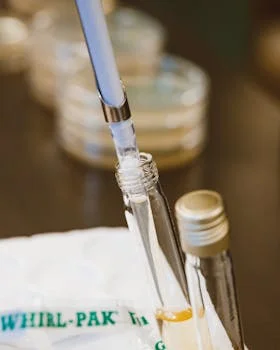
Achieving 2025 compliance for hospital wastewater treatment in Thessaloniki requires adherence to specific engineering specifications and a multi-stage approach. The initial stage involves robust pre-treatment to protect downstream processes. This typically includes rotary mechanical bar screens (e.g., HydropureWater GX Series) designed for efficient solids removal, aiming to reduce total suspended solids (TSS) to below 50 mg/L post-screening. Following this, primary treatment often employs DAF systems for hospital wastewater pre-treatment (e.g., HydropureWater), which are highly effective at removing fats, oils, grease (FOG), and colloidal matter, achieving up to 90% removal efficiency at flow rates from 4–300 m³/h.
Secondary treatment forms the core of organic load reduction and can be achieved through MBR or Conventional Activated Sludge (CAS) systems, both integrated with nitrogen and phosphorus removal capabilities. For MBR systems, typical capacities range from 10–2,000 m³/day, offering superior effluent quality and a smaller footprint. CAS systems, suitable for larger flows (50–5,000 m³/day), require careful design to meet N/P limits. Minimum design parameters include hydraulic retention time (HRT) of 6-12 hours for biological reactors, sludge retention time (SRT) of 15-30 days for efficient nitrification/denitrification, and a membrane flux of 15-30 LMH (Liters per square meter per hour) for MBR systems.
Tertiary treatment is critical for meeting stringent pharmaceutical and pathogen limits. Advanced Oxidation Processes (AOPs), such as Photo-Fenton, are highly effective for pharmaceutical degradation. Alternatively, Chlorine dioxide disinfection for hospital WWTPs (e.g., HydropureWater ClO₂ generators, with capacities from 50–20,000 g/h) provides broad-spectrum pathogen inactivation without forming harmful disinfection byproducts like trihalomethanes. Finally, sludge handling is an essential component; plate and frame filter presses (e.g., HydropureWater filter presses with 1–500 m² filtration area) are used for dewatering sludge to less than 20% moisture content, significantly reducing disposal volumes and costs. Automation, incorporating PLC-controlled chemical dosing systems for coagulants, flocculants, and pH adjusters, is vital for maintaining consistent effluent quality and ensuring continuous compliance.
Cost Breakdown for Hospital WWTP Upgrades in Thessaloniki: 2025 Budgeting Guide
Budgeting for hospital wastewater treatment plant (WWTP) upgrades in Thessaloniki requires a clear understanding of both capital expenditure (CAPEX) and operational expenditure (OPEX), alongside potential returns on investment (ROI). Based on 2025 Thessaloniki market data, CAPEX ranges significantly by technology. Conventional Activated Sludge (CAS) systems are the most economical upfront, costing €80–€150/m³/day of treatment capacity. Membrane Bioreactor (MBR) systems, while offering superior performance, have a higher CAPEX of €200–€350/m³/day. Advanced Oxidation Processes (AOPs), typically implemented as a modular add-on for tertiary treatment, range from €150–€250/m³/day.
OPEX is a critical long-term consideration and can be broken down into several components. Energy consumption often accounts for the largest share, estimated at €0.1–€0.3/m³ of treated water, particularly for MBR systems due to aeration and membrane pumping. Chemical costs, including coagulants, pH adjusters, and disinfection agents, generally fall between €0.05–€0.2/m³. For MBR systems, membrane replacement costs, factoring in a typical lifespan of 5-10 years, add an estimated €0.08–€0.15/m³. Labor for operation and maintenance typically costs €0.05–€0.1/m³. Overall, OPEX for an MBR-based hospital WWTP in Thessaloniki averages €0.2–€0.6/m³.
Calculating the ROI for a hospital WWTP upgrade involves comparing the CAPEX against annual operational savings and avoided fines. For example, a €500,000 MBR system that helps a hospital avoid €80,000 per year in regulatory fines could have a payback period of approximately 6.25 years (€500,000 / €80,000). significant funding options are available to offset these costs. Public hospitals in Greece can access EU Cohesion Fund grants, which may cover up to 85% of eligible project costs. Additionally, loans from the Greek Recovery and Resilience Facility (RRF) offer favorable terms, often with interest rates around 3%, making these essential investments more financially viable.
| Technology | CAPEX (€/m³/day) | OPEX (€/m³) | Typical Payback Period (years, with avoided fines) |
|---|---|---|---|
| Conventional Activated Sludge (CAS) | 80–150 | 0.2–0.4 | 7-10 |
| Membrane Bioreactor (MBR) | 200–350 | 0.3–0.6 | 5-8 |
| Advanced Oxidation Processes (AOP) (add-on) | 150–250 | 0.5–1.2 | 4-7 |
| Hybrid (MBR + AOP) | 280–450 | 0.6–1.5 | 4-6 |
How to Select a Hospital WWTP Supplier in Thessaloniki: 2025 Decision Framework
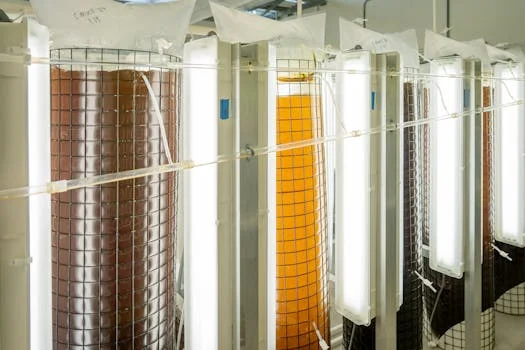
Choosing the right hospital wastewater treatment plant (WWTP) supplier in Thessaloniki is a critical decision that impacts long-term compliance, operational efficiency, and cost-effectiveness. The primary criterion is the supplier's proven compliance expertise. Verify their experience with EU Directive 91/271/EEC and Greek national standards by requesting specific case studies, especially for hospital effluent treatment in Greece. A supplier's ability to demonstrate successful projects meeting these strict regulatory benchmarks is non-negotiable.
Local support is paramount for hospital operations, where uptime is critical. Prioritize suppliers with Thessaloniki-based service teams, ensuring rapid response times for maintenance, troubleshooting, and emergencies. This local presence minimizes downtime and ensures consistent compliance. Evaluate the supplier's technology flexibility, favoring those who offer modular systems that can scale with potential hospital expansion or evolving regulatory requirements, such as hybrid MBR + AOP solutions. Request a comprehensive 10-year Total Cost of Ownership (TCO) analysis from prospective suppliers, which should detail not only CAPEX but also projected OPEX, membrane replacement costs, and other long-term expenses. This provides a realistic financial outlook.
scrutinize warranty and uptime guarantees. A reputable supplier should offer a minimum 95% uptime Service Level Agreement (SLA) and at least a 2-year warranty on critical components like membranes and chemical dosing systems. Be wary of red flags during the evaluation process, such as a lack of local references, vague claims regarding compliance or performance, and systems that rely heavily on manual operation, which inevitably increase labor costs and the risk of human error. A supplier's commitment to automation and verifiable performance data is a strong indicator of reliability.
Frequently Asked Questions
What is hospital wastewater?
Hospital wastewater is effluent from medical facilities containing a complex mix of pathogens, pharmaceuticals, cytotoxic drugs, contrast agents, and high organic loads (COD typically 800–1,500 mg/L). It requires tertiary treatment, often including advanced oxidation and disinfection, to meet stringent EU Directive 91/271/EEC discharge standards and protect public health.
Where does Thessaloniki get its water from?
Thessaloniki’s water supply primarily comes from the Aliakmonas River (approximately 60%) and local groundwater sources (around 40%). However, its municipal wastewater is currently discharged to the inner Gulf of Thessaloniki after treatment, as noted in 2024 environmental reports, highlighting the need for improved treatment for specific industrial and hospital effluents.
What is an STP plant in a hospital?
An STP (Sewage Treatment Plant) in a hospital is a dedicated system for treating medical effluent before discharge. It typically includes several stages: preliminary screening for large solids, primary treatment like dissolved air flotation (DAF) for FOG removal, secondary biological treatment (e.g., MBR or CAS) for organic load and nutrient removal, tertiary treatment for pharmaceuticals (e.g., AOPs), disinfection (e.g., chlorine dioxide), and sludge dewatering.
How much does a hospital WWTP cost in Thessaloniki?
The capital expenditure (CAPEX) for a hospital WWTP in Thessaloniki ranges from €80–€350/m³/day, depending on the technology chosen. Conventional Activated Sludge (CAS) systems are at the lower end (€80–€150), while Membrane Bioreactor (MBR) systems are higher (€200–€350). Operational expenditure (OPEX) averages €0.2–€0.6/m³, covering energy, chemicals, membrane replacement (for MBR), and labor.
What are the penalties for non-compliance with EU Directive 91/271/EEC in Greece?
In Greece, penalties for non-compliance with EU Directive 91/271/EEC are substantial. Fines range from €5,000 to €50,000 per violation, according to the 2024 Greek Ministry of Environment penalty schedule. Repeated offenses can lead to escalating fines, enforcement orders, and potential criminal charges for responsible parties, underscoring the urgency of compliance.