Why Canberra’s Hospital Wastewater Demands Specialized Engineering
Canberra’s hospitals and healthcare facilities are facing increasing scrutiny regarding their wastewater discharge, with stringent requirements from the ACT Environmental Protection Authority (EPA) and Canberra Health Services (CHS). For instance, the ACT EPA mandates strict limits, such as a Biochemical Oxygen Demand (BOD) of less than 10 mg/L and total chlorine below 1 mg/L. Beyond these general parameters, specific units within facilities like Canberra Hospital’s nuclear medicine unit generate unique wastewater streams, such as low-level radioactive waste, requiring dedicated treatment processes that differ significantly from general hospital effluent. These specialized streams necessitate careful management, often involving dedicated flow paths to facilities like the Low-Level Radioactive Waste Control Centre (LLRWCC) for appropriate handling.
The complexity extends to common contaminants found in hospital wastewater. Beyond typical organic matter and suspended solids, these effluents frequently contain pharmaceuticals, including antibiotics and chemotherapy drugs, which can be persistent and harmful to aquatic ecosystems and human health if not adequately removed. Pathogens, such as SARS-CoV-2 and Methicillin-resistant *Staphylococcus aureus* (MRSA), are also a significant concern, demanding robust disinfection strategies. heavy metals, particularly mercury from dental practices, and endocrine disruptors from maternity wards, pose environmental and health risks. For example, the significant volume of plastic water bottles used at Canberra Hospital – estimated at 360,000 per year – contributes to microplastic contamination. These microplastics often bypass conventional treatment systems and require advanced filtration, such as that provided by Membrane Bioreactor (MBR) systems, to achieve effective removal and meet discharge standards.
| Contaminant | Source | Health/Environmental Risks |
|---|---|---|
| Pharmaceuticals (e.g., antibiotics, chemotherapy drugs) | Patient excretion, disposal of unused medications | Antibiotic resistance, ecotoxicity, endocrine disruption, potential carcinogenicity |
| Pathogens (e.g., SARS-CoV-2, MRSA, Hepatitis B) | Bodily fluids, contaminated equipment | Spread of infectious diseases, hospital-acquired infections |
| Heavy Metals (e.g., mercury, silver) | Dental amalgam, laboratory reagents | Neurotoxicity, kidney damage, bioaccumulation in food chains |
| Endocrine Disruptors (e.g., hormones) | Patient excretion (especially from maternity wards) | Disruption of reproductive systems in aquatic life, potential human health impacts |
| Microplastics | Breakdown of plastic items, disposable medical supplies | Ingestion by aquatic organisms, potential bioaccumulation, physical damage to ecosystems |
To address these challenges effectively, a deep understanding of both the regulatory framework and available engineering solutions is crucial for facility managers and environmental engineers in Canberra.
Canberra’s Regulatory Landscape: ACT EPA, CHS, and National Standards for Hospital Wastewater
Navigating the regulatory requirements for hospital wastewater treatment in Canberra involves understanding mandates from the ACT Environmental Protection Authority (EPA) and internal guidelines set by Canberra Health Services (CHS), alongside national benchmarks. The ACT EPA’s Wastewater Management Policy, updated in 2024, sets critical discharge limits for hospital effluents. These typically include stringent parameters such as BOD less than 10 mg/L, Total Suspended Solids (TSS) less than 15 mg/L, total chlorine below 1 mg/L, and *E. coli* counts not exceeding 10 CFU/100mL. While specific limits for pharmaceuticals might be evolving, the general trend globally and within Australia points towards stricter control of these recalcitrant compounds.
Complementing the ACT EPA’s external regulations, the CHS Waste Management Plan (WMP) provides an internal governance structure. This plan outlines responsibilities for waste management across all CHS sites, including wastewater treatment. The D&ES Contract Management Group plays a key role in overseeing compliance and ensuring that wastewater management aligns with the broader waste minimization and environmental protection goals of CHS. For instance, the CHS WMP, last updated in 2021, emphasizes the need for comprehensive waste management strategies that consider the unique nature of healthcare waste.
When comparing ACT’s standards to those of other Australian states, such as New South Wales (NSW) and Victoria, it's notable that the ACT often adopts a proactive stance, particularly concerning emerging contaminants like pharmaceutical residues. While national standards provide a baseline, facilities in Canberra must adhere to the specific, and potentially stricter, requirements stipulated by the ACT EPA. Non-compliance can result in significant penalties; under the ACT EPA 2024 framework, corporations can face fines up to AUD 1.1 million. Beyond financial penalties, reputational damage, as seen in past instances of wastewater violations at major public hospitals, poses a substantial risk. Facilities undergoing ACT EPA audits should be prepared with comprehensive documentation, including discharge monitoring reports, operational logs, maintenance records, and proof of staff training.
| Parameter | ACT EPA Limit (Typical) | CHS WMP Consideration | National Benchmark (e.g., NSW EPA) |
|---|---|---|---|
| BOD | < 10 mg/L | General effluent quality | < 20 mg/L (often) |
| TSS | < 15 mg/L | General effluent quality | < 30 mg/L (often) |
| Total Chlorine | < 1 mg/L | Disinfection byproduct control | < 1-2 mg/L (often) |
| E. coli | < 10 CFU/100mL | Pathogen reduction | < 50-100 CFU/100mL (often) |
| Pharmaceuticals | Emerging focus, specific limits may apply | Risk assessment and mitigation | Varies, increasing focus on specific compounds |
Understanding and meticulously adhering to these layered regulations is paramount for uninterrupted operation and environmental stewardship within Canberra’s healthcare sector.
Engineering Solutions for Canberra Hospitals: Technology Comparison and Decision Framework
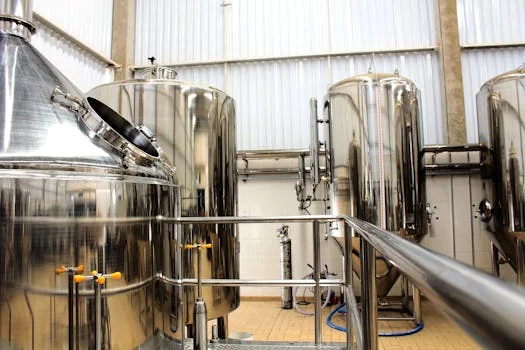
Selecting the appropriate wastewater treatment technology for Canberra hospitals requires careful consideration of specific operational needs, space constraints, and regulatory compliance. Key technologies available include Membrane Bioreactor (MBR) systems, Dissolved Air Flotation (DAF) units, chlorine dioxide generators, and integrated package systems. MBRs are highly effective for hospital wastewater, offering superior pathogen removal (up to 99%) and producing a high-quality effluent suitable for reuse, though they require more maintenance and have a higher capital cost. DAF systems, while less effective at pathogen removal (typically around 92% for TSS), are more energy-efficient and can be a cost-effective primary treatment step. Chlorine dioxide generators provide robust disinfection (99.9% efficacy) and are particularly useful for inactivating a broad spectrum of pathogens and degrading certain pharmaceuticals, but they require careful chemical handling and monitoring.
When evaluating these technologies for Canberra’s unique context, several factors come into play. Space constraints are often critical, especially for urban hospitals, making compact solutions like MBR membrane bioreactor systems or underground integrated package systems highly desirable. Energy costs are also a significant consideration, given Canberra’s relatively high industrial electricity rates (approximately AUD 0.25/kWh). This makes low-energy systems like DAF attractive, or necessitates energy-efficient designs for other technologies. Noise restrictions around patient wards may preclude aeration-heavy biological treatment systems unless noise mitigation measures are implemented. the specific influent characteristics, such as the presence of radioactive isotopes or high concentrations of pharmaceuticals, will dictate the most effective treatment train.
| Parameter | MBR (Membrane Bioreactor) | DAF (Dissolved Air Flotation) | Chlorine Dioxide Generator | Integrated Package Systems |
|---|---|---|---|---|
| Primary Influent Quality | Moderate to high organic load, pathogens | High TSS, oils, greases | Pre-treated effluent | Varies by design (often general hospital wastewater) |
| Footprint | Compact | Moderate | Compact (for generator unit) | Compact to moderate |
| Energy Use | Moderate to high (aeration, pumping) | Low to moderate | Low (for generator) | Varies by design |
| O&M Costs | Moderate to high (membrane cleaning, replacement) | Low to moderate (chemical, air scour) | Low to moderate (chemical supply, maintenance) | Varies by design |
| Pathogen Removal | Up to 99% | Low (relies on downstream treatment) | Up to 99.9% (disinfection) | Varies by design (often requires secondary treatment) |
| Pharmaceutical Removal | Moderate (biological degradation) | Low | Moderate (oxidation) | Varies by design |
| Compliance with ACT EPA Limits (BOD, TSS, Pathogens) | High | Moderate (primarily TSS) | High (disinfection) | Varies by design |
A decision framework can guide technology selection: First, identify if radioactive wastewater is generated. If yes, dedicated treatment to LLRWCC is paramount. For non-radioactive streams, consider primary treatment needs: if high TSS/oils are present, DAF is a strong candidate. For high pathogen loads and a need for high effluent quality, MBR membrane bioreactor systems are ideal. For targeted disinfection and pharmaceutical degradation, chlorine dioxide generators are effective, often used in conjunction with other technologies. Integrated package systems can offer a comprehensive solution for smaller facilities or specific needs. For instance, a facility requiring high pathogen removal and a small footprint might opt for a /product/2-mbr-integrated-wastewater-treatment.html, while a clinic with space constraints might consider a compact /product/12-medical-wastewater-treatment.html. For disinfection, a /product/11-chlorine-dioxide-generator.html can be integrated.
Cost Breakdown for Hospital Wastewater Treatment in Canberra: 2025 Benchmarks
Capital expenditure for hospital wastewater treatment systems in Canberra can vary significantly based on capacity, technology, and site-specific requirements. For a typical 10 m³/h MBR system, equipment costs can range from AUD 150,000 to AUD 300,000. A DAF system of comparable capacity might cost between AUD 80,000 and AUD 150,000. Installation costs in Canberra can add substantially, particularly for underground systems, which may face complex soil conditions and require extensive excavation, potentially adding AUD 50,000 to AUD 100,000. Permit fees for ACT EPA approval can range from AUD 5,000 to AUD 20,000, depending on the complexity of the proposed system and discharge application.
Operating and maintenance (O&M) costs are crucial for long-term budgeting. For MBR systems, O&M benchmarks in Canberra are typically between AUD 0.80 and AUD 1.50 per cubic meter of treated wastewater, accounting for membrane cleaning, energy consumption, and labour. DAF systems generally have lower O&M costs, ranging from AUD 0.50 to AUD 1.00 per cubic meter. Energy costs are a significant component; with Canberra's average industrial electricity rate at approximately AUD 0.25/kWh, energy-efficient designs are highly advantageous. Chemical costs, such as for chlorine dioxide generation (approximately AUD 5–8/kg), also contribute. Certified wastewater operators in Canberra command labor rates between AUD 80–120 per hour. Annual maintenance contracts, often including remote monitoring and preventative servicing, can range from AUD 10,000 to AUD 30,000 per year, depending on the system's complexity and vendor support.
| Cost Component | Typical Range (AUD) | Notes |
|---|---|---|
| Capital Cost (MBR, 10 m³/h) | 150,000 - 300,000 | Equipment only |
| Capital Cost (DAF, 10 m³/h) | 80,000 - 150,000 | Equipment only |
| Installation (Underground Systems) | 50,000 - 100,000 | Site-specific, soil conditions |
| ACT EPA Permit Fees | 5,000 - 20,000 | Application complexity |
| O&M Cost (MBR) | 0.80 - 1.50 / m³ | Includes energy, chemicals, labour, maintenance |
| O&M Cost (DAF) | 0.50 - 1.00 / m³ | Includes energy, chemicals, labour, maintenance |
| Energy Cost (Industrial Rate) | ~0.25 / kWh | Variable based on usage |
| Chemical Cost (ClO₂) | 5 - 8 / kg | Dependent on usage and supplier |
| Certified Operator Labour | 80 - 120 / hour | Specialized skills |
| Annual Maintenance Contract | 10,000 - 30,000 | Remote monitoring, preventative service |
A return on investment (ROI) calculation for a 50-bed clinic might involve a system costing AUD 250,000 with annual O&M of AUD 20,000. If this system prevents fines and enables water reuse, a payback period of approximately 5 years could be achievable, demonstrating the long-term financial benefits of compliant and efficient wastewater treatment. For example, a simple ROI template could use: Total System Cost / (Annual Savings from Avoided Fines + Value of Water Reuse - Annual O&M Costs).
Compliance Checklist for Canberra Hospital Wastewater Treatment in 2025

Ensuring comprehensive compliance for hospital wastewater in Canberra requires a systematic approach to treatment and monitoring. Pre-treatment is a critical first step, often involving screening to remove gross solids using equipment like a /product/13-rotary-mechanical-bar-screen-gx.html, followed by equalization tanks to buffer flow and concentration variations from peak usage periods (e.g., from operating theatres). pH adjustment is also mandated by the ACT EPA, typically requiring effluent to be maintained between 6.5 and 8.5. Primary treatment, which might involve DAF or sedimentation, aims to reduce Total Suspended Solids (TSS) to below 50 mg/L before secondary treatment.
Secondary treatment typically employs biological processes to reduce organic load (BOD) and remove pathogens. For high-risk wastewater, MBR membrane bioreactor systems are highly effective, achieving significant pathogen reduction. Alternatively, chemical disinfection using technologies like /product/11-chlorine-dioxide-generator.html can be employed to inactivate pathogens and degrade certain pharmaceuticals. Tertiary treatment provides an additional layer of purification. This can include advanced filtration, such as multi-media filters (e.g., /product/7-multi-media-filter-ultrapure-water.html) to remove microplastics and finer suspended solids, followed by a final disinfection step, potentially using UV or ozone, to eliminate any chlorine-resistant pathogens. Consistent monitoring and reporting are non-negotiable. Required parameters typically include BOD, TSS, *E. coli*, total chlorine, and, increasingly, specific pharmaceutical compounds. For CHS facilities, sampling frequency is often weekly. Meticulous documentation, including operational logs, maintenance records, and discharge monitoring reports, is essential for ACT EPA audits. A sample monitoring log template should track date, time, parameters tested, results, and operator initials.
| Stage | Key Treatment Steps | ACT EPA Target / Consideration | Monitoring Requirement |
|---|---|---|---|
| Pre-treatment | Screening (e.g., rotary bar screen) | Removal of gross solids | Visual inspection, maintenance logs |
| Pre-treatment | Equalization | Flow & concentration buffering | Flow rate monitoring |
| Pre-treatment | pH Adjustment | 6.5 - 8.5 | Continuous pH monitoring, daily logs |
| Primary Treatment | DAF or Sedimentation | TSS < 50 mg/L (pre-secondary) | Weekly TSS testing |
| Secondary Treatment | Biological (e.g., MBR) or Chemical Disinfection (e.g., ClO₂) | BOD reduction, pathogen inactivation | Weekly BOD, E. coli testing |
| Tertiary Treatment | Filtration (e.g., multi-media) | Microplastic & fine solids removal | Pressure differential monitoring, backwash logs |
| Tertiary Treatment | Final Disinfection (e.g., UV, Ozone) | Residual pathogen inactivation | Weekly E. coli testing (post-disinfection) |
| Monitoring & Reporting | Comprehensive Analysis | BOD, TSS, E. coli, Chlorine, Pharmaceuticals | Weekly sampling & lab analysis; Monthly reporting to ACT EPA |
| Documentation | Logs, Maintenance Records, Audits | Proof of compliance & operational integrity | Retained for a minimum of 5 years |
Frequently Asked Questions
What are the primary regulatory bodies overseeing hospital wastewater in Canberra?
The ACT Environmental Protection Authority (EPA) sets external discharge limits, while Canberra Health Services (CHS) manages internal waste management plans and operational standards.
What are the typical discharge limits for BOD and TSS in Canberra?
ACT EPA typically mandates BOD below 10 mg/L and TSS below 15 mg/L for hospital wastewater effluent.
Are pharmaceuticals a significant concern in hospital wastewater?
Yes, pharmaceuticals are a growing concern due to their persistence and potential ecotoxicity, requiring advanced treatment technologies for effective removal.
Which treatment technology is best for pathogen removal in hospital wastewater?
Membrane Bioreactor (MBR) systems offer high pathogen removal (up to 99%), while chlorine dioxide generators provide effective disinfection (up to 99.9%).
What are the estimated capital costs for a hospital wastewater treatment system in Canberra?
Capital costs can range from AUD 150,000 for smaller integrated systems to over AUD 2.5 million for large-scale facilities like Canberra Hospital.
How do MBR systems compare to DAF systems for healthcare wastewater?
MBRs excel in pathogen and contaminant removal but are more complex and costly; DAF is more suited for TSS and oil removal and is generally more energy-efficient.
What is the typical O&M cost per cubic meter for hospital wastewater treatment?
O&M costs generally range from AUD 0.80 to AUD 1.50 per cubic meter for MBR systems and AUD 0.50 to AUD 1.00 per cubic meter for DAF systems.
Does Canberra Health Services have specific waste management plans?
Yes, CHS has a comprehensive Waste Management Plan (WMP), last updated in 2021, outlining governance and responsibilities for waste, including wastewater.
Further Reading
Explore these in-depth articles on related wastewater treatment topics: