Why Peru’s Sewage Treatment Market is Unique in 2025
Peru’s sewage treatment regulations are governed by the Ministry of Environment (MINAM), with current compliance benchmarks defined by DS 015-2015-MINAM, which mandates strict discharge limits for domestic and industrial effluents: TSS < 50 mg/L, BOD < 30 mg/L, and COD < 125 mg/L. According to the Peru National Water Authority (2023), the wastewater landscape is highly specialized, with 42% of the country’s wastewater volume generated by mining operations (heavy metals concentration), 28% from the textile sector (high color and dye loads), and 30% from municipal sources (high organic loads). This sector-specific distribution requires equipment that can handle diverse chemical profiles beyond simple biological treatment.
The financial risk of non-compliance has escalated significantly. In 2024, an Arequipa-based textile factory was fined $250,000 for repeated violations of color discharge limits (exceeding 50 Pt-Co units) and pH imbalances. Such penalties, combined with Peru’s growing water scarcity, have shifted the market focus toward reuse. In water-stressed regions like Lima, Arequipa, and Cusco, MINAM’s 2025 reuse targets mandate that 30% of treated effluent must be repurposed for industrial processes or irrigation. This regulatory pressure makes choosing between aerobic and anaerobic systems for Peru’s industrial projects a critical decision for operational longevity.
| Parameter | MINAM Limit (DS 015-2015) | Typical Mining Influent | Typical Textile Influent |
|---|---|---|---|
| BOD₅ (mg/L) | < 30 | 10 – 50 | 200 – 600 |
| TSS (mg/L) | < 50 | 500 – 2,000 | 100 – 400 |
| COD (mg/L) | < 125 | 50 – 150 | 500 – 1,500 |
| Color (Pt-Co) | < 50 | N/A | 200 – 800 |
| Arsenic (mg/L) | < 0.1 | 0.5 – 5.0 | < 0.05 |
Peru’s Top 8 Sewage Treatment Equipment Suppliers: Technical Comparison
The Peruvian market for sewage treatment equipment is categorized by a mix of local engineering firms and international manufacturers providing specialized hardware. Procurement managers must evaluate these suppliers based on their ability to meet the specific effluent profiles of the Peruvian highlands versus coastal regions. For instance, WSZ underground sewage treatment systems for Peru’s space-constrained projects are increasingly favored by rural municipalities and small-scale factories due to their low visual impact and small footprint.
| Supplier | Primary Tech | BOD Removal | CAPEX ($/m³) | OPEX ($/m³) | Sector Focus |
|---|---|---|---|---|---|
| AquaTec Peru S.A.C. | DAF, Filtration | 85-90% | $150–$250 | $0.25 | Food & Beverage |
| EcoPro Solutions Peru | MBR, MBBR | 95-98% | $300–$450 | $0.40 | Hospitals / Urban |
| HydropureWater | WSZ, MBR, DAF | 95-98% | $120–$350 | $0.20 | Municipal / Textile |
| KSB | Pumping, Aeration | N/A | System Dependent | $0.15 | Municipal Infrastructure |
| Vikas Pump | Pumps, Clarifiers | 80-85% | $100–$180 | $0.30 | General Industrial |
| HidroTech | Chemical Dosing | 70-80% | $80–$140 | $0.55 | Mining Pre-treatment |
| Sustenta | Nature-based | 85% | $90–$160 | $0.10 | Rural / Agriculture |
| Andes Engineering | Reverse Osmosis | 99% | $500–$800 | $0.80 | Mining Reuse |
HydropureWater offers WSZ systems with 95% BOD removal at approximately $120/m³, making them a cost-effective solution for Peruvian municipalities that require decentralized treatment without the high infrastructure costs of traditional activated sludge plants. When evaluating these suppliers, engineers should cross-reference performance data with how Peru’s sewage treatment challenges compare to other emerging markets to ensure equipment durability in varied climates.
5 Sewage Treatment Technologies for Peru: Engineering Specs & Costs
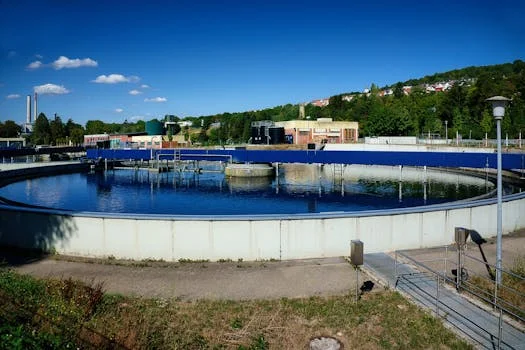
Selecting the appropriate technology for a Peruvian project requires balancing the high altitude of the Andes with the high salinity of coastal regions. Altitude significantly affects oxygen transfer efficiency; for a project in Cusco (3,400m), aeration systems must be upsized by 30-40% to achieve the same BOD removal as a sea-level plant in Lima. MBR systems for Peru’s high-compliance projects (mining, hospitals) provide the highest effluent quality but require more sophisticated maintenance and higher energy inputs.
| Technology | Footprint (m²/m³/d) | Energy (kWh/m³) | Sludge Yield (kg/m³) | CAPEX ($/m³) |
|---|---|---|---|---|
| WSZ (Underground) | 0.5 – 0.8 | 0.2 – 0.4 | 0.3 | $80 – $150 |
| MBR (Membrane) | 0.2 – 0.4 | 0.6 – 1.2 | 0.1 | $250 – $450 |
| DAF (Flotation) | 0.3 – 0.5 | 0.4 – 0.7 | 0.5 (wet) | $120 – $220 |
| Lamella Clarifier | 0.4 – 0.6 | 0.05 – 0.1 | 0.4 | $70 – $130 |
| Chemical Dosing | 0.1 – 0.2 | 0.1 – 0.2 | 0.6 | $40 – $90 |
For textile manufacturers, DAF systems for Peru’s textile and mining wastewater treatment are essential for removing suspended solids and fats before biological stages. In mining applications, high-density sludge (HDS) processes combined with lamella clarifiers are standard for heavy metal removal. Coastal projects must account for corrosion, requiring 316L stainless steel or FRP (Fiber Reinforced Plastic) components to withstand the saline air and high-sulfate influent often found in fishmeal processing or coastal mining runoff.
Compliance Checklist: Meeting Peru’s MINAM Standards for Sewage Discharge
Achieving compliance with DS 015-2015-MINAM requires a multi-stage approach to treatment, particularly as monitoring frequency has increased under 2024 updates. Engineers must ensure that systems are not only capable of meeting average limits but also handling peak loads without discharging "slugs" of untreated waste. For projects requiring high-level disinfection, on-site chlorine dioxide generators for Peru’s disinfection compliance offer a safer and more effective alternative to traditional liquid chlorine, especially for municipal and hospital applications.
- Primary Limits: TSS < 50 mg/L, BOD < 30 mg/L, COD < 125 mg/L, and pH between 6.0 and 9.0.
- Mining Specifics: Adherence to DS 011-2019-MINAM for tailings and mine drainage, which adds strict limits for Arsenic (< 0.1 mg/L), Lead (< 0.05 mg/L), and Cyanide (< 0.1 mg/L).
- Textile Specifics: Color removal is mandatory; effluent must be < 50 Pt-Co units. This often requires advanced oxidation or specialized DAF flocculants.
- Disinfection: Residual chlorine must be maintained below 1 mg/L for municipal discharge to avoid toxicity in receiving water bodies.
- Testing Protocols: Monthly sampling for standard parameters (TSS/BOD) and quarterly sampling for heavy metals and toxicity, as per the 2024 MINAM testing schedule.
A common pitfall in Peru is the underestimation of sludge management. With Peru’s 2025 landfill bans on organic waste, plants must now include stabilization and dewatering stages to reduce volume and meet disposal regulations. Comparing these requirements to Peru’s hospital wastewater treatment requirements and solutions shows a clear trend toward integrated, "all-in-one" package plants that handle everything from screening to sludge thickening in a single footprint.
Peru Sewage Treatment Costs: CAPEX, OPEX, and ROI Calculator
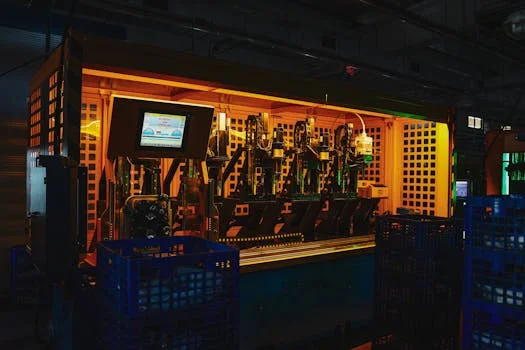
Cost estimation for sewage treatment in Peru must account for high import duties on specialized membranes and the localized cost of chemicals like lime and ferric chloride. Based on 2024 project data, CAPEX for a standard 50 m³/h municipal plant averages $120,000 for a WSZ system, while an MBR system of the same capacity can exceed $350,000. However, the higher CAPEX of MBR is often justified by the ability to reuse water, which is priced at approximately $1.50/m³ in industrial zones like Callao.
| Cost Component | Percentage of OPEX | Peru-Specific Unit Cost |
|---|---|---|
| Energy Consumption | 40% | $0.12 per kWh |
| Chemical Reagents | 25% | Lime: $0.30/kg; Coagulants: $0.85/kg |
| Labor & Oversight | 15% | $800 - $1,200 / operator / month |
| Maintenance & Spares | 20% | 2-4% of CAPEX annually |
To calculate the Return on Investment (ROI) for a sewage treatment project in Peru, procurement managers use the following engineering formula: Payback Period (Years) = CAPEX / (Annual Fines Avoided + Water Reuse Savings - Annual OPEX). For example, a textile plant in Lima processing 50 m³/h that reuses 40% of its effluent for cooling towers saves $105,000 in water procurement and avoids approximately $80,000 in potential MINAM fines annually. With an OPEX of $45,000, a $300,000 system achieves ROI in roughly 2.1 years.
How to Shortlist a Sewage Treatment Supplier in Peru: 7 Decision Criteria
Selecting a supplier goes beyond the initial bid price. In Peru’s challenging geography, the ability to provide on-site technical support in remote mining regions or dense urban centers is paramount. Procurement managers should use the following criteria to evaluate potential partners:
- Compliance Track Record: Request at least three MINAM-approved project references from the last 24 months.
- Local Service Presence: Ensure the supplier has technicians based in Lima, Arequipa, or Cusco with a guaranteed response time of < 24 hours.
- Customization Capability: Can the equipment handle specific contaminants like arsenic in mining or reactive dyes in textiles?
- Energy Efficiency: Prioritize systems equipped with Variable Frequency Drives (VFDs) and high-efficiency diffusers to combat high utility rates.
- Sludge Management: Suppliers should offer integrated solutions, such as a plate and frame filter press, to minimize disposal costs which range from $50–$150/ton in Peru.
- Financing Options: Look for vendors offering leasing or deferred payment plans to manage CAPEX constraints.
- Warranty Terms: Standard warranties should cover 2 years for mechanical parts and 10 years for structural tanks, in accordance with Peru’s 2024 consumer protection laws.
Frequently Asked Questions
Q: What’s the cheapest sewage treatment system for a small textile factory in Peru?
A: WSZ underground systems ($120/m³) offer the lowest CAPEX for factories with flow rates under 50 m³/h and limited surface area. For complete compliance with color removal standards, an ozone generator or specialized DAF unit (approx. $20,000) should be added to the treatment train.
Q: How do I comply with Peru’s mining wastewater standards for arsenic?
A: A two-stage treatment is required: first, chemical precipitation using ferric chloride to remove 90% of the arsenic load, followed by MBR or DAF for polishing to meet the DS 011-2019-MINAM limit of < 0.1 mg/L. Expect a CAPEX of $300–$400/m³ for this configuration.
Q: What’s the expected lifespan of a sewage treatment plant in Peru?
A: Structural components like concrete or heavy-duty carbon steel tanks last 25+ years. Mechanical components such as pumps and blowers typically last 7–10 years, while MBR membranes require replacement every 5–7 years depending on the cleaning regimen, at a cost of roughly $50/m².
Q: Can I reuse treated sewage water for industrial processes in Peru?
A: Yes. Under MINAM’s 2025 targets, 30% reuse is encouraged for non-potable uses like dust suppression, cooling towers, and irrigation. MBR systems are the preferred technology for reuse as they produce high-clarity effluent with TSS < 1 mg/L.
Q: What permits are required to install a sewage treatment plant in Peru?
A: You must obtain an Environmental Impact Assessment (EIA) from MINAM, a discharge permit from the National Water Authority (ANA), and a municipal construction permit. The total processing time for these permits generally ranges from 6 to 12 months.