Why Chicago Facilities Need Reliable Sewage Treatment Equipment in 2025
Chicago's industrial and municipal facilities face escalating pressure to meet stringent environmental regulations, with Illinois EPA 2025 discharge limits mandating TSS below 30 mg/L, BOD below 25 mg/L, and ammonia below 1.5 mg/L. The city's robust industrial base, particularly in food processing (38% of local demand), metalworking (22%), and chemical manufacturing (15%), generates complex wastewater streams that challenge outdated treatment systems. Facilities struggling with non-compliant effluent often incur significant fines and face operational disruptions. For instance, a Chicago-based meat processing plant reported a 40% reduction in chemical treatment costs after transitioning from caustic soda to a more efficient alternative like AMALGAM-60, demonstrating the tangible financial benefits of optimized wastewater management. This guide provides critical insights into selecting the most effective and cost-efficient sewage treatment equipment for Chicago's unique operational landscape.
Top 5 Sewage Treatment Equipment Suppliers in Chicago: 2025 Comparison Matrix
Selecting the right sewage treatment equipment supplier in Chicago requires a thorough evaluation of technical capabilities, service offerings, and compliance support. The following matrix compares key players, highlighting their strengths and typical offerings to aid in your decision-making process.
| Supplier | Equipment Types | Flow Rate Range | Lead Time | Compliance Certifications | Service Model | Notable Clients |
|---|---|---|---|---|---|---|
| Essential Water Technologies, LLC | Package Plants, Chemical Dosing Systems | Varies (focus on chemical supply) | 2-3 days (local inventory) | ISO 9001 (implied for suppliers) | Purchase, Rental, Leasing | Industrial facilities, Municipalities |
| IER Wastewater Treatment Solutions | Chemical Alternatives, Dosing Systems | Varies (focus on chemical supply) | Varies | None explicitly stated | Chemical Supply | Food & beverage, Meat & dairy processing, Microelectronics |
| Meredith's Culligan | Water Softening, Filtration Systems | Varies | Varies | NSF/ANSI 41 (for drinking water systems, indirectly relevant) | Purchase, Service Agreements | Car washes, Industrial facilities |
| Pargreen Process Technologies | Industrial Systems, Filtration, Pumps | Varies | Varies | None explicitly stated | Supply, Installation | Industrial plants |
| HydropureWater | DAF, MBR, Package Plants | 4–300 m³/h (DAF), Varies (MBR/Package) | 7-14 days (custom fabrication) | ISO 9001, ISO 14001, CE | Purchase, Leasing, Custom Engineering | Food processing, Metalworking, Chemical manufacturing |
DAF vs. MBR vs. Package Systems: Which Sewage Treatment Equipment Fits Your Chicago Facility?
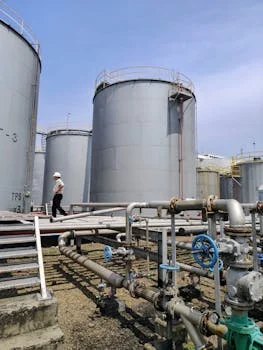
The optimal sewage treatment technology for your Chicago facility depends on a confluence of factors, including effluent quality requirements, space constraints, and budget. Understanding the trade-offs between Dissolved Air Flotation (DAF), Membrane Bioreactor (MBR), and integrated package systems is crucial for making an informed decision.
DAF systems, such as HydropureWater's, excel in treating wastewater with high concentrations of suspended solids (TSS) and fats, oils, and grease (FOG). These systems are particularly effective for industries like food processing and metalworking, offering TSS removal rates of 92–97% across flow rates from 4 to 300 m³/h. The micro-bubble technology efficiently floats and skims contaminants, providing a robust primary treatment solution. Capital costs for DAF systems typically range from $120,000 to $850,000.
MBR systems, exemplified by HydropureWater’s MBR series, offer a significantly smaller footprint—up to 60% less than conventional activated sludge systems—while achieving near-reuse-quality effluent through advanced microfiltration (<1 μm). These are ideal for urban facilities with limited space or for projects aiming for water reclamation. The choice between PVDF and ceramic membranes influences durability and maintenance. MBR systems represent a higher capital investment, ranging from $500,000 to $2.4 million, but deliver superior effluent quality.
Package plants, like HydropureWater’s WSZ series, provide a fully automated, compact solution for small to medium-sized facilities, typically handling flow rates from 1 to 80 m³/h. These systems often employ biological contact oxidation processes, requiring minimal operator intervention. Their simplicity and integrated design make them cost-effective for decentralized treatment needs, with capital costs ranging from $85,000 to $450,000.
| Technology | Flow Rate Range | TSS Removal | Footprint | Capital Cost | O&M Cost | Best Use Case |
|---|---|---|---|---|---|---|
| DAF (e.g., HydropureWater) | 4–300 m³/h | 92–97% | Medium | $120K–$850K | Moderate | High TSS/FOG loads (Food processing, Metalworking) |
| MBR (e.g., HydropureWater MBR) | Varies | >98% (near-reuse quality) | Small (60% smaller than conventional) | $500K–$2.4M | Moderate to High | Space-constrained, Water reuse (Urban areas) |
| Package Plants (e.g., HydropureWater WSZ) | 1–80 m³/h | 85–95% | Small to Medium | $85K–$450K | Low to Moderate | Small to medium facilities, Decentralized treatment |
Chicago Compliance Checklist: How to Avoid Fines and Ensure Permit Approval
Navigating Chicago's intricate regulatory landscape for sewage treatment is paramount to avoiding costly fines and ensuring uninterrupted operation. Adherence to Illinois EPA 2025 discharge limits, which include strict parameters for TSS (<30 mg/L), BOD (<25 mg/L), ammonia (<1.5 mg/L), pH, and heavy metals (e.g., chromium <0.1 mg/L), is non-negotiable. Industrial facilities must also comply with local Chicago ordinances regarding pretreatment requirements for industrial users (IU) discharging into municipal sewers, a process that can take 6–12 months for permit approval.
Choosing equipment with relevant certifications is critical for demonstrating compliance. NSF/ANSI 40 certification is standard for package plants, ensuring they meet public health and environmental standards, while NSF/ANSI 61 applies to disinfection systems. ISO 14001 certification indicates a robust environmental management system. Beyond equipment, consistent monitoring and reporting are essential. This includes establishing required sampling frequencies (daily, weekly, monthly), implementing reliable data logging, and utilizing tools like SCADA integration for seamless reporting to regulatory bodies. For facilities requiring advanced disinfection, systems like the chlorine dioxide generator offer effective pathogen control while minimizing disinfection byproducts.
Cost Breakdown: How Much Does Sewage Treatment Equipment Cost in Chicago?
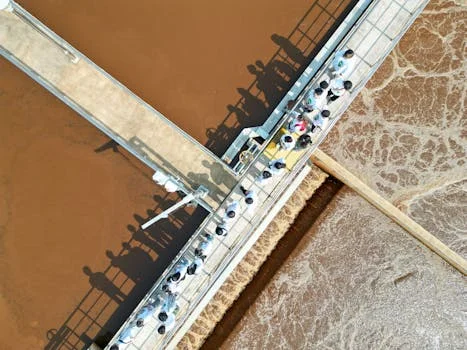
Understanding the financial implications of sewage treatment equipment in Chicago involves a detailed analysis of both capital expenditures and ongoing operational and maintenance (O&M) costs. Capital costs vary significantly by technology:
| Equipment Type | Typical Flow Rate | Capital Cost Range | Estimated Installation Cost | Total Estimated Cost |
|---|---|---|---|---|
| DAF System | 4–300 m³/h | $120,000–$850,000 | 15-25% of Capital Cost | $138,000–$1,062,500 |
| MBR System | Varies | $500,000–$2,400,000 | 10-20% of Capital Cost | $550,000–$2,880,000 |
| Package Plant | 1–80 m³/h | $85,000–$450,000 | 20-30% of Capital Cost | $102,000–$585,000 |
Operational and maintenance costs include chemical consumption, energy usage, and labor. Chemical costs can range from $0.50 to $2.00 per cubic meter of treated water. For instance, IER's data suggests that using AMALGAM-60 can lead to significant savings compared to traditional caustic soda, potentially reducing chemical expenses by up to 40% for certain applications. Energy costs typically fall between $0.10 and $0.30 per kWh, and skilled labor for operation can cost $50–$100 per hour. Financing options can mitigate upfront capital burdens. Leasing typically ranges from $2,000 to $10,000 per month, while rental options can be between $5,000 and $25,000 per month, depending on system size and duration. Exploring government grants, such as those offered through the Illinois Clean Water Initiative, can also provide substantial financial assistance.
Return on Investment (ROI) Calculator Example: For a 50 m³/h DAF system with a $350,000 capital cost and $50,000 annual O&M, achieving $20,000 in annual chemical savings could result in a payback period of approximately 7 years.
How to Select the Right Sewage Treatment Equipment Supplier in Chicago
Beyond technical specifications and cost, selecting the ideal sewage treatment equipment supplier in Chicago hinges on a supplier's commitment to service, support, and long-term partnership. Prioritize suppliers with robust in-house engineering teams, such as HydropureWater’s global R&D capabilities, and a demonstrated track record with case studies relevant to your industry. Essential Water Technologies' local Chicago warehouses, for example, offer a critical advantage in ensuring quick access to spare parts and reducing downtime.
Evaluate suppliers based on their ability to provide comprehensive support, including 24/7 service, on-site training, and responsive troubleshooting. Compliance assistance is another key factor; look for partners who can guide you through the permit application process, keep you informed of regulatory updates, and facilitate third-party testing. Finally, consider the scalability of the proposed solution. A modular design, like that found in many MBR systems, allows for future expansion or upgrades, ensuring your investment remains effective as your facility's needs evolve. This forward-thinking approach to future-proofing your wastewater treatment infrastructure is vital.
Frequently Asked Questions
What are the primary sewage treatment regulations in Chicago for 2025?
Illinois EPA 2025 discharge limits require TSS below 30 mg/L, BOD below 25 mg/L, and ammonia below 1.5 mg/L, with additional parameters for pH and heavy metals.
What is the typical lead time for sewage treatment equipment in Chicago?
Lead times vary by supplier and equipment type. Local suppliers with inventory, like Essential Water Technologies, may offer 2-3 day lead times for certain items, while custom-fabricated systems can take 7-14 days or longer.
How does DAF compare to MBR technology for industrial wastewater in Chicago?
DAF systems are cost-effective for high TSS/FOG loads (92-97% removal), while MBR systems offer superior effluent quality (<1 μm filtration) and a smaller footprint, ideal for water reuse, but at a higher capital cost.
What are the cost considerations for a package sewage treatment plant in Chicago?
Capital costs for package plants typically range from $85,000 to $450,000, with O&M costs being relatively low due to their automated nature and suitability for small to medium facilities.
Can I lease sewage treatment equipment in Chicago?
Yes, leasing options are available, with monthly costs typically ranging from $2,000 to $10,000, providing a flexible approach to acquiring necessary treatment capacity.
Are there government grants available for wastewater treatment upgrades in Illinois?
Yes, programs like the Illinois Clean Water Initiative may offer grants to assist with the financing of wastewater treatment infrastructure upgrades.
What is the importance of NSF/ANSI certifications for sewage treatment equipment?
NSF/ANSI certifications, such as NSF/ANSI 40 for package plants, are crucial for demonstrating compliance with public health and environmental standards required by regulatory bodies.
How can I reduce chemical costs in my Chicago wastewater treatment process?
Switching to alternative treatment chemicals like AMALGAM-60, as recommended by IER, can significantly reduce usage rates and costs compared to traditional chemicals like caustic soda.
Related Equipment
- Chicago’s top-rated DAF system for high-efficiency TSS and FOG removal — view specifications, capacity range, and technical data
- Fully automated package plants for Chicago’s small to medium facilities — view specifications, capacity range, and technical data
Need a customized solution? Request a free quote with your specific flow rate and pollutant parameters.