Map the wastewater before choosing equipment
A hotel or resort in Depok generally chooses among three routes: discharge to an approved public sewer, an underground A/O package plant, or a membrane bioreactor. Public sewer is simplest when connection and capacity are confirmed. The WSZ underground A/O package plant suits sites needing compact, automated treatment, with verified capacity from 1–80 m³/h. An integrated MBR is more appropriate where advanced separation and reuse are priorities; its system covers 10–2,000 m³/day, filters below 1 μm and has a stated 60% smaller footprint than conventional systems. Final selection requires measured peak flow, wastewater characteristics, land availability, reuse targets and confirmation of Depok discharge requirements.
Start with a stream-by-stream wastewater inventory rather than a generic “sewage load.” List domestic sewage, kitchen wastewater, laundry effluent, pool backwash, spa wastewater and all back-of-house discharges. Confirm whether each stream enters the hotel sewer or requires separate collection and treatment. This matters because grease, cleaning chemicals and pool waters can change the treatment basis even when guest-room wastewater is the dominant flow.
Booking.com’s Depok property listings describe hotels with outdoor pools, restaurants, fitness centres and spas. That evidence does not establish the wastewater load at any particular property, but it confirms that a resort feasibility study should not assume every discharge is domestic sewage (Booking.com, accessed 2026). Review menus, laundry operations, pool-maintenance practices and spa wastewater generation against the actual site.
Request the daily wastewater flow, measured peak hourly flow, seasonal occupancy, water-supply pressure, available land and proposed sewer discharge point. Define any reuse target for toilet flushing, irrigation or other applications. Do not invent a keyed wastewater flow from occupancy alone; a supplier needs measured and operating data to select a defensible duty.
The Hotel X study also gives the property team a useful inspection method for treatment operations. Its value-stream analysis identified over-processing, motion, defects and waiting, and recommended walkthrough inspections, inventory-management technology and maintenance of delivery equipment. Apply that discipline to the wastewater system: trace each stream, inspect equipment condition and record recurring operating losses (Jurnal Manajemen dan Usahawan Indonesia, 2022).
A mechanical preliminary screening step can protect downstream treatment where the site needs it. The rotary mechanical bar screen should be evaluated against the confirmed wastewater characteristics and debris loading, not added by assumption.
Compare the three feasible treatment routes
Public sewer should be selected only after the owner confirms connection availability, permitted discharge conditions and adequate downstream capacity. A confirmed sewer connection can remove the need for on-site biological treatment, but it does not eliminate the need to establish peak-flow capacity, pretreatment requirements and the legal discharge point.
The WSZ underground A/O package sewage treatment plant handles 1–80 m³/h and combines anoxic and aerobic biological contact oxidation, sedimentation and disinfection in one buried unit (Trip.com, accessed 2026). It is fully automated and requires no operator; the stated configuration can be installed below grade with landscaping above or mounted on a trailer for mobile deployment (Trip.com, accessed 2026).
The integrated MBR wastewater treatment system covers 10–2,000 m³/day and combines activated sludge with submerged PVDF membrane filtration. It provides filtration below 1 μm and has a stated 60% smaller footprint than conventional systems (Trip.com, accessed 2026). These are equipment-selection boundaries, not site-sizing conclusions: the selected duty must still match measured flow and treatment requirements.
DAF pretreatment should be considered only if sampling identifies suspended solids, oil and grease or colloidal material requiring removal before the selected biological process. The supplied research does not establish that a Depok hotel has an industrial-strength waste stream. This comparison of A/O, MBR and DAF options for hotels provides a process-selection reference, but it does not replace site testing.
| Decision factor | Approved public sewer | Underground A/O package plant | Integrated MBR |
|---|---|---|---|
| Primary condition | Connection, permitted discharge and downstream capacity confirmed | Measured flow fits the stated 1–80 m³/h range | Measured flow fits the stated 10–2,000 m³/day range |
| Treatment arrangement | Site collection and any required pretreatment; treatment may occur off site | Anoxic and aerobic biological contact oxidation, sedimentation and disinfection in one buried unit | Activated sludge with submerged PVDF membrane filtration |
| Separation | Depends on the sewer authority’s requirements | Clarification within the biological package | Filtration below 1 μm |
| Site configuration | Connection works required | Below-grade installation with landscaping above, or trailer-mounted mobile deployment | Stated 60% smaller footprint than conventional systems |
| Automation | Collection-system requirements to confirm | Fully automated; stated to require no operator | Confirm controls, membrane cleaning and attendance requirements in the quotation |
| Main selection issue | Can the sewer accept the actual peak discharge? | Does the package meet flow and reuse requirements? | Does the required effluent quality justify membrane operation? |
Test the selected route against the property

The verified ranges provide only the first capacity screen: WSZ covers 1–80 m³/h, while the integrated MBR covers 10–2,000 m³/day (Trip.com, accessed 2026). Compare those boundaries with measured average and peak wastewater flow, then check the process duty against wastewater characteristics and the required effluent use.
| Property check | Evidence needed before approval | Decision consequence |
|---|---|---|
| Hydraulic capacity | Measured daily flow, peak hourly flow and seasonal operating cases | Reject any model whose verified duty does not cover the agreed design cases |
| Excavation and access | Survey, groundwater information, access routes and buried-services information | Confirm constructability, maintenance access and reinstatement of the site |
| Odour and drainage | Ventilation arrangement, odour-control concept, surface drainage and flood exposure | Identify additional civil or mechanical scope |
| Utilities | Power availability, backup-power concept and drainage connection | Include electrical, controls and standby requirements in the quotation |
| Reuse | End-use water-quality requirement and intended reuse quantity | Determine whether the selected treatment route can meet the requirement |
| Operations | Attendance model, sludge-removal interval, membrane-cleaning plan and spares | Compare lifecycle staffing and maintenance obligations, not only equipment price |
For an underground package plant, check excavation, access, odour control, power availability, drainage, maintenance access and whether the area above the unit can be restored for its intended use. A buried layout may reduce visible plant footprint, but it still requires a maintainable installation and a realistic maintenance plan.
For irrigation, toilet flushing or other reuse, define the required water quality and quantity before selecting a process. The supplied evidence provides no universal Depok reuse specification. Membrane filtration should therefore be justified by the specified reuse quality, not by the assumption that reuse always requires MBR. The broader A/O package plant versus MBR for a hotel comparison illustrates how reuse objectives should be separated from equipment selection.
Compare automatic controls, operator attendance, sludge removal, membrane cleaning, backup power and spare-parts support across quotations. These operating commitments can determine whether a technically suitable package remains practical for the property.
Build a quotation-ready data request
A comparable quotation starts with the same measured property inputs and the same stated exclusions. The property team should provide occupancy and seasonal-use scenarios, daily water consumption, measured wastewater flow, peak flow, wastewater sampling results, available land, power data, discharge point and reuse target. Treatment parts and filtration accessories should be listed against the proposed process rather than added as a generic allowance.
| Data request | Minimum information to request | Bidder response required |
|---|---|---|
| Property and operating basis | Occupancy scenarios, seasonal use, water consumption, daily flow, peak flow and reuse target | State the design flow and operating cases used for sizing |
| Wastewater characterisation | Representative sampling results and identified kitchen, laundry, pool, spa or other special streams | Confirm treatment stages, equalization needs and pretreatment assumptions |
| Site and utilities | Land area, access, excavation constraints, power data, drainage and discharge point | Provide installation requirements, civil interfaces and utility loads |
| Process and controls | Required effluent quality, reuse specification and operating model | Describe process flow, automation, alarms, operator hours and acceptance tests |
| Residuals and maintenance | Sludge-handling expectations, maintenance access and spare-parts policy | State sludge-removal frequency, maintenance schedule, consumables and critical spares |
| Commercial scope | Equipment, installation, commissioning, permits and long-term services | Itemize inclusions, exclusions, warranty and local service support |
Require each bidder to state its design basis, process flow, equipment capacity range, treatment stages, automation, installation requirements, operator hours, sludge handling, maintenance schedule and included accessories. Ask each supplier to identify excluded civil work, electrical work, laboratory testing, permits, commissioning activities, consumables and replacement parts.
Keep regulatory approval and site-specific sizing open until the relevant Depok authority requirements and project measurements are verified. The supplied research contains no city-specific effluent limits, so a quotation should not present a discharge standard as confirmed. The project team should obtain the applicable requirements from the responsible authorities before ordering.
Plan commissioning and operational verification
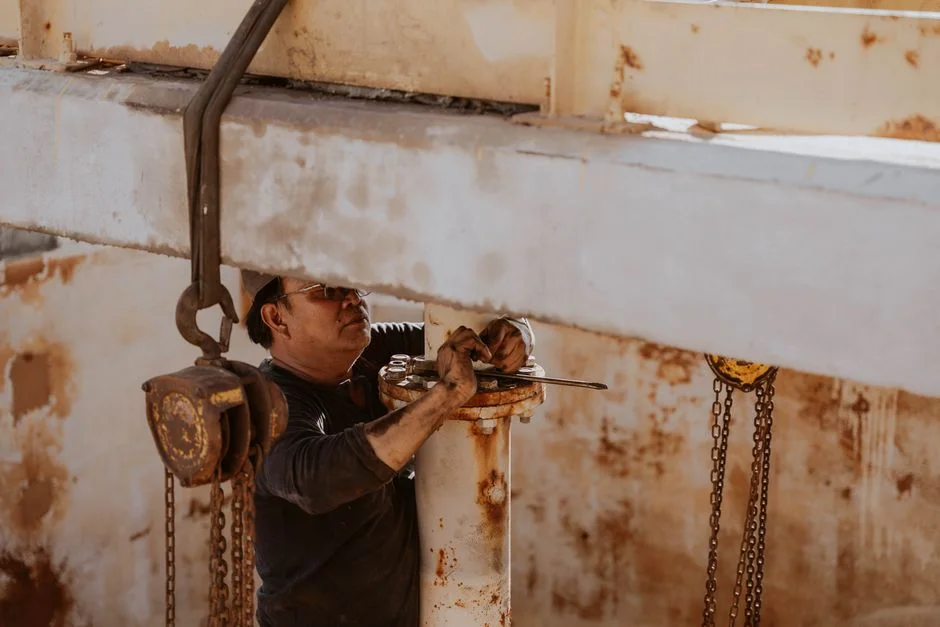
Commissioning should verify the installed system against the agreed design basis, not merely demonstrate that the equipment starts. Agree acceptance tests covering influent and effluent sampling, flow verification, alarm checks, automatic-control tests and demonstration of the stated treatment sequence. Define sample points, analytical methods, test periods and acceptance responsibilities in the contract.
Before handover, confirm the sludge or solids-removal frequency, maintenance access, critical spare parts, power-failure response and the operating personnel responsible for routine checks. For MBR, the acceptance plan should also address the stated membrane process and the supplier’s prescribed cleaning regime. For A/O package plants, verify the biological, clarification and disinfection stages described in the offer.
Use the Hotel X study’s recommended walkthrough inspections, inventory technology and maintenance of delivery equipment within the broader hotel waste-prevention and service-quality routine. The study recommended those actions after identifying over-processing, motion, defects and waiting in room-service breakfast operations (Jurnal Manajemen dan Usahawan Indonesia, 2022).
Do not transfer the study’s service-process results into a treatment-performance claim. Hotel X’s future-state program reported 43% lower total lead time, 42% lower process time, 51% less non-value-added time and 44% less waiting time; these were food-and-beverage service results, not wastewater-treatment performance figures (Jurnal Manajemen dan Usahawan Indonesia, 2022).
Operational records should connect guest occupancy and water use to treatment flow, alarms, cleaning, sludge removal and effluent results. Where solids must be removed before final disposal, define the route and frequency. A plate-and-frame filter press should be evaluated only if the project’s residual-solids characteristics and disposal route justify it.
Frequently Asked Questions
How much should wastewater treatment cost for a hotel or resort in Depok?
Request an itemized quotation covering equipment, civil works, installation, power, commissioning, controls, sludge handling, consumables, maintenance and permits. No defensible cost can be calculated without measured site flow, treatment requirements and scope data. Require each bidder to list exclusions so quotations are compared on the same basis.
How do we size a hotel sewage treatment plant?
Use measured peak flow and wastewater analysis rather than a generic occupancy rule. Compare the result with the WSZ range of 1–80 m³/h or the integrated MBR range of 10–2,000 m³/day (Trip.com, accessed 2026), then verify that the proposed model and process duty fit the operating cases.
Which wastewater supplier should be selected for a resort package plant?
Ask for the design basis, references for comparable hotel duties, guaranteed process performance, warranty scope, local service capability and included commissioning tests. Also check operator hours, membrane-cleaning or solids-removal obligations, spare-parts availability and responsibility for power-failure response.
What discharge and reuse requirements apply in Depok?
Obtain the applicable Depok and Indonesian discharge requirements from the responsible authorities and verify the final effluent route and permits before ordering. The supplied research contains no city-specific effluent limits. For reuse, obtain a project-specific water-quality specification for toilet flushing, irrigation or any other intended use.
Should the project choose an A/O package plant or an MBR?
Choose A/O biological contact oxidation when its verified flow range and treatment performance fit the hotel duty and reuse target. Choose MBR when the required separation quality justifies membrane operation and the site can support membrane cleaning and maintenance. This is the framework in hotel wastewater technology selection; equipment ranges are boundaries, not automatic selections.