Resolve the discharge route before selecting equipment
The appropriate wastewater system for a hotel or resort in Cali is typically an underground A/O package plant or an MBR, but occupancy alone cannot determine the choice. Confirm the sewer or surface-water discharge route, separate guest sewage, kitchen, laundry, pool and other flows, establish peak design flow, and define any reuse target. Use an underground A/O package plant as the baseline for conventional domestic sewage where burial and a straightforward treatment train are suitable; consider MBR when compactness, fine filtration or reuse readiness materially change the project. Final permit limits and equipment sizing must come from the applicable Cali authority, wastewater analysis and site design.
Begin with the point of disposal, because it determines the required authority, receiving infrastructure and quality criteria. Identify whether the property will connect to a municipal sewer, discharge directly to a surface-water body, or send treated effluent to a defined reuse destination such as irrigation or toilet flushing. For each route, obtain the name of the competent authority, the applicable permit or connection procedure, and the required discharge documentation. If more than one route is possible, document that decision before issuing an equipment request for proposal.
The Colombia hotel wastewater treatment guide establishes no universal numerical effluent limit for every Cali hotel or resort. Numerical requirements in the supplied Bogotá engineering guide are expressly tied to Bogotá and must not be transferred to Cali as local rules. Request the effluent parameters and monitoring conditions that the applicable Cali authority applies to the actual discharge route.
National treatment-coverage figures show why decentralized treatment deserves consideration, but they do not prescribe a resort process. Trade.gov, as cited in the Hotel Resort Wastewater Treatment in Colombia: 2026 Guide, reports that more than 40% of Colombia’s wastewater goes untreated because of insufficient basic treatment facilities and that only 60% of wastewater generated in rural areas is treated. These figures support evaluating onsite treatment where dependable sewer access is absent; they do not establish permit conditions, process selection or funding eligibility for a specific property.
Map every wastewater stream and peak load
A resort treatment plant must be designed around the complete wastewater load, not the number of occupied rooms alone. The Colombia hotel wastewater treatment guide requires separate or clearly characterized treatment for guest-room sewage, kitchens, bathrooms, laundry, employee areas, swimming pools and landscaped irrigation. It also requires the design basis to address seasonal occupancy, planned expansion, construction wastewater and non-domestic discharges.
Use the following register to assign each stream to an owner and close the evidence gaps before asking vendors to size equipment.
| Project input | What the buyer must establish | Responsible source or party |
|---|---|---|
| Wastewater streams | Separate flow and quality estimates for guest sewage, kitchen wastewater, laundry, employee areas, pools and other non-domestic flows; identify whether any stream should remain segregated. | Hotel operations team with the design engineer |
| Design flow | Average flow, daily and seasonal peaks, expected occupancy, turnover-day effects, expansion and construction periods. | Design engineer using metered water-use data where available |
| Wastewater analysis | Current representative parameters, including organics, solids, fats, oils and grease, nutrients where relevant, and wastewater temperature or characteristics affecting treatment. | Accredited laboratory and design engineer |
| Reuse target | Intended use, required flow, receiving equipment and owner-accepted effluent quality. | Hotel owner, operations team and water-reuse designer |
| Site and installation | Available footprint, excavation access, soil, groundwater, utility connections and construction window. | Property owner, civil engineer and contractors |
| Discharge route | Confirmed sewer, surface-water or reuse destination, responsible authority and applicable permit conditions. | Property owner and Cali authority |
Do not import the Bogotá guide’s guest-flow factors, food-and-beverage allowance, laundry allowance or altitude correction into the Cali design brief. The supplied Bogotá guide identifies those factors for Bogotá; the Cali project requires local engineering verification and a water-balance calculation based on the property’s actual operating data.
The following table assists in identifying non-domestic streams before comparing biological processes. Kitchen wastewater, pool backwash, laundry discharges and construction wastewater may require different collection, equalization or pretreatment arrangements. Their inclusion can change both the treatment train and the selected package capacity, so keep them visible in the design flow rather than adding them after a vendor has selected equipment.
Compare an underground A/O plant with MBR
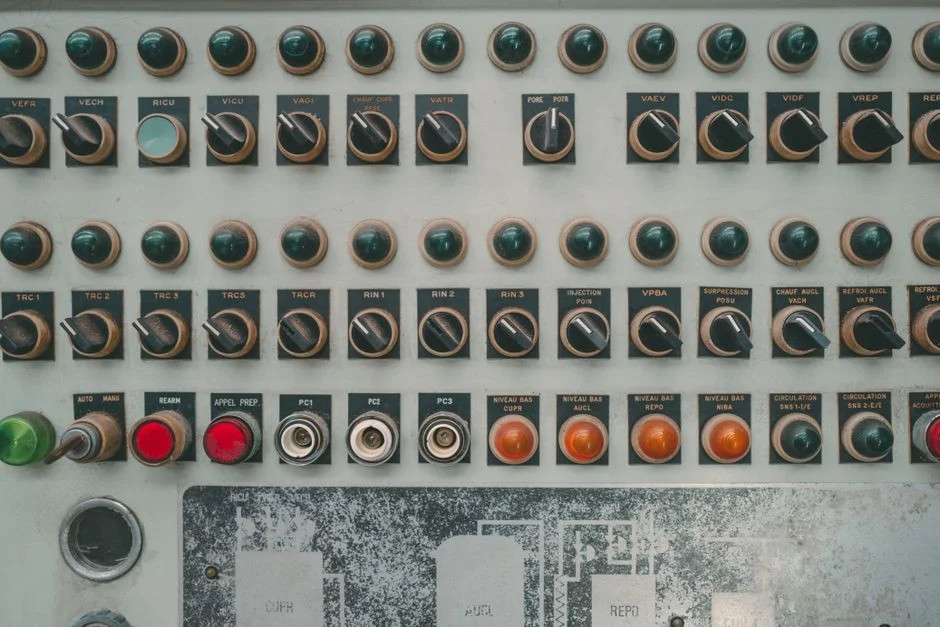
The WSZ series combines A/O biological contact oxidation, sedimentation and disinfection in a buried package unit, with the supplied product catalogue listing a capacity range of 1–80 m³/h. It is a defensible baseline for conventional domestic sewage when the verified duty falls within that range, below-grade installation is acceptable and the required treatment sequence is straightforward.
The MBR catalogue lists capacities from 10–2,000 m³/day, near-reuse-quality effluent below 1 μm filtration and a footprint 60% smaller than conventional systems. Those catalogue claims make MBR relevant where compactness, fine filtration or reuse readiness materially affect the project. They do not, by themselves, demonstrate suitability for a Cali resort; bidders still need to relate membrane performance to the confirmed wastewater analysis, design flow, reuse target and membrane duty.
| Decision factor | Underground A/O package plant | MBR membrane bioreactor system |
|---|---|---|
| Evidence-supported catalogue range | 1–80 m³/h for the WSZ series, according to the supplied product catalogue. | 10–2,000 m³/day, according to the supplied product catalogue. |
| Preferred treatment basis | Conventional domestic sewage with a straightforward treatment train. | Projects where compactness, fine filtration or reuse readiness materially affect the decision. |
| Installation issue to resolve | Excavation, groundwater, buoyancy and structural-installation conditions. | Process fit, membrane duty and the complete proposed treatment train. |
| Catalogue effluent description | The supplied WSZ material identifies A/O biological contact oxidation, sedimentation and disinfection. | Near-reuse-quality effluent below 1 μm filtration. |
| Footprint evidence | Burial can reduce above-ground visual impact, subject to installation checks. | The catalogue states a footprint 60% smaller than conventional systems. |
| Project screening rule | Use when verified flow, wastewater character, treatment complexity and site conditions support the package approach. | Use when the reuse objective, space constraint or required separation justifies the additional process evidence bidders must provide. |
| Still requires verification | Applicable Cali permit conditions, actual flow, analysis and installation design. | Applicable Cali permit conditions, actual flow, analysis, reuse criteria and membrane performance at proposed duty. |
Apply an if-then decision sequence. If the discharge route accepts a conventional treatment train, the verified flow fits the package range and the site permits a buried installation, screen the underground A/O package treatment plant first. If the site is constrained, the treatment objective requires fine filtration, or reuse readiness is a defining project requirement, screen the MBR membrane bioreactor system and require project-specific performance evidence.
Do not reduce this comparison to catalogue range. An equipment range cannot resolve a permit, wastewater or site-access problem. Installation viability also matters: an underground unit still depends on excavation, groundwater, buoyancy and structural checks, while an MBR must be tested against the proposed wastewater rather than accepted from generic performance language.
Build a performance-based request for proposal
A comparable bid pack should present the same verified project conditions to every bidder. The Colombia hotel wastewater treatment guide specifies that each bidder receive the site plan, verified design flow, wastewater analysis, discharge or reuse target, soil and groundwater conditions, utility requirements, installation window and applicable permit requirements.
Require each proposal to map its equipment to those inputs and identify unresolved assumptions. A bidder should state its design flow basis, treatment train, hydraulic and organic loading assumptions, effluent targets, utilities, controls, installation requirements, commissioning tests and operating needs. Where an MBR is proposed, require membrane performance evidence tied to the proposed duty and wastewater analysis rather than a generic catalogue claim.
| Bidder document | Required content | Acceptance check |
|---|---|---|
| Design-basis statement | Average and peak flows, included and excluded streams, occupancy assumptions, wastewater analysis, treatment objectives and reuse definition. | Reconciles with the buyer’s water balance and identifies every unresolved assumption. |
| Process proposal | Complete treatment train, process calculations, selected equipment, controls and performance guarantees. | Demonstrates that the proposed capacity and treatment satisfy the verified duty and identified discharge or reuse target. |
| Site and installation package | Civil works, excavation or above-ground arrangements, groundwater and buoyancy provisions, utilities, access and commissioning plan. | Matches the site information and the property’s installation window. |
| Permit and compliance matrix | Applicable requirements, responsible authorities, discharge route, monitoring, documentation and bidder support. | Uses confirmed Cali conditions rather than unverified Bogotá criteria. |
| Performance evidence | Reference performance, membrane evidence where applicable, test methods, guarantees and operating assumptions. | Relates evidence to the proposed wastewater and flow; catalogue statements alone are insufficient. |
| Commercial schedule | Equipment, civil works, installation, commissioning, utilities, consumables, maintenance, exclusions and warranty. | Provides a like-for-like scope so options can be evaluated without hidden assumptions. |
Include sludge handling in the scope when it is required. A plate-and-frame filter press may form part of the treatment train, but the supplied research does not establish a universal capacity or economic basis for every resort. Require bidders to size dewatering from confirmed sludge-generation and dewatering duty, with disposal or reuse arrangements identified separately.
The 2026 modular sewage treatment design criteria can help structure the technical review, but it should not replace site-specific assumptions. Keep the bid pack controlled: freeze the discharge route, analytical results and design basis before comparing prices, and issue any material change to all bidders consistently.
Frequently Asked Questions
What will a hotel or resort wastewater treatment system in Cali cost?
The supplied research does not provide a reliable universal price for Colombia hotel or resort wastewater treatment, so a catalog range or single budget figure would not support a defensible budget. Request itemized quotations against the confirmed design flow, wastewater analysis, discharge or reuse target, site conditions, civil works, utilities, installation, commissioning and sludge handling. Compare the same scope across bidders, then identify exclusions and operating costs separately.
How should A/O package and MBR capacity be checked for a Cali hotel?
The WSZ catalogue range of 1–80 m³/h and the MBR catalogue range of 10–2,000 m³/day identify equipment envelopes, not a project’s required size. Verify average and peak flow using the property’s water balance, occupancy, operating hours, kitchen, laundry, pool and other non-domestic streams. Confirm the selected equipment’s treatment basis and peak-handling provisions before assigning it to the project.
Which documents should a wastewater treatment supplier provide?
Require a design-basis statement, process calculations, proposed equipment and controls, performance evidence tied to the proposed duty, site-installation details, utilities, commissioning tests, operating requirements, warranty and an itemized commercial schedule. For an MBR, ask specifically for membrane evidence linked to the wastewater analysis. Reject bids based only on generic catalogue performance or capacity ranges.
What compliance risk remains before selecting equipment for Cali?
The unresolved risk is applying another jurisdiction’s requirements to a Cali discharge. The general Colombian framework confirms that permit limits must come from the applicable authority and discharge conditions, but it does not establish a universal Cali numerical limit. Obtain written confirmation of the Cali authority, permit or connection pathway, effluent parameters, monitoring and documentation requirements before freezing the design basis or awarding the contract.