
Confirm the Bellingham discharge route and applicable limits
Fabricated-metals plants near Bellingham must begin with Municipal Code Chapter 15.14, Pretreatment, and BMC 15.14.023, Local limits, to map the actual wastewater profile to the required pretreatment train. The available Bellingham pages identify these provisions but do not expose numerical limits because access is restricted. An engineer must obtain the current requirements in writing before sizing equipment. The selection sequence is source control, flow equalization, DAF or lamella solids separation, pH adjustment where needed, and controlled industrial sludge dewatering. DAF is the stronger candidate when oil, grease, colloids and suspended solids drive the duty; lamella clarification is appropriate where flocculation and solids capture are central. Final selection must be confirmed against Bellingham’s written requirements and current wastewater data.
The distinction between a confirmed obligation and an unverified assumption is critical. A title on the municipal-code site confirms that a provision exists; it does not establish its numerical limit, averaging period, monitoring requirement or approved discharge route. The relevant evidence is the current code text obtained directly from Bellingham, the plant’s sewer permit and permit conditions, and any discharge authorization that applies to the specific user.
Request those documents in writing and record each requirement in the design basis. Separate categorical prohibitions from concentration limits, mass-loading limits, monitoring obligations and surcharge provisions. Also document who performs sampling, where samples are taken, how composite samples are defined and what records must be retained. A comparison of DAF and lamella options can proceed in parallel through the pretreatment method selection guide, but it should not substitute for the local approval check.
| Design-basis field | Confirmed information to obtain | Why it affects selection |
|---|---|---|
| Discharge route | Written confirmation of sanitary sewer, stormwater or other discharge route | Determines which authority, permit and authorization govern |
| Pollutant limits | Current local limits and permit conditions for each applicable pollutant | Sets the required removal or concentration performance |
| Monitoring basis | Sample type, averaging period, monitoring frequency and reporting method | Defines how compliance will be demonstrated |
| Prohibitions and surcharges | Prohibited-discharge conditions and applicable surcharge exposure | May require source control or additional treatment |
| Authorization status | Permit conditions and outstanding owner-supplied approvals | Separates permitted operations from preliminary equipment selection |
Build the wastewater characterization before selecting equipment
Pretreatment sizing begins with individual process streams rather than an average plant-wide wastewater number. For fabricated metal wastewater, request information on continuous flow and batch-discharge frequency, floor washing, coolant leakage, degreasing operations and stormwater. Identify where each stream originates, how long it is generated, whether it is segregated and whether it can be captured at the source.
Obtain representative analytical results for the contaminants that may occur at the plant: suspended solids, oil and grease, colloids and pH, plus any metals identified by the process audit or written requirements. Do not import a limit from another municipality or assume that a generic metal-fabrication profile establishes Bellingham’s obligations. The fabricated-metals wastewater comparison is useful as a method guide, not as proof of local limits.
Screen each candidate unit against the worst credible combination of flow and concentration. That combination should be documented as a design case and distinguished from the normal operating case. A complete audit must then confirm stream composition, variability, batch storage available, chemical use and the interaction between upstream controls and downstream treatment.
Materials selection also belongs in the equipment specification. A 2026 fabrication application source from getchemready.com describes stainless steel, carbon steel, aluminum and nickel alloys as common choices because of their durability and corrosion resistance, and identifies industrial pretreatment as an application for fabricated-metal components. That source does not establish the correct alloy for a particular wastewater chemistry, so compatibility must be confirmed against the actual stream and cleaning regime.
| Plant input | Evidence requested | Decision affected |
|---|---|---|
| Flow regime | Continuous flow, batch volume, discharge frequency and peak simultaneous flow | Equalization need, hydraulic capacity and treatment mode |
| Oil and grease | Representative analytical results and source identification | DAF suitability and skimming duty |
| Suspended solids and colloids | Representative results, settleability and particle characteristics | DAF, lamella or additional clarification |
| pH and chemicals | pH range, process chemicals and cleaning residues | Corrosion materials, dosing and containment |
| Metals | Only those identified by process audit or written requirements | Monitoring, treatment need and sludge characterization |
| Sludge destination | Proposed handling, storage and disposal route | Dewatering basis and residual-waste obligations |
Choose DAF or lamella clarification from the controlling contaminant
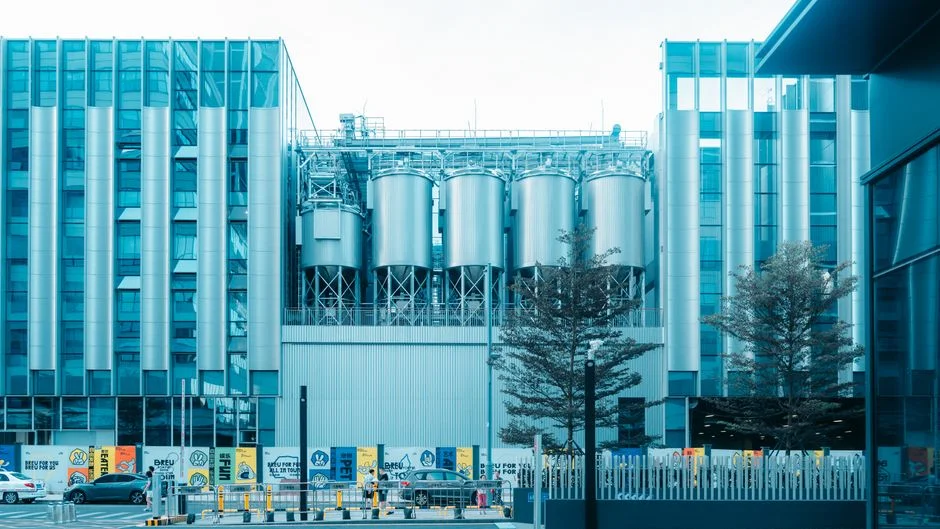
DAF is the appropriate primary candidate when oil, grease, FOG, colloids or floatable suspended solids are the controlling duties. It combines dissolved-air flotation with solids removal and skimming, whereas lamella clarification is strongest when the design objective is capture of flocculated solids with sludge recirculation. The contaminant profile, required solids removal and operating envelope should decide the train; equipment popularity should not.
For a lamella clarifier for solids separation, the catalogue lists surface loading rates of 20–40 m/h and identifies flocculated-solids capture and sludge recirculation as the application. Selection requires plant flow, required clarification area, solids inventory and sludge-removal criteria. The DAF-versus-lamella comparison for fabricated-metals wastewater provides a technical framework for that comparison.
Neither technology is a compliance guarantee. Final sizing and performance criteria must follow verified Bellingham limits, representative wastewater results and the selected operating mode. If oil and grease, colloids and settleable solids occur together, assess a combined treatment train rather than forcing a single unit to solve unrelated duties.
| Decision condition | Primary candidate | Required design checks |
|---|---|---|
| Oil, grease or FOG controls the separation duty | DAF | Floatable-solids loading, skimming, retained-solids behavior and waste-removal capacity |
| Colloids control the separation duty | DAF | Flocculation requirement, bubble contact, solids capture and pH dependence |
| Flocculated solids capture is central | Lamella clarification | Surface loading, flocculation, sludge recirculation and sludge-removal capacity |
| Oil, solids and variable pH occur together | Combined train | Mass balance, treatment sequence, equalization and chemical compatibility |
| Requirements are not yet written or characterized | Preliminary screen only | No final equipment capacity, material selection or compliance claim |
Complete the train with pH control and sludge handling
Auxiliary treatment should follow the confirmed pollutant duties rather than adding chemicals by default. If characterization and Bellingham requirements establish a pH-control need, specify automatic dosing with a controlled response to measured pH. The supplied product catalogue identifies PLC-controlled injection of coagulants, flocculants, pH adjusters and specialty chemicals, but the catalogue does not establish that any of those chemicals is required at the Bellingham plant.
Route separated solids to dewatering before storage or disposal. The catalogue offers plate-and-frame filter presses with filtration areas from 1 m² to 500 m². These are available equipment configurations rather than a selected area for this specific project. The supplier must calculate area and cycle performance from the primary unit’s solids production, expected solids characteristics, operating hours and required residual-moisture criteria.
Define the complete controls and sampling strategy. At minimum, specify flow measurement, pH measurement where required, automatic chemical injection, skimming or solids-removal control, alarm conditions and local or remote indication. Establish sampling points that represent the discharge and allow permit or local-limit demonstrations. The sludge-handling and compliance workflow can help structure that review, but it does not establish Bellingham requirements.
Confirm residual chemical use, sludge characteristics and the authorized disposal route with the plant and Bellingham. Do not assume that water treatment removes all treatment-generated waste obligations. A useful train includes the solids path from capture through dewatering, container or storage, transport and final disposition.
Turn the design basis into procurement and acceptance criteria
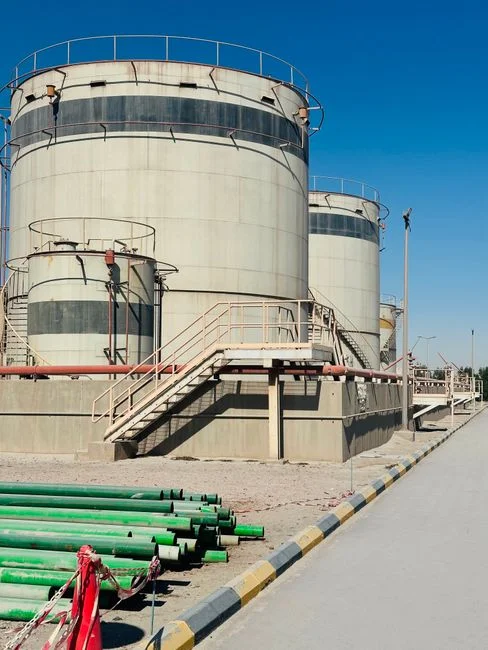
A procurement package should distinguish confirmed inputs from unresolved owner responsibilities. Include the written Bellingham limits, permit conditions, wastewater characterization, flow basis, operating mode, sampling requirements and sludge-disposal assumptions. The defensible DAF sizing-basis guide shows how to develop a sizing calculation, while the metal-plant pretreatment train guide provides a structure for assigning treatment-step responsibilities.
Require a mass-balance and sizing calculation for every proposed step. The calculation should show how hydraulic capacity and contaminant loading relate to the design case, how upstream and downstream units interact, and how sludge leaves the system. Do not accept a model number or catalogue flow range as the design basis.
Set factory and site acceptance criteria for throughput, relevant solids or oil-and-grease removal, pH control, automatic operation, sampling and documentation. Keep unresolved matters in the enquiry as explicit exclusions or owner-supplied inputs, including permit-specific limits, the final analyte list, wastewater variability and disposal authorization. This prevents a provisional equipment proposal from being mistaken for an approved, permit-ready design.
| Procurement item | Minimum supplier response | Buyer check |
|---|---|---|
| Design basis | Equipment proposal tied to confirmed limits, flow, concentrations and operating mode | No unsourced local limit or assumed wastewater profile |
| Sizing calculation | Hydraulic and contaminant mass balance for every treatment step | Design case agrees with the issued plant data |
| Factory acceptance | Demonstration or documented test of specified functions | Test method, conditions and acceptance values are stated |
| Site acceptance | Throughput, treatment performance, controls, sampling and training | Representative wastewater and documented test results |
| Open items | Named owner, required input and schedule | Permit and disposal uncertainties remain visible |
Frequently Asked Questions
What information is required before selecting pretreatment equipment for a fabricated-metals plant in Bellingham?
Obtain Bellingham’s current written limits, the applicable sewer permit and conditions, representative stream flows and analytical results, and the intended sludge-disposal route. Without those inputs, any DAF or lamella selection remains a preliminary technical screen rather than a permit-ready design.
How should a buyer compare a DAF system with a lamella clarifier?
Start with the controlling contaminant and objective: use DAF when oil, grease, colloids or floatable solids dominate, and consider lamella when flocculated-solids capture and sludge recirculation are central. Require a mass balance for the complete train and check hydraulic capacity against the documented design flow and concentrations.
What does the buyer need to request when budgeting for this pretreatment train?
Request a quotation that separates equipment, foundations and installation, controls, chemical storage, access platforms, dewatering, sludge containers, commissioning, training and disposal-interface assumptions. Also request the payment milestones, warranty scope and site-work exclusions. No defensible project price can be stated without the confirmed limits, wastewater data, flow basis and equipment scope.
How should a supplier be qualified for Bellingham sewer-pretreatment compliance risk?
Require documented experience with the selected treatment duty, a calculation traceable to the issued design basis, factory and site test protocols, control narratives, sampling provisions and clear responsibility for unresolved owner inputs. Treat a local-equipment reference or general compliance statement as supporting evidence, not proof that the proposed train will satisfy Bellingham’s written requirements.
Related Equipment
- DAF system for metalworking wastewater — specifications, capacity range, and technical data