Start with the hotel's wastewater duty
A Navi Mumbai hotel or resort must define wastewater flow, peak-hour loading and reuse destinations before selecting equipment. A compact, automated sewage treatment plant is suitable for many decentralized sites; the key question is whether an underground A/O package STP or an MBR wastewater treatment system better matches the available plot and treated-water objectives. Occupancy, water consumption, kitchen and laundry flows, groundwater conditions and the intended disposal or reuse route must be established from project data rather than inferred from guest-room numbers alone.
Request occupancy by season, average and peak daily water use, and the operating pattern that produces the peak hourly flow. Separate guest-room wastewater from kitchen grease-laden wastewater, laundry discharge and any laboratory or other high-strength streams. Where these streams vary independently, equalisation or separate pretreatment may affect the selected process, hydraulic loading and footprint. The supplied research does not quantify Navi Mumbai hotel generation rates, so the supplier should calculate the duty from the property’s water balance and operating data.
Define each intended destination separately. Chemtronics lists gardening, toilet flushing, landscape irrigation, cooling towers, car washing, fire sprinklers and non-potable use as hospitality reuse applications in its “Sewage Treatment Plant for Hotel / Resort” source. These are reuse targets to verify, not automatic permissions. The source provides no Navi Mumbai-specific reuse-water quality values or approval conditions.
| Project input | Evidence needed for quotation | Why it affects selection |
|---|---|---|
| Occupancy and water balance | Monthly occupancy; average and peak daily use; peak-hour operating profile | Establishes hydraulic and organic loading |
| Wastewater streams | Guest-room, kitchen, laundry and other discharge estimates | Defines equalisation and pretreatment needs |
| Reuse or disposal route | Named destination and intended operating schedule | Sets the required treatment objective |
| Site and authority inputs | Plot, utilities, groundwater, discharge route and applicable requirements | Controls layout, civil work and permit verification |
Compare the two treatment routes
The A/O package and MBR routes serve different project priorities because their process architecture, catalogue flow basis and physical arrangement differ. Use the comparison below to identify the shortlist; then verify whether the supplier’s proposed unit is actually sized for the hotel’s measured duty rather than merely falling within a catalogue range.
| Decision criterion | A/O package STP | MBR wastewater treatment system |
|---|---|---|
| Process | Anoxic/aerobic biological contact oxidation, sedimentation and disinfection in one buried package | Activated sludge treatment combined with submerged PVDF membrane filtration |
| Catalogue flow coverage | 1–80 m³/h | 10–2,000 m³/day |
| Arrangement | Installed below grade with landscaping above; also available for mobile deployment on a trailer | Footprint stated as 60% smaller than conventional systems |
| Treatment emphasis | Compact, automated decentralized treatment | Effluent filtration stated below 1 μm for space-constrained or higher-quality reuse applications |
| Operating consideration | Supplier states that continuous operation by an operator is not required | Requires the supplier to define membrane cleaning, monitoring and maintenance duties |
The A/O package is the practical starting point when subsurface installation, automation and a contained treatment train are the priorities. The WSZ underground A/O package STP combines anoxic/aerobic biological contact oxidation, sedimentation and disinfection in a fully automated unit. Its stated capacity is 1–80 m³/h, and it can be installed below grade with landscaping above or mounted on a trailer for mobile deployment.
Choose the MBR wastewater treatment system when the usable surface area is decisive or the reuse target requires finer filtration. The supplied MBR information describes submerged PVDF membranes, effluent filtration below 1 μm, a footprint stated as 60% smaller than conventional systems and catalogue coverage from 10–2,000 m³/day.
Energy demand should be confirmed as a project-specific figure rather than a generic catalogue value. Chemtronics claims 50–70% less power consumption than conventional aerobic treatment in its hotel and resort STP source. Present this as a supplier claim requiring project-specific confirmation rather than an independently verified local result.
Match site constraints to plant design
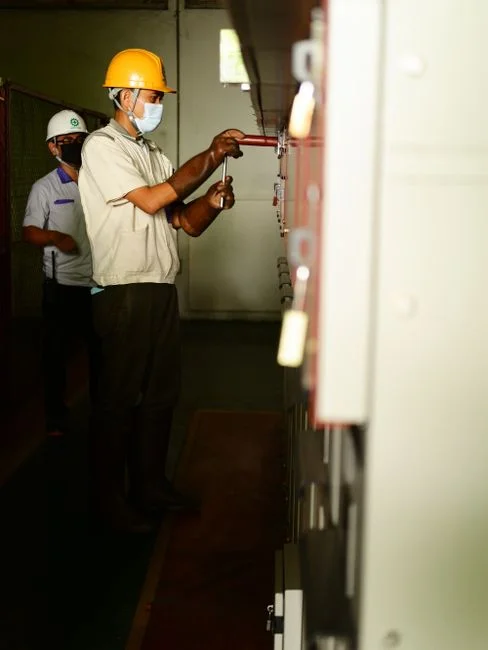
A buried treatment plant is only a credible option when excavation, groundwater, access and maintenance arrangements are compatible with the property. Chemtronics describes an underground, completely covered and compact hospitality plant designed to avoid foul odour around the treatment area. That establishes a useful design benchmark, but it does not establish site suitability at a particular Navi Mumbai property.
Confirm the available excavation depth and soil or groundwater conditions, then map access for tankers, sludge removal, maintenance vehicles, power supply and emergency bypass. The supplied research does not quantify these site conditions, minimum separations or civil-work requirements. They must be obtained from drawings, surveys and the applicable design consultant. A buried configuration reduces the visible plant footprint, but it can increase excavation, dewatering and access complexity where ground conditions are difficult.
Compare the A/O package’s buried, landscaping-compatible arrangement with the MBR route’s stated 60% smaller footprint when surface area is the decisive constraint. That comparison must use the supplier’s overall plant layout, including equalisation, sludge handling, membrane equipment, access and bypass—not only the treatment vessel.
The hotel must maintain an accountable maintenance plan regardless of supplier claims regarding operator requirements. Chemtronics states that its hospitality plant does not require continuous monitoring, but the hotel still needs a schedule covering inspections, performance logs, sludge removal, odour response, alarms and breakdowns. For either route, ask who performs these tasks and what support remains after commissioning.
The A/O package plant versus MBR comparison for hotels provides a useful site-constraint framework, but its location-specific assumptions should not be transferred to Navi Mumbai without project evidence.
Build a quotation-ready site checklist
A defensible quotation must distinguish the hotel’s measured duty from catalogue assumptions and unresolved local requirements. Give every bidder the same project information, then require each response to identify its sizing basis, treatment objective, exclusions and acceptance criteria. Without that separation, low bids can conceal omissions in civil work, monitoring, sludge handling or commissioning.
- Submit the monthly water balance, peak-day flow, peak-hour flow, design horizon, current effluent route and named reuse targets.
- Provide drawings showing the proposed footprint, underground utilities, access route, power connection, drainage and separation from guest areas or water features.
- Require the supplier to state design flow, process, treated-water objectives, sludge and odour management, automation, alarms, power consumption, maintenance tasks, commissioning tests and warranty scope.
- Ask the supplier to label every material value as a project calculation, a product claim or an item requiring confirmation by the Navi Mumbai authority or the client’s consultant.
| Supplier response item | Minimum quotation detail | Buyer check |
|---|---|---|
| Design basis | Average, peak-day and peak-hour duty; occupancy and water-balance reference | Does the selected unit match the calculated load? |
| Process and civil scope | Process stages, equalisation, pretreatment, sludge route, excavation and foundations | Are site-specific works included or excluded? |
| Performance and controls | Treated-water objectives, instruments, alarms, power supply and fail-safe arrangements | Can results be independently recorded and verified? |
| Acceptance | Commissioning method, sampling plan, tests, operating period and warranty exclusions | Are responsibilities and remedies defined? |
Use the hotel A/O versus MBR procurement framework to structure bid clarification, while asking bidders to replace project-specific assumptions with Navi Mumbai inputs. Also compare the MBR process against the hotel wastewater ultrafiltration design guide if the intended reuse requires additional filtration.
Verify reuse, compliance and supplier claims
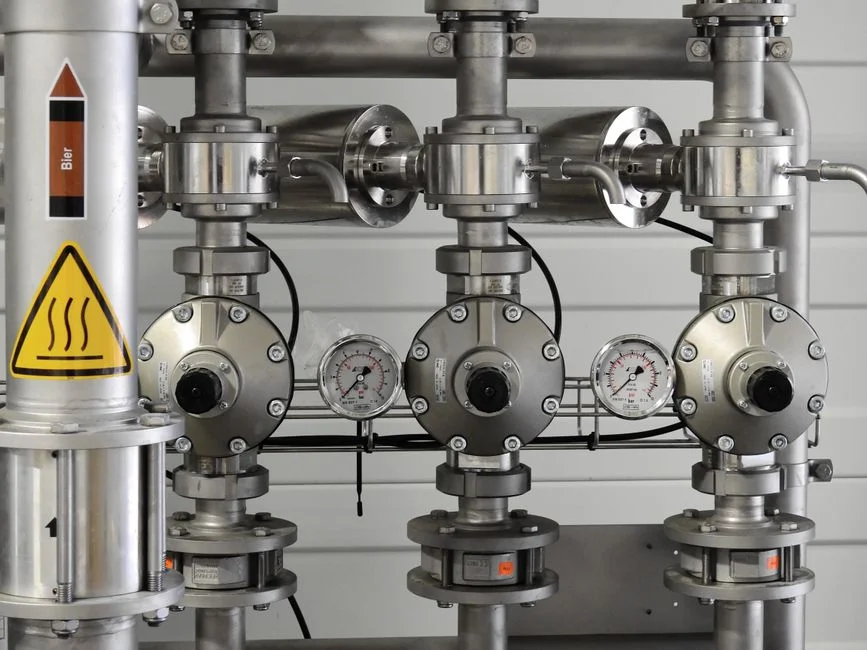
Reuse claims require a treatment objective tied to the destination, not a list of possible uses. Chemtronics lists gardening, toilet flushing, landscape irrigation, cooling towers, car washing, fire sprinklers and non-potable use, but its excerpt gives neither reuse-water quality values nor Navi Mumbai approval conditions. Ask the supplier to map each proposed reuse destination to the relevant effluent parameters and operating controls.
Replace general statements such as “treated water quality within permissible limit” with an acceptance schedule. The test scope should identify parameters, sampling points, methods, sampling frequency, disinfection performance and operating conditions. Require commissioning and operating records that demonstrate whether the plant meets the agreed objective during representative load conditions.
The local design consultant or operator should verify the final process against the applicable discharge or reuse route because the supplied research contains no Navi Mumbai-specific numerical limits, groundwater conditions or permit requirements. Obtain written confirmation of the authority pathway and the required water-quality basis before relying on reuse in the hotel’s water balance.
Supplier selection should test documented flow calculations, process suitability, treatment objectives, site constraints, automation, service scope and commissioning support. Headline capacity and price are not enough. A supplier that can show how its equipment responds to the actual occupancy profile, local plot and stated acceptance tests provides stronger procurement evidence than one offering a generic hospitality package.
Frequently Asked Questions
What capacity does a hotel sewage treatment plant in Navi Mumbai need?
The WSZ A/O package catalogue covers 1–80 m³/h, while the MBR catalogue covers 10–2,000 m³/day. These ranges do not size a project by themselves. Final selection requires occupancy by season, monthly water balance, average and peak daily flow, peak-hour operating profile, wastewater-stream estimates and the selected reuse or discharge route.
Should a Navi Mumbai resort choose an A/O package or MBR?
Use the A/O package as the starting option when a buried, automated, compact treatment train is preferred and the site can support excavation and maintenance access. Use MBR when the available surface area or the required reuse quality is the controlling factor. Confirm that choice against supplier drawings, treated-water objectives, site conditions and the acceptance schedule.
How should a buyer compare supplier quotations and cost?
Ask each supplier to quote from the same site data and identify the sizing basis, process scope and exclusions. The supplied evidence provides no verified Navi Mumbai project price, so a headline price is not a reliable comparison. Require separate figures for equipment, civil work, installation, power connection, sludge handling, monitoring, consumables, preventive maintenance and commissioning.
Which supplier and compliance evidence is required before award?
Require project-specific flow calculations, site drawings, treated-water targets, automation details, commissioning tests, maintenance scope and warranty terms. Separately, obtain written confirmation from the applicable Navi Mumbai authority or the client’s consultant about the discharge or reuse route. No Navi Mumbai-specific numerical limits were supplied in the research, so compliance cannot be closed by a catalogue statement alone.