Confirm the Discharge Route Before Choosing Equipment
Determining whether discharge into the public sewage system is feasible and identifying applicable authorizations is the first step for any domestic sewage treatment project in Hamburg. If a decentralized route is necessary, compare a compact A/O package plant with an MBR against the same verified site inputs. The WSZ underground A/O package treatment plant is specified for 1–80 m³/h, while the MBR membrane bioreactor system covers 10–2,000 m³/day, with filtration below 1 μm and reuse identified as an application focus (HydropureWater verified product catalog, 2026).
Begin with the Hamburg permit route. The Hamburg.com page identifies a permit process for proposals to discharge wastewater into the public sewage system, although the supplied research does not establish current discharge limits, connection charges or site-specific sewer availability (hamburg.com, 2026). That page is therefore a verification starting point, not evidence that every Hamburg property can connect.
Ask the responsible authority to confirm, in writing:
- Whether public sewer infrastructure is available at the proposed connection point;
- Whether connection is technically feasible without unacceptable civil works;
- Which pretreatment or discharge conditions apply to the proposed flow;
- Whether a direct or indirect discharge permit is required;
- Who owns the proposed sewer connection and who will operate it.
Treat “no public sewer available” as a scenario to investigate, not as a verified Hamburg-wide condition. Use the same public sewer versus package plant decision method to separate network constraints from treatment-equipment selection.
Map the Wastewater and Project Requirements
A defensible equipment selection requires an hourly design basis, a defined treatment objective and an identified discharge route before comparing packages. Establishing these parameters ensures that equipment specifications align with site-specific operational needs.
Collect average and peak domestic sewage flow, wastewater characteristics, reuse requirements, available footprint, below-grade installation constraints and operator availability. Record whether the water will enter a public sewer, discharge under a direct permit, or support a defined reuse application.
The two published equipment ranges use different flow bases, so compare them only after converting daily flow to an hourly design basis. The WSZ is specified at 1–80 m³/h. The MBR is specified at 10–2,000 m³/day, with filtration below 1 μm and municipal sewage and reuse applications identified in the HydropureWater product information (HydropureWater, 2026). Do not compare the face values directly.
Use the MBR case when fine solids separation or effluent reuse is central to the project specification. Use the WSZ case when a compact, fully automated, below-grade biological treatment train is the priority; its specified process combines anoxic/aerobic biological contact oxidation, sedimentation and disinfection in one buried unit (HydropureWater verified product catalog, 2026).
Before requesting equipment proposals, obtain the following missing information:
- Representative wastewater analysis and any seasonal or operational peaks;
- Electrical supply, control requirements and available utilities;
- Ground conditions, installation envelope and maintenance access;
- Sludge, solids or treated-effluent handling requirements;
- The reuse endpoint and the receiving party;
- The authority or party responsible for approval.
Use the WSZ underground A/O package treatment plant and MBR membrane bioreactor system pages as starting points for a technical data request, not as substitutes for a site-specific mass balance or Hamburg approval.
Compare Public Sewer, A/O Package and MBR Options
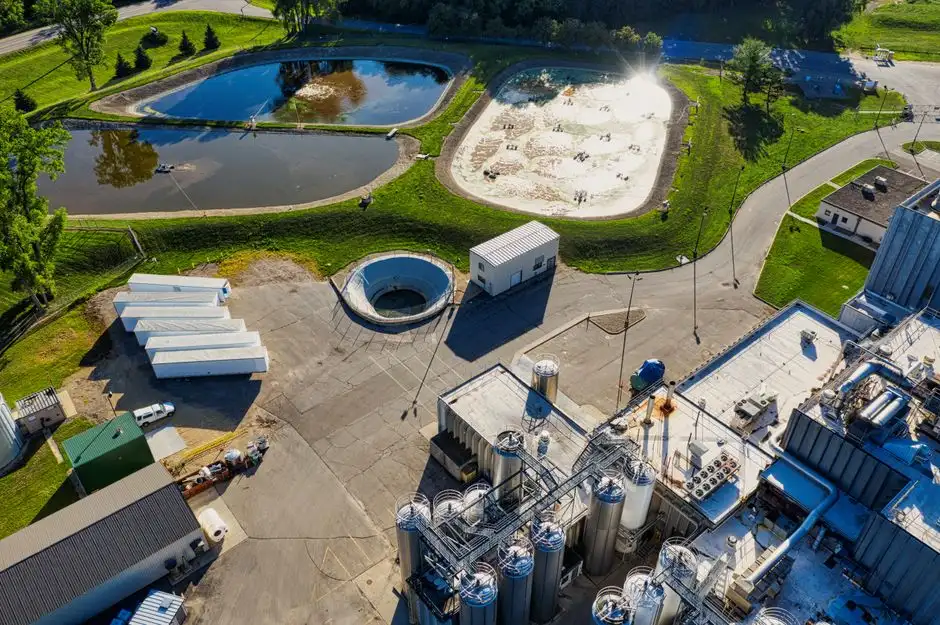
The public-sewer route serves as the primary option when the authority confirms availability, feasible connection and acceptable discharge conditions. Evaluating these alternatives requires a clear understanding of how each system addresses site constraints.
| Decision criterion | Hamburg public sewer | WSZ A/O package plant | MBR system |
|---|---|---|---|
| Verified equipment flow range | Not established by supplied research | 1–80 m³/h | 10–2,000 m³/day |
| Specified treatment configuration | Off-site network route; site pretreatment requirements must be confirmed | Anoxic/aerobic contact oxidation, sedimentation and disinfection in one buried unit | Membrane bioreactor with filtration below 1 μm |
| Installation and footprint | Connection route and civil scope require confirmation | Below-grade unit with landscaping above; trailer mounting is also specified | HydropureWater specifies a 60% smaller footprint than conventional systems |
| Operating implication | Confirm network operator responsibilities and site-side obligations | Fully automated; no operator required | Confirm membrane cleaning, control and maintenance requirements with the supplier |
| Primary selection trigger | Confirmed availability, connection feasibility and permit conditions | Compact integrated biological package and automated buried installation | Very fine solids separation or reuse-focused treatment |
| Must be confirmed for Hamburg | Connection terms, approval conditions, limits and charges | Applicable discharge standard, installation conditions and acceptance tests | Applicable discharge or reuse standard, testing and membrane maintenance scope |
The comparison rule is conditional. Favor the public sewer where connection is available and technically viable. Favor the WSZ where a below-grade integrated biological package and automated operation matter more than membrane-grade solids separation. Favor the MBR where reuse or very fine solids separation drives the specification. The A/O package plant versus MBR comparison provides a useful route-specific reading, but the Hamburg decision must still use verified site data.
Do not infer Hamburg discharge compliance from capacity or process descriptions. Obtain the applicable receiving-water, direct-discharge and pretreatment requirements in writing, including the effective date and responsible authority.
Build the Equipment Request and Acceptance Checklist
A comparable supplier proposal must state the same design basis, performance duty and commercial boundaries for every route evaluated. Standardizing these requirements ensures that bids can be accurately assessed against one another.
| Information or commitment | Responsible party | Required before purchase |
|---|---|---|
| Survey, land availability, access route and ground conditions | Site owner | Current site information and defined installation envelope |
| Utilities, electrical supply and control interface | Site owner and supplier | Supply capacity, connection point and utility responsibilities |
| Flow, wastewater analysis and reuse objective | Site owner | Representative data and agreed design basis |
| Discharge or reuse standard | Owner and approving authority | Written requirements with effective date |
| Acceptance method | Supplier and owner | Standard, test methods, sampling points, guarantee conditions and handover documents |
| Installation configuration | Supplier and civil contractor | Below-grade, above-grade or trailer configuration, including associated civil works |
| Operating and commercial scope | Supplier and owner | Power, chemicals, residuals, routine maintenance, attendance, spares and exclusions |
The commercial comparison should cover the total installed scope, not only the equipment price. Include excavation or civil works, power, chemicals, sludge or residuals, routine maintenance, operator attendance, commissioning and spare-parts support. The WSZ can be installed below grade with landscaping above or mounted on a trailer for mobile deployment; ask the supplier to identify which configuration applies and which civil works are included (HydropureWater verified product catalog, 2026).
Use the MBR versus activated sludge selection guide to challenge process assumptions, but adapt the procurement checklist to the Hamburg discharge route and verified receiving requirements.
Validate Performance Before Purchase
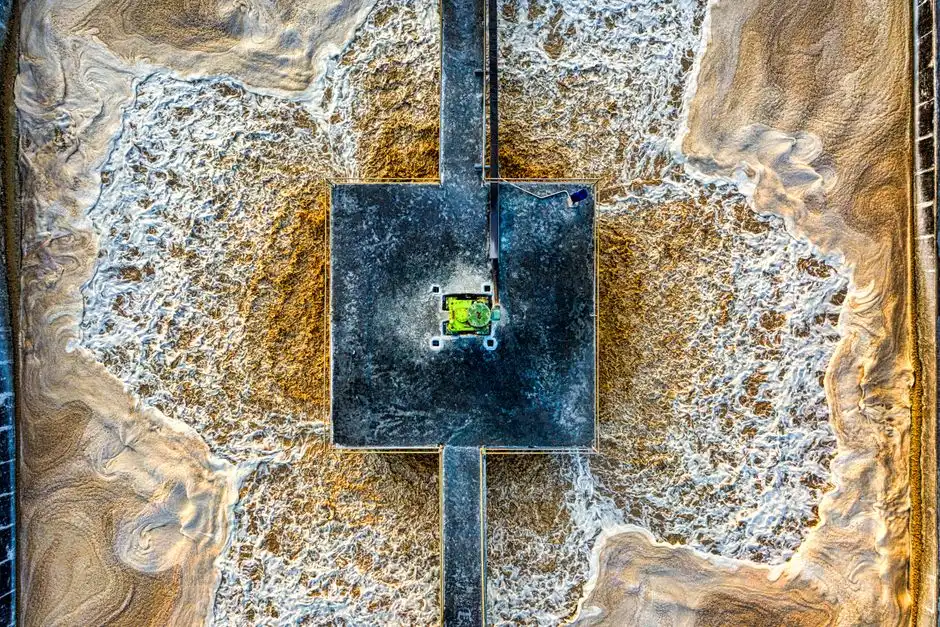
Performance validation must connect the proposed process to the verified influent, discharge route and applicable standard. Verifying these technical details prevents costly integration issues after installation.
Request documented operating principles, commissioning tests, preventive-maintenance tasks, alarm handling, sampling provisions and effluent or reuse monitoring. Include training for the people responsible for routine checks, although the WSZ specification states that the unit is fully automated and requires no operator (HydropureWater verified product catalog, 2026). Define which events require attendance, how retained sludge is handled and how the authority is notified.
Academic research supports the wider use of treatment technologies for domestic sewage, including a centralised versus decentralised comparison in the IntechOpen vermifiltration chapter (IntechOpen, 2026). It does not validate a particular packaged treatment configuration for Hamburg. The WSZ mechanism should be explained clearly during handover: biological contact oxidation is followed by solids separation and disinfection within the specified integrated unit (HydropureWater verified product catalog, 2026).
Before acceptance, align the final test plan with the confirmed Hamburg requirement and identify whether compliance depends on permit conditions, a reuse specification, self-declaration or witnessed sampling. The WSZ underground A/O package treatment plant documentation should therefore be one part of the approval record, not evidence that local compliance has already been established.
Frequently Asked Questions
What does a decentralized sewage treatment system cost for a Hamburg site?
Request a site-specific installed-cost quotation covering equipment, connection or discharge permit work, excavation, power, controls, commissioning, chemicals, residuals, maintenance and operator attendance. The supplied research provides no current Hamburg quotation, connection charge or equipment price, so a defensible budget needs those inputs plus the confirmed discharge route.
How should I size an A/O package plant or MBR for a hotel or municipal site?
Give suppliers the same average and peak flow, wastewater analysis and hourly design basis. Compare the WSZ range of 1–80 m³/h directly with the MBR range of 10–2,000 m³/day only after converting daily flow to hourly demand (HydropureWater, 2026). Then check footprint, reuse requirements and operator availability.
Which supplier should be selected for a Hamburg domestic wastewater treatment plant?
Evaluate suppliers against the same technical and commercial schedule. Require documented process sizing, confirmed flow basis, installation responsibility, testing method, guarantee conditions, maintenance scope, spare-parts support and handover documentation. Do not treat capacity alone as proof of suitability.
What must be confirmed before discharge approval in Hamburg?
Confirm sewer availability, connection feasibility, pretreatment or direct-discharge conditions, sampling requirements and the responsible authority in writing. The supplied research confirms a Hamburg permit pathway but does not establish current local limits or connection terms (hamburg.com, 2026), so those matters remain project-specific verification items.