Define the wastewater and intended effluent outcome
An effluent treatment plant in Khulna should be selected by measured wastewater characteristics, flow variation and the required effluent use—not by copying a municipal sewage design. Textile-sector evidence illustrates the operational risk: Transparency International Bangladesh reports that ETPs are legally required for relevant Red-category industries, while factory adoption estimates range from 40–80% and many installed plants are poorly designed or inappropriately operated (Transparency International Bangladesh, 2017). A defensible train may combine screening, equalization, DAF, biological treatment, solids separation and polishing. The supplied research contains no Khulna-specific wastewater data or verified discharge limits, so final sizing requires site sampling and confirmation with the relevant authorities.
Start with a signed process-characterization sheet rather than a catalogue comparison. Record average and peak flow, operating hours, wastewater temperature, pH, BOD, COD, TSS, oil and grease, conductivity, color, dye, toxicity and the final discharge route. Identify whether flow comes from concentrated dye-house or dyeing streams, washing water, cooling water, sanitary wastewater or a combined stream. Include production-dependent variation and any batch discharges, because an average flow can conceal hydraulic and contaminant peaks.
Define the objective before selecting equipment:
- Environmental discharge: obtain the applicable discharge conditions, sampling requirements and receiving-water information from the Department of Environment and the relevant local authority.
- Industrial reuse: state the intended process, quality parameters and any customer or site specification. Nanofiltration research by the University of Twente addresses polishing wastewater-treatment-plant effluent for agricultural or potable-use applications; it is not evidence that nanofiltration is required for basic ETP treatment (Schrader, PhD thesis, publication date not stated in supplied excerpt).
For sector context only, Transparency International Bangladesh (2017) reports that Bangladesh textile and RMG operations discharged 12.7–13.5 million m³ of wastewater annually. This is not a Khulna flow-design basis. The same study states that reliable data on total textile-industry effluent generation were unavailable, which makes site-specific monitoring essential.
Use the municipal sewage treatment plant process guide only to understand the distinction between sanitary and industrial treatment. It cannot substitute for characterization of the factory’s wastewater or a verified Khulna reuse specification.
Separate industrial ETP duties from sewage treatment
Industrial effluent pretreatment must address the contaminants and flow regimes created by the factory, while sewage treatment primarily addresses domestic sanitary wastewater. A factory ETP may receive concentrated process streams, washing water, cooling water, sanitary wastewater or a combination, so the selected process should follow the source streams and their interactions rather than a generic “sewage plant” description.
For textile dyeing, the industrial boundary is more demanding because the wastewater can contain dye, salt and process chemicals that affect biological treatment, membrane operation and sludge handling. Transparency International Bangladesh (2017) reports that an estimated 10–20% of dye remains in wastewater at the end of the dyeing process. That finding supports source control, batch segregation and close characterization; it does not establish a universal removal efficiency or treatment-train capacity.
Bangladesh environmental law requires ETPs for all Red-category wastewater-producing industries, including textile dyeing plants, according to Transparency International Bangladesh (2017). The same study reports factory ETP adoption estimates of 40–80% and widespread poor design or inappropriate operation. These findings make operation and monitoring design requirements, not optional additions to procurement.
An underground integrated sewage plant is relevant only if its biological, solids-separation and disinfection functions match the sanitary wastewater component and the intended discharge outcome. It should not be selected as a substitute for industrial unit operations addressing oil and grease, suspended solids, color, dye, toxicity or variable process chemistry. Where combined treatment is proposed, document how industrial streams are equalized and whether contaminants could inhibit the biological process.
Before procurement, require the proposed process to define:
- Which streams enter the ETP and which are excluded.
- Where equalization and segregation occur.
- Which unit removes each identified barrier.
- How sludge, chemicals, screenings and rejected water are handled.
- Who operates each stage and responds to alarms.
This separation prevents a buyer from purchasing nominal treatment capacity without a documented operating route for the actual effluent.
Match each treatment barrier to the right equipment
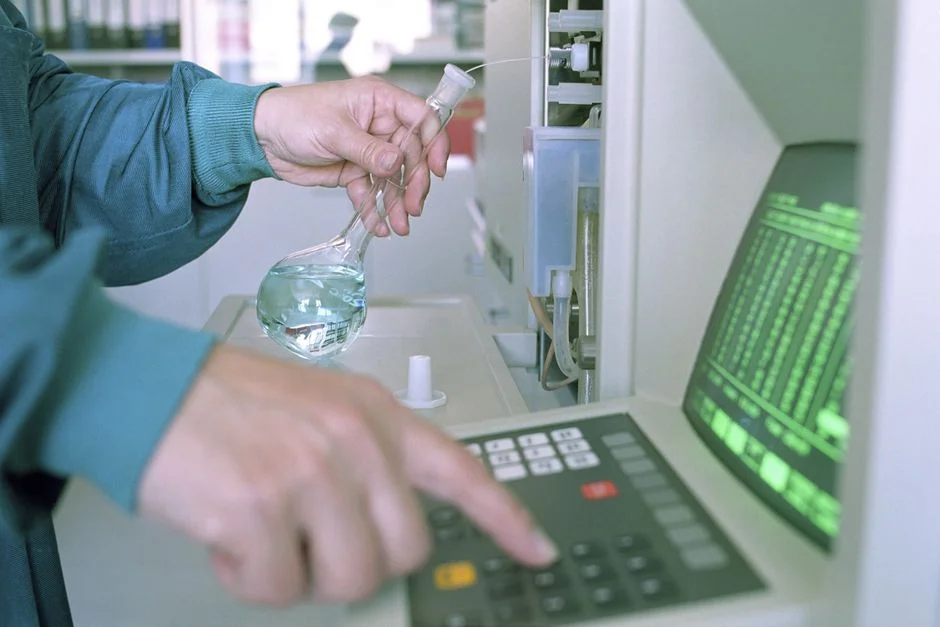
Equipment selection should follow the contaminant barrier, not a preferred brand. Screening protects downstream equipment from solids and debris; equalization controls flow and load variation; DAF addresses floatables and suspended material; biological treatment addresses biodegradable organics; MBR or clarification separates solids; and polishing is added only when the discharge or reuse objective requires it.
Fill the worksheet below for each factory stream before comparing quotations:
| Measured barrier or objective | Selection decision | Verification required |
|---|---|---|
| Rags, plastics, fibrous debris or coarse solids | Include mechanical screening before pumps and fine treatment equipment. | Screen type, extracted material handling and blockage response. |
| Variable flow, batch discharge or fluctuating load | Provide equalization and assess mixing, retention and return-flow arrangements. | Peak-flow basis, operating profile and equalization performance. |
| Suspended solids, oil and grease, FOG or floatable colloidal material | Assess DAF pretreatment, with chemical dosing determined by wastewater tests. | Float removal, sludge handling and performance under the actual oil and solids profile. |
| Biodegradable organic load | Assess biological treatment after harmful substances and load variation are controlled. | Organic removal basis, biomass control, aeration and sludge wasting. |
| Requirement for membrane solids separation | Assess an integrated MBR system. | Membrane design, cleaning, fouling control, backup and replacement assumptions. |
| Compact solids separation after flocculation | Assess lamella clarification. | Surface loading basis, sludge recirculation and inclined-plate separation performance. |
| Advanced reuse or micropollutant objective | Assess nanofiltration or constructed wetlands as options, not default stages. | Target contaminant, feed quality, pretreatment, land requirement and acceptance criteria. |
Mechanical screening is a first barrier-removal step. The product catalogue describes the GX bar screen as removing suspended solids, rags, plastics and fibrous debris; confirm actual screen aperture, extracted-material handling and installed capacity during supplier review.
DAF pretreatment is appropriate when suspended solids, oil and grease, FOG or floatable colloidal material dominates the separation problem. The catalogue states that HydropureWater DAF systems cover 4–300 m³/h across 13 models (product catalogue; no publication date stated in supplied excerpt). Use the DAF system for industrial effluent pretreatment only after establishing the wastewater flow, required hydraulic separation duty and chemical-conditioning need. Do not use the catalogue envelope as proof that a unit fits the site.
Biological treatment should follow control of substances that inhibit microorganisms. MBR is appropriate where the design requires membrane-based solids separation with the biological process. The product catalogue states that the integrated MBR wastewater treatment system covers 10–2,000 m³/day and provides filtration below 1 μm (product catalogue; no publication date stated in supplied excerpt). Review the integrated MBR wastewater treatment system against the measured flow, organic load, operating hours, membrane-cleaning method and rejected-sludge route. “Filtration below 1 μm” is a filtration claim, not a complete effluent-quality guarantee.
Lamella clarification is a candidate where flocculation, sludge recirculation and inclined-plate separation suit the flow and solids profile. It should be selected for a defined solids-removal duty, not included simply because the train needs a settling stage.
Advanced treatment needs a specific target. University of Twente research identifies nanofiltration as a potential polishing process for effluent reclamation (Schrader, PhD thesis, publication date not stated in supplied excerpt). Wageningen University and Research’s 2022 doctoral research examines constructed wetlands for micropollutant removal from treatment-plant effluent. Neither source establishes either option as a universal requirement for an industrial ETP in Khulna.
Build the treatment train and prepare for verification
A procurement-ready train should follow a traceable sequence: characterize and segregate streams; equalize flow and load; remove debris; remove floatables or suspended solids; reduce biodegradable load; separate biological solids; then polish or disinfect only where the required effluent outcome demands it. Each stage should have an input, treatment purpose, output and measurable acceptance criterion.
For textile dyeing, investigate color, salt and process chemistry before finalizing biological or membrane sizing. Transparency International Bangladesh (2017) reports that an estimated 10–20% of dye typically remains in wastewater at the end of dyeing. The buyer should therefore request dye-species and salt data where relevant, rather than treating “textile wastewater” as a single design category. Source segregation may also prevent a concentrated batch from destabilizing equalization or biological treatment.
Ask each supplier to state, in the quotation and technical offer:
- Guaranteed flow basis and operating hours.
- Treatment-performance basis, including the wastewater characteristics used.
- Design flow, hydraulic retention and contaminant-loading assumptions.
- Utilities and pretreatment chemicals.
- Installed footprint and civil-works requirements.
- Sludge-generation and disposal assumptions.
- Controls, alarms, interlocks and remote-monitoring provisions.
- Installation boundary, commissioning tests and operator training.
- O&M staffing, spare parts, membrane-cleaning and sludge-disposal obligations.
Use an effluent treatment plant cost breakdown as a structure for separating capital and operating costs, but not as a Khulna price estimate. The supplied research contains no Khulna equipment price, installation quotation or operating-cost figure. Request itemized local quotations covering civil works, equipment, electrical works, installation, commissioning, chemicals, sludge handling, operator labour, maintenance, membrane replacement and energy consumption.
Compliance verification must be local. Transparency International Bangladesh (2017) supports the need for adequate enforcement and full-time monitoring of effluents and ETP functions, but it does not provide a Khulna permit checklist or numerical discharge limit. Confirm the current environmental clearance, applicable effluent conditions, sampling protocol and local authority requirements with the Department of Environment and the relevant Khulna authority. Put sampling points, responsible operators, record forms, alarm escalation and corrective-action procedures into the procurement scope.
For acceptance testing, require agreed influent and effluent sampling points, documented operating conditions, calibration records, laboratory methods, performance calculations and retest provisions. A supplier should not be accepted on nameplate capacity alone. The process must demonstrate that the selected stages work together on the factory’s wastewater, and that operators can maintain the required conditions.
Frequently Asked Questions
How should an ETP for a Khulna factory be sized?
Size it from measured peak and average flow, operating hours, hydraulic retention needs, contaminant loads and the selected process. Factory floor area is not a valid capacity basis. Require the supplier to show the sizing calculations, design basis and operating envelope; if the design relies on equalization, batching or continuous operation, state that explicitly.
What should a buyer check when comparing ETP suppliers?
Check process fit, guaranteed performance, evidence from comparable wastewater, O&M scope, controls, installation terms and measurable acceptance tests. A practical check is to require one proposed process flow diagram with every unit, stream, bypass and rejected-waste outlet identified. Then confirm that the supplier’s performance guarantee names the wastewater characteristics, operating conditions, sampling points and acceptance method.
What information is needed before budgeting an effluent treatment plant in Khulna?
Request a documented quotation after obtaining the wastewater characterization, flow profile, discharge or reuse specification, site drawings and applicable permit conditions. The supplied sources contain no Khulna-specific ETP price, so a defensible budget cannot be stated from national textile-sector figures or overseas cost examples. The quotation should separate equipment, civil works, utilities, installation, commissioning, chemicals, sludge management, energy and O&M.
Can international effluent standards be used as the Khulna discharge limit?
No. The US EPA Effluent Guidelines page demonstrates a performance-based regulatory model in which regulations are established by industrial category according to treatment and control technologies (US EPA, accessed 2026). It is not a Bangladesh or Khulna discharge standard. Use it only as a reference for how a regulator can connect technology performance to categorical requirements; the enforceable conditions for the facility must come from the competent Bangladesh