Set the Decision Basis Before Comparing Technologies
For mining and metals wastewater, choose a submerged membrane bioreactor (MBR) when reliable solids separation, a constrained footprint, or valued reuse water justifies added cost; conventional activated sludge (CAS) remains competitive for large dilute flows, inexpensive power, and serviceable basins. Neither process removes every dissolved metal without dedicated treatment. The Fairless Hills-area decision should therefore begin with the current NPDES permit, discharge or reuse destination, actual wastewater matrix, flow variability, electricity tariff, and available footprint, then be confirmed by pilot testing. HydropureWater’s 2026 comparison reports approximately 60% less civil footprint for MBR, but 20–40% higher capital cost and 15–30% higher operating cost per m³ in a 1,000 m³/day comparison.
The procurement output should be a completed site-input worksheet with an auditable recommendation, not a technology preference by itself. For the Fairless Hills area, obtain the current NPDES permit and identify whether the flow will reach surface water, a publicly owned treatment works, an injection well, or a reuse system. No site-specific Fairless Hills permit limits or wastewater values were provided, so none should be assumed.
Request actual samples representing normal operations and metal-loading pulses. The analytical list should cover dissolved and particulate arsenic, lead, zinc, copper, nickel, cadmium, and selenium as applicable; BOD, COD, the BOD/COD ratio, sulfate, TDS, hardness, pH, temperature, oil and grease, turbidity, and sludge settleability. Record daily flow, peak flow, diurnal variation, rainfall response, and the quality and quantity of each reuse stream.
| Required project input | Information the buyer must obtain | Decision controlled |
|---|---|---|
| Regulatory basis | Current NPDES permit, receiving/discharge route, applicable state and site-specific limits | Compliance scope and treatment targets |
| Wastewater matrix | Dissolved and particulate metals, BOD/COD, sulfate, TDS, hardness, pH, temperature, settleability, and loading pulses | Need for precipitation, biological validation, MBR fouling risk, or CAS clarification |
| Hydraulics | Average, peak, diurnal, and storm flows; equalization requirements | Train capacity, redundancy, and shock handling |
| Site and economics | Available footprint, existing basin condition, electricity tariff, make-up-water cost, and disposal cost | Capital scope, footprint value, and lifecycle comparison |
| Reuse destination | Process, cooling, boiler, irrigation, or other reuse specification | Need for polishing, disinfection, and further treatment |
Use 40 CFR Part 440 as one compliance reference because federal ore-mining and dressing provisions address arsenic, lead, zinc, copper, nickel, and cadmium, but the current permit and applicable state requirements still control the project (HydropureWater, 2026).
Compare MBR and Activated Sludge Against Site Conditions
MBR is the more defensible separator when short metal or loading pulses make clarifier performance uncertain; CAS can remain the lower-complexity choice when flow is dilute, existing basins are serviceable, and reuse does not create sufficient value. The distinction is not that MBR removes more dissolved metals. It is that MBR retains biomass with a physical membrane barrier, while CAS depends on gravity settling in a secondary clarifier (HydropureWater, 2026).
Normal MBR operation is reported at 8,000–12,000 mg/L MLSS, compared with 2,000–4,000 mg/L for CAS using the Lamella-clarifier engineering reference (HydropureWater field data and Lamella-clarifier engineering reference, 2026). These operating concentrations support higher biological inventory in MBR, but they are not substitute design values for the Fairless Hills stream. The project must establish biological loading and solids age from the wastewater matrix and pilot results.
| Decision criterion | Prefer CAS when | Prefer MBR when | Evidence or validation needed |
|---|---|---|---|
| Solids separation | Floc settleability remains reliable through metal and loading pulses | Physical membrane retention is needed to prevent biomass or particulate-metal carryover | Track particulate-metal passage and solids separation |
| Flow character | Large dilute flow with manageable hydraulic variation | Loading pulses make clarification vulnerable | Equalization study and pilot performance |
| Influent chemistry | Carbon, sulfate, hardness, and TDS remain within validated biological conditions | Separation requirements outweigh added fouling and power exposure | BOD/COD, sulfate, hardness, TDS, temperature, and pilot flux |
| Footprint | Space and existing civil infrastructure are adequate | Available land is constrained or reuse equipment must fit | Civil layout and equipment arrangement |
| Reuse | No defined reuse driver or polishing requirement | Reliable solids separation supports a valued reuse route | Destination-specific water-quality specification |
| Cost | Power is inexpensive and avoided membrane, cleaning, and replacement costs dominate | Footprint or reuse value exceeds the incremental lifecycle cost | Equal-scope lifecycle model |
HydropureWater’s 2026 screening guidance treats BOD/COD below 0.3, hardness in the thousands of mg/L as CaCO₃, sulfate above 1,000 mg/L, and TDS above 5,000 mg/L as validation flags, not universal design thresholds. Low biodegradable carbon can limit biological treatment; sulfate, hardness, and TDS can affect biological activity, precipitation, and membrane fouling. These conditions require site testing rather than direct transfer of municipal loading assumptions.
The EPA reports generally higher MBR capital and operating costs for comparable throughput, but smaller space requirements and lower concentrations of bacteria, TSS, BOD, and phosphorus in the effluent (U.S. EPA, 2019 MBR Fact Sheet). HydropureWater’s 2026 comparison cites referenced-facility MBR effluent values of 0.01–1.31 NTU turbidity and 0.10–0.72 mg/L BOD₅; those values are not project guarantees and do not demonstrate dissolved-metals compliance.
Build the Complete Treatment Train
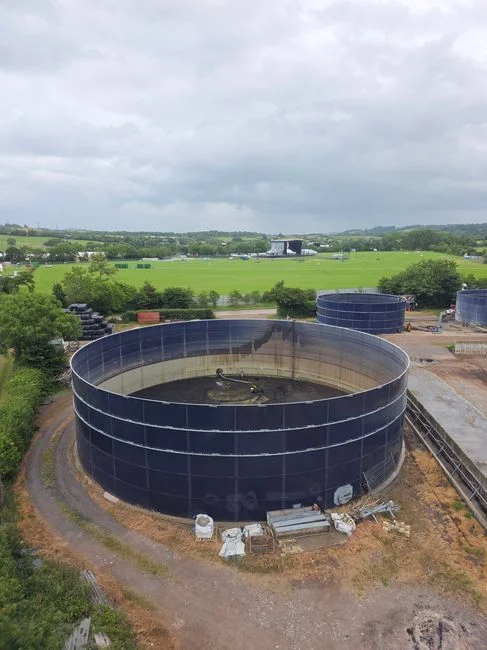
A procurement-grade specification should separate biological treatment, solids separation, dissolved-metals removal, and reuse polishing into distinct duties. MBR replaces the secondary clarifier role in a biological train; it does not replace the treatment required for dissolved metals.
| Train component | Primary function | Selection trigger and limitation |
|---|---|---|
| Fine screening and equalization | Remove debris and reduce hydraulic and load shocks | Protect membranes and stabilize biological and chemical treatment |
| Dissolved-metals precipitation or other dedicated removal | Convert dissolved metals into removable solids | Chemistry, dose, solids separation, and sludge disposition must be validated |
| Biological treatment | Remove biodegradable organics and support applicable nitrification | Performance depends on carbon, temperature, sulfate, TDS, and other influent characteristics |
| CAS clarification or MBR membrane separation | Separate biomass and suspended material | CAS depends on sludge settleability; MBR depends on flux, pressure, cleaning, and pretreatment |
| UV, reverse osmosis, or other polishing | Meet a defined reuse or discharge requirement | Include only where the destination specification requires it |
| Sludge treatment | Reduce and dispose of captured solids | Select dewatering from measured sludge properties |
Both MBR and CAS generally need upstream precipitation or another dedicated dissolved-metals treatment step. Membrane solids retention alone does not establish compliance under 40 CFR Part 440 (HydropureWater, 2026). The mining and metals wastewater pretreatment requirements should be reviewed alongside the current permit and reuse specification.
HydropureWater’s 2026 comparison gives approximate pH ranges of 8.5–9.5 for a CAS precipitation stage and 6.5–7.5 ahead of MBR membranes, while expressly requiring final targets to be established through process design and permit review. Treat these as comparison inputs rather than operating instructions. Jar testing and pilot work should establish reagent dose, reaction sequence, residual solids behavior, and impact on biological or membrane performance.
MBR permeate is not automatically suitable for boiler feed, cooling water, process reuse, irrigation, or zero-liquid discharge. Define the receiving equipment, required water quality, temperature, conductivity, scaling tendency, disinfection needs, and allowable variability before adding UV, reverse osmosis, or another barrier. The integrated submerged-membrane MBR system can form part of that train, but it does not determine the complete pretreatment or polishing scope.
Test the Commercial Case and Pretreatment Needs
The commercial comparison is valid only when MBR and CAS proposals carry the same flow, effluent duty, civil work, pretreatment, and sludge-disposal scope. Otherwise, apparent savings may simply reflect an omitted membrane package, chemical system, replacement reserve, or solids-handling cost.
| Commercial item | Screening evidence | Procurement action |
|---|---|---|
| Capital cost | For 1,000 m³/day, MBR capital cost was reported 20–40% above equivalent-flow CAS (HydropureWater field data and Lamella-clarifier engineering reference, 2026) | Request equally scoped quotations |
| Operating cost | For the same comparison, MBR operating cost was reported 15–30% higher per m³ (HydropureWater field data and Lamella-clarifier engineering reference, 2026) | Model power, reagents, cleaning, replacement, labor, and sludge handling |
| Footprint | MBR can require approximately 60% less concrete and civil footprint (HydropureWater and Lamella-clarifier engineering reference, 2026) | Value the footprint only against a defined site constraint |
| Energy | Electricity below about $0.07/kWh was identified as favorable for CAS (HydropureWater, 2026) | Apply the actual tariff and equipment load |
| Reuse value | A typical 4–6-year payback condition was identified when make-up water exceeds about $2/m³ or brine disposal has a real cost (HydropureWater, 2026) | Use the actual avoided-water and disposal values, not the screening assumptions |
| Sludge | MBR waste sludge may have lower settleability and more colloidal particles than CAS waste activated sludge (HydropureWater, 2026) | Test dewatering and evaluate a plate-and-frame sludge filter press against measured properties |
The cited capital and operating ranges are screening comparisons, not quotations for a Fairless Hills project. The MBR wastewater cost per m³ guide can structure the estimate, but the local model needs the measured flow profile, treatment targets, tariff, chemical prices, waste route, cleaning frequency, membrane replacement assumptions, and disposal cost.
Pretreatment must be included in the price. HydropureWater’s 2026 specification cites fine screening of 1–3 mm, with 1–2 mm cited for hollow-fiber modules and 2–3 mm for flat-plate modules. The comparison should also cover equalization, automatic dosing, membrane cleaning, replacement, controls, blowers, permeate pumping, and sludge dewatering. The DAF versus lamella clarifier comparison may inform clarification options, but selection requires the actual solids, floatables, oil, and loading data.
Run a Pilot and Issue Acceptance Criteria
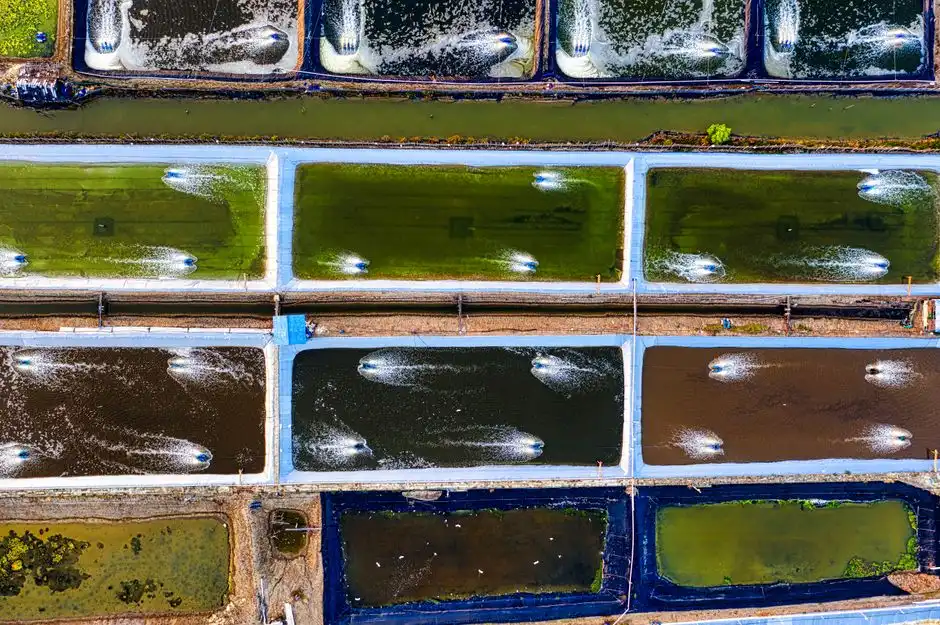
A 60–90 day cassette pilot with actual wastewater is justified when metal pulses, low BOD/COD, sulfate, hardness, or high TDS could undermine biological performance, settleability, or membrane flux (HydropureWater, 2026). The pilot should test the proposed train, not only a membrane coupon, because precipitation chemistry, equalization, biological acclimation, and solids handling can change one another.
- Establish the permit- and reuse-based flow basis, then record influent variability and metal-loading pulses.
- Operate the proposed biological and separation sequence with representative wastewater.
- Track solids separation, dissolved and particulate metals, transmembrane pressure, normalized flux, chemical demand, cleaning recovery, and sludge dewatering.
- Compare MBR and CAS scenarios against the same effluent duties and lifecycle-cost boundaries.
- Issue the final train specification only after pilot results and permit review close the identified risks.
| Procurement acceptance item | Required information or test | Acceptance evidence |
|---|---|---|
| Design basis | Average and peak flow, wastewater matrix, permit duty, and reuse profile | Supplier-stamped calculation and signed basis |
| Membrane configuration | Module type, membrane area, configuration, and design flux | General arrangement and sizing calculation |
| Pretreatment | Screening, equalization, dosing, grit or solids removal where justified | Process narrative, drawings, and operating ranges |
| Redundancy | Standby capacity and treatment during maintenance or cleaning | Availability and redundancy calculation |
| Cleaning and replacement | Cleaning sequence, chemical demand, recovery criteria, and replacement assumptions | Written procedure and lifecycle-cost allowance |
| Controls | Automated pH and chemical dosing, pressure, flux, and cleaning controls | Control narratives and functional description |
| Performance test | Test with project wastewater | Agreed solids, metals, flux, recovery, and chemical-consumption criteria |
| Sludge scope | Generation, dewatering, storage, transport, and disposal responsibility | Measured sludge properties and responsibility matrix |
Require the supplier to state the flow basis, membrane configuration and area, pretreatment, redundancy, cleaning sequence, controls, replacement assumptions, sludge-disposal scope, and performance-test method using project wastewater. Pilot acceptance should use measured results, not generic membrane performance claims.
Frequently Asked Questions
What does MBR cost compared with CAS for a 1,000 m³/day installation?
HydropureWater’s 2026 comparison reports MBR capital cost at 20–40% above equivalent-flow CAS and operating cost at 15–30% higher per m³. Those figures are screening values, not project quotations. A valid local estimate must use identical average and peak flow, effluent duties, civil work, pretreatment, sludge handling, power, chemical cleaning, labor, membrane replacement, and disposal scope.
How should an MBR or CAS train be sized for a Fairless Hills mining project?
Size from the permit duty, actual influent matrix, flow variability, pretreatment, and reuse profile rather than peak nominal flow alone. The Fairless Hills wastewater values and permit limits were not supplied, so the buyer must obtain those inputs before comparing equipment capacity. The project should also test how metal pulses, low BOD/COD, sulfate, hardness, and TDS affect biological loading, settling, and flux.
What should be compared when selecting an MBR supplier?
Require comparable proposals showing pilot data, membrane configuration and area, pretreatment, equalization, automatic dosing, cleaning sequence, controls, redundancy, replacement assumptions, sludge-disposal scope, and a performance-test protocol using project wastewater. Do not allow a generic product range to substitute for site-specific results. Membrane format and area should be justified by the demonstrated wastewater matrix and required flux.
Does an MBR satisfy dissolved-metals requirements by retaining solids?
No. Membrane solids retention can prevent biomass and particulate-bound metals from passing through the separator, but it does not remove every dissolved metal. Both MBR and CAS generally require precipitation or another dedicated dissolved-metals step (HydropureWater, 2026). Compliance must be demonstrated against the current NPDES permit and 40 CFR Part 440, including dissolved and particulate metals under site conditions.