How a Belt Filter Press Fits an Airport Wastewater Plant
A belt filter press can be used for airport wastewater sludge when the solids are sufficiently conditioned for continuous solid–liquid separation and the installation can manage filtrate return, cake removal, odor control and maintenance access. The equipment works by progressively increasing pressure along the roller sequence, producing clarified filtrate and press cake; feed is often pretreated with flocculant. Airport projects require a duty-specific assessment because the supplied research provides no universal cake-solids, throughput or filtrate-quality figures. Procurement should therefore begin with representative sludge testing and require suppliers to define performance conditions, operating modes and pretreatment needs.
A belt filter press is continuous solid–liquid separation equipment used to dewater sludge from municipal and industrial wastewater treatment. According to the Alfa Laval ASH working-principle source, conditioned feed enters the machine, pressure increases along the roller sequence, and water is removed as clarified filtrate while solids leave as press cake. That mechanism places the press after the upstream wastewater processes that generate and concentrate the solids; it does not replace biological treatment, clarification, oil removal or other upstream unit operations.
The ASCE paper “Belt Filter Press Dewatering of Wastewater Sludge,” published in 1988 in Journal of Environmental Engineering, volume 114, issue 5, page 991, provides established academic context. The accessible supplied scrape contains no numerical findings, so it cannot support an airport capacity, dry-solids or filtrate-quality specification. All airport-specific performance values must instead be established for the selected sludge, conditioning regime and machine configuration. A supplier may use the academic paper as background, but the award basis should be the airport’s own sludge and test results.
For an airport installation, the selection boundary also includes utilities, wash-down, chemical storage, enclosed cake discharge, operator access and the route for returned filtrate. When reviewing a plate and frame sludge dewatering alternative, keep it outside the belt-press category: it is a different machine with different operating and maintenance characteristics.
Characterize the Sludge Before Selecting the Press
Representative sludge characterization is the defensible starting point because feed solids and filter-medium choice affect separation performance, while airport streams can vary with seasonal operations and upstream treatment. Request samples across relevant operating conditions rather than selecting from average influent data alone. Ask the airport laboratory or process engineer for solids concentration, particle-size distribution, oil and grease, fibrous material, grit, temperature, pH and chemical-conditioning history. Include de-icing chemicals, wash water, oils, solids carryover from treatment processes and seasonal wastewater-temperature changes as items to investigate; the supplied research provides no airport-specific concentrations for them.
The BRIN plate-frame study supports the need to test both solids concentration and filter-medium selection. It tested 1–4% w/w CaCO₃ and reported 56.00% solute efficiency for cotton cloth at 4% w/w, outperforming drill cloth (National Research and Innovation Agency, “Studi Proses Dewatering Di Unit Pengolahan Air Limbah menggunakan Plate-Frame Filter Press”). This is not belt-press evidence because the equipment and filter-medium arrangement differ, but it demonstrates why both feed condition and dewatering medium belong in the test record.
Define the required endpoints before comparing proposals. They should include the target cake dry-solids result, filtrate solids, permissible filtrate return and cake-disposal route. The supplied research does not prescribe universal values for these airport parameters; the airport’s process engineer and permitting route must set them.
| Input or endpoint | Evidence the buyer should obtain | Why it enters the award basis |
|---|---|---|
| Representative feed | Samples spanning relevant airport operating conditions | Prevents selection from average influent data that may not represent the press feed |
| Solids and solids distribution | Concentration and particle-size characterization | Supports feed-solids basis for testing and conditioning evaluation |
| Contaminants and condition history | Oil and grease, grit, fibers, pH, temperature and prior chemical use | Identifies pretreatment, wear and operating risks |
| Separation endpoints | Target cake dry solids, filtrate solids and permitted filtrate return | Defines what the supplier must demonstrate |
| Cake route | Storage, transfer and permitted disposal method | Determines discharge arrangements and downstream acceptance |
An automated sludge conditioning system should be specified only after the required chemical, mixing point and control response are defined by the pilot work.
Build a Pretreatment-to-Cake Process Flow
The airport sludge dewatering flow should be coordinated as a complete train rather than a press in isolation. The proposed sequence is:
- Characterize the source sludge and its operating variability.
- Screen the stream to remove material that could damage the press or interfere with cake handling.
- Equalize the feed as required for the selected duty and production schedule.
- Condition the sludge with the chemical and mixing arrangement established by testing.
- Separate solids continuously through the belt press.
- Route the clarified filtrate back to the appropriate wastewater treatment stage.
- Store, transfer and dispose of the filter cake through the approved route.
The GX Series rotary mechanical bar screen is a relevant pretreatment example. Its verified catalog description identifies continuous-duty fine screening and removal of suspended solids, rags, plastics and fibrous debris. A GX rotary mechanical bar screen should therefore be evaluated as part of protecting downstream equipment and cake logistics, not assumed to provide the required conditioning.
The Alfa Laval ASH working-principle source states that belt-press feed is often pretreated with flocculant to enhance separation. That creates a process interface with chemical storage, dosing, mixing and controls. The verified automatic chemical dosing system catalog confirms PLC-controlled injection of coagulants, flocculants, pH adjusters and specialty chemicals, but the chemical selection and dose still require duty-specific evidence.
Filtrate-return planning must identify the receiving process, hydraulic effect and solids load before startup. A return line that appears minor at design flow may concentrate solids and organic loading when sent back to the headworks or another unit. The design should show flow, solids mass and operating control for normal, startup, shutdown and upset conditions.
Cake removal completes the process train. The design needs a discharge route that controls odor and worker exposure, protects the belt from impact or buildup, and transfers cake to the selected storage or disposal arrangement. If that downstream interface cannot be operated reliably, the press should not be awarded as an isolated unit.
Compare Belt Press Options Without Assuming Performance
A belt press should be compared by the complete operating duty rather than by a generic throughput statement. Review feed-conditioning demand, continuous-operation suitability, configuration flexibility, filtrate management, operator intervention and cake-discharge arrangements. The Alfa Laval source describes several models and multiple configurations that can be customized for the duty, but it does not provide enough information for universal model selection.
Plate-and-frame equipment is a nearby sludge-dewatering alternative, not a belt press. The verified HydropureWater catalog lists filtration areas from 1 to 500 m² and manual, hydraulic or fully automatic PLC-controlled operation. That range establishes available catalog configurations, not project-specific adequacy. When evaluating plate and frame sludge dewatering, compare the selected filtration area and operating mode against the airport’s sludge, production schedule, labor availability and cake-handling requirements.
| Selection factor | Belt filter press | Plate-and-frame filter press | Evidence needed for the award |
|---|---|---|---|
| Operating mode | Continuous progression through roller pressure stages | Catalogued manual, hydraulic or automatic operation | Demonstrate behavior with airport sludge at the proposed production schedule |
| Conditioning | Conditioned feed commonly uses flocculant | Conditioning requirements must be established for the selected arrangement | Specify chemical, dose, mixing method and control response |
| Filter medium | Belt and cloth arrangement must be defined | Plate-and-frame study compared cotton and drill cloth | Report the proposed medium and test results under project conditions |
| Filtrate handling | Continuous clarified-filtrate stream | Filtrate collection and return depend on configuration | Confirm receiving stage, flow and solids-load effects |
| Operator intervention | Wash-down, tracking, tensioning and cake removal must be assessed | Batch opening, closing or automatic cycles affect labor | Record intervention frequency and access requirements during testing |
| Cake discharge | Continuous or configured cake-discharge arrangement | Plate opening and cake release differ from belt discharge | Verify containment, transfer and approved disposal route |
The BRIN study used a plate-frame arrangement and therefore cannot transfer its measured performance directly to a belt press. Use it only as evidence that feed concentration and filter-medium choice require controlled examination.
Apply a conditional decision: favor a belt press when representative testing supports continuous solids separation and airport operations can manage conditioning, wash-down, cake removal and maintenance; evaluate plate-and-frame equipment when batch operation or its catalogued filtration-area range aligns better with the project. If neither option is supported by project-specific evidence, retain the requirement for further testing rather than selecting from catalog data.
Set the Pilot Test and Supplier Performance Conditions
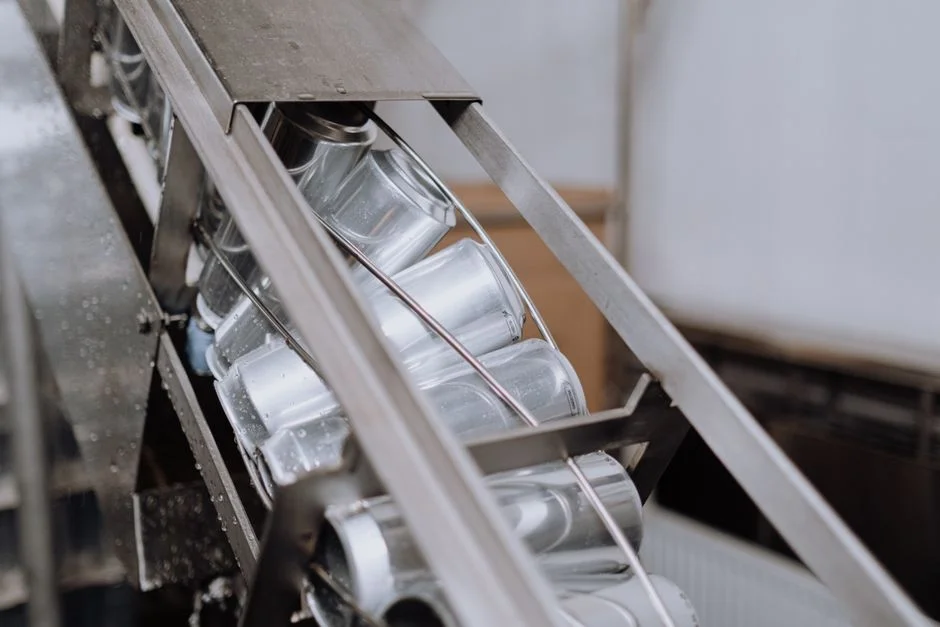
A defensible pilot dewatering test must reproduce the proposed airport duty rather than demonstrate a generic machine. Use representative airport sludge, the proposed conditioning chemical, belt or cloth, pressure sequence and feed rate. Record the results in a protocol that also captures startup, shutdown, wash-down, belt tracking and cake-discharge behavior. Those observations determine whether the package can be operated and maintained, not merely whether a separation endpoint was reached once.
Require suppliers to complete the performance record below. The supplied research contains no values to insert for these fields; each must come from the pilot or be explicitly left as a bidder-specified value with supporting basis.
| Test or guarantee field | Supplier entry required | Acceptance information |
|---|---|---|
| Feed condition | Tested feed solids and airport sludge source | Sample characterization and test date |
| Conditioning | Chemical and dose | Preparation, mixing and dosing method |
| Machine operation | Pressure sequence and feed rate | Configuration, belt or cloth and operating duration |
| Separation result | Cake dry solids and filtrate solids | Test method and representative sample basis |
| Production result | Cake production rate | Operating duration and calculation basis |
| Operability | Startup, shutdown, wash-down, tracking and discharge observations | Operator actions, interruptions and site constraints |
| Guarantee | Capacity and performance commitment | Duty conditions, test method and correction basis |
Include a bypass or operational contingency so a trial does not dictate airport-wide treatment continuity without engineering review. The bypass must have defined limits, interlocks, a safe operating state and authority to operate; naming a bypass alone is not a control plan.
Any proposed guarantee should identify the feed solids, conditioning condition, feed rate, operating duration, test method and correction basis. “Maximum throughput” without a feed condition is not auditable. If a bidder cannot connect its guarantee to the airport’s representative sludge and required endpoints, the proposal has not established a technical basis for award.
Require the pilot to run long enough to reveal belt tracking and cake-discharge behavior, but do not infer a warranty period from the trial. Supplier obligations for correction, retesting and remedy should be written separately from the test record.
Plan Operations, Maintenance and Airport Site Constraints
Maintenance access must be designed into the airport installation because belt presses combine moving belts, cloth surfaces, wash points, sludge and cake handling. The layout should provide safe access for belt and cloth inspection, wash-down, tensioning, tracking correction, polymer-system service and cake removal. Confirm worker access and chemical-handling arrangements before accepting a footprint.
Odor exposure is a process-design issue because the press separates sludge into a wet cake and a clarified liquid stream. Evaluate enclosure, ventilation and cake handling together, as well as the effect of dewatering operations on adjacent airport infrastructure. Chemical storage must address the selected conditioning products and their compatible delivery and dosing systems. These requirements should be coordinated with the airport’s safety and maintenance personnel.
Climate-dependent design remains site specific. Where freezing protection is required, identify which water-containing components need protection, how equipment will be drained or warmed and what operating restriction applies. Wash-water management should address demand, collection, reuse or disposal and the effect of runoff. The supplied research provides no universal design value for freezing protection or wash-water demand, so the design basis must come from the site and the selected equipment.
Develop a preventive-maintenance and spare-parts plan with the supplier. Critical replacement items should be tied to the proposed configuration, while service support should identify response arrangements, supported controls and available parts. Avoid a parts list that does not match the installed machine or control system.
Frame lifecycle comparison around energy, polymer, wash water, labor, downtime and disposal. The supplied research contains no airport-specific energy, chemical or lifecycle-cost figures. Procurement should therefore ask each bidder to state consumption assumptions and price the linked services so that equivalent operating scenarios can be compared.
Turn the Selection into a Procurement Package
A comparable tender starts with the same sludge characterization, endpoints, pilot basis and site constraints. Otherwise, differences in feed assumptions can make technically different bids appear equivalent.
Require each supplier to define the proposed machine configuration, conditioning method, utilities, footprint, controls and exclusions. Capacity and performance guarantees should reference defined feed conditions and the agreed test method. Installation, commissioning, training, maintenance and spare-parts terms should be stated separately so that omissions and future costs are visible.
| RFQ package | Required submission | Reason for inclusion |
|---|---|---|
| Duty basis | Representative sludge data and required endpoints | Prevents unsupported generic performance claims |
| Technical proposal | Configuration, conditioning, utilities, footprint, controls and exclusions | Creates an auditable technical comparison |
| Performance commitment | Duty-bound guarantee and correction method | Defines how acceptance and remedy can be assessed |
| Pilot evidence | Protocol, raw results, observations and deviations | Shows performance and operability under project conditions |
| Commercial scope | Installation, commissioning, training, maintenance and spares | Separates comparable equipment scope from lifecycle obligations |
| References | One project with comparable sludge and operating conditions | Provides a more relevant check than a general installation list |
Request a reference project with comparable sludge and operating conditions rather than relying only on a general airport installation list. Ask for the reference owner, equipment configuration, feed basis, operating pattern and experience reported.
Where the wider package includes upstream treatment stages, use the verified catalog information for the underground integrated sewage treatment system and dissolved air flotation machine as upstream context only. Their inclusion in the airport scope does not establish that a belt press is required or sized correctly.
Frequently Asked Questions
What will a belt filter press for airport wastewater cost?
The supplied research contains no airport-specific price or total-cost figures, so a defensible budget requires a quote that separates the press, pretreatment and chemical equipment, installation, utilities, initial chemicals, labor, wash water, maintenance, downtime and cake disposal. Ask the bidder to state the operating basis behind each consumption allowance rather than comparing headline purchase prices alone.
How should an airport select and size a belt filter press supplier?
Require a duty-bound pilot using airport sludge, defined performance conditions, an auditable test method and a site-specific commercial scope. Also request a reference project with comparable sludge and operating conditions. A supplier should identify the configuration, correction basis, commissioning obligations and lifecycle support rather than provide only a generic capacity statement.
What information is needed to size the press?
The airport must provide representative sludge characterization, the conditioning basis established by testing, the required cake and filtrate endpoints, the production schedule and site constraints. The research supplies no defensible universal belt width, filtration-area or throughput value, so the supplier should derive size from the agreed duty and demonstrate it through the pilot.
Does selecting a belt press establish discharge compliance?
No. The press produces dewatered cake and clarified filtrate, but the receiving airport, permitted discharge route, cake disposal method and applicable obligations determine compliance. Equipment selection should therefore be coordinated with the treatment train and regulatory route rather than treated as evidence of permitted discharge.
What should be scheduled before the equipment is purchased?
Schedule the conditioning system, belt and cloth inspection, washing, tensioning and tracking, controls, cake handling, operator training and spare-parts availability. Also resolve wash-down access, odor exposure, chemical storage, freeze protection where applicable, emergency response and cake-disposal arrangements before award.