What Makes Costa Rican Textile Effluent Difficult to Treat?
Textile wastewater treatment in Costa Rica must be designed around the factory’s actual dyeing, washing, bleaching and finishing effluent rather than a generic discharge template. HydropureWater’s 2026 industrial guide cites textile color above 500 ADMI, TSS of 300–800 mg/L, and possible chromium and copper from dyes; it also cites PAC dosing of 20–50 mg/L and AyA Resolution 39384-S (2023) baseline limits of BOD below 120 mg/L, TSS below 150 mg/L, FOG below 10 mg/L and pH 6–9. DAF can pretreat solids and colloidal loads, MBR combines biological treatment with membrane separation, and constructed wetlands can provide polishing. Final sizing requires representative site testing, the current permit and receiving-sewer conditions.
Textile wastewater is the combined effluent generated by dyeing, washing, bleaching, finishing and related operations. Its dominant load is not fixed: the dye chemistry, product sequence, washing intensity, finishing chemicals and production schedule determine what must be removed. HydropureWater’s 2026 Costa Rica industrial guide identifies a textile profile with color concentrations above 500 ADMI, TSS between 300 and 800 mg/L, and potential chromium and copper associated with dyes. These are cited industrial-profile values, not guaranteed concentrations at every Costa Rican plant.
Batch dyeing can produce sharp hydraulic and concentration swings. A grab sample may miss dilute wash water, high-strength dye baths, chemical dumps or the combined peak discharge. Final equipment sizing should therefore follow a campaign covering representative production days, including variations in product, dye, wash cycle and operating hours.
Before selecting equipment, request testing for COD, BOD, TSS, color, pH, conductivity, FOG, chromium, copper and other constituents identified by the permit or chemical inventory. pH monitoring for textile wastewater treatment must be considered because chemical dosing and biological operation depend on a controlled pH.
Define whether the project targets sewer discharge, reuse or both. A sewer-discharge objective is controlled by the facility’s authorization, sewer agreement and receiving-body requirements. Reuse may require additional membrane polishing, disinfection or monitoring. Treating those as different design objectives prevents a preliminary treatment package from being mistaken for a complete reuse plant.
Build the Treatment Train Around the Actual Contaminants
The treatment train should move from controlled mixing to solids removal, biological treatment, optional polishing and contained sludge handling, with each step judged against measured performance. The sequence below is a design framework, not a universal equipment package.
- Equalization and representative sampling: equalize hydraulic and concentration variation before dosing, while retaining enough information to establish design and peak flows.
- Coagulation and flocculation: use jar tests to select the coagulant and dose for the actual color and suspended-solids fractions.
- DAF or clarification: remove suspended solids, colloids and floating material before the load reaches downstream biological or polishing stages.
- Biological treatment where required: address biodegradable organics after particulate removal has reduced the biological load.
- Tertiary treatment or reuse polishing: select membranes or other advanced treatment only against a defined outlet or reuse specification.
- Sludge handling: include concentration, storage and dewatering in the process and permit boundary.
For coagulation, HydropureWater’s 2026 industrial guide cites PAC doses of 20–50 mg/L for textile effluents. That cited range is a starting point for testing, not a guaranteed optimum: jar testing must establish the dose against actual color, TSS, alkalinity, pH, mixing and settling performance.
Where suspended solids and colloidal material would impair downstream treatment, textile wastewater DAF pretreatment is a practical solids-removal stage. HydropureWater lists 13 standard DAF models spanning 4–300 m³/h. DAF should follow equalization and controlled chemical conditioning so flotation handles the particulate load expected from the plant rather than untreated batch dumps.
Where a compact installation or reuse-oriented polishing is required, compact MBR treatment for textile effluent combines biological treatment with membrane separation. The cited MBR catalog covers 10–2,000 m³/day and filtration below 1 μm. Those specifications describe equipment capability; they do not establish that the outlet will satisfy a reuse application without a defined quality target and validation plan.
Chromium and copper require their own decision gate. HydropureWater identifies chemical precipitation and advanced membrane filtration as possible responses when these dye-derived metals are present. Neither should be included automatically: first establish the analytical result, the receiving permit and whether the metals are dissolved or particulate.
| Process stage | Defined objective | Evidence needed before ordering |
|---|---|---|
| Equalization and sampling | Control hydraulic and concentration variation | Representative production-day flow and contaminant campaign |
| Coagulation and flocculation | Destabilize color and suspended or colloidal fractions | Jar-test protocol, selected dose and residual chemistry |
| DAF or clarification | Remove solids, colloids and floating material | Design flow, peak flow, flotation loading and sludge handling |
| Biological treatment | Remove biodegradable organics | COD and BOD characterization, biodegradability and variability |
| Advanced treatment | Meet a defined reuse or discharge objective | Target parameters and membrane validation requirements |
| Sludge handling | Contain, dewater and dispose of residuals | Sludge yield, moisture target, storage and authorized route |
Match DAF, MBR and Constructed Wetlands to the Treatment Goal
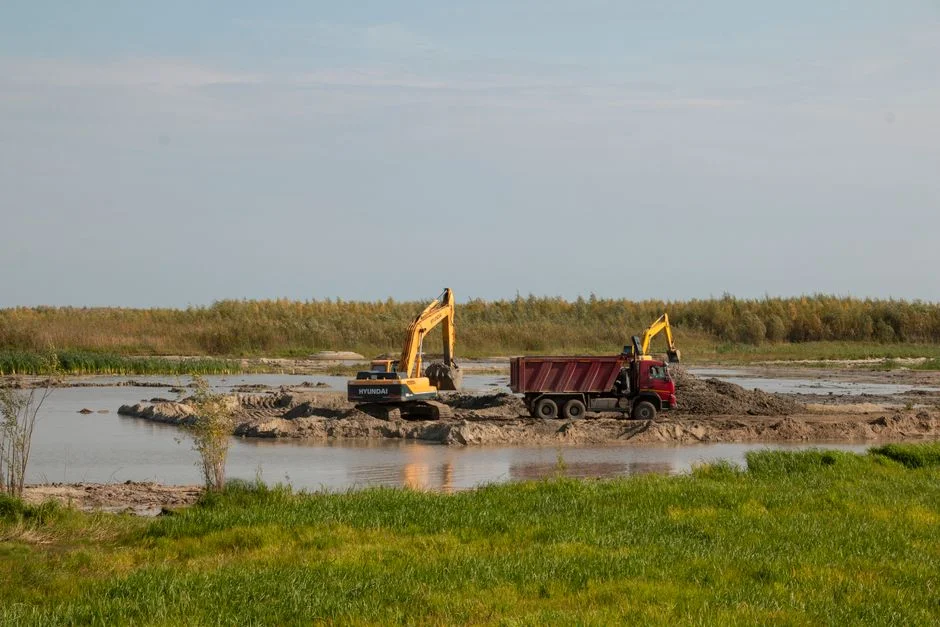
DAF, MBR and constructed wetlands perform different functions, so comparing them by purchase price alone produces an invalid equipment selection. DAF is principally a physical separation step, MBR is a biological process with integrated solids separation, and the wetlands studied in Costa Rica were evaluated as complementary treatment following physicochemical pretreatment.
DAF is most relevant when suspended solids, FOG, oil and grease, colloids or floating material threaten downstream equipment. A DAF selection checklist for suspended solids and FOG should define the design flow, peak flow, expected contaminant loading and skimming or sludge route. DAF can also support textile pretreatment when solids and color-related particulate loads are significant, but a claimed color-removal objective still needs effluent data.
MBR serves a different role: biological treatment and membrane separation are integrated. HydropureWater states that the cited MBR occupies 60% less space than traditional activated-sludge systems and lists capacity from 10–2,000 m³/day. Those are catalog claims, not a universal site footprint guarantee. Membrane fouling, pretreatment needs, cleaning, standby strategy and reject-water handling remain part of the mechanical and operational scope.
A 2021 textile-wastewater study in the Lumieres repository of the University of América reported 90% removal after physicochemical treatment, then evaluated five constructed-wetland approaches against Resolution 0631 of 2015. The approaches covered floating-leaved, submerged, free-flow and horizontal- and vertical-flow subsurface wetlands. This supports wetlands as a complementary or polishing option; it does not establish them as a substitute for industrial characterization and pretreatment.
| Decision factor | DAF | MBR | Constructed wetlands |
|---|---|---|---|
| Primary role | Physical removal of solids, colloids and floating material | Biological treatment with integrated membrane separation | Polishing or complementary treatment after physicochemical work |
| Footprint consideration | Requires a defined tank and solids-handling arrangement | Presented as 60% smaller than traditional activated sludge | Wet-area footprint must be checked during feasibility design |
| Hydraulic variation | Design for flow and batch peaks | Evaluate biological loading and membrane controls | Check performance against hydraulic variation and seasons |
| Sludge or residuals | Concentrated float or sludge requires handling | Excess sludge and membrane cleaning residuals require handling | Biomass management and wetland media must be addressed |
| Operator involvement | Chemical dosing, pump operation and skimming | Process control, membrane operation and cleaning | Land, vegetation, hydraulic distribution and media management |
| Reuse potential | Usually pretreatment, subject to downstream polishing | Potential for reuse polishing when the specified target is met | Potential complementary polishing, subject to site validation |
No universal Costa Rican wetland sizing rate is supported by the supplied research. Before treating wetlands as feasible, obtain site data on area, soils, groundwater, hydraulic variation, seasonal performance and the receiving objective. A textile dyeing plant pretreatment guide provides a useful process context, but the final selection must follow site testing.
Confirm the Costa Rican Compliance Boundary Before Ordering
HydropureWater’s 2026 Costa Rica industrial guide cites AyA Resolution 39384-S (2023) baseline limits of BOD below 120 mg/L, TSS below 150 mg/L, FOG below 10 mg/L and pH 6–9. These values provide a screening boundary, but they do not replace the facility’s current permit, sewer agreement, receiving-body requirements or any stricter condition in an environmental authorization.
The guide also states that AyA’s 2025 permit guidelines require new industrial connections to demonstrate pretreatment efficacy before access to the public grid. That makes the treatment train a permit-critical system rather than a routine production accessory. The demonstration should connect the proposed equipment to the actual discharge point and the conditions under which the connection would operate.
Request the complete permit dossier before finalizing the supplier scope. It should contain:
- wastewater characterization and the sampling campaign;
- process flow diagram and equipment drawings;
- control philosophy, alarm strategy and monitoring points;
- commissioning and performance-test procedures;
- operating and maintenance plan; and
- sludge generation, storage, dewatering and disposal method.
Resolution 0631 of 2015 is relevant only in the constructed-wetland study context supplied by the 2021 University of América dissertation. It should not be presented as a substitute for the current site permit. HydropureWater’s Costa Rica wastewater guidance and the Costa Rica rural sewage-treatment guide are useful orientation documents, while the governing documents for the individual connection must be obtained from the responsible authorities.
Plan Costs by System Scope and Operating Load
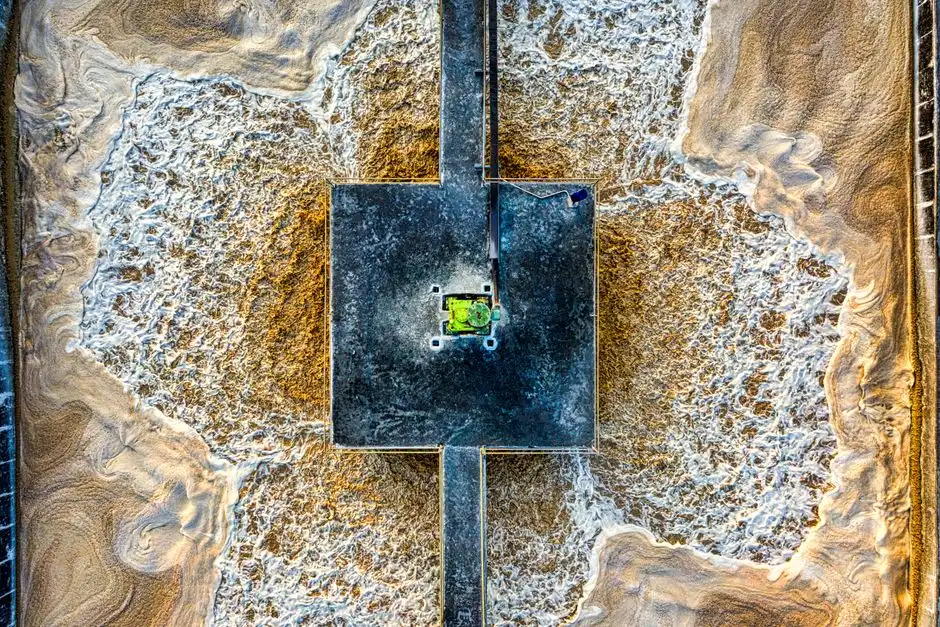
Equipment benchmarks for textile wastewater treatment in Costa Rica are only comparable when their scope, flow basis and exclusions are stated. HydropureWater’s 2026 industrial guide gives primary-equipment ranges of $50,000–$200,000 for DAF systems handling 4–300 m³/h and $200,000 to more than $1,000,000 for MBR systems handling 10–2,000 m³/day.
Those figures may exclude civil works and local installation labor. They should therefore not be treated as complete installed-plant budgets. HydropureWater also cites operating costs of $0.50–$2.00/m³ for DAF and $0.80–$3.00/m³ for MBR, electricity averaging $0.18/kWh and specialized labor at $12–$20 per hour. The same guide identifies a 20–30% premium on imported high-technology components because of customs duties and logistics.
| Cost item | DAF benchmark | MBR benchmark |
|---|---|---|
| Primary equipment | $50,000–$200,000 | $200,000 to more than $1,000,000 |
| Cited flow basis | 4–300 m³/h | 10–2,000 m³/day |
| Operating-cost benchmark | $0.50–$2.00/m³ | $0.80–$3.00/m³ |
| Potential exclusions | Civil works and local installation labor | Civil works and local installation labor |
Ask each bidder to price equipment, civil works, installation, commissioning, controls, chemical storage, spare parts, sludge handling and annual service separately. This prevents a low equipment figure from obscuring major costs outside the supplier’s package. Use the cited industrial wastewater cost-guide structure as a quotation framework, but populate it with Costa Rican site and supplier inputs rather than transferring another country’s costs.
Operating load is equally important to the comparison. Require the quoted DAF and MBR prices to state the design flow, peak-flow condition and operating hours assumed. Without those conditions, the capital and operating figures cannot support a defensible lifecycle comparison.
Turn the Influent Data into a Supplier Brief
A comparable supplier brief starts with the measured wastewater and the applicable permit, not with a preferred machine. Give each bidder the same influent campaign, design flow, peak-flow basis, receiving destination, treatment objectives and required documentation so proposals can be evaluated on the same technical basis.
Require every supplier to state its design flow, operating days, treatment objectives, guaranteed outlet parameters and proposed performance-test protocol. Where an outlet parameter is not guaranteed, identify the design value, operating margin and measurement method rather than accepting a generic “reuse-quality” claim.
Also request duty cycles, chemical consumption, expected sludge yield, footprint, utility demand, control philosophy, alarm strategy and the availability of locally stocked spare parts. The treatment scope should explicitly show how it supports the facility’s current authorization and the public-grid pretreatment requirement documented by AyA’s 2025 guidelines.
For a reuse project, request membrane filtrate-quality evidence and a validation plan linked to the intended application. Include commissioning, operator training, as-built documentation and post-commissioning support in the commercial comparison. The engineering reality check on wastewater technology reinforces the need to distinguish documented capability from generic performance claims.
Use the 2026 pH-monitoring buyer’s guide to verify that instrumentation, controls and chemical dosing form part of the supplier’s operating concept rather than being added after the mechanical order is placed.
Frequently Asked Questions
How much does textile wastewater treatment cost in Costa Rica?
HydropureWater’s 2026 industrial guide cites primary-equipment benchmarks of $50,000–$200,000 for DAF systems at 4–300 m³/h and $200,000 to more than $1,000,000 for MBR systems at 10–2,000 m³/day. These are not complete installed-plant prices because they may exclude civil works and local installation labor. Buyers should request separate quotations for equipment, civil work, installation, commissioning, controls, chemicals, sludge handling, spares and annual service.
How should DAF, MBR and constructed wetlands be selected for a textile plant?
Select by treatment role: DAF for physical removal of suspended solids, colloids and floating material; MBR for integrated biological treatment and membrane separation; constructed wetlands as complementary or polishing treatment after physicochemical work. The 2021 University of América textile study evaluated five wetland approaches after 90% physicochemical removal against Resolution 0631 of 2015. No supplied source establishes one universal wetland sizing rule, so feasibility depends on site area, hydraulics and seasonal performance.
What data are needed to size a Costa Rican textile wastewater treatment plant?
Require both flow and contaminant characterization. Flow data must cover representative production days and peaks, while analytical testing should address COD, BOD, TSS, color, pH, conductivity, FOG, chromium, copper and other regulated constituents. The cited DAF and MBR capacity ranges describe available equipment scales; they do not constitute a universal design rule. Final sizing must connect measured loads to the selected treatment stage and the required outlet.
Which supplier and compliance checks should a Costa Rican buyer require?
Require a process guarantee tied to the facility’s current permit, sewer agreement and receiving requirements, together with a clearly defined commissioning performance test. The proposal should identify design flow, peak flow, guaranteed outlet parameters, chemical consumption, sludge yield, utilities, controls, alarms, commissioning tests, training and local spare-part support. AyA’s 2025 permit guidelines require new industrial connections to demonstrate pretreatment efficacy before public-grid access.