Why Costa Rica’s Industrial Wastewater Regulations Are Changing in 2025
Costa Rica’s industrial wastewater treatment sector is undergoing rapid modernization, with only 5 operational plants serving 33% of the population as of 2025. For a factory manager in San José or Heredia, the frustration of permit delays often stems from a misunderstanding of shifting standards. The AyA’s US $565M CABEI-funded program targets 1 million residents but lacks industrial-specific guidance. For manufacturers, compliance requires meeting AyA’s <120 mg/L BOD, <150 mg/L TSS, and <10 mg/L FOG limits (Resolution 39384-S), with pretreatment systems like DAF or MBR critical for high-strength effluents (COD >1,000 mg/L). This guide provides engineering specs, cost benchmarks ($50K–$2M+ for industrial systems), and a supplier checklist for 2025 projects.
AyA’s Resolution 39384-S (2023) establishes the current baseline for industrial discharge limits: BOD must remain below 120 mg/L, TSS below 150 mg/L, and FOG (Fats, Oils, and Grease) below 10 mg/L, with a strictly regulated pH range of 6–9. For the pharmaceutical sector, the Ministry of Health (MINSA) 2024 update further tightens heavy metal limits to <0.1 mg/L. These regulations are not merely suggestions; they are the gatekeepers for the US $565 million CABEI program. While this massive investment prioritizes municipal infrastructure, AyA’s 2025 permit guidelines mandate that any new industrial connection must prove its pretreatment efficacy before being granted access to the public grid.
The risk of non-compliance is sector-specific and increasingly severe. Food processors are currently under the highest scrutiny for FOG violations, while textile manufacturers face rising pressure regarding colorants and chemical oxygen demand (COD). According to AyA’s 2024 enforcement report, 38% of industrial permit applications were rejected due to inadequate pretreatment designs. The timeline for action is compressed: Costa Rica plans a total septic tank phase-out by 2027. Consequently, industrial facilities must submit comprehensive pretreatment plans by Q4 2025 to secure their standing for new or existing connections. Failure to meet these milestones risks not only heavy fines but also operational shutdowns during the 2026-2027 transition period.
Industrial Wastewater Characteristics in Costa Rica: Sector-Specific Challenges
Industrial effluent profiles in Costa Rica vary significantly across the food processing, textile, and pharmaceutical sectors, necessitating precise characterization before equipment selection. In the food and beverage industry, high organic loads are the primary challenge. A 2024 study from the Costa Rican Institute of Technology (TEC) found that untreated food processing wastewater often reaches COD levels of 2,000–10,000 mg/L and FOG levels between 500 and 2,000 mg/L. These concentrations are far beyond the capacity of standard municipal systems, making robust on-site pretreatment a regulatory necessity.
The textile industry faces a different set of engineering hurdles. AyA’s 2023 textile sector audit highlighted color concentrations exceeding 500 ADMI and TSS levels between 300 and 800 mg/L. the presence of heavy metals such as Chromium (Cr) and Copper (Cu) from dyes requires specialized chemical precipitation or advanced membrane filtration. For pharmaceutical plants, the complexity increases with COD values reaching 20,000 mg/L and ammonia concentrations up to 500 mg/L. MINSA’s 2024 guidelines specifically target these trace organics and nitrogenous compounds, which are resistant to conventional biological treatment.
In the agro-industrial sector, particularly in pineapple and banana processing, the focus shifts to suspended solids and pesticide residuals. The Ministry of Agriculture and Livestock (MAG) 2025 export compliance rules have introduced stricter limits on chlorpyrifos (<0.01 mg/L), requiring advanced oxidation or granular activated carbon (GAC) stages. The following table outlines the typical influent parameters that facility managers must address to meet Costa Rican standards.
| Sector | COD (mg/L) | BOD (mg/L) | TSS (mg/L) | FOG (mg/L) | pH | Key Contaminants |
|---|---|---|---|---|---|---|
| Food & Beverage | 2,000–10,000 | 1,000–5,000 | 500–1,500 | 500–2,000 | 4.5–11.0 | Sugars, Proteins, Fats |
| Textiles | 1,000–3,000 | 400–900 | 300–800 | <50 | 8.0–12.0 | Dyes, Surfactants, Metals |
| Pharmaceuticals | 5,000–20,000 | 1,500–6,000 | 200–600 | <20 | 3.0–10.0 | API, Ammonia, Solvents |
| Agro-Industrial | 1,500–4,000 | 800–2,000 | 1,000–3,000 | <30 | 6.0–8.5 | Pesticides, Soil, Nitrates |
Engineering Specifications for Industrial Wastewater Treatment Systems in Costa Rica
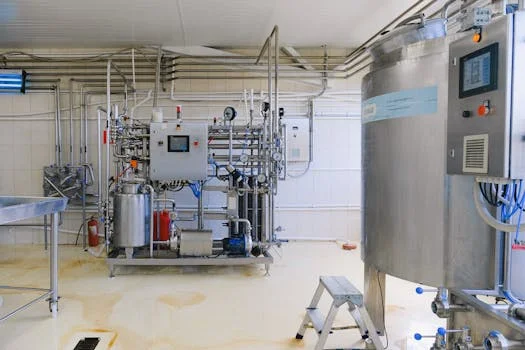
Pretreatment engineering for Costa Rican industrial plants requires a multi-stage approach to ensure influent levels are reduced to manageable concentrations for biological stages. For facilities with TSS levels exceeding 500 mg/L, rotary screens are the first line of defense. When FOG concentrations exceed 200 mg/L—common in dairy and meat processing—DAF systems for high-FOG industrial wastewater in Costa Rica are essential. These systems utilize micro-bubbles to float oils and solids to the surface for mechanical skimming, achieving up to 95% removal efficiency, which aligns with AyA’s 2024 pretreatment guidelines.
Biological treatment selection depends largely on available land and the required effluent quality. For space-constrained sites in industrial parks like Coyol or Global Park, MBR systems for space-constrained industrial sites in Costa Rica offer a footprint 60% smaller than traditional activated sludge systems. MBRs combine biological digestion with membrane filtration, producing an effluent that often exceeds AyA standards, making it suitable for non-potable reuse. For plants with highly variable hydraulic loads, Sequencing Batch Reactors (SBR) provide the necessary flexibility to handle surge flows without washing out the biomass, as noted in the 2023 Costa Rican Environmental Engineering Society report.
Chemical dosing and disinfection are the final critical components. Automated dosing systems are required to maintain pH between 6 and 9; for textile effluents, Polyaluminum Chloride (PAC) dosages of 20–50 mg/L are typically required for effective coagulation. Disinfection strategies are also evolving. While chlorine dioxide remains the standard for pharmaceutical pathogens, many food processors are transitioning to ozone treatment to avoid chemical residuals in their discharge. Finally, the management of generated sludge must comply with AyA’s 2025 disposal rules, which mandate dewatering to <20% moisture. Utilizing a sludge dewatering solutions for Costa Rica’s industrial wastewater plants ensures that the waste volume is minimized, reducing transport and disposal costs to authorized landfills.
Cost Breakdown for Industrial Wastewater Treatment Systems in Costa Rica (2025)
Capital expenditure for industrial wastewater treatment in Costa Rica is influenced by a 20-30% premium on imported high-tech components due to customs duties and logistics. According to 2024 Costa Rican Chamber of Construction data, a Dissolved Air Flotation (DAF) system capable of handling 4–300 m³/h typically ranges from $50,000 to $200,000. More complex MBR systems, designed for flows of 10–2,000 m³/day, can range from $200,000 to over $1,000,000 depending on the degree of automation and membrane quality. These figures include the primary equipment but may exclude civil works and local installation labor.
Operating costs (OPEX) are driven by electricity prices, which average $0.18/kWh in Costa Rica, and specialized labor costs ranging from $12 to $20 per hour for qualified technicians. DAF systems generally incur OPEX of $0.50–$2.00/m³, while MBR systems range from $0.80–$3.00/m³ due to the energy required for membrane scouring and higher chemical cleaning frequencies. For comparison, DAF system cost benchmarks from Taiwan’s industrial sector show slightly lower OPEX due to economies of scale in chemical production, providing a useful reference for global procurement teams.
Financing options through CABEI offer a lifeline for mid-sized manufacturers. The 2025 eligibility criteria for 5–7% interest loans require the facility to have fewer than 500 employees and at least 50% local ownership. This financing can cover both the equipment and the engineering services, which typically account for 15% of the total project budget according to the Ministry of Finance tariff schedule. The following table provides a high-level comparison of the most common system types in the local market.
| System Type | Capital Cost (USD) | O&M Cost (USD/m³) | Footprint | Effluent Quality |
|---|---|---|---|---|
| DAF (Pretreatment) | $50K – $200K | $0.50 – $2.00 | Small | Removes 90% FOG/TSS |
| MBR (Advanced) | $200K – $1M+ | $0.80 – $3.00 | Very Small | High (Reuse quality) |
| Activated Sludge | $150K – $600K | $0.40 – $1.20 | Large | Standard Compliance |
| SBR (Flexible) | $100K – $500K | $0.60 – $1.50 | Medium | Standard Compliance |
Compliance Checklist: AyA & MINSA Permits for Industrial Wastewater Discharge
Securing AyA and MINSA permits requires a technical dossier that proves system redundancy and continuous compliance. The process is rigorous; the 2024 rejection rate stood at 22%, primarily due to incomplete pretreatment plans or lack of certified lab data. To avoid these delays, facility managers should follow this structured sequence:
- Effluent Characterization: Conduct a 24-hour composite sampling through an AyA-approved third-party laboratory. This data must reflect peak production loads, not just average flows.
- Pretreatment Design: Submit detailed engineering drawings that include redundancy for critical pumps and blowers. AyA’s 2024 reliability guidelines emphasize that a single component failure should not result in a discharge violation.
- Environmental Impact Assessment (EIA): For systems exceeding 100 m³/day, a formal EIA must be submitted to MINAE. This process was updated in early 2025 to include more stringent groundwater protection measures.
- Permit Application: File AyA Form 456-B. Fees currently range from $1,200 to $5,000, scaled based on the maximum daily flow rate.
- Inspection and Approval: The statutory 90-day review process includes a site visit by AyA engineers to verify that the installed equipment matches the submitted designs.
Common pitfalls identified in AyA’s 2024 enforcement report include missing FOG monitoring points for food processors and inadequate sludge storage capacity for MBR systems. For those looking for international comparisons, Taiwan’s industrial wastewater treatment standards for comparison highlight how advanced monitoring can streamline the permitting process by providing real-time compliance data to regulators.
Supplier Selection Framework for Industrial Wastewater Equipment in Costa Rica
Selecting a supplier for industrial wastewater equipment in the Costa Rican market requires balancing local technical support with international engineering standards. Local providers often have deeper relationships with AyA and can facilitate the permitting process more effectively. However, international manufacturers provide the advanced membrane and flotation technologies required for modern compliance. Many successful projects utilize a hybrid approach: importing high-performance equipment, such as integrated wastewater treatment systems, while using local firms for installation and civil works.
Key certifications to verify include ISO 9001 for manufacturing quality and ensuring that the installation team is on the 2025 AyA-approved list. After-sales support is perhaps the most critical factor; a DAF pump failure or a torn MBR membrane can lead to immediate regulatory fines. Suppliers should offer 24/7 service response and maintain a local inventory of critical spares. Scalability is also vital; modular systems allow a facility to expand its treatment capacity as production increases, a strategy supported by the 2025 CABEI report on industrial growth in San José and Guanacaste.
Supplier Evaluation Checklist: 10 Critical Questions
- What is your average lead time for DAF or MBR systems delivered to Costa Rica?
- Do you provide direct support for the AyA Form 456-B permit application?
- Is your equipment compatible with local 60Hz power grids without expensive converters?
- Can you provide three references from the Costa Rican food, pharma, or textile sectors?
- What is the expected lifespan of the membranes or flotation cells under local water conditions?
- Do you offer remote monitoring services to alert our engineers of potential violations?
- Are your chemical dosing algorithms optimized for the specific coagulants available in the local market?
- What is the moisture content guarantee for your sludge dewatering equipment?
- Does the system include built-in redundancy for all motorized components?
- What training programs do you provide for our local on-site operators?
Frequently Asked Questions

What are the penalties for non-compliance with AyA’s industrial wastewater regulations?
Fines can reach up to $50,000 per violation, but the more significant risk is the mandatory facility shutdown. AyA’s 2024 enforcement actions included 14 temporary closures of food processing plants that failed to address chronic FOG discharge issues.
How does Costa Rica’s wastewater treatment cost compare to neighboring countries?
According to a 2025 Inter-American Development Bank report, costs in Costa Rica are 20–30% higher than in Panama or Nicaragua. This is attributed to higher electricity rates, more stringent environmental standards, and higher labor costs for specialized engineering services.
Can industrial facilities connect to the new CABEI-funded municipal plants?
Yes, but connection is not a "free pass." AyA’s 2025 guidelines require all industrial contributors to pretreat their effluent to <120 mg/L BOD and <10 mg/L FOG before the point of connection to protect the municipal biological process.
What are the most common pretreatment systems for Costa Rica’s food processing industry?
A 2024 survey by the Costa Rican Food Industry Association found that DAF systems and rotary screens are the most prevalent, as they effectively manage the high FOG and TSS loads typical of dairy, meat, and snack production.
Are there tax incentives for installing wastewater treatment systems in Costa Rica?
Yes. Under the 2025 Ministry of Finance tax code, industrial facilities can claim 100% depreciation in Year 1 for any equipment that is certified by AyA as meeting or exceeding national discharge standards.