
What Changes When Pulp and Paper Wastewater Meets MBR Technology
Membrane bioreactor technology changes the solids-separation step, not the basic purpose of biological treatment. For pulp and paper wastewater, MBR is generally worth screening when a Florence mill needs compact equipment, low suspended-solids effluent, automation, or water reuse. Conventional activated sludge remains credible when existing bioreactors and clarifiers have useful life and the budget cannot support membrane cleaning, replacement, and air-scour energy. The correct choice depends on mill-specific wastewater, pretreatment, peak-flow control, permit conditions, and lifecycle cost.
The EPA’s Wastewater Management Fact Sheet: Membrane Bioreactors, published in 2021, defines MBR as a suspended-growth biological reactor combined with membrane-based solids removal. In a typical activated-sludge system, membrane filtration can replace the secondary clarifier and sand filters. That does not mean MBR removes every contaminant. Membranes retain solid material, while dissolved wastewater components may require additional treatment.
For a pulp mill wastewater treatment or paper mill effluent project, characterization must therefore begin with the specific mill process, production changes, and contributing wastewater streams. Request flow data for average and peak conditions, COD, BOD, TSS, pH, temperature, color where relevant, nutrients where regulated, toxicity or inhibition indicators, and any process chemicals that could affect biological activity or membrane compatibility.
The treatment sequence should be reviewed as source control and equalization, appropriate fiber or solids removal, biological treatment, final solids separation, and any polishing required by the discharge or reuse objective. The MBR cost per m3 and lifecycle buying guide provides additional procurement context, but flow alone is not a valid basis for sizing either route.
Pulp and Paper Wastewater Variables That Change the Decision
COD and BOD establish the organic load that the biological process must handle, but the supplied research contains no pulp-and-paper dataset supporting a universal removal percentage for either technology. The buyer therefore needs site data and an agreed influent basis rather than generic performance claims.
TSS and fiber content affect clarification demand, screen loading, membrane fouling potential, and the need for upstream solids removal. pH, temperature, color, toxicity, and mill chemical additions can change biological activity or membrane compatibility. Production campaigns, wash-water events, and batch discharges must be separated from normal average flow when the biological and hydraulic loading cases are established.
Average flow and peak flow are different design inputs. The EPA fact sheet states that peak design flow should generally be no more than 1.5 to 2 times average design flow. If peaks exceed that range, the design needs additional membrane capacity or equalization. This matters particularly for a Florence facility because the permitted flow basis and actual mill peaks must be reconciled during design.
The discharge or reuse objective must also be fixed before technology selection. MBR may support reuse because it separates solids and bacteria effectively, but dissolved contaminants may still require treatment. The final decision depends on the reuse specification, not a general assumption that MBR permeate is immediately fit for every process application.
| Project input | What it controls | Information needed before selection |
|---|---|---|
| COD and BOD | Organic loading and biological capacity | Representative concentrations across production cycles |
| TSS and fibers | Clarification, screening, and fouling risk | Suspended-solids profile and fiber characteristics |
| Flow | Reactor and membrane sizing | Average flow, peak flow, and production-cycle data |
| pH and temperature | Biological activity and operating limits | Range, duration, and coincidence of excursions |
| Color, nutrients, toxicity | Polishing and inhibition risk | Site analysis and applicable discharge or reuse targets |
| Process chemicals | Compatibility and pretreatment demand | Chemical types, doses, frequency, and discharge points |
Where fibers, suspended solids, oil and grease, or colloidal material create a concentrated pretreatment load, DAF pretreatment for pulp and paper wastewater may warrant engineering review. It is not an automatic selection; the required removal and operating consequences must be established from the actual wastewater.
MBR and Conventional Activated Sludge Compared
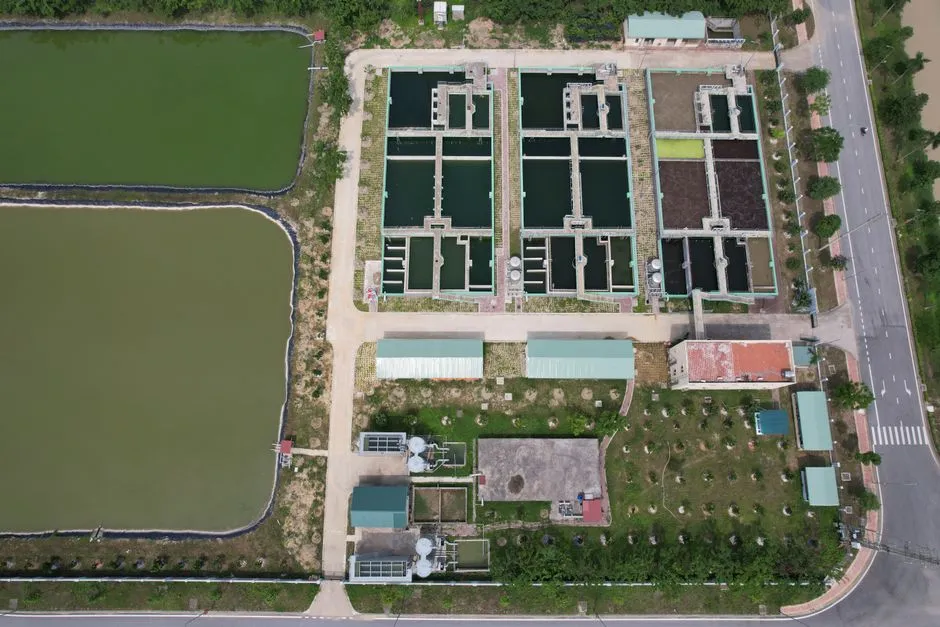
Both treatment routes can use suspended-growth biology; MBR adds membrane solids separation to the biological reactor. The EPA identifies better effluent quality, smaller space requirements, and easier automation as MBR advantages. It also identifies higher capital and operating costs at the same throughput as the principal disadvantage.
MBR membrane systems generally require more membrane, air-scour, pumping, controls, and pretreatment hardware. Conventional activated sludge may require less new equipment where adequate bioreactors and clarifiers already exist. The comparison must therefore distinguish a greenfield installation from a retrofit at a mill with usable basins and solids-handling infrastructure.
The EPA reports that MBR effluent typically contains low concentrations of bacteria, TSS, BOD, and phosphorus, which facilitates high-level disinfection. This does not establish universal pulp-and-paper removal performance, and dissolved contaminants remain outside the membrane’s direct separation role. The applicable permit or reuse specification should drive any additional treatment.
Operating burden differs materially. EPA identifies membrane cleaning, fouling control, eventual replacement, air-scour energy, and possible sludge-conditioning requirements as MBR cost drivers. Longer solids retention time can reduce sludge production, although the EPA says this is not mandatory. MBR sludge may also settle less readily because of colloidal particles and filamentous bacteria.
Flow control and redundancy deserve equal attention. The EPA recommends an additional membrane tank or unit beyond nominal requirements for full-treatment installations, and its “N plus 1” concept gives operators flexibility for maintenance. Membrane throughput limitations must be addressed through added capacity or equalization rather than assumed away.
| Decision factor | MBR | Conventional activated sludge |
|---|---|---|
| Biological stage | Suspended-growth biology with membrane solids separation | Suspended-growth biology with separate solids separation |
| Separation | Secondary clarification and sand filtration can be replaced in a typical train | Secondary clarification remains central; filtration may follow where required |
| Footprint | Generally smaller; the verified integrated MBR wastewater treatment system states 60% smaller footprint than conventional systems for its offered configuration | Typically depends on the footprint and condition of existing basins and clarifiers |
| Capital profile | Higher equipment scope may include membranes, air scour, pumping, controls, and pretreatment | Often lower where existing bioreactor and clarifier capacity remains usable |
| Operating burden | Cleaning, fouling control, air-scour energy, and eventual replacement | Clarifier operation, sludge handling, and maintenance of conventional assets |
| Flow and redundancy | Peak capacity and “N plus 1” configuration require explicit review | Depends on aeration, hydraulic capacity, clarifier performance, and redundancy |
| Sludge | Longer SRT can reduce production, but settling may be poorer | Conventional sludge can use standard thickening and dewatering practices |
These distinctions support a preliminary screening decision, not a performance guarantee. The 60% footprint statement applies specifically to the verified offered MBR configuration and should not be transferred automatically to every mill project.
Pretreatment and Membrane Protection
The EPA fact sheet states that all MBR systems require 1- to 3-mm-cutoff fine screens immediately before the membranes, depending on the manufacturer. The screen must match the membrane system and be followed by an appropriate maintenance plan because the EPA notes that these screens require frequent cleaning.
Screening protects against debris and physical membrane damage. It does not remove all colloids, suspended solids, fibers, or dissolved organics that contribute to fouling. A mill with fibrous material or batch solids releases therefore needs a broader pretreatment assessment, not just compliance with the screen-cutoff requirement.
Equalization should be evaluated for variable production, wash-water flows, and batch releases. Hydraulic buffering can reduce short-term overload, while equalization also provides a controlled feed to biology and membranes. Its required working volume must come from measured flow and contaminant profiles rather than a generic assumption that an equalization basin solves every shock.
The EPA identifies sodium hypochlorite and citric acid as common MBR cleaning solutions and directs operators to follow manufacturer-recommended protocols. The buyer should therefore require cleaning chemistry, frequency assumptions, recovery steps, membrane compatibility limits, and labor requirements in the offer. No cleaning interval should be prescribed without site data.
Equipment reviews should include rotary mechanical screening where fibrous debris requires removal and DAF pretreatment for pulp and paper wastewater where suspended solids, oil and grease, or colloidal material warrant clarification. Selection must follow the identified contaminant load and downstream membrane constraints.
Choosing the System for a Florence Pulp and Paper Facility
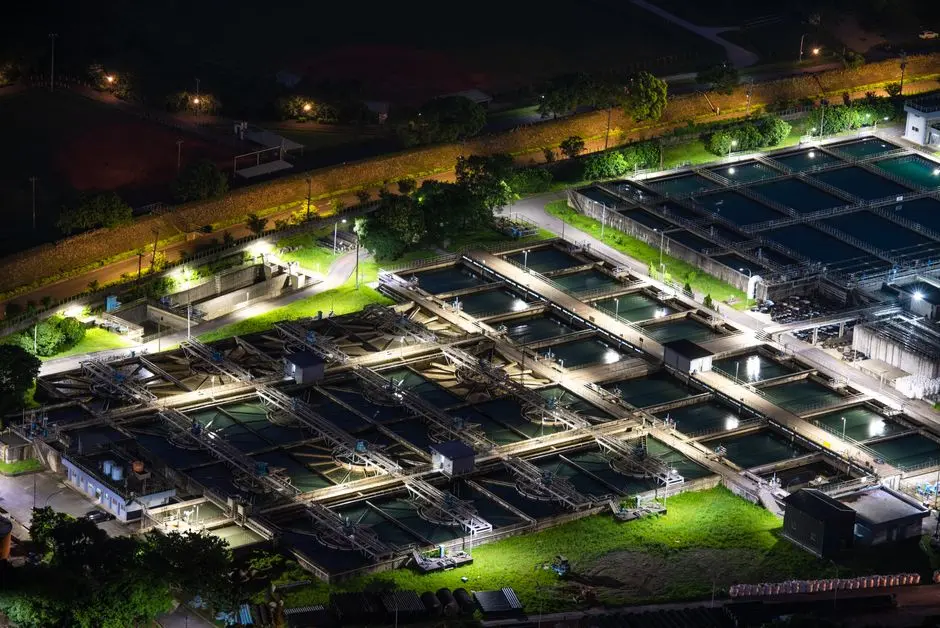
MBR screening is appropriate when the Florence facility has limited footprint, needs compact or automated treatment, has a credible reuse objective, or requires low TSS and bacteria in the final effluent. Conventional activated-sludge screening is appropriate when substantial bioreactor and clarifier capacity already exists, the objective is primarily compliant discharge, and the operating budget cannot support membrane maintenance and energy use.
An MBR retrofit is a broader engineering project than adding membrane tanks to an existing basin. Screening, equalization, biological capacity, aeration, sludge handling, controls, electrical supply, piping, and redundancy can all change under the selected route. Existing asset condition should be assessed rather than credited automatically.
For Florence, United States, the supplier must address the permit and reuse conditions in the actual project jurisdiction. The supplied research does not provide a Florence-specific effluent limit, so no numeric permit requirement should be claimed. The procurement file should identify the applicable permit, reuse specification, monitoring conditions, and acceptance criteria.
Whole-life costing should include membrane replacement, cleaning chemicals and labor, air-scour electricity, downtime, sludge handling, and residual asset value. Available space, reuse value, and avoided clarification or filtration equipment may offset some incremental MBR cost, but those savings must be demonstrated in the project model. Further industrial context is available in the comparison of MBR versus activated sludge for industrial wastewater and regional industrial MBR buying considerations.
| If the project condition is… | Then screen… | Key qualification |
|---|---|---|
| Space is constrained or reuse is credible | MBR | Confirm pretreatment, peak-flow capacity, and reuse polishing needs |
| Usable bioreactors and clarifiers already exist | Conventional activated sludge | Validate remaining asset life and residual treatment constraints |
| Production releases create severe peaks | Either route with equalization | Use verified flow and contaminant data |
| Permit requires low solids or bacteria | MBR may be advantageous | Dissolved contaminants may require additional treatment |
| Maintenance and energy budget is constrained | Conventional treatment or de-risked MBR | Price membrane care and downtime explicitly |
How to Size, Pilot, and Procure the Selected System
Begin with a verified wastewater dataset that captures production cycles, average flow, peak flow, and seasonal or campaign variation. Define the effluent and reuse specification before selecting reactor volume, membrane area, aeration, equalization, and pretreatment equipment.
Pilot the actual wastewater when temperature, pH, toxicity, fiber content, or chemical variability could threaten biological activity or membrane performance. Pilot work should examine solids capture, fouling tendency, biological response, cleaning response, and the quality needed for the intended discharge or reuse.
Require membrane-system data covering design flow, peak flow, screen cutoff, membrane type, cleaning method, expected membrane life, replacement terms, controls, redundancy, and included auxiliary equipment. The MBR membrane bioreactor module is one equipment reference point, but module capacity does not replace whole-plant design.
Verify capacity against the EPA’s 2021 guidance that peak design flow generally should not exceed 1.5 to 2 times average design flow, or specify equalization or additional units. Include the “N plus 1” redundancy concept in the evaluation for full-treatment MBR installations, as recommended by the EPA fact sheet.
Finally, evaluate sludge consequences during procurement. Confirm thickening, dewatering through a plate and frame filter press, settling behavior, disposal route, and any need for conditioning chemicals. A complete comparison also records membrane life assumptions, cleaning labor, chemical consumption, air-scour electricity, excluded work, and warranty conditions.
- Characterize the actual mill wastewater.
- Define discharge and reuse requirements.
- Screen both treatment routes against pretreatment, peaks, footprint, and sludge handling.
- Pilot where wastewater variability threatens performance.
- Compare lifecycle cost and compliance risk.
- Procure only after capacity, redundancy, and auxiliaries are documented.
Frequently Asked Questions
Is MBR usually cheaper than conventional activated sludge for pulp and paper wastewater?
Not necessarily. The EPA identifies higher capital and operating costs at the same throughput for MBR, including membrane cleaning, fouling control, replacement, and air-scour energy. Conventional treatment may cost less where existing basins and clarifiers remain useful. Request a site-specific lifecycle quotation covering membranes, chemicals, labor, electricity, downtime, sludge handling, and any avoided clarification, filtration, or footprint costs.
How should a Florence pulp and paper buyer select an MBR supplier?
Require a proposal based on the plant’s verified wastewater data, not a generic flow calculation. Ask for membrane type, design and peak flow, screen cutoff, biological sizing basis, fouling controls, cleaning method, expected membrane life, replacement terms, redundancy, auxiliaries, O&M assumptions, and lifecycle-cost transparency. Also require a documented compliance approach for the actual Florence jurisdiction.
Can an MBR be added to an existing pulp and paper plant?
Yes, but it is not simply an addition of membrane tanks. Reassess biological capacity, aeration, equalization, pretreatment, piping, controls, electrical supply, sludge handling, and redundancy. Existing clarifier or filtration capacity may be repurposed, but that value should be supported by asset-condition and process data.
Which treatment system is better for wastewater reuse?
MBR generally provides stronger solids and bacteria separation, which makes it a strong candidate when reuse requires low TSS and microbial content. The reuse specification still governs: dissolved contaminants or process-water quality targets may require additional treatment, and the final selection must account for reuse variability and downstream needs.
What determines MBR sizing?
The controlling inputs are average and peak flow, wastewater characteristics, biological loading, membrane configuration, fouling controls, equalization, and required redundancy. Use the EPA’s 2021 peak-flow guidance of no more than 1.5 to 2 times average design flow, or specify additional capacity or equalization when actual peaks exceed that range.