Which Separator Fits Compton Petroleum Wastewater?
Compton factories should generally choose DAF for petroleum wastewater containing free oil, emulsified oil, FOG, surfactants or low-density solids; choose a lamella clarifier when the stream is dominated by heavy, settleable solids with little oil. A combined train is often strongest: API separation or equalization first, DAF for oily fractions, then biological or membrane polishing. The decision must be confirmed by analysis of the actual wastewater and a jar test. EPA refinery records show DAF produces distinct float and bottoms streams, and a refinery biological study reported high removals after DAF effluent—but those downstream results should not be presented as standalone DAF performance.
That selection rule applies to the individual wastewater stream, not the entire industrial site. Separate process-contacted wastewater from storm water, cooling water and cleaner drains before comparing equipment. A low-oil washwater header and a high-oil process header have different contaminant fractions and should not be presented to bidders as one blended design flow unless the plant will actually combine them.
Use DAF as the baseline where the oil-bearing fraction is significant, including emulsified oil, FOG, surfactant-affected material or floc with low specific gravity. An industrial DAF system for petroleum wastewater is the better primary candidate because flotation targets buoyant or conditioned material rather than waiting for it to settle.
Use a lamella clarifier when the dominant load consists of heavy, readily settling solids and oil is minimal. If both oily and dense solids must be removed, compare a combined treatment train rather than forcing one separator to perform both duties. EPA’s historical refinery documentation identifies DAF float, DAF bottoms and oil-water-solids sludge as separate waste streams, not interchangeable residuals.
Final selection depends on measured wastewater characteristics, required effluent quality, available footprint, residual-disposal pathways and the current sewer or discharge permit. No universal flow threshold establishes the correct choice.
How DAF and Lamella Clarifiers Remove Petroleum Contaminants
DAF separates floating material because microbubbles attach to oil-bearing particles or conditioned floc; lamella clarification separates dense solids by gravity on inclined plates. These mechanisms target different fractions and should be specified differently.
In a DAF unit, a recycle stream is pressurized and saturated with air. Releasing that flow into the flotation tank produces microbubbles that attach to free oil, emulsified droplets, FOG or conditioned solids. Chemical conditioning enlarges particles and creates a surface that accepts bubbles. A skimmer removes the floating material, while a bottom auger removes the heavier settled fraction.
A conventional clarifier relies on gravity. A lamella clarifier adds inclined plates to increase effective settling area, allowing dense solids to slide from the plates into a bottom collection zone. Its performance depends on settling behavior, hydraulic distribution and reliable sludge withdrawal.
An API oil-water separator has a different upstream role. It uses gravity separation to recover free oil before DAF, biological treatment or another polishing step. EPA refinery documentation describes oil-water separation and DAF as separate elements within refinery wastewater systems.
The available petroleum study also requires careful attribution. Its hybrid biological system received DAF-discharged water and reported 82.4% TSS removal, 98.6% COD removal, 97.1% NH3 removal, 98.7% turbidity removal, 99.2% BOD5 removal, 15.1% TDS removal and 99.4% overall removal under favorable conditions, according to A Hybrid Activated Sludge-Moving Bed Biofilm Reactor, published by rjes.iq. Those are results for the downstream biological and sand-filter train under the study conditions, not guaranteed standalone DAF removal efficiencies.
Neither primary separator establishes biological treatability or membrane compatibility. Dissolved contaminants and residual emulsions require downstream design and whole-train testing.
| Technology | Primary mechanism | Material most readily captured | Typical separation route |
|---|---|---|---|
| DAF | Bubble attachment and flotation | Free oil, emulsified oil, FOG, conditioned light solids | Floating material skimmed; denser fraction withdrawn from the bottom |
| Lamella clarifier | Gravity settlement on inclined plates | Heavy, readily settling solids | Settled solids collected beneath the plate pack |
| API oil-water separator | Gravity separation | Recoverable free oil and associated material | Oil layer recovered; separated water continues downstream |
| Downstream biological or sand filtration | Biodegradation and filtration | Dissolved organics and residual particulates | Sludge or filter residual; treated water leaves the train |
Compare DAF and Clarifier Performance, Footprint and Operating Requirements
DAF is the stronger fit for oily, emulsified or low-density material, while lamella clarification is the stronger fit for dense solids in a low-oil stream. The purchase decision should compare the complete operating train rather than rank equipment by a catalog removal claim.
| Procurement issue | DAF | Lamella clarifier |
|---|---|---|
| Target contaminants | Free oil, emulsified oil, FOG, surfactants, low-density floc | Heavy, settleable inorganic solids when oil loading is low |
| Footprint | Skid-based flotation train; plate-area footprint depends on hydraulic and solids loading | Compact plate pack increases effective settling area, but the selected loading rate still governs size |
| Conditioning | pH adjustment, coagulation and flocculation may be required to improve floatability | Conditioning may be required to produce dense, settleable floc |
| Utilities | Recycle pump, compressed air, saturation equipment and chemical metering | Hydraulic conveyance, sludge withdrawal and any required chemical dosing |
| Residuals | Separate float and bottom-solids outlets | Concentrated bottom sludge |
| Flow response | Requires validated hydraulic, recycle and peak-flow control | Depends on settling and hydraulic distribution; less suitable for poorly settleable material |
| Downstream protection | Strong candidate for protecting biological or membrane systems from oil and floatable solids | Useful where downstream steps can accept the clarified solids concentration |
| Recovery or reuse | Can support a pretreatment role before recovery or polishing | Can support solids removal where reuse objectives do not require primary oil capture |
The added recycle pump, air system, skimmer and conditioning requirements distinguish DAF from a passive gravity device. A lamella unit shifts more responsibility to hydraulic settling performance, distribution and sludge withdrawal. Confirm both mechanisms with actual wastewater rather than clean-water demonstrations.
HydropureWater’s 2026 catalog provides supplier-reference data: its DAF range covers 4–300 m³/h across 13 standard models, while its lamella clarifier lists surface loading rates of 20–40 m/h and claims chemical-consumption reductions of up to 30%. These are catalog values, not universal design rules or a substitute for site testing.
Do not convert this comparison into unsupported dollar savings. Total cost should include chemicals, compressed air, pumping energy, labor, maintenance, sludge hauling, dewatering and final disposal for both float and bottoms. EPA’s 1992 refinery capacity analysis reported that non-process-contacted wastewater DAF float was generally about 5% solids in the documented case. That historical observation does not establish the consistency of current site residuals; testing is still required.
For chemical-feed execution, compare the bidder’s controls and metering responsibility with a PLC-controlled chemical dosing skid. For a dense-solids alternative, evaluate a lamella clarifier for heavy settleable solids against the actual solids-loading and settling data.
Build the Treatment Train Around the Wastewater
A defensible refinery wastewater treatment train separates clean and contaminated drains before separating oily material from dense solids. The primary separator protects downstream biological, membrane and reuse equipment; it is not itself a complete treatment scheme.
- Segregate storm water, cooling water, clean process drains and contaminated process-contacted wastewater.
- Equalize variable wastewater before primary separation and route debris through a suitable bar screen where needed. A rotary mechanical bar screen for wastewater pretreatment can protect downstream pumps and valves.
- Recover free oil in an API separator where the stream and recovery objective justify it.
- Adjust pH and apply coagulation and flocculation based on jar-test results.
- Select DAF or lamella clarification for the identified contaminant fraction.
- Route the clarified stream to biological treatment, MBR, RO or another polishing process when required by the discharge objective.
The petroleum study supports using DAF effluent as biological influent, but it also shows why polishing matters. The sand filter contributed substantially to turbidity removal, so a biological-stage claim should not be represented as a primary-separator guarantee.
Where reuse or membrane protection is required, assess downstream UF and MBR capacity separately. HydropureWater’s 2026 portfolio lists UF systems from 2,000 to 40,000 L/h with 0.03-micron PVDF membranes and MBR systems from 10 to 2,000 m³/day. Those are downstream treatment options, not substitutes for primary oil removal. An integrated MBR wastewater treatment system should therefore be evaluated against the clarified-water specification.
Plan residuals separately. EPA’s 1992 refinery record treats DAF float, DAF bottoms and oil-water-solids sludge as distinct streams. They can differ in oil content, solids concentration, dewatering behavior and disposal classification. A filter press for DAF float and clarifier sludge may be appropriate, but HydropureWater’s catalog range of 1–500 m² filtration area does not determine press area by itself. A site-specific solids balance and dewatering test must precede that selection.
Size the Equipment From Site Data and Test Results
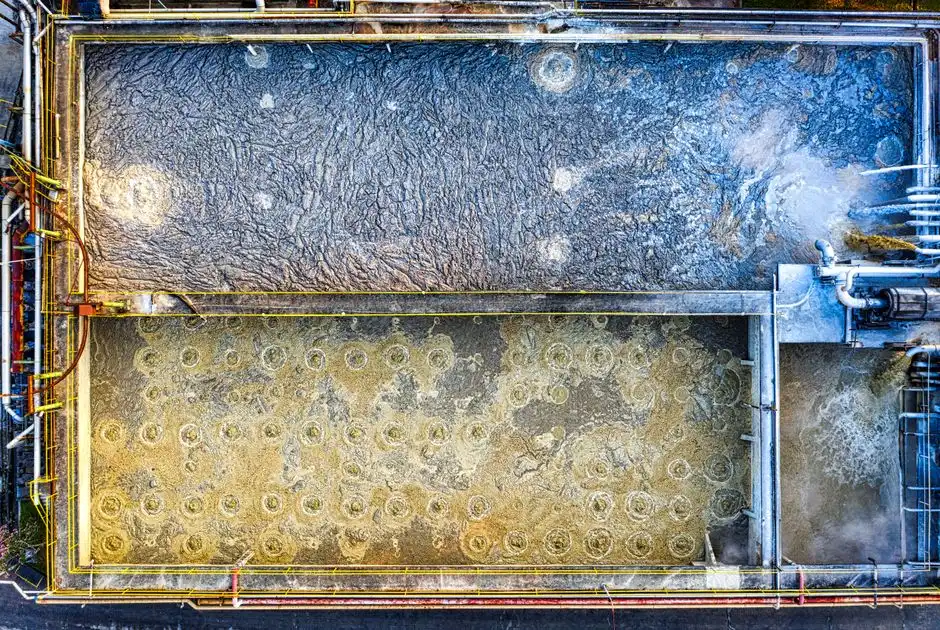
Equipment sizing should begin with a wastewater mass balance and actual-stream settling or flotation data, not a generic flow rate or equipment photograph. The RFQ package must distinguish average flow, peak flow and batch-event loading.
| Required input | Why it affects the decision | Evidence requested from bidders |
|---|---|---|
| Average and peak flow | Establishes hydraulic duty and treatment-train configuration | Design flow, peak-flow strategy, equalization assumptions and skid arrangement |
| pH, temperature, conductivity or salinity as applicable | Influences conditioning, separation and biological compatibility | Operating range, adjustment strategy and limitations |
| TSS and settleable-solids fraction | Distinguishes heavy solids from material requiring flotation | Solids-loading calculation and representative settling results |
| Oil and grease, including emulsified oil | Determines the need for DAF, API separation or both | Oil-recovery basis, residual-oil objective and skimming capacity |
| COD | Indicates organic loading and downstream biological demand | Primary-separator performance claim separated from whole-train performance |
| Jar-test or pilot results | Shows floatability, settling, carryover and residual characteristics | Reproducible test protocol, chemical doses, sample points and measured outcomes |
| Permit and reuse objectives | Defines the required treatment endpoint | Specific parameters, sampling method, averaging period and remedy for shortfall |
For DAF, require the supplier to document hydraulic loading, recycle ratio, saturation-system design, available dissolved-air capacity, skimming capacity, expected float volume and peak-flow operating strategy. For lamella clarification, require effective settling area, projected plate loading, inlet and outlet arrangement, sludge collection and performance with representative solids.
The related 2026 chemicals-wastewater guide uses a 66 GPM single-skid versus two-skid planning breakpoint. Treat that only as supplier-specific configuration logic, not a standard for petroleum wastewater. The bidder must confirm applicable capacity, number of skids and turndown against the actual hydraulic and load profile.
Require every quotation to state its assumptions: flow basis, peak factor, batch variability, guarantees, utilities, clean-water startup requirements, commissioning protocol, controls, delivery scope and excluded civil works. Comparable quotations should use the same wastewater data and treatment objectives.
Control Permit Risk, Safety and Lifecycle Cost
The governing permit and receiving authority determine the required treatment result, and the current Los Angeles County Sanitation District or other applicable authority must be consulted before equipment selection is finalized. Do not substitute a generic concentration threshold for site-specific permit limits or waste-characterization requirements.
Characterize the residuals as carefully as the treated water. EPA’s 1992 refinery capacity analysis provides historical evidence that DAF float, DAF bottoms and oil-water-solids sludge were managed separately. Current consistency and classification must be determined from representative samples and applicable waste rules.
Compare lifecycle cost across chemical consumption, air and power, operator attention, corrosion protection, replacement parts, clean-water startup, routine skimming, bottom-sludge withdrawal, dewatering and disposal. Purchase price alone will not identify the cheaper train, particularly where DAF produces both float and bottoms.
For volatile petroleum streams, complete a site-specific process safety review covering ventilation, gas monitoring, confined-space access, spill containment and ignition control. These requirements should come from the facility’s hazards analysis and applicable rules, not from a generic equipment comparison.
Performance guarantees should reference defined oil and grease, TSS, sampling method, averaging period and operating conditions. State clearly whether a failure to meet the guarantee triggers redesign, additional treatment, replacement, an extended warranty or another remedy. This protects the permit decision from becoming a dispute after startup.
Questions to Ask Before Ordering a DAF or Clarifier
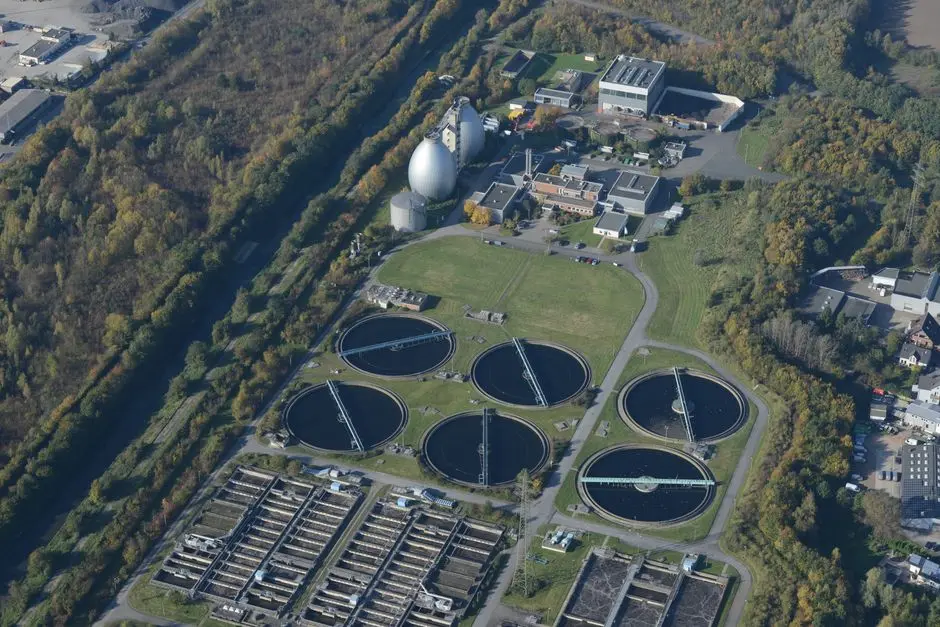
Comparable bids should expose each bidder’s process assumptions and residual-stream assumptions. The following questions make vendor responses directly reviewable.
| RFQ question | Required response |
|---|---|
| Which preliminary separator do you recommend, and why? | Technology selection tied to the same wastewater analysis, required endpoint and site constraints |
| What process values are guaranteed at duty and peak conditions? | Defined parameters, sampling method, averaging period, operating envelope and remedy for shortfall |
| What is the oil, TSS, float and settled-solids mass balance? | Expected inlet loads, outlet concentrations, stream quantities and residual destinations |
| What utilities, chemicals and operator attention are required? | Connected loads, duty consumption, control strategy, access and maintenance requirements |
| What evidence supports the proposed performance? | Comparable petroleum or industrial oily-wastewater experience and site-specific test results; testimonials are supporting context only |
| What is included in delivery, warranty and startup? | Equipment scope, materials of construction, controls, commissioning protocol, exclusions and support responsibilities |
Also define interface responsibility. The buyer and contractor should know who owns influent and effluent piping, electrical supply, chemical storage, clean-water startup, waste classification, downstream transfer and acceptance testing. A bidder’s proposed separator must fit the plant treatment train rather than end at an unverified outlet.
Frequently Asked Questions
How much does a DAF or clarifier cost for petroleum wastewater?
Request installed quotations using the same wastewater data, required performance and civil scope. Ask each bidder to price chemicals, compressed air, power, operator labor, maintenance, clean-water startup, float and bottoms dewatering, hauling and disposal. A purchase-price comparison without the residual mass balance is incomplete, and no defensible installation price can be stated without site-specific flow, loads, utilities and permit objectives.
What flow and wastewater data are needed to size a separator?
Provide average and peak flow together with oil and grease, emulsified oil, TSS, COD, pH, temperature and settleability from the actual stream. Add conductivity or salinity where they affect treatment, and include permit or reuse targets. Require a jar test or pilot to establish chemical conditioning, float recovery, residual oil, TSS carryover, settled-solids fraction and dewatering behavior before final sizing.
How should a buyer select a DAF or lamella supplier?
Select the bidder that provides a traceable process proposal, a site-specific test basis, full utilities and scope disclosure, defined performance guarantees and a residual-stream mass balance. Check comparable petroleum installations, but do not use testimonials as a substitute for representative testing. Also verify materials, controls support, commissioning responsibilities and remedy for a performance shortfall.
What delivery lead time should a Compton buyer expect?
Request a current written schedule from each finalist rather than relying on a generic estimate. Configuration, materials of construction, pumps, controls and delivery scope can affect the committed date. The purchase order should identify drawing approval, fabrication, factory testing, shipment, installation and commissioning milestones, along with the party responsible for any delay.