Which Rules Control a Bartow Sewer Discharge?
Food and beverage plants near Bartow meet sewer pretreatment limits by following a permit-led treatment train: segregate and characterize wastewater, equalize production and clean-in-place flows, remove solids and fats, oils and grease, reduce soluble organics, and monitor the authorized discharge point. Federal rules under 40 CFR Part 403 provide the framework, while applicable sector standards and the receiving POTW’s permit control the project. Equipment selection must use Bartow’s written limits and measured source flows—not generic BOD5, TSS or FOG thresholds.
A plant’s controlling requirements come from three distinct layers. First, the EPA National Pretreatment Program under 40 CFR Part 403 governs indirect industrial dischargers. Second, categorical pretreatment standards may apply according to the plant’s actual process: 40 CFR Part 405 for dairy, Part 406 for grain mills, Part 407 for canned and preserved fruits and vegetables, Part 408 for canned and preserved seafood, and Part 409 for meat products. Their applicability must be confirmed rather than assumed from the plant’s general product category.
Third, the receiving POTW issues the site-specific discharge authorization and administers the local pretreatment program. Goveyra identifies FDEP as the Florida agency overseeing wastewater and water-quality management, while the local POTW administers pretreatment administration. Florida’s nutrient emphasis also makes it important to determine whether nitrogen or phosphorus requirements apply to the discharge; Goveyra notes that biological nutrient removal may be significant because of concerns for water bodies and sensitive ecosystems such as the Everglades.
Hixson identifies 250 mg/L for BOD5 and TSS as commonly cited thresholds, but those values are not confirmed Bartow limits. They cannot be used as bid criteria without the current POTW permit. A related regulatory explanation for permit-to-equipment reviews and a site-specific pretreatment hierarchy illustrates why local authorization must remain the decisive document.
| Control layer | Documents or requirements to obtain | Engineering consequence |
|---|---|---|
| Federal program | 40 CFR Part 403 and any applicable categorical pretreatment standard | Establish the regulatory framework and determine whether sector-specific limits apply. |
| State oversight | FDEP requirements and applicable reporting obligations | Confirm state reporting, monitoring and enforcement expectations. |
| Local authorization | Current POTW permit, local pretreatment limits, discharge authorization, forms and guidance | Defines enforceable limits, monitoring conditions and prohibited discharges at the site. |
Before requesting bids, obtain the maximum and average limits, monitoring points, sampling basis, permitted flow conditions, prohibited discharges, surcharge formulas and reporting requirements. Ask whether production wastewater, clean-in-place wastewater, floor washdown and stormwater have different conditions. If any item is unresolved, record it as an open design assumption rather than inserting a generic value.
Build the Bartow Design Basis from Individual Waste Streams
Food-processing wastewater must be characterized as changing streams, not represented by one plant-wide average. Hixson reports that untreated food-processing effluent can be 10 to 100 times stronger than domestic wastewater in BOD5 and COD terms, so production peaks and cleaning slugs can determine equipment requirements even when average flow appears manageable.
- Map each source: product loss, washing, rinsing, equipment cleaning, sanitization, CIP chemicals, floor washdown, cooling or wash water, and any stormwater accepted under the permit.
- Measure flow and pollutant concentrations for each source during normal production, a representative production peak, CIP and chemical-cleaning events.
- Reconcile the sampling program with the permit’s daily-average, maximum-concentration or mass-load basis.
- Assign every unresolved value to a named person and identify whether it affects segregation, equalization, biological loading, chemical control or monitoring.
Use flow-proportional composite samples for sustained discharges and grab samples for short chemical or product slugs. These records should cover BOD5, COD, TSS, FOG, pH and temperature, with additional nutrients where characterization or the permit identifies them. Hixson identifies a broader food-sector design basis as BOD5/COD, TSS, FOG, total phosphorus, pH and temperature, but each parameter still needs a plant-specific basis.
Contaminant character determines treatment need. Beverage streams can contain sugars, yeast and acids; meat and poultry streams can carry suspended solids, FOG and elevated nitrogen; dairy streams can contain lactose, milk fats and proteins. A supplier’s package wastewater value cannot substitute for source measurements, particularly where production schedules and water management vary.
| Source | Required characterization | Primary design question |
|---|---|---|
| Product loss, washing and rinsing | Flow, BOD5, COD, TSS, FOG and settleability | What flow and load must equalization and biological treatment receive? |
| Equipment cleaning and sanitization | Event flow, residual chemical, pH, temperature and duration | Does the stream need segregation, neutralization or controlled release? |
| CIP wastewater | Chemical identity, concentration, volume and release profile | Can the receiving stage tolerate the slug after equalization? |
| Floor washdown and controlled stormwater | Flow, solids, FOG, detergents and authorized entry point | Which drains may enter the treatment train and where? |
Do not use dilution to conceal a noncompliance event unless the sewer authority expressly permits it. Clean-water availability should be documented as an operating fact, not treated as unlimited blending capacity.
Assemble the Pretreatment Train in Interference-Prevention Order
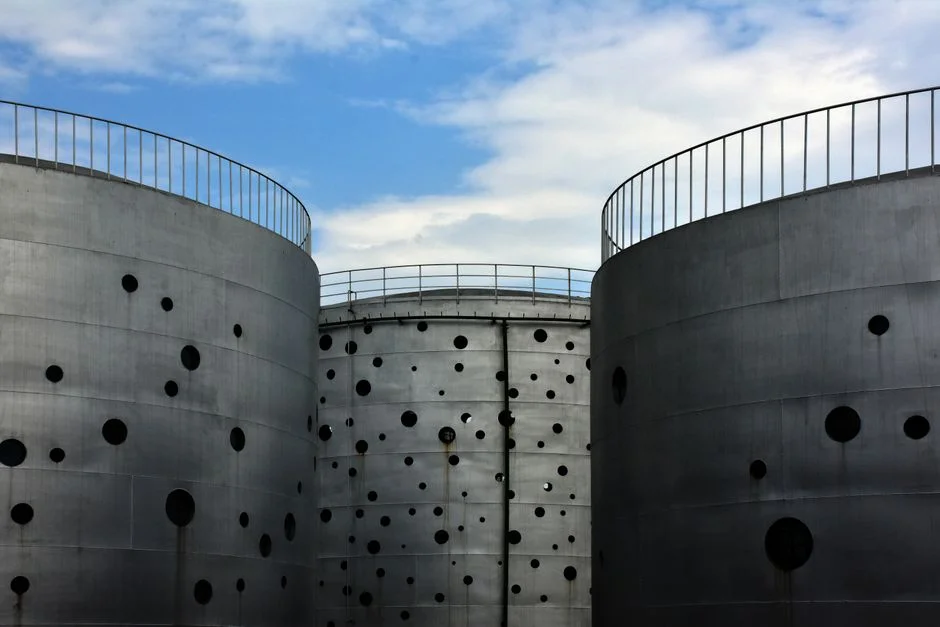
A defensible treatment train normally progresses from source segregation and screening to equalization, solids and FOG removal, biological treatment, optional polishing and final solids removal or reuse preparation. Each stage must have a documented contaminant target; equipment should not be added merely because it is available.
- Segregate and screen: Keep concentrated process, CIP and wash streams under control; remove large solids and fibrous material before pumps or biological systems.
- Equalize: Buffer production surges and CIP chemical loads so downstream biology receives a controlled hydraulic and pollutant load.
- Remove solids and FOG: Use DAF where floatable material, oil and grease, suspended solids and colloidal matter are the primary issues.
- Reduce soluble organics: Apply activated sludge, SBR, anaerobic treatment or MBR according to load, footprint, energy and reuse objectives.
- Polish when justified: Add nutrient or chemical treatment only where characterization and the permit establish the requirement.
- Manage residuals: Provide a documented route for DAF skummings and biological waste before selecting the treatment equipment.
DAF is a physical removal process, not a complete soluble BOD5 and COD treatment. Hixson cites poultry field studies showing 74% suspended-solids removal and 99% oil-and-grease removal under optimized conditions. It also reports poultry data showing up to 99% TSS removal, 85% BOD5 reduction and 98% phosphate removal with appropriate coagulant selection and operating parameters. Those results depend on the stated conditions and do not establish a guaranteed Bartow design.
Equalization is therefore central rather than ancillary. It provides hydraulic control before biology and limits the impact of chemical or product slugs. The basin must be checked against both peak flow and peak pollutant loading, including how long a CIP discharge takes to release.
Biological selection depends on project objectives. Activated sludge and SBR treat soluble organics; anaerobic treatment can suit high-strength streams where energy recovery is relevant; and an MBR treatment system for advanced biological pretreatment combines biological treatment with membrane solids separation. Goveyra identifies nutrient removal and biological nutrient removal as significant considerations in Florida because of water-body and Everglades concerns.
| Stage | Primary target | Design and control focus |
|---|---|---|
| Equalization | Flow, load, pH and temperature peaks | Working volume, mixing, release rate and chemical compatibility. |
| DAF | FOG, oil, floatable solids and colloidal material | Measured FOG and solids, coagulant response, hydraulic loading and skum removal. |
| Biological treatment | Soluble BOD5 and COD | Load variability, footprint, aeration or energy demand, controls and nutrient removal. |
| Chemical polishing | Phosphorus or demonstrated dissolved-solids requirement | Automatic dosing, mixing, control response and compatibility with the complete train. |
| Final solids removal | Residual TSS and reuse preparation | Effluent specification, filtration demand and maintenance capability. |
For DAF selection, compare primary-removal performance rather than confusing it with biological treatment. The technical context for DAF versus clarifier selection for primary treatment is useful for that review. Where high-strength streams warrant anaerobic treatment, anaerobic treatment sizing for high-strength food-process streams provides a separate method; it does not replace project-specific characterization.
Choose Between DAF, Biological Treatment and MBR
Select the treatment train that solves the confirmed compliance problem, not the unit with the most advanced name. DAF addresses FOG and floatable solids; biological treatment addresses soluble organics; MBR adds membrane solids separation to biological treatment. The written limit, footprint, operating resources, sludge route and production plan determine the appropriate combination.
Hixson reports beverage pilot results of 16.9 mg/L effluent COD, 3.8 mg/L TSS and 92.6% COD removal for MBR. That is study evidence, not a guarantee for a Bartow plant. The proposed MBR must be tested against the plant’s actual influent envelope, written limits and operating environment.
HydropureWater’s DAF catalog covers 4–300 m³/h across 13 models, while its MBR catalog covers 10–2,000 m³/day. These are catalog ranges, not recommended Bartow capacities. A nominal-capacity primary unit does not prove that the complete system can handle a production surge; biology, pumping, equalization and the permitted discharge point must also pass the peak-condition review.
| Technology | Problem it addresses | Key purchase checks |
|---|---|---|
| DAF | FOG, oil, floatable solids and part of the suspended or colloidal load | Measured influent, coagulant response, hydraulic load, skum handling and downstream biological capacity. |
| Conventional biological treatment | Soluble BOD5 and COD | Load range, temperature, pH, footprint, aeration demand, controls and operator capability. |
| MBR | Advanced biological treatment with membrane solids separation | Written effluent limits, reuse objective, membrane fouling controls, energy demand and maintenance access. |
| Anaerobic treatment | High-strength organic load with potential energy recovery | Stream characteristics, biogas route, feed variability, residual polishing and downstream compatibility. |
A DAF system for food-processing FOG and solids removal should be selected as part of the complete train, not as evidence of final BOD5 and COD compliance. DAF skummings and biological waste require a disposal or reuse route. HydropureWater’s plate and frame filter press catalog covers filtration areas from 1 to 500 m², which is an available equipment range rather than a project recommendation.
Use this decision rule: choose the least complex train that reliably satisfies the written effluent requirement, available footprint, operating resources, sludge route and future production plan. If DAF plus biological treatment meets the requirement, adding MBR solely for perceived prestige does not improve the procurement case. Further comparisons of MBR and conventional biological treatment should use the Bartow permit and measured wastewater, not another site’s basis.
Size and Price the Project on Peak Conditions
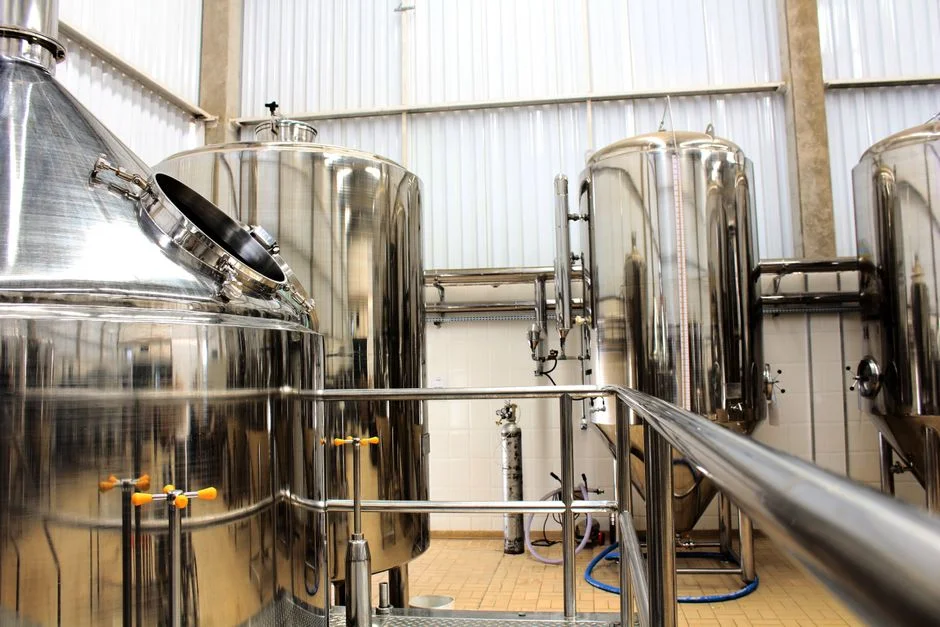
Size equalization and every downstream stage from the measured hydraulic and pollutant envelope, not an average flow or catalog maximum. The basis of design should include forward flow, peak-to-average ratio, production and cleaning schedules, and raw BOD5, COD, TSS, FOG, pH and temperature for each operating mode.
Each bid should include sludge volume and residual solids, pumping, power, chemicals, controls, odor control, redundancy, maintenance access and expected production growth. These inputs belong in the equipment basis because they affect either capacity, operating cost or the ability to maintain compliance.
Surcharges must remain separate from the permit limits until the receiving authority confirms both. Hixson provides a San Antonio Water System illustration of $1.32 per mg/L of BOD above 250 mg/L and $3.05 per mg/L of TSS above 250 mg/L, multiplied by monthly discharge volume. Those are San Antonio rates, not Bartow rates. They illustrate the need to document the actual local formula, but they must not be inserted into a Bartow cash-flow estimate.
Require alternatives to be compared using identical measured influent, written discharge limits, operating assumptions and sludge-handling costs. A lower equipment price can be misleading if it omits equalization, chemical control, monitoring, residuals, utilities or the space required for maintenance.
Every unresolved permit or wastewater input should appear as an open design assumption in the proposal, with an owner and closure date. This protects comparison between DAF, biological treatment and MBR bids. A broader procurement reference for industrial treatment costs and compliance inputs is useful for proposal review, as is the capital and operating cost structure for industrial buyers; neither supplies missing Bartow rates or site data.
- Request the current permit and surcharge schedule.
- Issue the measured source-by-source design basis.
- Require all bidders to state peak-condition capacity and performance assumptions.
- Compare complete-train costs and residual handling on the same scope.
- List every open assumption before award.
Turn Treatment Performance into Compliance Evidence
The compliance plan must connect each required parameter to a sampling method, measurement method, instrument, calibration requirement, data record, reporting route and responsible operator. Follow the POTW permit for pH, flow, BOD5, COD, TSS and FOG or oil and grease, and include any permit-specified nutrient or monitoring requirement.
Define the authorized discharge monitoring point clearly. The treatment-plant outlet is not automatically the compliance point, and sampling equipment should not obscure access for POTW observations. Establish alarm thresholds, chain-of-custody procedures and a named response responsibility for each parameter.
The operating narrative should address actual failure modes rather than only normal operation. For a CIP chemical slug, specify isolation, equalization and neutralization steps. For a production surge, identify where flow is held and which downstream stage remains protected. For biological upset, DAF failure or power interruption, define the diversion or no-discharge condition, required shutdowns, operator notifications and controlled restart criteria.
Performance guarantees should reference the plant’s actual influent envelope and the receiving sewer’s written limits. Each supplier should state its operating window, test methods, FAT and SAT protocols, operator training, critical spares, maintenance access and repair-response time. Unresolved assumptions must remain visible in the offer rather than disappearing into exclusions or footnotes.
For audit readiness, retain the current permit and discharge authorization, source-flow records, production and CIP logs, calibration records, laboratory results, chain-of-custody forms, operator certifications, equipment event logs, corrective actions and permit reports. This creates a traceable chain from the source event to treatment response and compliance evidence.
Frequently Asked Questions
Can 250 mg/L BOD5 and TSS be used to size a Bartow pretreatment system?
No. Hixson identifies 250 mg/L for BOD5 and TSS as commonly cited thresholds, not confirmed Bartow limits. The plant’s current POTW permit and applicable categorical requirements control. Obtain the written maximum and average limits, monitoring basis and discharge conditions before sizing equipment; if the permit is unavailable, keep that input open rather than using the generic threshold.
How should a DAF bid be compared with an MBR bid?
Require both bids to use the same measured peak influent, written discharge limits, production and CIP schedules, footprint, utilities, sludge route, controls and FAT/SAT basis. Ask each supplier to show where the full train meets the limit, including biological treatment where DAF alone is insufficient. Also require itemized power, chemicals, monitoring, maintenance and residual-handling costs so the comparison covers the complete installation.
What operating information should a buyer request before requesting a price?
Request source-by-source flows; BOD5, COD, TSS, FOG, pH and temperature; production, cleaning and CIP schedules; chemical identities and inventories; available space; electrical and other utilities; future production growth; and the required sludge-disposal or reuse route. Also request the POTW permit, local limits, surcharge formula, prohibited-discharge provisions and monitoring requirements. Without these inputs, a price cannot be converted into a defensible equipment capacity.
How does surcharge risk affect equipment selection?
Surcharge exposure should be calculated only after the Bartow rate, thresholds and fee units are confirmed. The San Antonio figures cited by Hixson—$1.32 per mg/L of BOD above 250 mg/L and $3.05 per mg/L of TSS above 250 mg/L, multiplied by monthly discharge volume—are examples, not Bartow rates. Compare alternatives using the confirmed local formula and the same measured discharge volume, while preserving the permitted source scope and required treatment train.
How should a plant prepare for a pretreatment audit?
Maintain an evidence package that connects the permit to actual operations: current authorization, source records, production and cleaning logs, calibration certificates, monitoring results, chain-of-custody documents, equipment event records, operator responsibilities, corrective actions and submitted reports. Review deviations before the audit, identify missing records and document whether each missing item resulted from a data gap, a monitoring failure or an unresolved design assumption.
Related Equipment
- DAF system for food-processing FOG and solids removal — specifications, capacity range, and technical data