How to Choose Between DAF and a Clarifier for Pulp and Paper Wastewater
For pulp-and-paper wastewater containing fibers, fillers, colloids, or suspended solids that settle poorly, DAF is usually the stronger pretreatment choice in 2026; conventional sedimentation or lamella clarification is more suitable when solids settle readily and chemical addition, compressed-air equipment, and skumming would provide limited benefit. DAF uses conditioned wastewater and microbubbles to float solids, while a clarifier primarily relies on gravity separation. The final selection should follow representative wastewater testing, treatment-train review, and life-cycle comparison—not equipment type alone.
DAF and a clarifier are not necessarily mutually exclusive technologies. DAF can provide primary clarification or serve as a secondary solids-separation step before biological treatment, while a lamella clarifier can handle selected solids-removal duties within the same treatment train. Ecologix characterizes pulp-and-paper wastewater as typically high in TSS, BOD, COD, color, and organic compounds, often including wood fibers and fillers. That mix makes the position of each separator in the treatment train as important as the separator itself.
Use this selection sequence:
- Characterize representative wastewater across normal production, paper-machine changes, cleaning cycles, coating operations, and wash-water contributions.
- Define the required effluent objective and the downstream biological, tertiary, reuse, or discharge constraints.
- Confirm that the downstream solids-handling system can accept the expected float or settled sludge.
- Compare DAF and clarifier performance using the same wastewater and treatment objectives.
If fibers and fillers have low settling velocities but can be coagulated and flocculated into bubble-attached flocs, evaluate an industrial DAF system for pulp and paper wastewater. If the solids settle reliably within the available clarification time, compare that option against a high-efficiency lamella clarifier. The defensible decision follows the wastewater envelope—not a preference for one vessel type.
Why Pulp and Paper Wastewater Makes Equipment Selection Difficult
Pulp-and-paper wastewater combines removable suspended material with substantial dissolved and finely divided contamination, so flow rate alone cannot determine separator performance. Ecologix identifies TSS, BOD, COD, color, organic compounds, wood fibers, and fillers as typical features of pulp-mill effluent. These components change across machine runs, grades, coating operations, and washing cycles.
DAF and clarifiers are separation processes. They can remove suspended material and associated pollutants, but clarification alone does not resolve the full dissolved BOD or COD load. A mill evaluating primary clarification should therefore distinguish between the objectives of solids recovery, protection of downstream biological treatment, and final effluent compliance.
Request representative samples and operating records covering:
- Fiber, filler, coating, and wash-water contributions;
- Solids concentration and particle distribution;
- Settleability and floatability;
- pH and temperature;
- Flow variability, including batch discharges; and
- The required solids-removal objective and downstream treatment conditions.
The EPA’s Process Design Manual for Wastewater Treatment Plants, AP-42 Chapter 2, Section 2 is an official process-design reference published in the supplied material on 2023-04-12. The supplied excerpt contains no numeric design criteria, so engineers should consult the manual directly rather than treat it as a substitute for site-specific testing. A quotation that applies generic flow rates without identifying the wastewater envelope, solids-loading basis, chemical program, and sludge route should not proceed to technical evaluation.
How DAF and Conventional Clarifiers Separate Solids
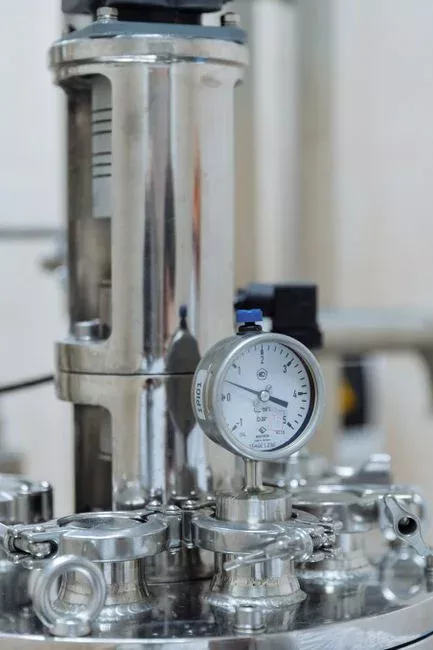
DAF separates solids by attaching conditioned particles to microbubbles, while gravity clarification separates them by settling under hydrostatic forces. This mechanical difference determines the auxiliary equipment, chemical requirements, operating controls, and failure modes that each supplier must price.
In a DAF unit, wastewater receives chemical conditioning and a portion of the clarified stream is pressurized and saturated with air. Releasing that recycle stream into the flotation tank produces microbubbles that attach to flocculated material. The float rises to the surface and is removed by a skimmer, while clarified water leaves through the lower portion of the vessel. Clearwater specifies microbubbles of 30–50 microns and states that proper coagulation and flocculation are necessary to improve particle size and microbubble contact (Clearwater, 2026-04-27).
Aries describes a comparable sequence: pH control, coagulation, flocculation, pressurized recycle, bubble formation, flotation, and surface removal. Its published operating description uses approximately 100 psi recycle pressure and approximately 30 µm microbubbles (Aries, accessed 2026). These are supplier-specific figures, not universal design criteria.
In a conventional clarifier, solids settle into a sludge zone. Inclined-plate or lamella arrangements shorten the effective settling distance and increase available settling area compared with an undivided basin. Both approaches still need disciplined sludge withdrawal, and lamella systems may also include flocculation and sludge recirculation.
Some suppliers describe DAF equipment as a “DAF clarifier.” That terminology does not change the operating principle: flotation remains bubble-assisted separation, not gravity sedimentation.
| Design factor | DAF | Conventional or lamella clarifier |
|---|---|---|
| Separation mechanism | Bubble-assisted flotation | Gravity settling |
| Typical process sequence | Conditioning, pressurized recycle, flotation, skimming | Conditioning where required, settling, sludge withdrawal |
| Main auxiliary equipment | Recycle pump, air-saturation and pressure equipment, dosing equipment, skimmer | Settling area, sludge withdrawal, and optional flocculation or recirculation |
| Concentrated solids stream | Surface float | Settled sludge |
| Supplier-specific bubble data | Clearwater: 30–50 µm; Aries: approximately 30 µm | Not applicable |
| Supplier-specific pressure data | Aries: approximately 100 psi recycle pressure | Not applicable |
DAF Performance Advantages for Fibers Fillers and Colloidal Solids
DAF is particularly suitable for solids with densities close to water that may be difficult to remove by conventional sedimentation. Ecologix identifies this characteristic as a principal advantage of DAF for pulp-and-paper applications. The practical opportunity is not that every fiber floats; it is that controlled flocculation and microbubble attachment can make otherwise poorly settling material buoyant enough to remove at the surface.
A typical treatment sequence is:
- Equalization and screening, where required by the mill wastewater collection system;
- pH adjustment and coagulant addition;
- Flocculation to create particles capable of attaching to bubbles;
- DAF flotation and surface skimming;
- Downstream biological or tertiary treatment; and
- Handling and dewatering of the concentrated float.
Flocculation improves the practical separation step by creating larger aggregates with surfaces that can contact microbubbles more effectively. The skimmer then removes a concentrated float sludge stream, which must be assessed against the mill’s paper mill sludge handling route and any downstream dewatering equipment.
Clearwater distinguishes DAF configurations by service and separator arrangement. Its FPAC is described as a low-profile cross-flow unit for small-to-medium flows with very high solids loads; its FPBC is a high-profile lamella-pack system for low-to-medium solids loads, including low-buoyancy particles; and its FPHF combines cross-flow and countercurrent arrangements for high flows with low-to-large solids loads (Clearwater, 2026-04-27). These are manufacturer model categories, not universal standards for pulp-and-paper equipment selection.
Compact clarification, suspended-material removal, and support for water-reuse objectives can justify DAF where the complete treatment train is properly defined. The supplied research does not establish a guaranteed removal efficiency for pulp-and-paper wastewater, so any performance commitment must be tied to representative influent, defined operating conditions, and an acceptance test. Automatic chemical dosing systems should therefore be evaluated as part of the separator scope, not treated as an optional accessory.
When a Conventional Clarifier Is the Better Fit
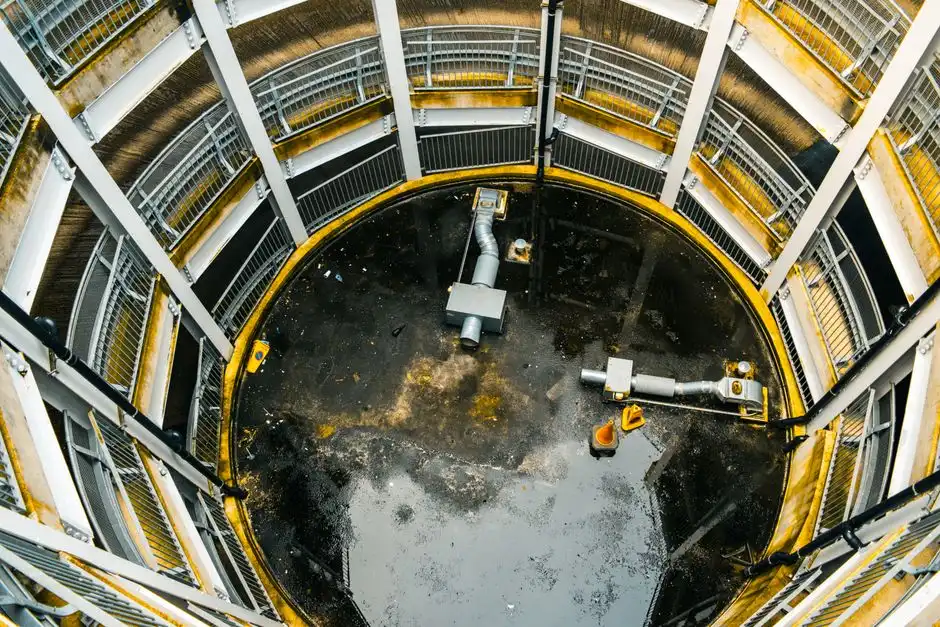
Gravity clarification is the better candidate when the target solids reliably settle within the available clarification time under representative mill-water chemistry. It may also be the simpler choice when chemical conditioning adds little value, compressed-air equipment is undesirable, and the plant can hydraulically manage the resulting sludge.
The HydropureWater verified lamella-clarifier catalog combines sludge recirculation, flocculation, and inclined-plate separation in a compact structure. It states surface-loading rates of 20–40 m/h and chemical-consumption reduction of up to 30% (HydropureWater verified product catalog, accessed 2026). These figures are supplier-specific and must be checked against the proposed duty, wastewater characterization, operating temperature, and test basis.
A lamella clarifier may still require coagulants, polymers, sludge recirculation, instrumentation, and downstream sludge handling. It should not be described as “gravity only” or assumed to have a lower operating cost until chemical use, mixing power, sludge pumping, maintenance, and waste-volume consequences have been compared.
Use an if-then decision:
- If representative solids settle reliably, compare conventional and lamella clarification against DAF without assuming flotation is superior.
- If settling is slow or variable, determine whether chemical conditioning can create settleable flocs or air-attached flotation flocs.
- If the float or settled sludge is difficult to dewater, evaluate solids consistency before selecting the separator.
DAF becomes the stronger option when the material floats poorly by itself but can be conditioned into flocs that attach effectively to microbubbles. Clarification becomes more attractive when gravity separation performs reliably and the additional chemical, air, recycle-pump, and skimming requirements of DAF do not produce a justified benefit.
Side-by-Side DAF and Clarifier Comparison for Mill Projects
DAF and conventional clarification should be compared as treatment-train systems, not as separator vessels in isolation. The procurement decision changes when chemical dosing, recycle, utilities, controls, sludge removal, and downstream equipment are included.
| Procurement criterion | DAF | Conventional or lamella clarifier |
|---|---|---|
| Best technical fit | Low-settling-velocity or near-water-density solids after conditioning | Solids that reliably settle within the available clarification time |
| Chemical conditioning | Typically central to reliable bubble attachment | May be unnecessary for readily settleable solids, but flocculation can improve performance |
| Utilities | Recycle pumping, air saturation, pressure equipment, and skimming power | Mixing and sludge pumping where required |
| Solids outlet | Skimmed surface float | Settled sludge |
| Footprint | Can be attractive where compact clarification is valuable | Conventional basins may require more area; lamella plates provide compact separation |
| Operating attention | Chemical control, recycle pressure, air system, skimmer, instrumentation, and sludge management | Sludge withdrawal, settling performance, instrumentation, and sludge management; optional recirculation and flocculation |
| Bid evidence required | Wastewater envelope, solids-loading basis, recycle design, conditioning sequence, controls, materials, and acceptance criteria | Wastewater envelope, settling-area calculations, surface-loading basis, recirculation and withdrawal details, controls, materials, and acceptance criteria |
For DAF, require the recycle-flow basis, air-saturation method, conditioning sequence, skimming arrangement, and expected float yield. For a clarifier, request settling-area and surface-loading calculations, hydraulic recovery details, sludge withdrawal, recirculation, and expected settled-solids yield. Both bids should state utilities, controls scope, construction materials, installation boundaries, commissioning duties, guarantees, and exclusions.
Footprint alone is a weak criterion. A compact DAF can still carry a substantial chemical, recycle, compressed-air, maintenance, and sludge-handling burden. Likewise, a lamella clarifier can create a smaller footprint while still depending on chemical conditioning and reliable sludge management.
How to Size and Qualify Equipment Before Ordering
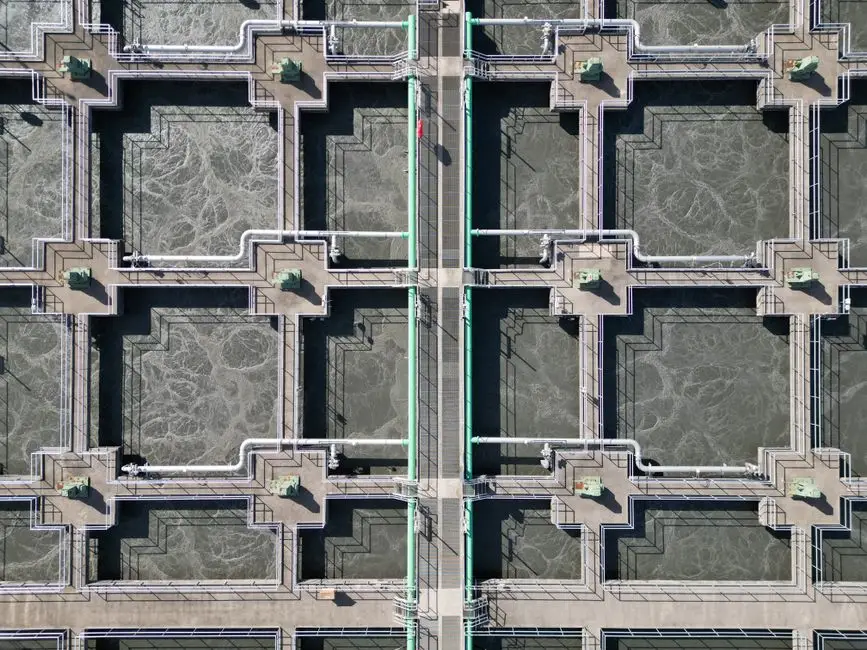
Equipment should be sized from representative wastewater behavior, hydraulic variation, solids loading, and downstream capacity—not from the separator’s published flow range alone. Aries states that wastewater evaluation can establish flotation characteristics, support chemical-program selection, and provide design variables through a laboratory report (Aries, accessed 2026). Jar testing is therefore a useful screening and chemical-program tool when the test conditions represent mill operation.
Provide bidders with the same design basis:
- Peak, average, minimum, and batch-discharge flows;
- TSS, BOD, COD, color, pH, and temperature;
- Fiber and filler characteristics, including particle distribution;
- Settleability and floatability results;
- Flow duration and production variability;
- Recycle-flow, compressed-air, chemical-use, and power constraints; and
- The required effluent and solids-removal objectives.
The HydropureWater catalog lists an industrial DAF system for pulp and paper wastewater covering 4–300 m³/h across 13 standard models (HydropureWater verified product catalog, accessed 2026). That is a supplier-specific model range, not a universal sizing rule. Each quotation must state the design flow, hydraulic loading basis, solids-loading basis, and operating envelope behind its selection.
Materials must match the actual chemistry and temperature. Clearwater lists 304 stainless steel as standard and offers 316 stainless steel, polypropylene, and other materials upon request (Clearwater, 2026-04-27). Require a materials schedule covering wetted parts, skimmer or sludge-collection components, frame, fasteners, and chemical-contact equipment.
| Document to request | Minimum information |
|---|---|
| Sizing basis | Flow range, duration, solids loading, hydraulic loading, and design envelope |
| Performance basis | Representative wastewater data, treatment objectives, test method, and acceptance conditions |
| Materials schedule | All chemical-contact and structural materials, with corrosion rationale |
| Controls narrative | Flow, level, pressure, chemical dosing, skimmer or sludge withdrawal, alarms, interlocks, and data access |
| Sludge route | Expected float or settled-solids yield, consistency, pumps, storage, and dewatering interface |
| Commercial scope | Supply, installation, tie-ins, training, commissioning, chemicals, spares, exclusions, and warranty |
Finally, calculate the expected sludge from the operating envelope rather than assuming that one separator produces a smaller waste stream. Confirm the destination with a plate-and-frame filter press assessment or the mill’s existing sludge-dewatering route.
East Dublin Implementation and Supplier Evaluation Checklist
East Dublin bids should begin with one documented wastewater envelope, not a generic request for a “DAF price.” Require each bidder to state the proposed treatment-train position, flow basis, solids-loading basis, chemical package, recycle system, sludge route, utilities, controls, and commissioning tests. Permit and site-specific engineering requirements must govern final compliance decisions.
- Collect representative samples across normal production, grade changes, coating operations, washing, and batch discharges.
- Define the required clarification objective and the downstream biological or tertiary treatment limits.
- Issue a common wastewater and design-basis package to every bidder.
- Require DAF proposals to disclose microbubble-system details, recycle pressure, conditioning sequence, skimming design, and material suitability.
- Require clarifier proposals to provide settling-area and surface-loading calculations, sludge withdrawal and recirculation details, and expected settled-solids yield.
- List exclusions explicitly, including chemical supply, sludge dewatering, installation, tie-ins, training, and downstream treatment equipment.
- Build an acceptance plan around representative influent and effluent sampling, solids-removal performance, hydraulic stability, controls interlocks, and the agreed operating envelope.
The EPA AP-42 process-design manual can support technical review, but it does not replace site-specific testing, vendor calculations, or current permit requirements. The broader DAF versus clarifier selection guide provides a useful framework for mechanism comparison, but pulp-and-paper bidding still needs mill-specific fiber, filler, and wash-water data.
Do not accept a bid that gives only separator flow capacity. Require calculations, operating assumptions, controls narratives, material schedules, auxiliary-equipment scope, sludge estimates, and measurable acceptance criteria. That level of definition reduces the risk of buying a vessel that cannot process the actual mill wastewater.
Frequently Asked Questions
Is DAF better than a clarifier for pulp and paper wastewater?
There is no universal winner. DAF is the stronger candidate when fibers, fillers, colloids, or other solids have low settling velocities but can be conditioned into flocs that attach to microbubbles. A conventional or lamella clarifier is more suitable when those solids settle reliably within the available clarification time and the added chemical, recycle, compressed-air, and skimming requirements of DAF do not provide a corresponding benefit.
How should a factory size a DAF system?
Require representative wastewater testing, including jar testing where appropriate, then provide bidders with peak, average, minimum, and batch-discharge flows together with TSS, BOD, COD, color, pH, temperature, and fiber and filler data. The sizing submission must also define recycle flow, chemical constraints, solids loading, sludge yield, materials, controls, and the performance envelope used for any guarantee.
What affects the total cost of DAF versus a clarifier?
The decisive cost items are usually the complete package rather than the separator alone. Request itemized pricing for chemical use, recycle and compressed-air equipment, power, sludge collection and dewatering, maintenance, materials, controls, installation, tie-ins, training, and downstream equipment. Also request each bidder’s exclusions so that omitted scope is not mistaken for low operating cost.
How should procurement compare suppliers?
Issue every bidder the same wastewater envelope and require transparent sizing calculations, drawings, materials schedules, controls narratives, auxiliary-equipment scope, commissioning obligations, and acceptance criteria. Supplier selection should also be tested against document quality and support: a low quotation based on undefined wastewater conditions offers less protection than a complete proposal tied to measurable operating conditions.
Can clarification alone meet a mill’s treatment objective?
Not reliably when the objective includes dissolved BOD, COD, color, or other soluble contamination. DAF and clarifiers are primarily solids-separation processes; they can remove suspended material and protect downstream treatment, but the full treatment train must address the remaining soluble and biodegradable load.