What Makes Pet Food Wastewater COD Removal Different?
Pet food wastewater COD removal is best designed as a treatment train rather than a single COD-removal device. Pet food plants commonly generate TSS, FOG, BOD/COD, ammonia and phosphorus; screening and DAF first remove solids, oils and non-soluble organics, while activated sludge or MBBR biologically reduces soluble BOD/COD. MBR can add membrane separation and a smaller footprint. Electrocoagulation also showed 99.5% COD removal in a laboratory petroleum-wastewater study, but that result cannot be assumed for pet food effluent without pilot testing.
COD is an aggregate measure of oxidizable material. It does not distinguish soluble organics from FOG, suspended solids or ammonia, so a COD-only specification leaves the main treatment duties undefined. JWC Environmental identifies high concentrations of TSS, FOG, COD and BOD in pet food processing wastewater. WaterTech also highlights ammonia-nitrogen and phosphorus alongside BOD/COD and FOG.
The waste profile changes with the production activity. Wet-food rendering, ingredient mixing, baking and equipment cleaning generate different water streams with different concentrations and treatment needs. Each stream should be characterized separately before the flows are combined.
Source segregation is the first design decision. Render wash water, product-contact cleanup, floor washing and cooling or utility water should be reviewed for recoverable fats, fibrous ingredients, cleaning chemicals and production schedule. The objective is not simply to maximize COD removal; it is to prevent a high-strength stream from setting an unnecessarily large biological and equalization load for the entire plant.
A complete characterization should therefore examine soluble BOD and COD alongside TSS, FOG, ammonia, phosphorus, pH and temperature. The meat processing wastewater COD removal comparison provides adjacent process context, but the final design must remain specific to the pet food facility’s streams and permit conditions.
Build the Treatment Train Around the Waste Profile
Physical separation, biological oxidation and solids separation perform different functions, so the treatment sequence should follow the contaminant profile. WaterTech’s process logic places FOG, TSS and particulate BOD/COD removal before biological treatment of soluble BOD/COD, ammonia and, where required, phosphorus.
Screening is the upstream control point. JWC Environmental describes screening of heavy solids before chemical or physical separation as integral to pet food wastewater treatment. Fibrous ingredients, render fragments and other heavy solids can obstruct pumps, valves and transfer lines, increase downstream sludge loading and create odor problems. Mechanical screening should protect the DAF and biological stages rather than be treated as an optional accessory.
DAF then removes material that can be physically separated. Pressurized air forms microbubbles that attach to FOG, TSS and non-soluble organics. The attached material rises and is skimmed into a scum collection system. An industrial DAF system for FOG and solids pretreatment is therefore primarily a physical-separation step, not a substitute for biological oxidation of soluble organics.
Activated sludge follows the biological duty: microorganisms consume organic matter and produce carbon dioxide, water and biomass. The biomass must then be separated, normally by secondary clarification, with return and wasting controls. MBBR retains attached biomass on moving media. WaterTech describes it as a fixed-film option for soluble BOD/COD reduction that can support nitrification and denitrification. Phosphorus management may require chemical precipitation followed by solids separation.
- Segregate production streams and characterize each wastewater source.
- Screen heavy solids before equalization and physical separation.
- Provide equalization where flow, FOG or solids loading requires it.
- Use DAF for recoverable FOG, suspended solids and non-soluble organics.
- Apply activated sludge or MBBR for soluble BOD/COD and required nutrient treatment.
- Clarify biological solids or use membrane separation when required.
- Add disinfection or reuse treatment where the approved discharge or reuse specification requires it.
| Treatment stage | Primary contaminant duty | Design question |
|---|---|---|
| Screening | Heavy solids and fibrous material | Which materials could obstruct or overload downstream equipment? |
| Equalization | Flow, concentration and load variation | Which streams require attenuation before treatment? |
| DAF | FOG, TSS and non-soluble organics | What solids and float removal duty must precede biology? |
| Activated sludge or MBBR | Soluble BOD/COD and selected nutrients | Which biological loading and nutrient-removal objectives apply? |
| Clarification or MBR | Biomass and residual suspended solids | Is conventional clarification sufficient, or is membrane separation justified? |
Compare the Main COD Removal Technologies
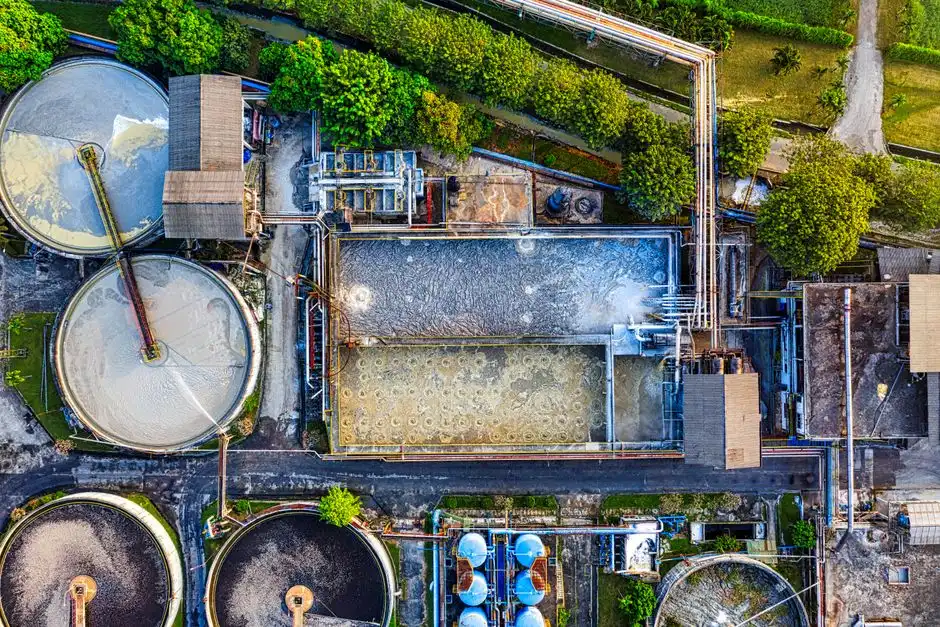
DAF, activated sludge, MBBR, MBR and electrocoagulation should be compared by mechanism and treatment duty, not treated as interchangeable products. The most important distinction is whether the process removes floating or suspended material physically, oxidizes soluble organics biologically, separates biomass through a membrane, or destabilizes contaminants through electrochemistry.
DAF is primarily suited to FOG, oil, grease, suspended solids and colloidal material. Its role is pretreatment: recover float, reduce solids carryover and protect the downstream biological process. The HydropureWater catalog lists 13 DAF models spanning 4–300 m³/h. That is a catalog range, not a universal sizing rule; hydraulic flow and contaminant loading must be evaluated separately.
Activated sludge uses suspended microorganisms to oxidize soluble organics, followed by biomass separation. Its final clarification and sludge-handling systems are integral to the process rather than ancillary items. MBBR retains biomass on media inside a flow-through reactor. That configuration supports soluble BOD/COD reduction and can provide nitrification and denitrification, subject to the influent characteristics and process objectives.
MBR combines biological treatment with membrane solids separation. The HydropureWater catalog states a capacity range of 10–2,000 m³/day, submerged PVDF membranes, filtration below 1 μm and a footprint 60% smaller than conventional systems. These are published catalog specifications, not guaranteed performance for a pet food project. An MBR membrane bioreactor for compact biological treatment should be evaluated against required effluent quality, membrane feed characteristics, loading and operating controls.
Electrocoagulation is a candidate for pH-controlled chemical and electrical treatment, but the strongest result in the supplied research has limited scope. Abbas Muslim and Asel reported 99.5% COD removal and 94.2% oil removal in a 2 L laboratory cell treating oily petroleum wastewater, with initial COD of 710 mg/L and initial oil of 95 mg/L. This was not a pet food wastewater study.
| Technology | Primary role | Strongest application condition | Main design uncertainty |
|---|---|---|---|
| DAF | Physical separation | FOG, oil, TSS and colloidal removal before biology | Hydraulic and solids loading; float and scum handling |
| Activated sludge | Biological oxidation and clarification | Soluble BOD/COD reduction with conventional biomass separation | Sludge production, settling and process control |
| MBBR | Fixed-film biological treatment | Soluble BOD/COD reduction and selected nutrient treatment | Media configuration, hydraulic retention and downstream solids removal |
| MBR | Biological treatment with membrane separation | Compact installation or membrane solids separation | Membrane feed, fouling, cleaning and catalog-versus-guaranteed performance |
| Electrocoagulation | Electrochemical destabilization and separation | Requires demonstrated treatment of the actual waste matrix | Scale-up, electrode consumption, salts, energy and sludge generation |
Design Parameters and Evidence Boundaries
The available electrocoagulation evidence is useful for defining a pilot, not for guaranteeing a full-scale pet food installation. Abbas Muslim and Asel used four aluminium and four iron electrodes with 2 cm spacing, 12 cm submergence, pH 7, a 50-minute treatment time, 10.5 V and 0.5 g/L sodium chloride. The study estimated energy consumption of 12 kWh/m³ and reported TSS of 73 mg/L.
Those values came from a 2 L coagulation cell investigating oily petroleum wastewater. The reported 99.5% COD removal therefore cannot be transferred directly to pet food rendering wastewater, where the wastewater matrix, flow, solids, FOG and operating cycles differ. It should be treated as a reference point for pilot variables and scale-up testing.
Ask each supplier to provide pet-food-specific evidence or pilot results covering the proposed hydraulic loading, chemical requirements, electrode consumption if electrocoagulation is proposed, sludge yield, energy use and control strategy. A laboratory percentage without the influent characterization, cell configuration and operating conditions is not enough for acceptance.
Before sizing any unit, obtain flow and diurnal variation, COD and BOD, TSS, FOG, ammonia, phosphorus, pH, temperature and the composition of each production stream. Cleaning campaigns and rendering operations should be represented in the characterization program because their loads may differ substantially.
| Published electrocoagulation parameter | Abbas Muslim and Asel value | Engineering interpretation |
|---|---|---|
| Electrode configuration | 4 aluminium and 4 iron electrodes | Laboratory reference only |
| Electrode spacing | 2 cm | Must be tested with the proposed electrode arrangement |
| Submergence | 12 cm | Scale-up and current-density effects require evaluation |
| pH | 7 | Actual pet food effluent pH may differ |
| Treatment time | 50 minutes | Not a full-scale hydraulic residence-time specification |
| Voltage | 10.5 V | Must not be transferred without electrode geometry and current-density data |
| Sodium chloride | 0.5 g/L | Residual salt and receiving-water effects require review |
| Estimated energy consumption | 12 kWh/m³ | Reported for the petroleum-wastewater study, not a pet food guarantee |
| Reported TSS | 73 mg/L | Study result with limited scope |
Choose Equipment by Treatment Objective
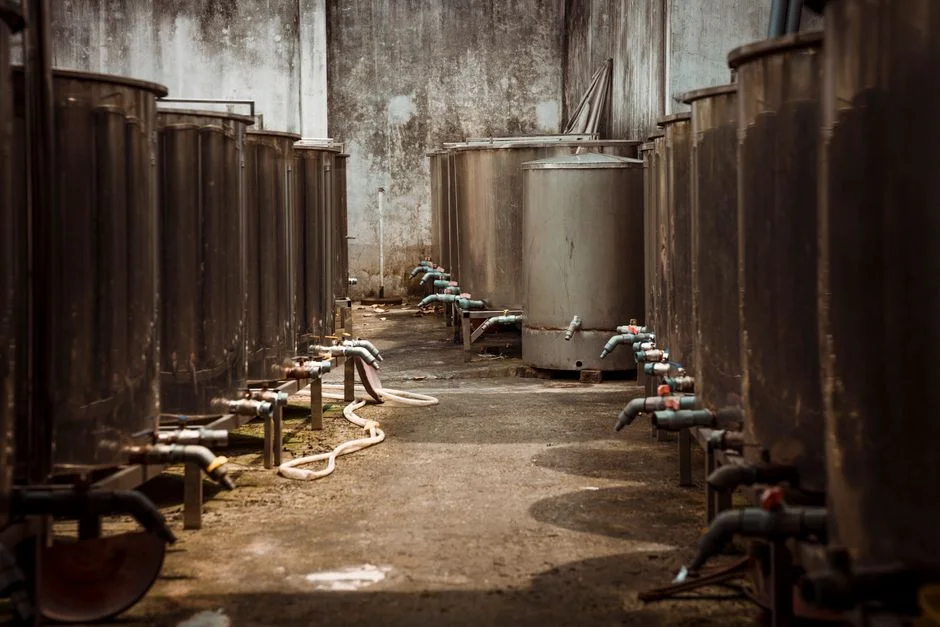
Pretreatment equipment selection should begin with the unwanted material entering each unit, not with a packaged COD-removal claim. For fibrous ingredients, render fragments and other heavy solids, screening is the relevant control measure; JWC Environmental describes heavy-solids screening before chemical or physical separation as an integral step and highlights solids loading and odor control as important considerations.
Choose DAF when the upstream objective is FOG, oil and grease recovery and suspended-solids removal before biological treatment. Size the unit from the actual flow range, TSS and FOG loading, oil characteristics, required removal duty and downstream biological criteria. Hydraulic capacity alone does not establish removal performance.
Choose activated sludge when soluble BOD/COD reduction and conventional suspended-biomass clarification fit the process. Choose MBBR when fixed-film retention, soluble COD reduction and the potential for nitrification and denitrification justify its media configuration. In either case, nutrient removal must be tied to the discharge requirement rather than assumed.
Choose MBR when membrane solids separation, a compact installation or higher-quality effluent is part of the approved project basis. The published 10–2,000 m³/day capacity and below-1 μm filtration specification should be used only as catalog references until the supplier ties them to the proposed influent envelope, loading basis and treatment objectives.
| If the primary decision is… | Evaluate first | Information required from the supplier |
|---|---|---|
| Protecting downstream equipment from heavy solids | Screening | Solid characteristics, loading basis, retained-solids handling and odor controls |
| Recovering FOG and reducing TSS before biology | DAF | Flow range, FOG characteristics, removal duty, chemical use, float handling and downstream load |
| Reducing soluble BOD/COD biologically | Activated sludge or MBBR | Influent envelope, loading basis, nutrient objectives, sludge yield and clarification requirements |
| Separating biomass through membranes or reducing footprint | MBR | Outlet targets, membrane configuration, cleaning strategy, controls and performance basis |
| Testing chemical and electrical removal | Electrocoagulation pilot | Actual wastewater results, electrode consumption, energy, chemicals, sludge and scale-up basis |
Every proposal should separate guaranteed outlet parameters from catalog capabilities. A guarantee should be tied to an agreed influent envelope and wastewater characterization. For comparative context, the poultry processing wastewater COD design parameters illustrates the need for a documented loading basis, but it is not a substitute for project-specific testing.
Pilot Testing, Commissioning and Operating Risks
A representative pilot should cover production and cleaning cycles rather than rely on one grab sample. This is particularly important when rendering, washing or formulation operations create intermittent FOG and solids loads that a short laboratory run may not reproduce.
Track COD removal together with TSS, FOG, ammonia and phosphorus. Measuring COD alone can hide deterioration in nutrients, float carryover or solids separation. The pilot should also verify sludge generation, scum removal, odor control, chemical consumption, energy demand and automatic-control response.
Confirm the load reaching the biological stage after DAF. Residual FOG and suspended solids can change aeration demand, biomass growth, sludge production and downstream clarification performance. A successful DAF trial should therefore include measured post-DAF water quality, not only the appearance or volume of recovered float.
For mechanical sludge dewatering, evaluate food processing sludge dewatering equipment against the actual sludge properties generated by DAF or biological treatment. The selected dewatering method must work with the cake structure, solids content and handling requirements produced by the treatment train.
Commissioning should include an agreed acceptance protocol tied to the locally applicable POTW or discharge permit and the facility’s contracted pretreatment limits. The supplied research does not establish a universal COD limit, so the outlet basis must come from the applicable permit or sewer agreement rather than a generic catalog statement.
Frequently Asked Questions
Is DAF alone sufficient for pet food wastewater COD removal?
DAF can remove FOG, TSS and non-soluble organics, but it does not replace biological treatment of soluble BOD/COD. WaterTech’s process logic therefore places physical separation before activated sludge or MBBR. A DAF-only train is appropriate only where the treatment objective and receiving authority allow it and the residual soluble load meets the applicable requirement.
How should a DAF system be sized and budgeted?
Sizing requires the flow range, suspended-solids loading, FOG characteristics, required removal duty and downstream biological criteria. The catalog range of 4–300 m³/h across 13 standard models is not a universal sizing rule. For pricing, request a written offer tied to those wastewater inputs, selected materials, controls, float handling, chemical requirements, installation scope and performance basis; the research provides no defensible quotation for a pet food installation.
When is an MBR necessary?
MBR is justified when the project requires membrane solids separation, a compact installation or a defined higher-quality effluent. Conventional activated sludge with effective clarification may suffice where those objectives are not required. The decision should compare the biological process, downstream solids separation, footprint, membrane fouling and cleaning implications, operating controls and whole-life requirements.
How should competing supplier proposals be compared?
Require each proposal to use the same influent envelope, outlet guarantee, loading basis, energy consumption, chemical consumption, sludge yield, controls scope and pilot basis. Ask the supplier to identify which figures are catalog references, which are calculated for the proposed case and which are guaranteed for an agreed wastewater range. A lower equipment price is not directly comparable unless the same performance and operating obligations are included.
What data should be collected during an electrocoagulation trial?
Use the Abbas Muslim and Asel petroleum-wastewater study as a reference for the variables under test: four aluminium and four iron electrodes, 2 cm spacing, 12 cm submergence, pH 7, 50 minutes, 10.5 V and 0.5 g/L sodium chloride. Do not treat these as preset plant settings. Test actual pet food wastewater across representative operating cycles and measure COD, oil, TSS, energy use, chemical or salt addition, electrode consumption and sludge generation.