Why Poultry Wastewater Demands a Multi-Stage COD Removal Strategy
Poultry processing wastewater COD removal typically combines DAF pretreatment (4–300 m³/h) for FOG/TSS reduction with biological treatment. Lab-scale static granular bed reactors (SGBR) achieve 80% average COD removal and 95% maximum at 24-hour HRT and 5.74 g COD/L·day OLR under mesophilic conditions (S2). MBR systems deliver near-reuse-quality effluent with 60% smaller footprint than conventional activated sludge and higher upset resistance (S4). Technology selection depends on discharge vs. reuse targets, space constraints, and organic loading variability.
Poultry slaughterhouse wastewater is characterized by high concentrations of BOD, COD, total suspended solids, fats, oils, greases, blood proteins, and pathogens (S1, S4). Because cleaning operations and carcass processing occur in cycles, the organic contaminant load is highly variable, with fat and blood serving as the primary drivers of organic strength (S4). Single-technology approaches are frequently insufficient; high FOG concentrations inhibit biological activity, while blood proteins contribute to membrane fouling and biological process instability (S4). Conventional activated sludge systems often struggle with these fluctuations, leading to settling issues and high operator demand (S4). Regulatory requirements dictate the treatment train, with direct discharge typically necessitating COD levels between 100–200 mg/L, while water reuse for cooling or wash-down processes requires COD levels below 50 mg/L along with stringent pathogen reduction (S4).
DAF Pretreatment: FOG and Solids Removal Performance Parameters
Dissolved air flotation is the standard first step for poultry processing effluent, capable of handling influent flows from 4 to 300 m³/h using micro-bubble technology for efficient solids separation. This stage is critical for removing suspended solids, FOG, and colloidal matter, protecting downstream biological units from organic overloading and fouling (S1, S4). To maintain consistent effluent quality, these systems must be integrated with PLC-controlled coagulant and flocculant injection to optimize particle destabilization (S4). Rotary mechanical bar screens, such as the GX Series, are required upstream to prevent fibrous debris, plastics, and rags from damaging DAF pumps and internal components.
| Parameter | Typical Performance Metric |
|---|---|
| Flow Capacity | 4–300 m³/h (Standard Models) |
| FOG Reduction | 80–95% (with chemical dosing) |
| TSS Reduction | 70–90% (with chemical dosing) |
| Primary Function | FOG/TSS removal, colloidal matter reduction |
Engineers specifying these systems should consult a DAF pretreatment for poultry FOG and TSS removal to ensure the hydraulic loading matches plant throughput. Integration with an PLC-controlled coagulant dosing for DAF optimization is non-negotiable for handling the high variability of slaughterhouse waste. Installing a rotary mechanical bar screen is essential to protect downstream equipment. For those comparing physical separation options, a DAF vs clarifier selection guide for food processing provides additional context on footprint and efficiency.
Anaerobic Treatment: Static Granular Bed Reactor (SGBR) Design Data
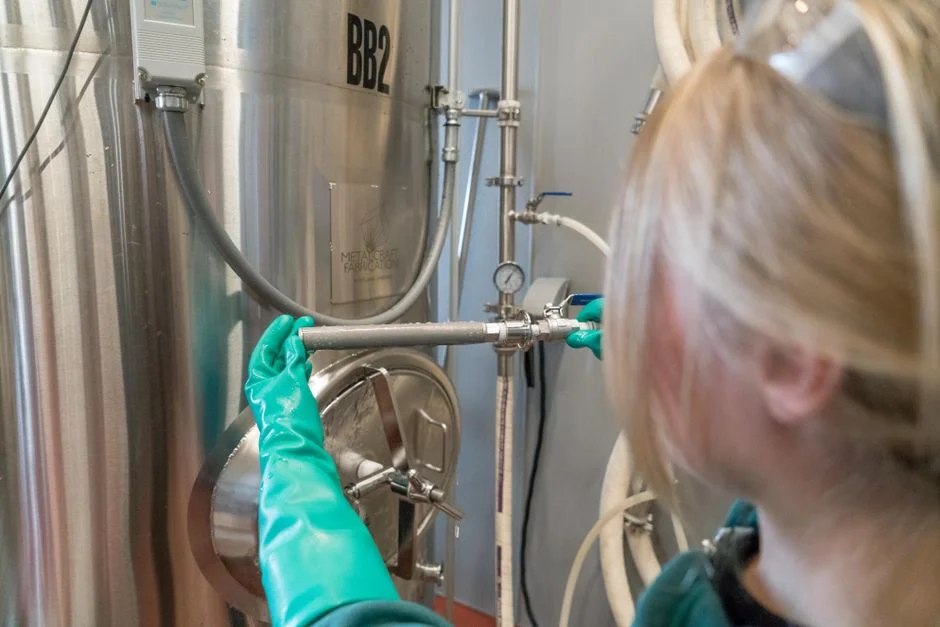
Lab-scale down-flow SGBR testing indicates that anaerobic treatment of poultry slaughterhouse wastewater is feasible under mesophilic conditions (35–37°C) with significant COD removal potential (S2). Research conducted over a 138-day continuous operation period evaluated hydraulic retention times (HRT) between 24 and 96 hours and organic loading rates (OLR) from 0.78 to 5.74 g COD/L·day (S2). The data shows an average COD removal efficiency of 80%, with a maximum of 95% achieved at the 24-hour HRT and 5.74 g COD/L·day OLR (S2). These results demonstrate high organic tolerance and potential for compact reactor design, though they are currently limited to lab-scale studies, and full-scale poultry-specific data remains an area for further engineering validation.
| Parameter | Performance Range (Lab SGBR) |
|---|---|
| Temperature | 35–37°C (Mesophilic) |
| HRT Range | 24–96 hours |
| OLR Range | 0.78–5.74 g COD/L·day |
| Average COD Removal | 80% |
| Max COD Removal | 95% (at 24h HRT, 5.74 g COD/L·day) |
MBR Systems: Footprint, Effluent Quality, and Upset Resistance
Integrated membrane bioreactor (MBR) systems provide a high-efficiency aerobic solution for poultry wastewater, delivering effluent quality suitable for water reuse while maintaining a footprint approximately 60% smaller than conventional activated sludge processes (S4). These systems utilize submerged membranes—typically flat sheet with 0.1 μm pores or hollow fiber with 0.03 μm pores—to separate biomass from treated water, ensuring that effluent is free of suspended solids regardless of sludge settleability (S4). Because MBR performance is decoupled from sludge settling characteristics, these systems are inherently more resistant to the organic loading upsets common in poultry plants (S4).
| Feature | Specification/Performance |
|---|---|
| Filtration Pore Size | 0.1 μm (Flat Sheet) / 0.03 μm (Hollow Fiber) |
| Footprint | 60% smaller than conventional activated sludge |
| Capacity Range | 10–2,000 m³/day (integrated MBR) |
| Energy Efficiency | 10–20x lower than external cross-flow systems |
For plants targeting water reuse, an MBR system for poultry wastewater COD removal is the preferred configuration. Individual MBR membrane modules provide scalable capacity, with flat sheet units typically producing 32–135 m³/day per module. When absolute discharge or reuse standards are required, UF polishing for poultry water reuse can be added to the treatment train. A technical comparison of MBR vs conventional activated sludge comparison framework is helpful for evaluating the CAPEX/OPEX trade-offs inherent in these systems.
Technology Comparison Matrix: Selecting the Right COD Removal Train
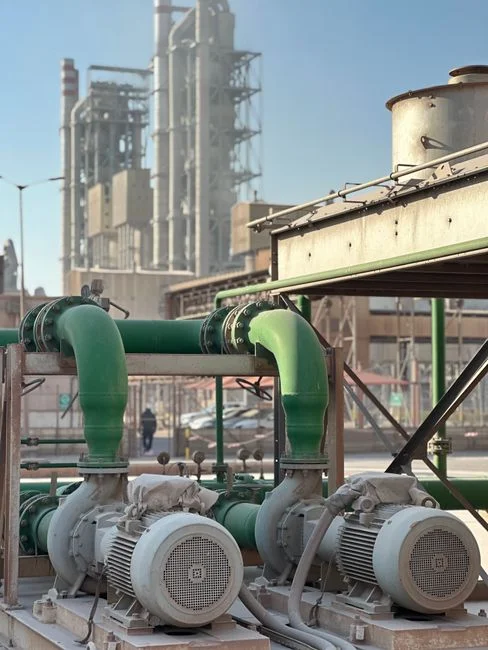
The selection of a COD removal train depends on the specific discharge or reuse goals, site footprint limitations, and the facility's tolerance for operational complexity. Conventional activated sludge systems are often the lowest in initial CAPEX, but their susceptibility to upsets makes them a high-risk choice for variable poultry waste streams (S4). Conversely, MBR-based trains offer superior effluent quality and smaller footprints but require more sophisticated membrane maintenance and PLC automation design for food wastewater plants.
| Configuration | COD Removal | Footprint | Reuse Potential | Key Driver |
|---|---|---|---|---|
| DAF + Activated Sludge | 80–90% | Large | Low | Low initial CAPEX |
| DAF + MBR | 90–95% | Small | High | Reliability, footprint |
| DAF + Anaerobic + MBR | 95%+ | Moderate | Very High | Energy recovery, reuse |
Staged Treatment Train Design for Discharge vs. Reuse Scenarios
Designing a treatment train for poultry plants requires a staged approach. For discharge to municipal sewer systems, a flow of Screen → DAF → Equalization → MBR → Disinfection (e.g., chlorine dioxide or UV sterilization) is typically sufficient to meet COD limits below 200 mg/L. When the goal is water reuse, the train must be upgraded to include biological stabilization and membrane polishing: Screen → DAF → Anaerobic Reactor → MBR → UF system → RO system → EDI polishing. Sludge management for these systems typically involves thickening the DAF float and waste activated sludge followed by a plate and frame filter press for dewatering prior to disposal or composting.
Frequently Asked Questions
What is the typical CAPEX range for a 500 m³/day poultry wastewater MBR system?
Public pricing for MBR systems is not available, as costs depend on site-specific influent characterization, local labor, and civil works. Buyers must request a vendor quote based on detailed raw wastewater analysis, including FOG, BOD, and TKN concentrations, to determine the necessary membrane surface area and aeration requirements.
How much biogas can an anaerobic reactor produce from poultry wastewater at 5 g COD/L·day OLR?
Current lab-scale SGBR data confirms high COD removal efficiency at this loading rate, but full-scale biogas yield depends on the specific biodegradability of the fat and protein fractions in the influent. Yield estimates should be derived from bench-scale pilot testing tailored to the specific plant's waste profile.
What pretreatment is mandatory before MBR to prevent membrane fouling from poultry FOG and blood proteins?
DAF pretreatment with integrated chemical dosing is mandatory to reduce FOG and TSS levels before the MBR stage. Without effective DAF-based FOG removal, membrane fouling rates increase, requiring excessive chemical cleaning and reducing membrane lifespan.
Can electrocoagulation replace DAF for poultry FOG removal?
While electrocoagulation has demonstrated 94.2% oil removal in petroleum refinery wastewater (S5), its application in poultry processing remains unproven at scale. The primary concern for poultry operators is the high OPEX associated with electrode consumption and the lack of full-scale performance data for high-strength food-derived emulsions.