What decision should a mine or metals factory make first?
Mining and metals factories should choose a clarifier for dense, rapidly settling mineral fines and a DAF for oils, flotation reagents, and conditioned colloidal or precipitated solids. Neither unit is universally superior: the decision depends on the contaminant fractions in each wastewater stream. A clarifier removes bulk settleable solids by gravity, while DAF attaches conditioned floc to 30–50 µm microbubbles and floats it to the surface. For combined streams, a clarifier followed by DAF is often the defensible arrangement, subject to characterization and testing.
Start by separating the plant’s sources rather than designing one unit for a blended discharge. Tailings-thickener overflow, mill discharge, metal-finishing rinse water, vehicle wash water, and neutralization overflow can contain materially different fractions. Dense mineral fines, metallurgical sludge, and tailings are candidates for gravity clarification. Oils, greases, residual flotation reagents, biological flocs, and conditioned precipitates are candidates for flotation. A lamella clarifier for mineral solids increases effective settling area without changing the gravity mechanism.
DAF is not well suited to raw water containing a high load of heavier particles that do not float, such as silt and clay. That limitation, identified by Fluence in the supplied research, makes upstream clarification relevant when those solids are significant. Conversely, dissolved heavy metals cannot be removed by settling or flotation alone unless pH control and chemical treatment first convert them into precipitates that can be separated. The sequence is therefore: characterize the stream, establish chemistry and settleability, select the mechanism, size it, and then define sludge handling and reuse treatment.
How mining wastewater fractions map to separation mechanisms
Dense mineral fines are the strongest clarifier case because gravity separation can exploit their settling behavior under the applicable surface overflow condition. DAF is strongest for contaminants that can be conditioned to attach to bubbles or are already buoyant. This distinction determines which fraction each unit receives and prevents a flotation unit from being asked to perform bulk clarification.
| Wastewater fraction or source | Dominant contaminant character | First separation mechanism | Required performance information | Likely downstream solids route |
|---|---|---|---|---|
| Tailings-thickener overflow or mill discharge | Dense mineral fines, silt, tailings, metallurgical sludge | Clarifier or thickener-based clarification | TSS, particle-size distribution, settleability, surface overflow rate, underflow concentration | Thickener underflow and dewatering |
| Metal-finishing rinse water | Oils, greases, emulsions, dissolved metals, fine precipitates | Equalization, pH control, and DAF flotation | Oil and grease, pH, dissolved metals, coagulant and flocculant demand, floatability | Float sludge and possible dewatering |
| Vehicle or equipment wash water | Buoyant oils and greases with settleable dirt | DAF after suitable equalization and conditioning | Oil and grease, TSS, emulsion condition, chemical demand, skimmer loading | Float sludge plus settled bottom solids |
| Neutralization overflow | Conditioned metal hydroxide precipitates, colloids, residual metals | DAF polishing where precipitation and floatability are demonstrated | pH response, precipitation test, particle size, residual dissolved metals | Float sludge to dewatering |
| Combined discharge | Bulk mineral solids plus buoyant, colloidal, or precipitated fractions | Clarifier followed by DAF | Flow and load profile for each stage, settleability, floatability, residual quality | Separate underflow and float sludge routes |
Colloidal clay and fine silica are boundary cases. They may remain suspended after gravity separation, but DAF is not well suited to lifting a high load of heavier particles that do not float. Clarification or another solids-removal step may therefore be needed first. Emulsified oils and low-specific-gravity precipitates can pass through a clarifier but become DAF targets after the emulsion is broken and the particles are conditioned.
Clarifier plates improve settling area within a smaller footprint, but they do not remove colloidal, buoyant, or dissolved contaminants. That limitation explains why an industrial DAF system for mining wastewater is normally evaluated as a polishing or flotation stage rather than as a substitute for bulk clarification.
DAF and clarifier compared for mining and metals applications
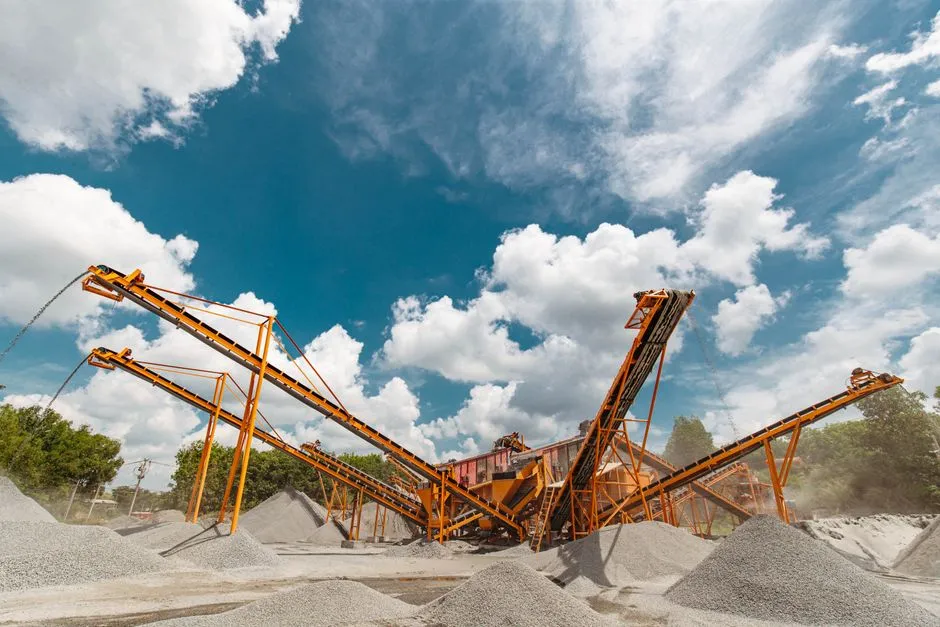
DAF separates conditioned solids by flotation, while a clarifier separates settleable solids by gravity; the feed characteristics determine which mechanism can achieve the required result.
A DAF system uses recirculated, pressurized water to form microbubbles. Clearwater Industries, dated 2026-04-27, describes 30–50 µm microbubbles that attach to conditioned solids and rise to a surface layer removed by a paddle skimmer. Heavier solids settle into a bottom collection zone. Chemical conditioning is part of the separation mechanism rather than an accessory: pH adjustment, coagulation, and flocculation enlarge the particles and improve bubble contact.
A conventional or lamella clarifier relies on particle settling under the applicable surface overflow rate. Settled solids are withdrawn as underflow, while clarified water overflows through a launder. Lamella plates increase effective settling area and can reduce civil footprint, but they do not change gravity separation or recover contaminants that do not settle.
| Design input | DAF evaluation | Clarifier evaluation |
|---|---|---|
| Separation mechanism | Microbubble attachment and surface flotation | Gravity settling and underflow withdrawal |
| Flow and TSS | Peak flow, solids loading, surface accumulation, skimmer capacity | Peak flow, hydraulic loading, settling criteria, sludge withdrawal capacity |
| Particle-size distribution | Floatable fraction, colloid response after conditioning, residual heavier solids | Settling-velocity distribution, colloidal carryover |
| pH and chemical demand | Coagulant, flocculant, pH adjustment, recycle and saturation system | Optional flocculation; performance governed by settleability and hydraulic loading |
| Dissolved metals | Requires prior precipitation or other conversion into a removable particulate | Requires prior precipitation; dissolved fraction is not removed by settling |
| Oil and grease | Primary target after emulsion breaking and conditioning | Not reliably removed when buoyant or emulsified |
| Solids concentration | Clarify Industries reports thick floated sludge that may need little further dewatering | Underflow concentration must be specified for pumping and dewatering |
| Controls and operating dependencies | Chemical dosing, recirculation, pressure saturation, skimming, sludge removal | Hydraulic loading, underflow withdrawal, sludge removal, optional flocculation |
DAF’s operating burden is chemistry-sensitive. Aries describes pH control, coagulation, flocculation, and a high-pressure recycle system, while Clearwater emphasizes conditioning and automatic sludge removal. Clarifiers have a different control burden: hydraulic loading, particle settleability, and reliable underflow withdrawal. Procurement should compare these dependencies alongside footprint and solids handling rather than compare tank volumes alone.
Where chemicals are needed, request the automatic chemical dosing system as part of the performance basis. Dose should come from testing, not a copied default. The supplied research cites 30 mg/L aluminum sulfate as the optimum for algae and phosphorus removal in the Logan, Utah lagoon-effluent study by Elder in 2011; that value is not transferable to mining water.
Choose the treatment train from the stream profile
A stream dominated by dense fines calls for clarification first; a stream dominated by oils, reagents, or conditioned precipitates calls for DAF, while a mixed discharge usually requires both stages.
For tailings or mill discharge dominated by dense fines, specify a clarifier or thickener-based solids-removal step before flotation. This protects the downstream DAF from the heavier solids that do not float readily. For finishing rinse water or wash water dominated by oils, greases, flotation reagents, and conditioned precipitates, specify DAF after equalization and chemical conditioning. Equalization matters because hydraulic and chemical shocks change both chemical demand and flotation performance.
For a combined discharge containing both fractions, use a clarifier followed by DAF. The clarifier handles the bulk settleable fraction and withdraws underflow; the DAF captures the buoyant material and conditioned particles that escape. The clarified side should be tested for residual solids, oil and grease, and metals before the DAF stage is finalized.
For process-water reuse, do not stop at clarified or floated effluent. Specify downstream filtration or membrane treatment where the reuse criteria and residual solids justify it. An ultrafiltration system for reuse polishing may be relevant when the clarified or floated water still contains material that membrane separation must remove. The required finish depends on the receiving process and the current permit; it cannot be selected from equipment type alone.
- Characterize each source stream across operating and seasonal conditions.
- Run settleability and floatability tests on the actual water.
- Select clarification, flotation, or a combined train.
- Size the selected unit from flow, load, and test-derived criteria.
- Define sludge handling, reuse treatment, and discharge verification.
Jar and pilot testing should establish chemical doses and flotation performance. The supplied research does not provide a universal mining-water dose or removal guarantee. It therefore supports a test-specific procurement basis, not a generic claim that DAF or clarification alone will meet a site’s limit.
Turn the selection into an RFQ and supplier-qualification checklist
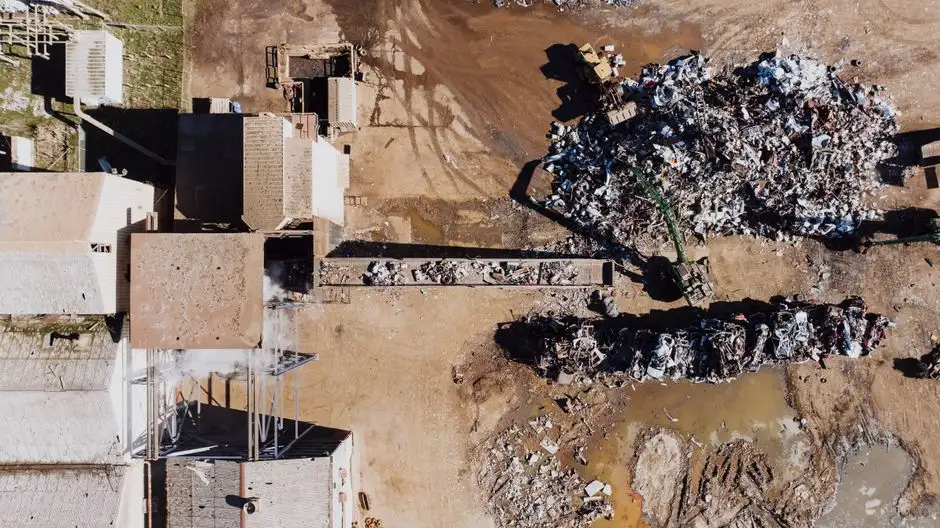
A comparable bid must specify the wastewater, the separation objective, the operating envelope, and the solids route; a tank price without those inputs is not a technically comparable offer.
Request flow data across operating and seasonal conditions, along with TSS, particle-size distribution, pH, temperature, oil and grease, and dissolved metals such as copper, lead, and zinc. Require bench-scale jar testing to establish coagulant and flocculant selection and dose. For pilot evidence, ask whether the tested wastewater has comparable solids, chemistry, and metals rather than treating generic application notes as proof.
| RFQ package | DAF bidder must state | Clarifier bidder must state | Both bidders must provide |
|---|---|---|---|
| Design basis | Flow, TSS, flotation criteria, recycle basis, float and bottom-solids loads | Flow, TSS, hydraulic loading, settling criteria, underflow load | Actual-water analytical dataset and seasonal operating assumptions |
| Test evidence | Jar-test protocol, chemical program, flotation results or comparable pilot data | Settleability evidence, expected overflow quality, comparable pilot data | Test method, sample conditions, and acceptance criteria |
| Mechanical scope | Saturation pump, recycle piping, skimmer, sludge withdrawal, controls, tank volume | Launder, lamella pack if used, sludge-removal design, underflow capacity | Materials of construction, utility requirements, drawings, and controls architecture |
| Commercial scope | Equipment, conditioning, installation, commissioning, training, solids handling | Equipment, installation, commissioning, training, solids handling | Performance assumptions, exclusions, schedule, warranty, and support responsibilities |
For corrosive or abrasive duties, request suitable materials from each bidder. Clearwater offers 304SS as standard and 316SS, polypropylene, and other materials by request. Aries describes epoxy-coated mild steel, stainless steel, and polyethylene construction options. The buyer must still verify compatibility with the actual chemistry, temperature, abrasivity, and cleaning regime.
Use the 2026 DAF installation and commissioning protocol to define startup, controls verification, and operator handover. Include the industrial sludge dewatering technology comparison in the solids review. Evaluate compliance against the site’s current permit and applicable pretreatment or discharge requirements rather than relying on a generic compliance statement.
Price the whole system rather than the tank alone
The supplied research does not establish a defensible 2026 unit price for a mining DAF or clarifier, so the correct procurement response is a project-specific budgetary quotation rather than a universal price.
Request quotations tied to flow, TSS, contaminant fractions, equipment geometry, materials of construction, site constraints, controls, installation, commissioning, training, and solids handling. Compare civil work, chemical equipment, operating labor, energy, maintenance, sludge concentration, dewatering, and disposal within one lifecycle-cost framework. A lower tank price can be offset by higher chemical demand, poorer sludge concentration, or an under-scoped civil installation.
The HydropureWater DAF catalog covers 4–300 m³/h across 13 standard models, while its lamella clarifier catalog states surface loading rates of 20–40 m/h. These are catalog parameters, not site-specific guarantees; the selected capacity and loading must follow the actual flow and solids profile.
Include the downstream solids route in the quote. The HydropureWater plate-and-frame filter-press range covers 1–500 m² of filtration area, with manual, hydraulic, and fully automatic PLC-controlled options. A plate-and-frame filter press for sludge dewatering should be evaluated against the expected underflow and floated-solids characteristics rather than selected from area alone.
For process-water reuse, price filtration or membrane protection when the required reusable-water quality makes it necessary. The comparison should reflect the cost of producing reusable water, not merely the cost of obtaining clarified water.
Frequently Asked Questions
Is DAF or a clarifier better for mining wastewater?
Use a clarifier for bulk settleable mineral fines and a DAF for oils, flotation reagents, biological flocs, and conditioned colloidal or precipitated solids. A clarifier followed by a DAF polisher is the common combined arrangement when both fractions are significant. The choice must follow characterization, settleability testing, and floatability testing.
How much does a mining wastewater DAF or clarifier cost?
The supplied evidence supports a project-specific quotation, not a universal 2026 price. Request budgetary quotes using peak and seasonal flow, TSS, particle-size distribution, contaminant fractions, geometry, materials, chemical conditioning, controls, installation, commissioning, and sludge handling. Compare the resulting lifecycle cost rather than the tank price alone.
What flow rate is needed to size a DAF for a metals plant?
The 4–300 m³/h HydropureWater catalog range is a product range, not a design calculation. Size the DF from peak flow, solids loading, feed chemistry, recycle basis, flotation performance, and test results. Clarify whether the flow is continuous or intermittent and how the chemical system handles the highest expected load.
Which supplier qualifications matter for mining and metals wastewater equipment?
Require relevant test data, metallurgy compatibility, controls detail, commissioning support, and a quotation tied to the actual effluent profile and current permit. Check that proposed performance claims are supported by water with comparable solids, chemistry, and metals. Also require defined responsibilities for installation, training, chemicals, controls, and solids handling.
Can a clarifier alone meet strict metal discharge limits?
A clarifier removes settleable solids but does not inherently remove dissolved metals or all buoyant and colloidal fractions. pH control and precipitation may convert metals into removable solids, while DAF or another polishing step may be needed. Verify the current permit and reuse criteria with the relevant authority; do not assume that one unit establishes compliance.
Related Equipment
- lamella clarifier for mineral solids — specifications, capacity range, and technical data