Start with the wastewater, not the equipment catalog
An effluent treatment plant in Barranquilla should be selected only after the industrial wastewater, discharge or reuse target, flow profile and contaminant load have been characterized. DAF is a strong pretreatment option when suspended solids, oil and grease, FOG or colloidal matter dominate. Biological treatment addresses biodegradable organic load, while MBR combines biological treatment with membrane separation and suits projects needing compact equipment and filtrate below 1 μm. Where water reuse is required, UF, reverse osmosis or advanced polishing may follow. Academic evidence also supports nanofiltration and constructed wetlands for selected reuse or micropollutant objectives, but suitability depends on the complete wastewater profile.
Begin with a flow register covering normal flow, peak flow, operating shifts, batch discharges and expected production changes. Average daily flow cannot establish equipment size by itself. Ask whether flow is continuous, intermittent or dominated by tank cleanouts, and whether proposed equipment can operate during the plant’s actual duty cycle.
The wastewater characterization should cover pH, suspended solids, oil and grease, FOG, biochemical oxygen demand, COD, color and conductivity, plus contaminants specific to the industry. For example, pharmaceutical, metal-processing or food plants may need additional compound-specific sampling. Obtain a representative sampling plan rather than relying on one grab sample.
Separate sanitary, cooling, process and storm-water streams where practical. Otherwise, dilution flow can consume treatment capacity without representing the industrial load. Confirm the receiving route, applicable permit conditions, monitoring frequency and whether the treated water will be discharged, reused or both.
Finally, distinguish project evidence from transferable claims. Laboratory results, pilot tests and operating data are persuasive only when the supplier identifies the wastewater matrix, test method, operating conditions and acceptance criteria. A performance figure from unrelated industrial wastewater is not a valid design guarantee for the proposed plant.
Map each contaminant stage to the right treatment process
A defensible industrial ETP design follows the sequence: characterize the wastewater, remove contaminants that interfere with downstream equipment, apply biological treatment where biodegradable load requires it, add membrane polishing when the reuse or discharge objective demands it, then provide sludge management and disinfection where necessary. Each stage should solve a defined problem rather than add equipment by default.
| Wastewater objective | Potential treatment role | Decision evidence required |
|---|---|---|
| Suspended solids, FOG, oil and grease, or colloidal material | Dissolved air flotation as a physical separation or pretreatment stage | Characterization results, recoverability testing and downstream compatibility |
| Biodegradable organic load | Biological wastewater treatment | BOD, COD, biodegradability, pH, temperature and nutrient balance |
| Combined biological treatment and fine separation | MBR with submerged membrane filtration | Organic-load profile, solids separation target and membrane-fouling assessment |
| Suspended solids, colloids and bacteria ahead of reverse osmosis | UF membrane pretreatment | Target permeate, feed chemistry, scaling risk and pretreatment duty |
| Defined high-quality reuse or discharge objective | RO, nanofiltration or specialist polishing | End-use quality, contaminant-specific tests, recovery and concentrate route |
| Selected micropollutant removal objectives | Investigated treatment options, including constructed wetlands | Target compounds, matrix, seasonal conditions and site constraints |
DAF should be positioned as a solids-and-oil separation stage, not as a universal biological treatment system. An industrial DAF wastewater treatment system may be appropriate where floatable material and suspended solids need removal before biological treatment.
Biological treatment addresses biodegradable organics, while an MBR membrane bioreactor wastewater treatment system combines biological treatment with submerged membrane filtration. UF can remove bacteria, colloids and suspended solids without chemicals and can also provide pretreatment for reverse osmosis; the ultrafiltration system for water treatment therefore occupies a polishing or membrane-pretreatment role.
Reserve reverse osmosis and advanced polishing for projects with a defined permeate-quality or reuse requirement. Wageningen University’s thesis, published on 23 September 2022, investigated constructed wetlands for removing micropollutants from wastewater treatment plant effluent. That supports their consideration for selected objectives, not their use as a default ETP architecture.
Compare DAF, MBR and packaged biological systems
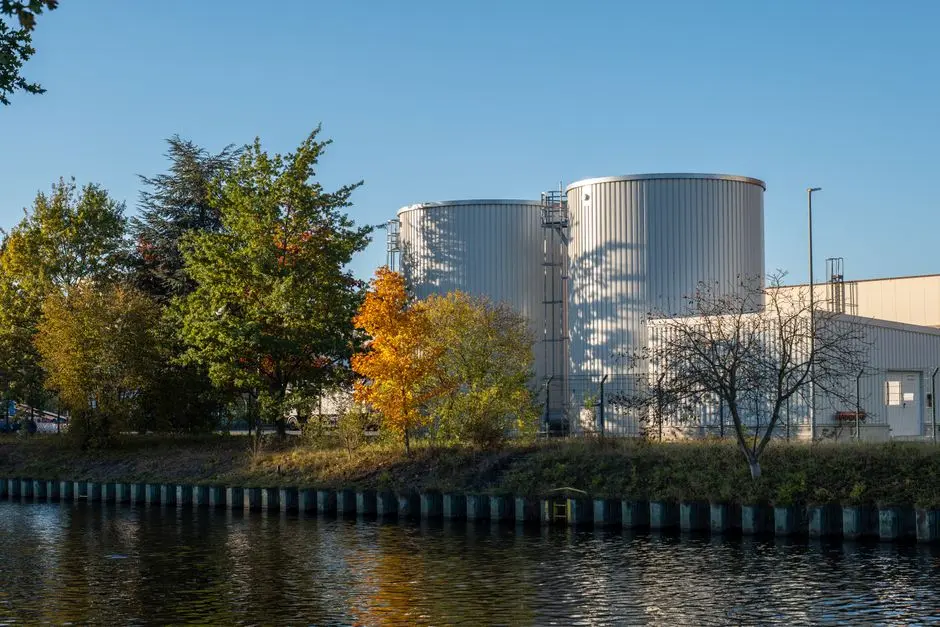
DAF, MBR and packaged biological systems are not interchangeable products because they remove different contaminants and impose different site, operating and maintenance requirements. Compare them against the same wastewater and treatment objectives, not simply by stated throughput or purchase price.
| Option | Principal wastewater fit | Available catalog capacity | Physical treatment mechanism | Potential reuse role | Principal engineering question |
|---|---|---|---|---|---|
| DAF | Suspended solids, FOG, oil and grease, and colloidal matter | 4–300 m³/h across 13 standard HydropureWater models | Physical separation of floatable and suspended material | Generally a pretreatment stage rather than final reuse treatment | Does the wastewater contain enough recoverable floatable or solids material, and will DAF protect downstream biological equipment? |
| MBR | Biodegradable organic load requiring fine solids separation | 10–2,000 m³/day in the HydropureWater catalog | Activated sludge combined with submerged PVDF membrane filtration; filtrate below 1 μm | Can provide an intermediate reuse stream or feed further polishing | Will biological treatment and membrane operation remain stable across the real influent and operating schedule? |
| DAF-first treatment train | Oil, FOG, solids or colloids that may impair downstream biology | Must be sized from project data | DAF pretreatment followed by the selected biological or polishing stage | Depends on the complete downstream train | Does characterization verify the interference mechanism, and has the proposed pretreatment been designed for the actual flow and load? |
| MBR-first treatment train | Projects requiring biological treatment and fine membrane separation in a compact installation | Must be sized from project data | Biological reactor and membrane separation integrated as the core treatment | Potentially intermediate reuse water or membrane-pretreatment duty | Are membrane fouling, cleaning, replacement and biological stability included in the supplier’s obligations? |
| Packaged biological system | Biodegradable industrial or sanitary wastewater where a modular architecture is suitable | Suppliers must state the verified design envelope | Factory-assembled biological treatment, with configuration varying by supplier | Depends on the selected downstream treatment | Does the packaged configuration match the project wastewater, site envelope and operating schedule? |
The DAF and MBR limits above are catalog descriptions, not guaranteed design capacities for a Barranquilla facility. The MBR manufacturer states a 60% footprint reduction versus conventional systems, but a buyer should request the comparison basis, installed footprint and site arrangement rather than treat that percentage as a site-specific guarantee.
For packaged alternatives, use this ETP technology comparison for industrial wastewater as a structure for normalizing proposals. If solids removal is the deciding issue, review the DAF versus clarifier selection guide; if organic loading dominates, examine the industrial COD removal treatment trains while treating each as an engineering framework rather than evidence for the site wastewater.
Determine whether advanced polishing is justified
Advanced polishing is justified when the required end use imposes a quality or contaminant-specific requirement that the upstream treatment cannot satisfy. Begin by defining whether the water will enter a cooling or washing system, feed a production process, support irrigation, be discharged under a specific permit, or serve another defined purpose. Test the proposed train against that use instead of adding reverse osmosis automatically.
A University of Twente thesis concludes that nanofiltration is suitable for polishing wastewater treatment plant effluent to EU Water Framework Directive standards and can produce effluent suitable for agricultural or direct/indirect potable-use objectives. This is a research conclusion, not a Colombian regulatory approval or a universal plant guarantee; project-specific testing remains necessary.
| Polishing or removal evidence | Reported result and scope | Commercial interpretation |
|---|---|---|
| University of Twente thesis on direct nanofiltration | Nanofiltration assessed as a technique for polishing wastewater treatment plant effluent and producing water suitable for agricultural or direct/indirect potable-use objectives | Supports further testing when the reuse objective requires it; it does not establish compliance for a Barranquilla discharge or reuse application |
| HydropureWater industrial reverse-osmosis systems | Permeate recovery rates up to 95%; intended for applications requiring ultra-pure water | Ask how recovery was defined, which feed matrix was used and how concentrate disposal is included |
| Chemosphere study, 15 September 2020 | 85.16% pharmaceutical removal in simulated drug effluent using acid-treated beverage-sludge activated carbon | Research evidence for a specialist treatment option, not a full-scale ETP demonstration |
| Chemosphere adsorption tests, 15 September 2020 | Maximum adsorption capacities of 145 mg g⁻¹ for paracetamol, 105 mg g⁻¹ for ibuprofen and 57 mg g⁻¹ for ketoprofen under the study conditions | Require the target contaminant, matrix, pH, competing constituents and expected media life before applying these values commercially |
Review the industrial reverse-osmosis water purification system and RO and UF membrane filter elements against the specified end use. The supplier should define the test method, acceptance limit, feed-water assumptions, pretreatment requirements, recovery calculation, cleaning strategy and concentrate route. Without those inputs, a recovery percentage or contaminant-removal value is incomplete.
Build a supplier brief that exposes commercial and compliance risk
A comparable supplier brief requires every proposal to state its design basis, performance boundary and delivery scope. Ask for design flow, peak-flow strategy, wastewater characterization basis, process train, duty cycle, footprint, utilities and expected sludge generation. Also identify equalization, pumping, chemical storage, odor control, drainage, controls and monitoring rather than assuming they are included.
Performance guarantees must be tied to a defined influent range, sampling method and parameter. Reject statements that a unit will simply meet every discharge requirement. Require the supplier to distinguish equipment guarantees from regulatory compliance and to identify which party verifies final discharge performance.
The commercial schedule should separate equipment, civil work, foundations, installation, electrical supply, controls integration, commissioning, training, chemicals, membrane or media replacement, spare parts, preventive maintenance and long-term technical support. The water-treatment parts, valves and media can help identify replaceable items that need pricing and responsibility terms.
Confirm electrical requirements, maintenance access, noise, odor, drainage and local environmental requirements. For an international supplier, establish who controls freight, customs, import documentation, installation, commissioning, regulatory coordination and local support before comparing quotations. A low equipment price can be misleading when these responsibilities remain undefined.
Use the 2026 manufacturer overview from Weilan as a capability checklist: pilot testing, modular or packaged delivery, membranes, sludge handling, monitoring and long-term operation support. Treat this commercial overview as evidence of the capabilities being claimed by that publication, not as proof of performance for the buyer’s wastewater.
Plan operation, sludge management and water reuse
The operating model determines whether a technically adequate ETP remains workable. Include chemical dosing, instrumentation, flow control, sampling, laboratory support, energy, membrane cleaning and media replacement in the operating-cost comparison. The automatic chemical dosing system should be specified against the actual chemical, dose-control requirement and installation conditions.
Plan sludge dewatering and disposal after selecting the main solids-removal or biological process. The plate-frame filter press and high-efficiency sedimentation tank may support solids handling, but they do not by themselves establish the final disposal route.
For industrial water reuse, validate membrane pretreatment, scaling controls, permeate quality, concentrate management and recovery assumptions. Confirm monitoring, operator competence, maintenance access and backup arrangements. The ETP should be purchased as an operating system with a defined waste and reuse route, not as a collection of tanks and pumps.
Frequently Asked Questions
How much should an effluent treatment plant in Barranquilla cost?
No defensible price can be given without design flow, wastewater analysis, treatment target and site conditions. Request an itemized quotation covering equipment, civil work, foundations, installation, electrical work, commissioning, chemicals, sludge handling, monitoring, training, replacement items and operating support. Compare the same scope across suppliers rather than comparing a packaged equipment price with a turnkey installed price.
Which ETP is cheapest for industrial wastewater in Barranquilla?
The least expensive suitable system depends on the contaminant profile and operating burden. DAF may be the relevant pretreatment, while biological or MBR treatment is required when biodegradable load must be removed. Compare treatment train completeness, energy, chemicals, sludge disposal, membrane replacement and maintenance—not purchase price alone. A low-cost unit without suitable pretreatment can create higher downstream and operating costs.
How do I select an ETP supplier in Barranquilla?
Evaluate proposals against the same design basis, influent envelope, performance criteria and scope boundaries. Check commissioning evidence, comparable references, engineering documentation, warranty boundaries, local support and the named party responsible for installation and regulatory coordination. For international suppliers, verify who handles freight, customs, commissioning and local permits before accepting the quoted price or delivery date.
How much capacity does an industrial ETP need?
Average flow is insufficient because peak flow, production variability, retention requirements and the selected process determine equipment size. Provide normal flow, peak-flow events, operating schedule and future production changes, then require each supplier to show its sizing calculation and equalization or peak-management strategy. Catalog throughput is only a screening reference until the project design basis is established.
Can a packaged ETP be installed at an industrial plant in Barranquilla?
A modular or packaged treatment plant can simplify installation when its design envelope matches the wastewater, available footprint, access route, power, drainage and operating schedule. Site verification remains necessary because equipment dimensions do not establish installation feasibility. Require a site layout, lifting and access plan, utility connection list, commissioning schedule and local civil or environmental approvals before accepting the delivery scope.