What Makes Vitamin Manufacturing Wastewater Different?
Vitamin manufacturing wastewater COD removal usually requires a treatment train sized from the complete wastewater profile, not COD alone. Equalization and source control stabilize the flow; biological treatment can remove biodegradable organics; advanced oxidation can improve poorly biodegradable or inhibitory effluent; and DAF or MBR technology separates suspended solids and protects downstream processes. A 2025 cosmetics-wastewater study achieved 95.5% COD removal with Photo-Fenton at pH 3, 0.75 g/L Fe2+, 1 mL/L H2O2 and 40 minutes, while improving BOD5/COD from 0.28 to 0.8. An electrochemical petroleum-wastewater study reported 99.5% removal from an initial COD of 710 mg/L, but those results are not directly transferable to vitamin wastewater. Pilot testing is therefore essential before final sizing.
A vitamin plant may combine pharmaceutical cleaning discharge, fermentation residues, exhausted mother liquors, product losses and wash water. Those streams can vary independently, so the composition must be confirmed through representative sampling rather than assumed from a generic pharmaceutical or nutraceutical profile. Screening at the inlet can protect downstream equipment from solids, packaging fragments and other debris; the mechanical bar screen for solids exclusion is one equipment option to evaluate during source segregation.
The key distinction is between soluble biodegradable COD, soluble non-biodegradable COD, emulsified oils, suspended biomass and cleaning-chemical load. Each fraction responds differently to biological treatment, oxidation, coagulation and flotation. A high total COD result can therefore conceal an easy-to-biomassify fraction and a refractory or inhibitory fraction that will remain after conventional biological treatment.
The 2025 Scientific Reports cosmetics study provides a useful warning about biodegradability: its tested wastewater had a BOD5/COD ratio of 0.28 before treatment. The authors described the stream as high in COD, rich in recalcitrant organic compounds and poorly biodegradable. That condition is relevant as a transferability question for vitamin plants, but it is not direct evidence of a vitamin-manufacturing wastewater composition.
| Wastewater fraction or variable | Why it changes process selection | Information to request |
|---|---|---|
| Soluble biodegradable COD | Potentially suitable for biological treatment, subject to pH, nutrient balance, toxicity and process control. | COD, BOD5, filtered COD and compound-specific results. |
| Non-biodegradable soluble COD | May require targeted oxidation or another polishing step rather than additional biological capacity alone. | Refractory-COD fraction, residual COD after biology and identified compounds. |
| Emulsified oil and FOG | Can interfere with oxygen transfer, chemical dosing and membranes; it is a target for flotation or coalescence. | Oil and grease, emulsification characteristics and free versus emulsified oil. |
| Suspended biomass and solids | Affect settling, filtration, membrane flux and sludge generation. | Total and suspended solids, settleability and grit characteristics. |
| Cleaning and production variability | Cause load shocks, pH changes and toxicity excursions that can upset biological systems. | Flow, pH, temperature and toxicity across production, cleaning and shutdown periods. |
| Nutrients and dissolved salts | Influence biological nutrient demand and chemical or membrane operating requirements. | Nitrogen, phosphorus, conductivity and any required nutrient balance. |
Request COD and BOD5, pH, temperature, suspended solids, toxicity, nitrogen, phosphorus, conductivity, oil and grease, and compound-specific results across representative production periods. The supplied research contains no directly measured vitamin-manufacturing wastewater dataset. Transferability must therefore be established through source-specific characterization and pilot testing rather than by applying a percentage from another industry.
Build a COD Removal Process Train
The defensible sequence starts with segregation, equalization and controlled pH before selecting a COD-removal mechanism. Fermentation, mother-liquor and cleaning streams should not be combined blindly: each stream has a different COD concentration, biodegradability, toxicity and solids burden. Equalization smooths batch discharges and production variation, while screening and pH control prevent short-term loads from destabilizing biological treatment or chemical dosing.
Where emulsified oils, FOG or colloidal solids are present, place DAF after equalization and before oxygen-demanding or membrane processes. This is contaminant separation, not destruction of soluble COD, but it can protect downstream biology and membranes from material that would otherwise interfere with aeration, filtration and flux stability. An industrial DAF system for vitamin wastewater pretreatment should therefore be selected from oily and colloidal load, peak flow and required solids-removal performance.
Biological treatment belongs where the BOD5/COD ratio and toxicity testing show meaningful biodegradability. The 2025 Scientific Reports cosmetics study increased BOD5/COD from 0.28 to 0.8 after optimized Photo-Fenton pretreatment. The authors specifically identified integration with biological treatment as the next scaling step, supporting an oxidation-to-biology sequence for poorly biodegradable streams. That result does not establish that every vitamin stream needs Photo-Fenton; it shows why residual biodegradability should be measured before and after oxidation.
Advanced oxidation should be selected against measured refractory COD, toxicity and treatment response. Hydrogen peroxide demand, iron dosage, pH and contact time are wastewater-specific. An oxidation stage that improves biodegradability may be more useful than attempting to meet the final effluent target through oxidation alone.
MBR combines biological treatment with membrane solids separation. It is appropriate where low suspended solids, a compact footprint or water-reuse potential justify membrane aeration and cleaning requirements. The MBR system for compact biological COD treatment must be sized from hydraulic and organic loading, aeration demand and expected flux—not from COD alone. Any polishing membrane train should then be checked against the actual reuse specification and compound-retention requirement.
Chemical and biological solids require a complete handling route. Thickening and dewatering determine how much water leaves the site with the sludge and how much chemical remains in the cake. For batch or automatic solids separation, evaluate a plate and frame filter press for sludge dewatering alongside the required filtration area, cycle time, cake consistency and operating sequence.
Compare the Main COD Removal Technologies
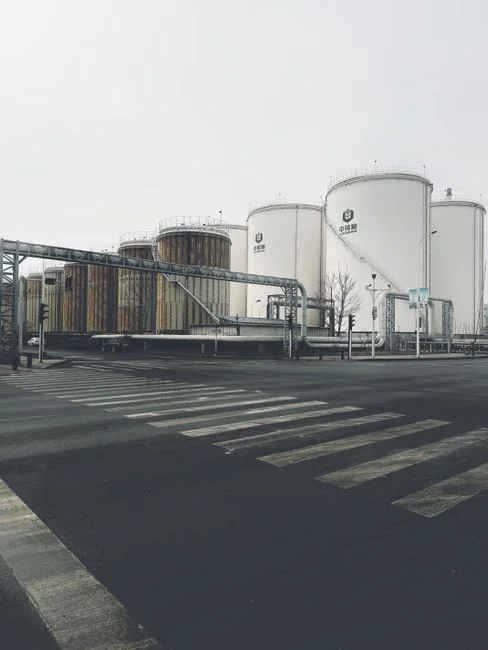
No technology removes every COD fraction equally, and no published removal percentage should become a guarantee for a vitamin plant without matching wastewater, operating conditions and acceptance criteria. The selection question is which unit performs the required function on the fraction actually present.
Biological treatment is suited to biodegradable organics. Its design depends on pH control, nutrient balance, dissolved oxygen, biomass retention and inhibition testing. Residual COD must be evaluated after treatment because refractory soluble organics can remain even when bulk COD removal appears satisfactory. Electrochemical treatment provides another route for oily COD, but its evidence is specific to the matrix tested. The Wasit University study used a 2 L coagulation cell with petroleum wastewater at pH 7, 10.5 V and 50 minutes, with four aluminium and four iron electrodes spaced 2 cm apart and submerged 12 cm. Sodium chloride was 0.5 g/L; estimated energy consumption was 12 kWh/m³. It reported 99.5% COD removal from an initial 710 mg/L and 94.2% oil removal from an initial 95 mg/L. These results apply to that petroleum wastewater and laboratory configuration, not a vitamin plant.
For advanced oxidation, the 2025 Scientific Reports cosmetics study tested real industrial wastewater. Its optimized Photo-Fenton conditions were pH 3, 0.75 g/L Fe2+, 1 mL/L H2O2 and 40 minutes, producing 95.5% COD removal and increasing BOD5/COD from 0.28 to 0.8. Pseudo-first-order kinetics best described degradation, and the multiple linear regression model had R2 = 0.851. Again, these are reusable test variables and a mechanistic clue—not a design specification for vitamin wastewater.
DAF removes suspended solids, FOG, oil and grease, and colloidal matter. It prepares wastewater for biological or membrane treatment but does not directly destroy soluble COD. MBR combines biological conversion with membrane solids separation. Where ultrafiltration or reverse osmosis is considered after biological treatment, its value depends on the required reuse quality, residual contaminant profile, concentration behaviour and pretreatment. The available ultrafiltration system and reverse-osmosis purification system should be assessed as polishing steps, not substitutes for characterization or biological treatment.
| Technology | Primary role | Best-supported application condition | Evidence boundary |
|---|---|---|---|
| Biological treatment | Converts biodegradable organics into biomass and gases. | Measured biodegradability with controlled pH, nutrients, oxygen and toxicity. | Residual refractory COD may remain. |
| Photo-Fenton | Oxidizes organic matter and can improve biodegradability. | 2025 cosmetics wastewater: pH 3, 0.75 g/L Fe2+, 1 mL/L H2O2, 40 minutes. | 95.5% COD removal was measured in cosmetics wastewater, not vitamin wastewater. |
| Electrochemical treatment | Combines electrochemical reactions with coagulation and flotation effects. | Wasit University petroleum wastewater: pH 7, 10.5 V, 50 minutes, four aluminium and four iron electrodes, 2 cm spacing, 12 cm submergence and 0.5 g/L NaCl. | 99.5% COD removal from an initial 710 mg/L in a 2 L laboratory cell. |
| DAF | Separates suspended solids, FOG, oil and grease and colloidal material. | Emulsified or colloidal contaminants that could impair biology or membranes. | Separation is not soluble-COD destruction. |
| MBR | Combines biological treatment and membrane solids separation. | Space-constrained treatment with low suspended solids or reuse potential. | Requires hydraulic, organic, aeration and flux design. |
| UF and RO | Polish particulates and dissolved constituents for defined reuse objectives. | Downstream treatment after upstream organics and fouling control. | Performance depends on feed chemistry, membrane selection and pretreatment. |
Size the System from Real Plant Data
A defensible sizing basis separates hydraulic capacity from contaminant load and then connects both to treatment performance. Start with peak, average and minimum flow; include batch-cleaning discharges, storage residence time and the equalization strategy. A single average flow will conceal the short-duration loads that determine equalization volume, DAF capacity and chemical-dosing peaks.
The COD basis should distinguish total COD from BOD5, soluble from filtered COD, and compound-specific results. Also define whether the required target applies to influent COD, treated COD, residual soluble COD or a reuse specification. Those are different acceptance boundaries and must not be blurred in a supplier guarantee.
DAF sizing should reflect peak flow, oily or colloidal load and required solids-removal performance. MBR sizing requires hydraulic loading, organic loading, aeration demand, mixed-liquor characteristics and membrane flux. Neither unit can be selected from COD concentration alone. For oxidation, use jar and pilot testing to establish peroxide demand, iron dosage, pH and contact time. The cited 2025 Photo-Fenton conditions are a test starting point from cosmetics wastewater, not a vitamin-plant design specification.
Chemical consumption, electrode replacement, sludge yield, membrane cleaning, energy and operator workload determine lifecycle cost. Include automatic chemical dosing where influent variation requires controlled application; assess an automatic dosing system against measured flow, pollutant response and storage and handling requirements rather than assuming more chemical use improves performance.
Industrial sludge dewatering is part of the sizing basis, not an accessory. Match filtration area, batch size, cycle time and solids characteristics. A plate and frame filter press with 1–500 m² catalog filtration area provides a catalog boundary for preliminary selection, but the final duty must be checked against actual sludge yield, cake discharge and operating requirements.
| Design input | Minimum evidence to obtain | Equipment implication |
|---|---|---|
| Hydraulic profile | Peak, average and minimum flow; batch discharges; storage residence time. | Equalization, screening, DAF and MBR hydraulic capacity. |
| Organic load | Total COD, BOD5, filtered COD and compound-specific results. | Organic loading, oxidation demand and residual-COD strategy. |
| Processability | Toxicity, oil and grease, suspended solids, pH, temperature, nitrogen, phosphorus and conductivity. | Biological suitability, pretreatment, nutrient balance and fouling controls. |
| Solids destination | Expected sludge yield, settleability, chemical addition and dewatering cycle. | Thickening and filter-press area. |
| Operating resources | Chemical use, energy, electrode replacement, membrane cleaning and operator intervention. | Lifecycle-cost comparison and guarantee boundaries. |
Pilot Test Before You Commit
A pilot should test representative wastewater, not an idealized blend created only for the trial. Use time-based composite samples across normal production, cleaning, shutdown and upset conditions, then repeat them over representative operating cycles. Single grab samples can miss batch cleaning chemistry and short toxicity excursions.
Establish untreated baselines first: COD, BOD5, toxicity, pH, suspended solids, oil and grease, and the relevant compound-specific constituents. Then test the candidate unit and the integrated downstream train. Unit performance does not prove that oxidation chemistry, DAF carryover, biological response and membrane operation remain stable together.
Set monitoring parameters by process role. For oxidation, track COD reduction and BOD5/COD improvement. For DAF, monitor oil, grease, colloids and separated solids. For biological treatment, track COD, toxicity, pH, dissolved oxygen, biomass condition and sludge settling. For MBR, record flux behavior, cleaning frequency and operator intervention rather than treating permeate clarity as the sole performance measure.
Capture the inputs needed for lifecycle costing: chemical consumption, energy, sludge production, membrane cleaning, waste-disposal requirements and labor. A comparison of DAF, biological and MBR COD treatment trains can structure the evaluation, while an MBR process guide for industrial wastewater provides context for flux and operating assessment; neither substitutes for testing vitamin wastewater.
Define acceptance criteria before comparing commercial bids. Tie criteria to the required effluent objective, operating envelope, sampling method and receiving-authority or reuse specification. Include how off-specification loads, chemical consumption, sludge handling, membrane cleaning and operator attendance are resolved. The result should be a validated design envelope and operating model, not merely a percentage from a laboratory study.
Frequently Asked Questions
How should I budget for vitamin manufacturing wastewater COD removal without relying on a generic equipment price?
Request a site-specific budget based on measured peak flow and COD load, then require separate pricing for equipment, tanks, membranes, chemical storage, aeration, electrical works, sludge dewatering, installation and commissioning. Also request operating-cost inputs for oxidation chemicals, energy, membrane cleaning, sludge disposal and operator labor. The supplied research provides no defensible generic price for a vitamin plant, so a quotation should disclose assumptions and consumption rates.
How do I select a supplier and avoid an unsupported performance guarantee?
Require the supplier to use your characterization and pilot results, define guaranteed influent and effluent conditions, and state the proposed equipment scope. A guarantee should identify COD, flow, operating envelope, sampling method, chemical use and remedy for non-compliance. Treat the 95.5% Photo-Fenton and 99.5% electrochemical results as studies in different wastewaters, not transferable guarantees.
Which treatment should remove refractory COD before biological treatment?
Measure BOD5/COD, toxicity and residual COD before deciding. The 2025 Scientific Reports cosmetics study improved BOD5/COD from 0.28 to 0.8 with Photo-Fenton at pH 3, 0.75 g/L Fe2+, 1 mL/L H2O2 and 40 minutes, but those conditions must be tested against vitamin wastewater.
What should be checked before approving equipment delivery and installation?
Confirm that equipment fabrication time is separated from engineering, pilot testing, permitting and site-preparation time. Require an approved process basis, final drawings, utility and chemical requirements, control narratives, commissioning criteria, operator training and a schedule linked to the site’s production constraints.
What is the main compliance risk when selecting a COD treatment train?
Treatment performance is not the legal discharge requirement. The applicable jurisdiction and receiving authority determine the permit, and a DAF versus API separator assessment for pharmaceutical oily wastewater can inform pretreatment selection, but it does not establish discharge compliance. Obtain the site’s actual permit conditions and use a pharmaceutical effluent treatment plant engineering framework to align unit selection with those limits.
Related Equipment
- industrial DAF system for vitamin wastewater pretreatment — specifications, capacity range, and technical data