What CATL Must Decide Before the Texas Gigafactory Starts
CATL should not commission a Texas battery gigafactory by sending mixed battery-manufacturing wastewater directly to a discharge point. The practical sequence is to segregate cathode, anode, electrolyte and general plant streams; recover NMP where coating occurs on site; balance and neutralize the remaining flows; remove fluoride and metals; and polish with biological treatment, MBR and RO where reuse is planned. The final train should follow representative influent testing and consultation with TCEQ and the receiving authority. RO concentrate requires an approved ZLD or disposal route.
CATL must first establish its manufacturing boundary. Electrode coating and cell assembly on site create NMP-bearing cathode wash water and a direct solvent-recovery duty. If CATL purchases those steps from a Tier 1 supplier, the NMP recovery unit may not be required, although the incoming wastewater chemistry and pretreatment needs still require review. This boundary belongs in the Texas gigafactory wastewater treatment framework.
The engineering basis should be a site-specific water and mass balance, not an average daily flow. It should separately account for cathode coating wash water, anode coating wash water, electrolyte salt flush, general plant effluent, domestic sewage, stormwater and construction runoff. Peak batch discharges, production uptime, recovery yield and disposal frequency determine equipment size and treatment reserve.
Do not assume that a neighboring municipal treatment plant or industrial outfall will accept the combined flow. Obtain written acceptance criteria, sampling requirements, prohibited constituents and pretreatment limits. The April 21, 2026 Inside Climate News investigation of Tesla’s Robstown lithium refinery reported an average discharge of 231,000 gallons per day and a dispute over pollutants that were not fully characterized by the state investigation. The case is a due-diligence warning, not a directly transferable design standard.
The commercial objective must be selected before final equipment specification: permitted discharge, internal reuse, or zero liquid discharge. Each route changes pretreatment, monitoring, redundancy and residual handling. ZLD should not be treated as a contingency added after the RO skid is ordered; its feed, energy demand and final-solid destination affect the whole treatment architecture.
Why Battery Wastewater Must Stay Segregated
LiPF6 hydrolysis makes the electrolyte salt flush chemically distinct from coating wastewater and conventional plant effluent. The published CATL process concept, dated 2026, reports cathode wastewater at 5,000–25,000 mg/L COD, 50–500 mg/L fluoride, 500–3,000 mg/L suspended solids and pH 2–4. Those characteristics fall outside the operating envelope of a generic industrial treatment plant.
The four principal streams should remain physically identifiable until their treatment requirements are defined.
| Stream | Characteristic pollutants | Design implication |
|---|---|---|
| Cathode coating wash water | NMP, PVDF binder residues, metals and acidic pH | Preserve solvent for recovery; remove suspended solids and binder before distillation |
| Anode coating wash water | CMC/SBR binder and solids | Remove solids and residual carbonaceous material before biological treatment |
| Electrolyte salt flush | Fluoride and phosphate associated with LiPF6 hydrolysis | Control pH and provide fluoride-removal capacity |
| General plant effluent | Boiler blowdown, HVAC condensate, domestic sewage and other variable streams | Characterize separately and determine whether discharge, reuse or further treatment is appropriate |
Commingling at the collection system can dilute NMP below an economical recovery concentration, increase the solids load entering the recovery unit and mix acidic, fluoride-bearing flow with streams that have different biological requirements. In the published 2026 CATL concept, each stream is routed toward a dedicated treatment path before combination.
Require mass-balance data covering NMP, COD, TOC, fluoride, phosphate, nickel, cobalt, manganese, lithium, suspended solids, oil and grease, conductivity, temperature and pH. A single composite sample cannot characterize variable batch coating and electrolyte-flush discharges. Sampling should cover each production area and operating mode, with event-based sampling for batch dumps and startup conditions.
Provide local screening before pumps and equalization. A rotary mechanical bar screen can remove coating-defect scraps and separator film, while an automatic chemical dosing system should use verified pH and flow signals rather than fixed manual doses. Equalization should preserve separate sub-basins where stream chemistry would otherwise conflict.
The Recommended Treatment Train from Collection to Final Residue
The published CATL concept uses segregated equalization and automatic pH correction before combining the lower-strength streams. It describes 8–24 hours of equalization to accommodate batch coating operations, with mechanical mixing to homogenize pH, temperature and COD variation.
For in-house cathode coating, NMP recovery should precede biological treatment. The published concept specifies vacuum distillation at 50–100 mbar and 80–120 °C, producing reusable NMP above 99.5%. Suspended solids removal, pH control and carbon polishing are needed before the column because PVDF binder and coating particles can foul or contaminate the recovery system.
The aqueous residual stream then enters chemical pretreatment. Calcium chloride dosing precipitates fluoride as calcium fluoride; staged pH control supports removal of nickel, cobalt and manganese. The published CATL concept cites a residual fluoride target below 10 mg/L, but the Texas design limit must come from the site permit, receiving-authority requirements and representative testing—not from a generic process article.
Biological treatment removes residual soluble organics and nitrogen before membrane polishing. The published concept uses submerged PVDF membranes to achieve suspended solids below 1 mg/L and SDI below 3 for RO protection. This is one reason an integrated MBR membrane bioreactor must be guaranteed against the specified influent envelope rather than a generic flow diagram.
Where reuse is permitted and technically suitable, the concept specifies RO at 70–80% recovery. The resulting 20–30% concentrate is routed to ZLD rather than treated as incidental effluent. An industrial RO treatment system should therefore be purchased with an integrated reject-management concept.
Final disinfection is required only where the treated-water use and permit conditions justify it. The published concept includes chlorine dioxide for reuse or discharge. The broader industrial RO pretreatment guide is useful for identifying membrane-feed constraints, but the selected chlorine dioxide generator must be sized for the actual application and control strategy.
Metal-rich hydroxide sludge requires its own collection and dewatering route. A plate-and-frame filter press can dewater the solids, but the cake does not become a disposal solution merely because its liquid has been removed. CATL should identify characterization requirements, licensed destinations, transport responsibility and any recovery pathway before commissioning.
| Process step | Primary objective | Information needed for design |
|---|---|---|
| Segregated equalization and pH control | Buffer batch variation and protect downstream equipment | Peak flows, production sequences, stream temperature and reactive chemistry |
| NMP recovery | Recover coating solvent for reuse | NMP concentration, solids content, binder behavior and duty schedule |
| Fluoride and metal precipitation | Remove fluoride, nickel, cobalt and manganese before biological treatment | Representative influent, target pH, chemical demand and sludge generation |
| Biological treatment and MBR | Remove residual organics and solids | COD, nitrogen, toxicity, biodegradability and membrane-fouling indicators |
| RO and disinfection | Produce water for an identified reuse service | Feed chemistry, recovery target, permeate use and concentrate destination |
| Residuals management | Control sludge and concentrated brine | Characterization, authorized destination, transport and long-term responsibility |
How Texas Permitting Changes the Design
Permit compliance must be treated as a design input before equipment procurement. CATL and its EPC team should identify the applicable TCEQ authorization path and engage TCEQ and the receiving authority during permitting and commissioning rather than waiting for production startup.
The monitoring plan should follow the actual authorization and any pretreatment or industrial-user agreement. It should define sampling points, representative sampling, flow measurement, instrument calibration, chain of custody, laboratory requirements and reporting. The monitoring plan is also incomplete if it omits analytes suggested by the site’s process chemistry. For industrial wastewater in Austin and surrounding industrial corridors, the permit pathway depends on the receiving point and applicable authorization requirements.
The April 2026 Robstown case shows why source characterization cannot be delegated to a generic permit template. TCEQ’s February investigation tested dissolved solids, oil and grease, chlorides, sulfates, temperature and oxygen, but did not test for heavy metals. Eurofins sampled the drainage ditch rather than the state-permitted outfall pipe, so its results cannot establish the permitted outfall concentration; that limitation also makes the ditch data unsuitable for TCEQ permitting decisions.
That investigation reported arsenic at 0.0025 milligrams per liter, strontium at 1.17 milligrams per liter and ammonia expressed as nitrogen at 1.68 milligrams per liter. The reported near-brackish condition was 10 to 20 times normal surface-water salinity, according to Inside Climate News on April 21, 2026. These values characterize that one sampling event and location; they are not effluent limits for a CATL site.
For CATL, the practical lesson is to establish baseline and operating-stage sampling for the full expected pollutant inventory. Include process markers and constituents that may not be obvious from a generic permit template, with particular attention to lithium and other constituents associated with battery processing. If production chemistry changes, the sampling program and treatment reserve should be reviewed before the change is implemented.
Design for controlled sampling access, flow-proportional monitoring and upstream containment. Treatment redundancy should prevent an off-plan discharge if a coating batch, electrolyte flush or chemical-feed system moves outside its normal operating envelope.
Discharge, High Reuse or Zero Liquid Discharge
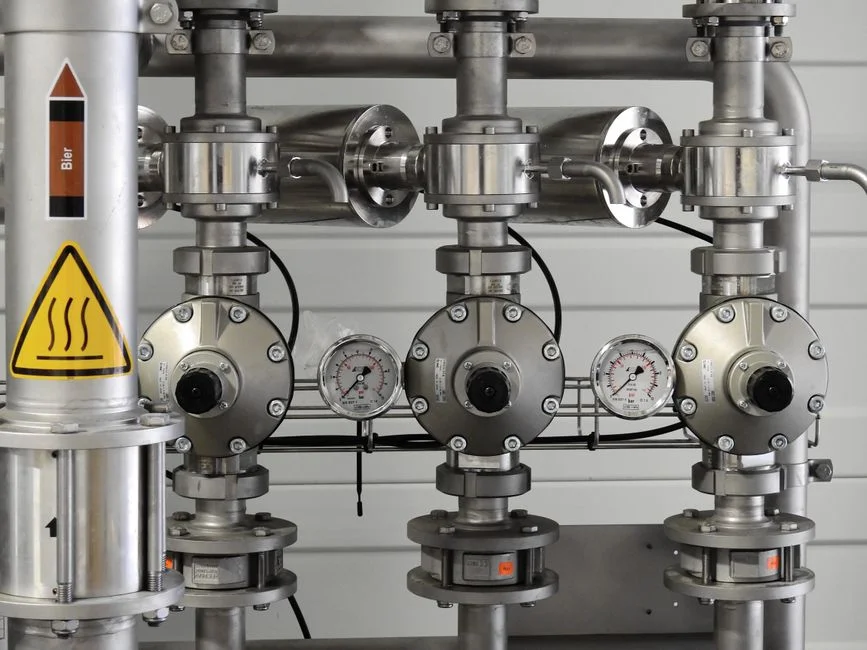
Conventional discharge is defensible only when the authorized permit, pretreatment agreement and receiving-water conditions can be demonstrated for the complete wastewater inventory. It should not be selected simply because an outfall is geographically convenient.
High reuse changes the required degree of treatment. The published 2026 CATL concept links reuse to MBR pretreatment, RO polishing and compatible applications such as cooling, toilet flushing or landscape irrigation. Each reuse should be evaluated for chemistry, temperature, biological and operational constraints; “reuse” is not a permit category by itself.
ZLD becomes the conservative route when discharge uncertainty, high salinity or residual contaminant risk makes an outfall unsuitable. In the April 2026 Robstown case, the recommendation was to remove heavy metals, use industrial reverse osmosis, and send the concentrated brine to hazardous-waste disposal or ZLD. That recommendation concerned a lithium refinery and is a caution about brine management, not a process specification for battery manufacturing.
The published CATL ZLD concept cites MVR energy consumption of 20–35 kWh per cubic meter of distillate and identifies lithium enrichment in the RO concentrate. CATL should therefore evaluate energy availability, cooling utility, condenser capacity, scaling and the final fate of concentrated salts rather than comparing RO and ZLD on capital cost alone.
| Decision | Select when | Principal obligations |
|---|---|---|
| Conventional discharge | The complete wastewater inventory can satisfy the authorized discharge route and receiving requirements | Permit limits, industrial-user pretreatment, monitoring, receiving-water capacity and off-plan controls |
| High reuse | A defined service can use consistently treated water and freshwater or discharge savings justify additional treatment | MBR pretreatment, RO polishing, water-quality compatibility, distribution controls and residual management |
| Zero liquid discharge | Discharge uncertainty, salinity or residual risk makes a liquid outfall unsuitable | RO-concentrate treatment, evaporation or crystallization, energy supply, solids handling and authorized disposal |
RO reject is neither clean water nor ordinary effluent. Before accepting an RO performance guarantee, establish its destination, transport route, treatment responsibility and whether the residual requires evaporation, crystallization or another approved pathway.
Compare the alternatives using whole-lifecycle risk: chemicals, energy, membrane replacement, sludge disposal, brine disposal, permit exposure and guaranteed reuse-water quality. The 2025 ZLD engineering and cost reference can structure that comparison, but site-specific mass balances and vendor guarantees must supply the inputs.
A Commissioning Checklist for Equipment and Supplier Selection
Equipment sizing should be based on flow, chemistry and the full operating envelope—not an average reuse-demand calculation. Bidders must identify design assumptions, peak and batch loads, design margins, performance exclusions and the operating conditions under which their guarantees apply.
For MBR and membrane systems, require guarantees tied to the specified influent, permeate quality, operating hours, cleaning frequency and membrane-replacement responsibility. A comparison of MBR versus conventional activated sludge can support that evaluation, but the selected battery-wastewater skid must be tested against the actual chemistry.
For chemical dosing and pH control, require automatic controls, calibrated instruments, containment and a complete list of delivered chemicals. A generic “dosing skid” description does not establish whether fluoride, lime or other reagents can be delivered at the required rates without interference from solids or temperature changes.
For sludge dewatering, request cake performance based on representative hydroxide sludge. Define who owns the filtered liquid, who characterizes the cake, which destination is authorized and whether transport or disposal costs remain with CATL or the equipment supplier.
Each bidder should also identify utility requirements, operator skill needs, redundancy, controls integration, cybersecurity boundaries, spare parts and long-term membrane availability. These omissions can turn a technically acceptable skid into an uncommissionable system.
Use a written commissioning protocol with clean-water checks, individual-equipment tests, integrated run testing, sampling and operator training. Tie acceptance to the agreed influent envelope and performance guarantees. CATL should retain startup samples from each segregated stream and verify that the combined train still meets permit and reuse targets.
Frequently Asked Questions
What is the lowest-cost way to handle wastewater at CATL’s Texas battery gigafactory?
There is no defensible price from the supplied research, and a purchase order should not be based on equipment cost alone. Request a whole-system budget covering pretreatment, MBR, RO and optional ZLD; electricity and chemicals; membrane cleaning and replacement; sludge analysis and disposal; brine transport and treatment; monitoring; operator labor; and contingency for chemistry changes. Then compare discharge, high reuse and ZLD on their actual cash and compliance exposure. The April 21, 2026 Robstown case also shows why unquantified permit exposure can become a major cost.
How should MBR, RO and pretreatment skids be sized for a Texas gigafactory?
Size them from peak and batch wastewater flows, representative chemistry and the intended reuse or discharge service. Daily average reuse demand does not capture a coating wash batch, electrolyte flush, startup discharge or equalization requirement. The 2026 CATL concept reports 8–24 hours of equalization, so bidders should disclose how each proposed unit handles batch peaks and chemistry excursions rather than applying a simple flow multiplier.
What should CATL require when selecting a wastewater-treatment supplier?
Require relevant industrial or battery-process experience, enforceable performance guarantees and disclosure of exclusions. Ask each bidder to provide mechanical drawings, process data, controls narratives, utility requirements, operator training, redundancy provisions, spare-parts strategy and membrane-availability commitments. Acceptance testing should use the agreed commissioning protocol and representative influent rather than only clean-water performance.
Can CATL select discharge, reuse or ZLD before TCEQ and the receiving authority review the project?
No. CATL can establish preliminary alternatives, but the final route must reflect the applicable TCEQ authorization, any industrial-user agreement, receiving conditions and representative wastewater data. Early consultation should confirm monitoring requirements, discharge location, reuse constraints and pretreatment limits before the equipment specification is frozen.
Why is RO concentrate a separate ZLD or disposal decision?
RO removes dissolved salts and contaminants from permeate and concentrates them in the reject. That concentrate requires evaporation, crystallization or another authorized treatment and disposal pathway; it cannot be assumed to be reusable water or ordinary effluent. The published 2026 CATL concept identifies lithium enrichment in the RO concentrate, while the April 2026 Texas refinery recommendation required either hazardous-waste disposal or ZLD for concentrated brine.