Choose DAF, ETP, or a Combined Treatment Train
A Denver factory should choose DAF when wastewater contains floatable oil, grease, FOG, suspended solids, or colloidal material that must be removed before discharge or further treatment. DAF works by creating micro-bubbles in recycled treated effluent; the bubbles attach to solids, which rise, thicken, and are removed by a scraper. An ETP is the broader treatment train for achieving the required effluent quality through multiple treatment steps. Many factories need DAF as pretreatment within an ETP rather than as a standalone system. The correct choice depends on representative wastewater tests, average and peak flow, treatment objectives, and discharge or reuse requirements.
Dissolved air flotation is a physical separation process, not a complete industrial wastewater treatment objective by itself. In the arrangement shown in the DAF-plus-ETP process video published by Waste Management on August 5, 2022, flotation is one stage within a larger treatment plant. That distinction matters for a Denver procurement: equipment selection must follow the tested wastewater, not a generic product photograph.
| Selection input | What the supplier needs | Decision consequence |
|---|---|---|
| Representative composition | Oil, grease, FOG, suspended solids, colloids, pH, temperature and process-specific contaminants | Determines whether DAF is appropriate and which pretreatment is needed |
| Hydraulic load | Average flow, peak flow and batch-discharge profile | Sets equalization and treatment sizing |
| Required outcome | Permit, sewer-authority, discharge or factory wastewater reuse specification | Determines whether DAF alone is sufficient |
| Site constraints | Footprint, utilities, access, controls, noise and expansion requirements | Determines the practical equipment arrangement |
Use DAF as the primary separation option where floatable solids, oil, grease and FOG dominate the treatment problem. Use a full ETP where the factory must address a broader effluent objective through coordinated physical, chemical, biological, filtration or disinfection stages. Use DAF-plus-ETP where oily, high-FOG or solids-heavy wastewater should be removed before biological, filtration or reuse stages. The 2026 DAF selection and decision framework provides a useful basis for turning those inputs into a supplier brief; an industrial DAF system should be selected against that site-specific basis.
Diagnose the Wastewater Before Selecting Equipment
A single clean-water grab sample cannot establish whether a DAF or ETP will handle a factory’s wastewater reliably. Request representative samples from normal production, batch discharges, cleaning cycles and peak-flow periods, then document what each sample represents and how it was collected.
The industrial wastewater testing program should characterize floatable oil, grease, FOG, suspended solids, colloids, pH and temperature. It should also identify contaminants that may interfere with chemical conditioning or downstream biological treatment. Those results determine whether solids can be conditioned into a floc suitable for flotation and what operating adjustments will be needed as production changes.
ETP Services states that DAF plants are engineered to the specific nature of the influent water. The same source explains that influent will often require chemical conditioning with a coagulant and flocculant to improve flotation. Chemical selection therefore cannot be left as an open-ended supplier allowance: request the proposed chemical basis, dose-control method, storage requirements and operating-response rules. A factory evaluating an automatic chemical dosing system should require it to be integrated with the tested wastewater and flow conditions rather than specified as an accessory.
| Diagnostic item | Evidence to request | Why it affects selection |
|---|---|---|
| Oil and grease load | Representative samples with oil, grease and FOG characterization | Establishes the need for separation and the risk of fouling downstream equipment |
| Solids and colloids | Suspended-solids and colloid characterization | Defines flotation demand and conditioning requirements |
| Flow pattern | Average flow, peak flow and batch-discharge records | Tests hydraulic and equalization assumptions |
| Conditioning | pH, temperature, chemical trials and process-specific contaminants | Establishes whether coagulant and flocculant dosing is viable |
| Stream separation | Source-by-source flow and contaminant records | Supports separate treatment objectives and reduces unnecessary complexity |
Where practical, segregate oily process wastewater, high-solids wash water, cooling blowdown and sanitary wastewater. Each stream may have a different contaminant profile, flow pattern and destination, and combining them can conceal the load that actually controls equipment sizing.
Before requesting a quotation or performance guarantee, require a written process basis. It should show how the proposed treatment train handles the tested wastewater and peak flow, not merely the average daily flow. Use the DAF applications and industrial-use engineering guide to frame the technical questions, then ask each bidder to complete the same data form.
How DAF Fits Inside an Industrial ETP
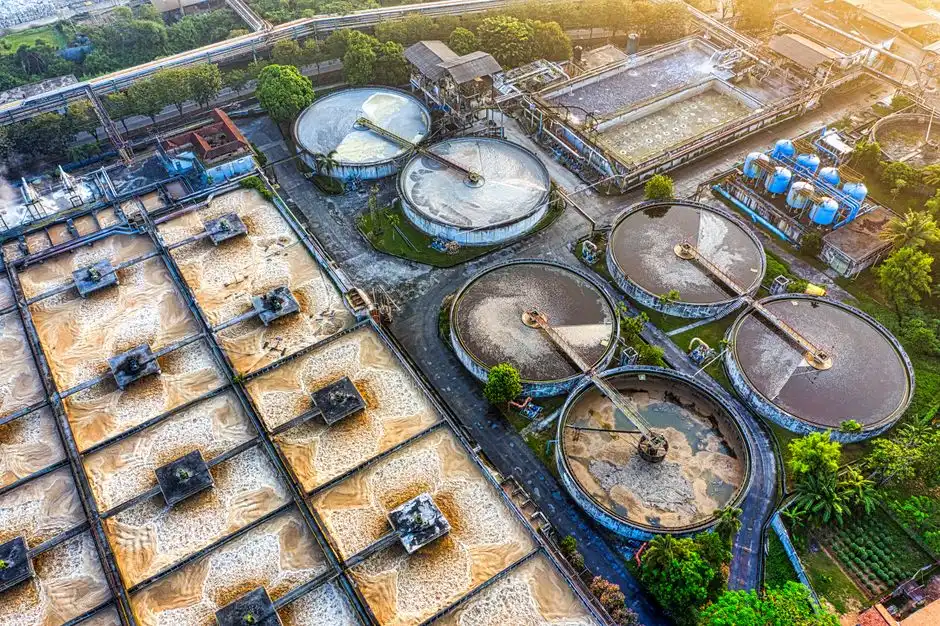
DAF occupies the solids-separation stage between wastewater preparation and any required biological, filtration or reuse treatment. A typical process sequence is inlet and equalization, optional screening or solids removal, chemical conditioning, DAF separation, downstream treatment as required, and final effluent handling. The exact sequence must follow the wastewater analysis and treatment objective.
According to ETP Services, a DAF unit creates white-water by dissolving air under pressure within recycled treated effluent, then releasing it to form micro-bubbles during continuous operation. Those bubbles attach to suspended material, which rises to the surface. The floated solids dewater and thicken before removal by a mechanical scraper. Solids that sink are removed periodically through an automatic drain.
The DAF operating principle and selection guide helps distinguish the equipment functions that a proposal must describe. In a coordinated plant, screening may protect downstream equipment where the wastewater contains gross solids, while sedimentation can address material that is not suitable for the flotation stage. The relevant equipment options include a mechanical bar screen and a sedimentation tank, subject to the tested stream.
Chemical conditioning sits immediately before flotation. The automatic chemical dosing system should meter chemicals in response to the validated operating strategy, with clear provisions for tank capacity, mixing, calibration and operator control. Coagulant and flocculant selection must follow wastewater testing; a fixed dose should not be presumed.
DAF effluent may proceed to further biological or filtration treatment, or it may be discharged to drain where the applicable receiving requirement and treatment outcome permit it. That routing decision should appear on the process flow diagram rather than being assumed at procurement.
Match the System to Denver's Discharge and Reuse Goals
The factory’s receiving requirement or reuse specification must become the design basis before treatment stages are selected. The sequence is: identify the objective, test the wastewater, identify the contaminants that control process load, and then select and size the treatment stages. Without that sequence, a supplier can correctly offer equipment that still fails the factory’s actual requirement.
DAF is the central option when floatable solids, oil, grease, FOG and colloidal material control the required separation. Add biological treatment when the broader ETP must address soluble or biodegradable load. DAF alone should not be presented as a complete ETP unless testing and the required outcome demonstrate that limited scope is sufficient.
Factory wastewater reuse may require additional treatment and a defined reuse specification. A supplier must identify which stages are necessary, how they integrate and what samples will demonstrate performance. An integrated MBR wastewater treatment system may be relevant to that broader train, but it does not remove the need to characterize the influent and establish the required effluent quality.
Separated solids also need a defined destination and handling method. A plate-frame filter press may be considered where the quantity and characteristics of separated solids justify dewatering. The specification should connect the DAF float removal, sludge storage and dewatering interface rather than treating each as an unrelated product.
No universal Denver discharge limit should be assumed. The factory must provide its current permit, sewer-authority requirements or internal reuse specification. The selected package must also fit available footprint, utilities, operator access, noise constraints, future expansion and plant-control architecture. Those constraints can change the required equipment arrangement even when the underlying treatment chemistry is unchanged.
Compare ETP, Standalone DAF, and DAF-Plus-ETP
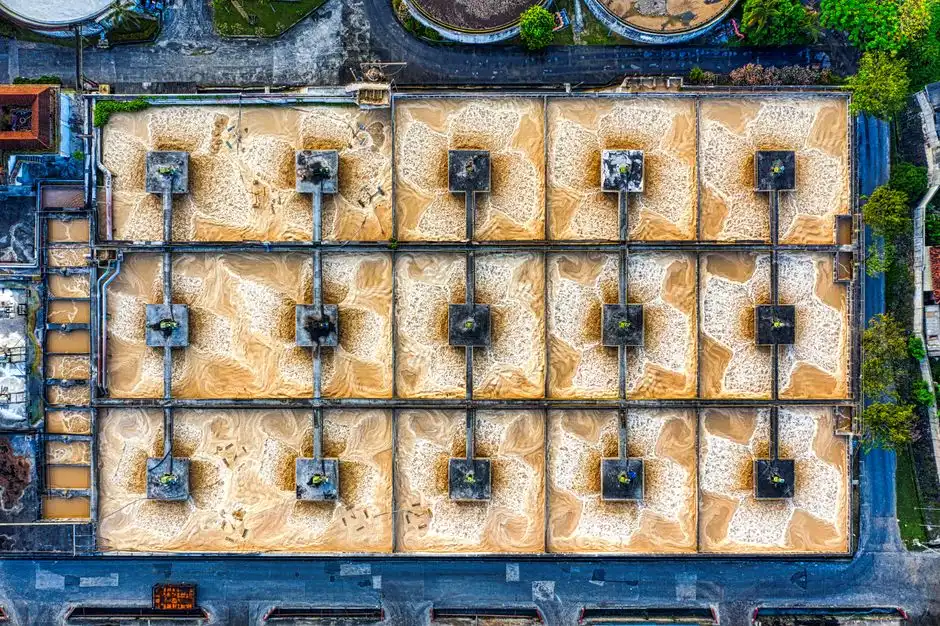
Standalone DAF, a full ETP and DAF-plus-ETP have different procurement boundaries, so they should not be compared on equipment price alone. Standalone DAF is a focused physical-separation option for floating solids. A full ETP coordinates multiple stages to meet a broader objective. DAF-plus-ETP places flotation ahead of biological, filtration or reuse stages when oil, grease, FOG or solids must be removed first.
| Criterion | Standalone DAF | Full ETP | DAF-plus-ETP |
|---|---|---|---|
| Treatment scope | Floatation and mechanical removal of floatable solids | Coordinated physical, chemical, biological, filtration and related stages as required | DAF solids separation followed by broader effluent treatment |
| Appropriate contaminant profile | Oil, grease, FOG, floatable solids and colloidal material | Broader wastewater requiring multiple treatment objectives | Oily, high-FOG or solids-heavy influent entering biological, filtration or reuse stages |
| Principal strength | Focused physical separation with a smaller treatment scope | Integration around a comprehensive effluent objective | Removes selected upstream contaminants before more sensitive downstream stages |
| Principal limitation | Does not automatically address soluble or biodegradable load | Requires more process definition, equipment and operational integration | Requires coordination of two treatment scopes and their solids streams |
| Typical skid content | DAF tank, recycle and saturation system, chemical conditioning, float removal and controls | Selected pretreatment, treatment, filtration and effluent-handling stages | DAF package plus the downstream stages required by the objective |
| Key buyer question | Does testing show that flotation alone meets the required outcome? | Which stages are required, and how will they perform together? | Which downstream benefits come from upstream DAF removal? |
HydropureWater’s standard DAF catalog is a preliminary screening reference covering 4–300 m³/h across 13 models. That range does not establish final capacity: the selected model still requires peak-flow, equalization, wastewater-composition and hydraulic checks.
Require each bidder to address guarantees, controls, installation scope, operator training, maintenance, spare parts and performance testing. The guide to choosing an industrial DAF manufacturer provides a structured vendor-qualification checklist. For comparison, ask each supplier to explain how DAF differs from sedimentation for the tested wastewater rather than treating them as interchangeable equipment; the DAF-versus-sedimentation comparison provides a useful starting point.
Build a Supplier-Ready Equipment Specification
A comparable quotation requires the same site information, treatment objective and drawing package from every supplier. Without that discipline, bidders may omit different utilities, controls, civil work or performance obligations, making prices and schedules misleading.
Include average and peak flow, wastewater analysis, treatment objective, process flow diagram, equipment dimensions, materials of construction, control philosophy, utility requirements and the installation boundary. State which permits, sewer-authority requirements or reuse specifications govern the project, and attach them.
For a DAF proposal, require a process description of the saturation, recycle, flotation and solids-removal arrangement. Identify the equipment scope, operating controls and treatment sequence sufficiently for engineering review. Require the supplier to state how the system handles the tested wastewater at peak flow, not only its nominal daily throughput.
Define chemical dosing as a controlled process. The proposal should identify the coagulant and flocculant basis, expected operating controls, chemical storage and adjustment method as wastewater conditions change. It should also explain how the operator verifies dose and flotation performance.
| Specification area | Require the supplier to provide | Buyer check |
|---|---|---|
| Process basis | Flow basis, wastewater analysis, objective and flow diagram | Inputs match the factory’s current records and governing requirement |
| DAF equipment | Saturation, recycle, flotation, float removal, drain and controls | Arrangement addresses the tested contaminant profile |
| Chemical conditioning | Dosing principle, control method, storage and operating response | Selection is supported by wastewater testing |
| Solids handling | Thickened float removal, sludge storage and dewatering interface | No gap between flotation and final solids destination |
| Delivery and execution | Installation boundary, commissioning, testing, training, maintenance and spares | Responsibilities and acceptance conditions are explicit |
| Temporary treatment | Rental availability, mobilization boundary and operating responsibility | Option is technically suitable and production continuity is addressed |
Ask for start-up support, performance testing, operator training, maintenance schedules, critical spares and performance-guarantee terms. ETP Services describes rental DAF plants as an option during refurbishment to maintain treatment and avoid production downtime. The temporary DAF deployment guide is relevant when an existing plant cannot support continued factory wastewater treatment.
Use the 2026 DAF selection and decision framework to check whether each response addresses the actual process basis. Reject any proposal that substitutes a nominal flow figure for peak-flow design or guarantees an outcome without identifying the wastewater and endpoint used to establish it.
Frequently Asked Questions
What industrial ETP or DAF system does a factory in Denver, United States need?
It needs the system that satisfies the factory’s tested wastewater and required discharge or reuse outcome. Choose standalone DAF for a focused floatable-solids removal duty; choose a full ETP when multiple treatment objectives must be met; choose DAF-plus-ETP when oily, high-FOG or solids-heavy wastewater should be separated before downstream treatment. The decision must use representative wastewater analysis, average and peak flow, the governing requirement and site constraints.
How much does an industrial DAF or ETP system cost?
The supplied research provides no defensible price for a Denver factory, so a meaningful budget cannot be assigned from a generic figure. Ask each supplier for a quotation using the same wastewater analysis, average and peak flow, treatment objective, flow diagram, materials, controls and installation boundary. Request a line-item breakdown for equipment, civil work, chemicals, commissioning, training, spares and performance testing, plus separately stated temporary rental costs if applicable.
How do I choose a supplier and avoid an undersized system?
Require a written process basis that demonstrates peak-flow and wastewater-specific sizing, then evaluate controls, installation scope, operator training, maintenance, spares and performance testing. HydropureWater’s 4–300 m³/h range across 13 DAF models can screen preliminary candidates, but the selected unit still requires wastewater and hydraulic checks. A supplier that quotes from average daily flow alone has not shown that batch discharges, equalization or peak loading will be handled.
When is temporary rental DAF treatment preferable to buying equipment?
Temporary rental DAF is relevant during plant refurbishment or when treatment must continue without interrupting production. ETP Services identifies rental DAF as an option for maintaining treatment during refurbishment. Before selecting it, request a flow and wastewater compatibility check, identify who will operate and maintain the unit, define the temporary effluent objective and confirm how the rental boundary connects to collection, chemical dosing, float removal and downstream disposal.