Can IFAS Treat Citric Acid Wastewater?
IFAS can treat citric acid wastewater only as a conditional aerobic-polishing or hybrid stage, not as the default primary process for untreated fermentation mother liquor. The stream commonly contains COD of 8,000–25,000 mg/L, sulfate of 2,000–5,000 mg/L, pH of 4.5–6.5, and temperature of 35–55 °C, with dump-cycle peaks 2–3× within a shift. The better-supported train is screening and equalization, DAF, an IC or UASB anaerobic reactor, then MBR polishing. IFAS may add flexibility after anaerobic treatment, but suitability depends on the selected loading, sulfate control, biomass retention, and final effluent duty.
IFAS is a hybrid suspended-growth and attached-growth process: media retain aerobic biomass while suspended solids remain in the mixed liquor. That configuration can increase biomass retention without relying entirely on a clarifier, but it does not remove the need to manage acidic pH, high COD, sulfate, temperature swings, and batch dumps.
The supplied process evidence supports DAF followed by IC or UASB and then MBR more directly than IFAS. A study indexed by the EPA describes mesophilic anaerobic digestion followed by ion exchange for citric acid extraction wastewater, but it examined wastewater reuse in fermentation rather than IFAS performance (EPA HERO, source record 11837429). Likewise, the supplied IFAS study concerns pigment wastewater, so it cannot establish citric-acid-specific loading or effluent performance.
For a food-processing scope, an IFAS design guide for fish-processing wastewater provides a useful design framework, while an IFAS treatment options review for poultry wastewater shows that media selection and hydraulic retention must be tied to a defined wastewater matrix. Neither source validates IFAS for raw citric acid mother liquor. Treat IFAS as a pilot-supported option after controlled anaerobic treatment unless plant-specific trials establish otherwise.
Why Citric Acid Mother Liquor Is a Special Design Case
Citric acid mother liquor combines high biodegradable organic load with acidic pH, substantial sulfate, elevated temperature, and batch-driven flow peaks; those characteristics make reactor sizing from an annual average unreliable. The following parameter envelope should be checked against the plant’s own records (HydropureWater field data, 2025-11).
| Parameter | Reported design envelope | Engineering significance |
|---|---|---|
| Flow | 80–250 m³ per ton of citric acid produced | Equalization and hydraulic capacity must reflect production and dump cycles. |
| COD | 8,000–25,000 mg/L | Defines organic loading, aeration demand, and the need for anaerobic pretreatment. |
| BOD | 4,000–12,000 mg/L | Shows the biodegradable fraction, but does not establish IFAS loading by itself. |
| BOD/COD | 0.4–0.6 | Supports biological treatment; the plant-specific ratio must still be verified. |
| Sulfate | 2,000–5,000 mg/L | Sulfate associated with sulfuric-acid pH adjustment must be addressed before anaerobic treatment (HydropureWater field data, 2026). |
| pH | 4.5–6.5 | Raw influent requires pH conditioning and alkalinity assessment. |
| Temperature | 35–55 °C | May require cooling or temperature-tolerant biological design. |
| Total nitrogen | 300–800 mg/L | Influences oxygen demand, nitrification demand, and disinfection chemistry. |
Batch peaks can swing 2–3× within a shift, so equalization should be tested against dump-cycle data rather than a daily average (HydropureWater field data, 2025-11). A 1993 wastewater-treatment study reproduced by Scribd also found that one concentrated stream carried more than 90% of factory COD while accounting for only about 20% of wastewater flow. That segregation makes stream-specific sampling essential; mixing mother liquor with dilute wash water can obscure both the loading and the appropriate reactor duty.
Before selecting reactor volume, request at least 12 months of hourly or batch-cycle flow, COD, sulfate, pH, temperature, and solids data, together with production and dump-cycle schedules. Ask whether each sample represents a mixed liquor, a mother-liquor dump, or a segregated side stream. Generic food-industry wastewater data should not replace plant-specific characterization, and an IFAS supplier should not transfer loading values from pigment, fish, meat, or municipal applications without a citric-acid trial.
Map the Treatment Train Before Choosing IFAS
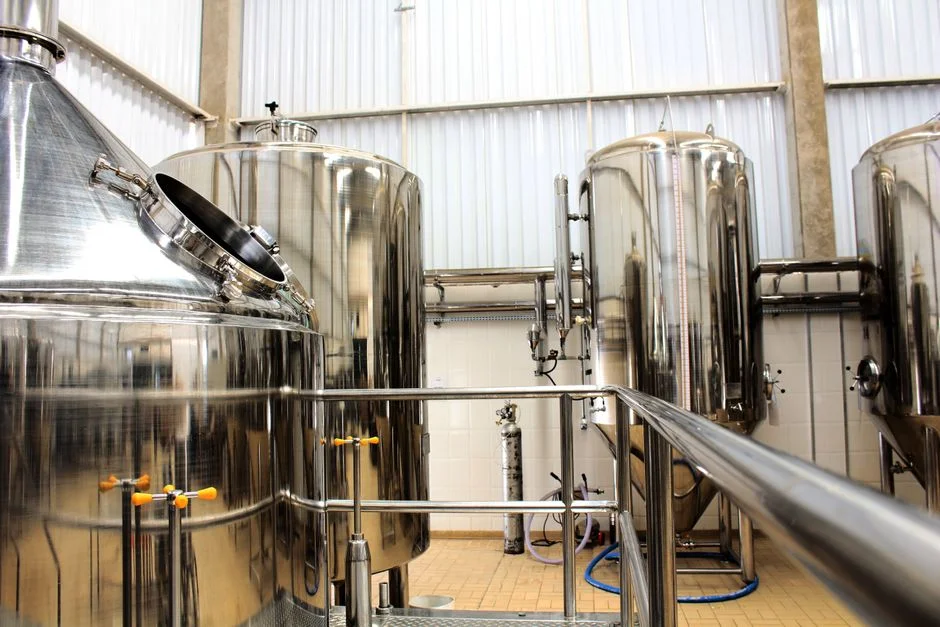
The supported process sequence starts with source control and equalization, then solids removal, anaerobic conversion of the bulk COD, aerobic polishing, and optional reuse treatment. IFAS belongs at the aerobic-polishing position only if the anaerobic effluent has been stabilized and the final treatment duty is defined.
| Stage | Primary function | Decision point before procurement |
|---|---|---|
| Screening | Removes mycelium, bagasse, and fruit-processing solids. | Define solids concentration, screen type, and solids-disposal route. |
| Equalization | Mixes production dumps and moderates hydraulic and concentration peaks. | Check the basin against measured dump cycles, not average flow. |
| DAF | Removes residual mycelium, fats, colloidal biomass, and soluble proteins before biological treatment. | Confirm chemical demand and sludge handling. |
| IC or UASB | Converts the major biodegradable COD fraction under anaerobic conditions. | Resolve sulfate, alkalinity, temperature, and solids washout. |
| IFAS, MBR, or other aerobic stage | Provides aerobic polishing and biomass retention. | Select from measured post-anaerobic duties and the required effluent specification. |
| Optional RO or reuse treatment | Produces boiler-feed or cooling-tower make-up water. | Define the reuse specification and pretreatment needs. |
HydropureWater field data from 2026 reports that DAF typically lowers COD by 10–20% and suspended solids by 80–90% before the anaerobic stage. That makes DAF a logical pretreatment component rather than optional polishing. An industrial DAF pretreatment system should therefore be evaluated with the biological reactor, not selected in isolation.
The anaerobic reactor still needs an alkalinity and sulfate strategy. The reported 2,000–5,000 mg/L sulfate range from sulfuric-acid pH adjustment must be addressed before the anaerobic stage (HydropureWater field data, 2026). Stable anaerobic operation is indicated by effluent VFA below 500 mg/L as acetic acid and pH 7.0–7.8 (HydropureWater field data, 2026). Those are operating checkpoints, not permission to apply the same conditions to every wastewater matrix.
Separate sanitary sewage from the fermentation sewer. The supplied 2026 guide identifies sanitary load as a competing demand that should not consume anaerobic capacity; an underground package sewage treatment unit can be evaluated for that side stream. The central engineering decision remains whether IFAS should replace MBR polishing or sit elsewhere, and that question cannot be answered before the process map and discharge objective are fixed.
Compare IFAS, IC, UASB, SBR, and MBR
IFAS is not a substitute for anaerobic COD conversion in this application, and the available evidence for each technology does not support an automatic technology ranking. The defensible comparison is based on treatment role, operating position, documented performance, and unresolved design inputs.
| Technology | Best-fit role | Strength | Limitation and evidence status |
|---|---|---|---|
| IC reactor | Primary anaerobic COD conversion | Documented citric-acid sizing example: 500 m³/d and 20,000 mg/L influent COD, with an 18–20 kg COD/m³·d loading and a 7–8 m diameter by 22 m tall vessel. | Requires verified sulfate, alkalinity, temperature, solids, and feed handling (HydropureWater field data, 2026). |
| UASB reactor | Primary anaerobic COD conversion | Directly included in the supplied 2026 citric-acid treatment train. | Plant-specific hydraulic loading, granulation behavior, and sulfate response still require design. |
| IFAS/MBBR | Aerobic polishing or hybrid biological stage | Retains aerobic biomass on media while maintaining suspended-growth activity. | The supplied IFAS study concerns pigment wastewater, not citric acid; loading and effluent claims need a citric-acid pilot or design guarantee. |
| SBR | Aerobic treatment at smaller flows | Reported for flows below 200 m³/d with effluent COD ≤200 mg/L. | Batch operation must tolerate the source’s 2–3× dump-cycle swings; mycelium washout is also a concern (HydropureWater field data, 2026). |
| MBR | High-quality aerobic polishing | Reported at 0.1 μm PVDF membranes, MLSS 8,000–12,000 mg/L, HRT 6–10 h, COD ≤150 mg/L, SS ≤10 mg/L, and NH₃-N ≤15 mg/L after nitrification. | Requires membrane-fouling control and does not eliminate the need for upstream sulfate and solids control (HydropureWater field data, 2026). |
For a complete biological polishing comparison, the integrated MBR membrane bioreactor has substantially more directly relevant supplied evidence than IFAS. An MBR membrane bioreactor module may be relevant where the anaerobic and pretreatment scope already exists and only polishing must be upgraded.
IFAS retains one practical advantage: it combines attached and suspended biomass without relying exclusively on final clarifier solids capture. That does not establish a superior outcome for this wastewater. The choice should be tested against measured post-anaerobic COD, sulfate, ammonia, temperature, hydraulic profile, and solids concentration. None of these technologies can be declared compliant without the plant’s applicable permit limits, which are not included in the supplied research.
Size IFAS from the Polishing Duty, Not the Full COD Load
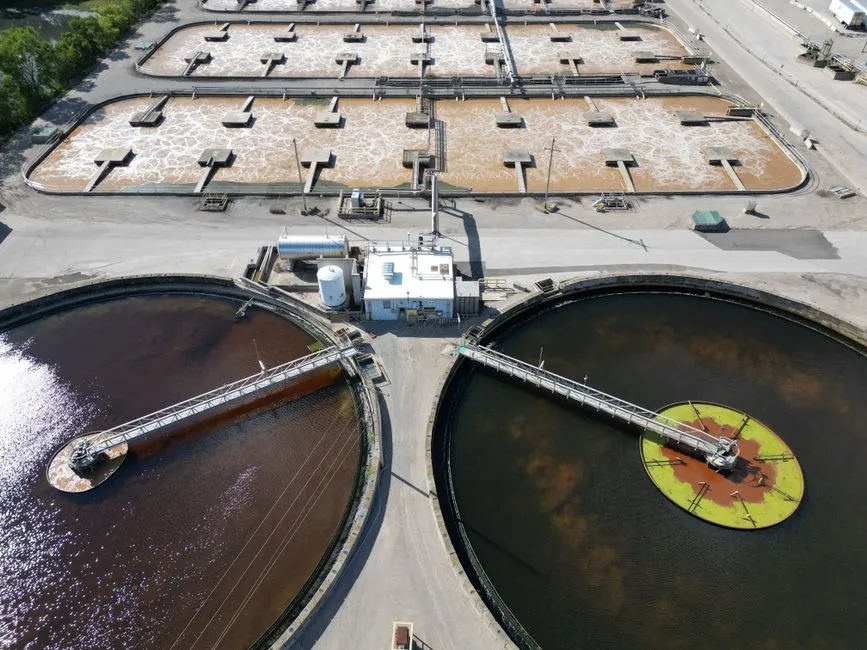
An IFAS proposal for citric acid wastewater should be sized from the measured aerobic duty after anaerobic treatment, not from the raw mother-liquor COD. Request post-anaerobic COD, BOD, sulfate, ammonia, temperature, flow profile, and the final effluent specification. Without those values, the supplier has no defensible basis for media quantity, reactor volume, blower capacity, or solids-removal design.
For comparison only, the documented MBR envelope is MLSS of 8,000–12,000 mg/L, HRT of 6–10 h, and aeration of 0.3–0.5 m³ air per m³ wastewater (HydropureWater field data, 2026). These are MBR operating values, not IFAS ratings. They provide a benchmark for asking whether an IFAS proposal has calculated aeration and retention requirements at peak and minimum load.
- Define the hydraulic profile from batch and production records.
- Measure the post-anaerobic COD and BOD entering the aerobic stage.
- Set peak and minimum organic and ammonia loading against the final effluent duty.
- Require the supplier to document media fill ratio, specific surface area, hydraulic retention, solids separation, sludge wasting, and biofilm control.
- Validate the complete matrix in a pilot or under a performance guarantee.
The fouling-control questions resemble those for an engineering guide to DAF wastewater treatment, but IFAS media introduces its own hydraulic-distribution and biofilm risks. Comparable MBR practice uses a 10-minute-on and 2-minute-off membrane air-scour cycle within an 8–12 kPa suction-pressure design band (HydropureWater field data, 2026). That reference does not establish IFAS fouling performance; it shows why solids separation and biofilm controls must be defined explicitly.
Ask each bidder whether its guarantee applies to raw mother liquor, DAF effluent, or stabilized anaerobic effluent. Results transferred from pigment, fish, meat, or municipal IFAS applications are not acceptable evidence without representative testing. The governing design should use measured duty and demonstrate that the selected media can withstand the actual temperature, pH, sulfate, and solids chemistry.
Build the Operating and Compliance Checklist
A citric acid treatment train should have one operating dashboard covering influent COD, sulfate, pH, temperature, VFA as acetic acid, aerobic-stage loading, dissolved oxygen, solids retention, and final COD, SS, and NH₃-N where applicable. This is the minimum basis for detecting a dump-cycle upset or a shift from anaerobic to aerobic treatment.
The supplied 2026 stability criterion is VFA below 500 mg/L as acetic acid and pH 7.0–7.8; an excursion should trigger investigation of feed composition, alkalinity, sulfate, temperature, and hydraulic disturbance. Operators also need a written response plan for high COD, low pH, excessive aeration demand, loss of solids retention, and membrane or media fouling.
Disinfection is part of the compliance review because high-total-nitrogen citric acid effluent can consume 8–12 mg/L of chlorine and produce regulated trihalomethanes (HydropureWater field data, 2026). The final chlorine dose must be based on actual effluent nitrogen, organics, pH, and temperature rather than a generic dose.
If MBR effluent is intended for boiler feed or cooling-tower make-up, identify downstream RO and require MBR effluent below SDI 3. Protect the RO with a multi-media filter backwashed every 8–24 hours, as described by HydropureWater field data, 2026. Relevant equipment concepts include a multi-media filtration unit and an industrial reverse-osmosis system.
Before commissioning, obtain the plant’s actual permit, reuse specification, receiving-water conditions, and sampling protocol. None is provided in the supplied research, so no generic compliance limit should be substituted. IFAS could satisfy part of the treatment duty, but permit compliance must be demonstrated for the complete train and its real mixed and peak loads.
Budget and Supplier Selection for an IFAS Scope
The available cost evidence benchmarks a complete citric acid treatment train, not an IFAS unit. A buyer should therefore use it to establish a project envelope and request a separated IFAS quotation rather than treating it as an IFAS price.
| Option | Selection condition | Main procurement question |
|---|---|---|
| IFAS after anaerobic treatment | Post-anaerobic wastewater is characterized and pilot or guarantee evidence supports the selected loading. | Can the supplier demonstrate citric-acid-specific media, hydraulic, biofilm, and solids-retention performance? |
| MBR after anaerobic treatment | High-quality solids separation or nitrification is required and the supplied 2026 performance envelope is relevant. | What are the membrane-fouling, replacement, and aeration guarantees? |
| SBR below 200 m³/d | Flow and batch variation fit the reported operating context. | How will the system handle 2–3× dump-cycle swings and avoid mycelium washout? |
| Direct biological treatment | Only where a representative trial supports direct treatment of the specified mother liquor. | Does the evidence cover raw COD, sulfate, pH, temperature, and peak hydraulic loads? |
For a 500 m³/d turnkey citric acid treatment train, the 2026 benchmark is USD 1.8–3.2 million EPC CAPEX with FOB China equipment pricing (HydropureWater field data, 2026). The corresponding all-in OPEX benchmark is USD 0.45–0.80 per m³, also reported by HydropureWater in 2026. Neither figure is an IFAS-specific quotation.
Require the RFQ to separate media, reactor, blower, diffuser, pumping, controls, membranes or solids separation, installation, commissioning, sludge handling, and performance guarantees. Chemical dosing may also need a defined package; an automatic chemical dosing system can be evaluated where pH, nutrients, or antiscalant control is required, using the technical approach in this guide to precision chemical dosing systems.
Make the quotation conditional on actual flow, COD, sulfate, BOD, pH, temperature, nutrients, batch peaks, required effluent limits, and reuse destination. The 2026 citric acid guide specifically requests flow, COD/SO₄, and discharge limits for sizing. Evaluate guarantees against real mixed and peak loads, and state exclusions for chemistry outside the tested matrix, membrane replacement, media replacement, sludge disposal, and utilities before award.
Frequently Asked Questions
Can IFAS treat raw citric acid fermentation mother liquor?
It should not be assumed to. IFAS is more defensible after controlled anaerobic treatment, where the aerobic stage handles a smaller and measured polishing duty. Direct use on raw mother liquor requires representative pilot results or a supplier guarantee covering the plant’s COD, sulfate, pH, temperature, solids, and dump-cycle loads. The supplied IFAS evidence concerns pigment wastewater, so it does not establish citric-acid performance.
How should IFAS be sized for citric acid wastewater?
Base the design on measured post-anaerobic COD, BOD, sulfate, ammonia, temperature, and flow profile, together with the required final effluent limits. The supplied research does not provide a defensible IFAS loading rate for citric acid wastewater. Require the bidder to document media fill ratio, specific surface area, hydraulic retention, solids separation, sludge wasting, biofilm control, and peak-load performance.
What does an IFAS scope cost?
No IFAS-specific quotation is provided. The 2026 benchmark is USD 1.8–3.2 million EPC CAPEX for a complete 500 m³/d citric acid treatment train, with FOB China equipment pricing, and USD 0.45–0.80 per m³ all-in OPEX (HydropureWater field data, 2026). Request a separate quotation for the aerobic-polishing scope, including media, blowers, solids separation, installation, commissioning, sludge handling, and guarantees.
How should a supplier be selected?
Require a wastewater-specific performance basis, media specifications, hydraulic calculations, controls scope, test protocol, and clear guarantee boundaries. A reference load from pigment, fish, meat, or municipal IFAS is not enough. Require the supplier to demonstrate performance with the plant’s mixed wastewater and dump-cycle profile, and to identify exclusions for abnormal chemistry, media or membrane replacement, sludge disposal, and utilities.
What compliance and reuse risks remain after biological treatment?
Request the actual permit, reuse specification, receiving-water conditions, and sampling protocol before selecting the final treatment train. High-total-nitrogen effluent can consume 8–12 mg/L of chlorine and produce regulated trihalomethanes (HydropureWater field data, 2026). For boiler-feed or cooling-tower reuse, MBR effluent below SDI 3 is required before RO, with the reported multi-media-filter backwash interval of 8–24 hours.