
Start with the factory's wastewater, not the system name
A Singapore factory needs a dissolved air flotation system when its wastewater is dominated by suspended solids, oil and grease, or colloidal material; it needs a biological effluent treatment plant when dissolved organic load is significant, and a combined train when both conditions apply. Selection should follow the factory’s effluent data, average and peak flow, discharge or reuse requirements, available footprint and sludge-handling capacity. A 2026 HydropureWater Singapore guide reports DAF removal of 92–97% TSS and 90–95% FOG, with published CAPEX from $80,000 for 4–20 m³/h units. These are screening benchmarks, not site-specific guarantees.
Begin with representative wastewater testing covering TSS, FOG, COD, BOD and pH, plus pollutants specific to the process, such as metals or toxic compounds. Record average and peak flow separately. World Technologies, 2026, identifies wastewater characterisation, flow variation, discharge or reuse requirements, footprint, sludge handling and whole-life operating cost as core inputs to ETP selection.
Confirm the factory’s current Singapore NEA trade-effluent permit before selecting equipment. The cited 2026 HydropureWater guide states that registration under NEA’s Trade Effluent Treatment Plant scheme applies to facilities discharging treated effluent. Do not treat that statement, or any published benchmark, as confirmation of the site’s legal conditions.
Define sludge destination and removal method alongside hydraulic capacity. A treatment train that meets its flow duty but produces solids the site cannot dewater or remove is not a feasible design. Use the 2026 DAF unit selection and decision framework to organise the technical inputs before requesting quotations.
Choose between DAF, a biological ETP, or a combined train
Dissolved air flotation is a physico-chemical separation process: micro-bubbles attach to suspended flocs, oil and grease, the combined phase rises, and a skimming mechanism removes it. The 2026 HydropureWater Singapore guide reports 92–97% TSS removal and 90–95% FOG reduction for DAF. These figures make DAF the leading candidate where suspended solids, FOG and colloidal material dominate the wastewater.
DAF alone may be sufficient when preliminary treatment is the stated objective and subsequent compliance or reuse requirements are met by the resulting water. Biological wastewater treatment becomes necessary when dissolved organic matter must be reduced; World Technologies, 2026, identifies biological treatment as the stage that targets dissolved organic matter surviving primary treatment. A combined DAF–biological ETP is appropriate for factories with both high floatable-solids or FOG loading and a significant dissolved organic load. DAF removes the material that can interfere with downstream biological processes.
Add tertiary filtration, membranes or disinfection when discharge limits or production reuse require further polishing. World Technologies, 2026, states that these stages should be added only when the required water quality, reuse application and whole-life economics justify them. For electronics and other highly corrosive streams, the 2026 HydropureWater guide recommends 304/316 stainless steel; it identifies epoxy-coated carbon steel as suitable for general industrial applications.
| Dominant wastewater condition | Leading treatment route | Decision check |
|---|---|---|
| Suspended solids, FOG and colloidal material | DAF as the primary candidate | Confirm whether pretreatment alone meets the required effluent quality |
| Dissolved organic matter | Biological ETP | Verify the biological process can treat the actual organic load and effluent characteristics |
| High FOG or solids plus dissolved organic load | Combined DAF–biological ETP | Assess whether DAF pretreatment protects and reduces load on biological treatment |
| Stringent discharge limit or production reuse | ETP with advanced polishing | Specify the receiving or reuse water-quality target before selecting filtration, membranes or disinfection |
For a preliminary flotation route, evaluate an industrial DAF system for suspended solids and FOG removal. Where biological treatment is required, assess the integrated MBR treatment configuration against the factory’s wastewater and reuse objectives.
Size the treatment system for factory flow and wastewater loading
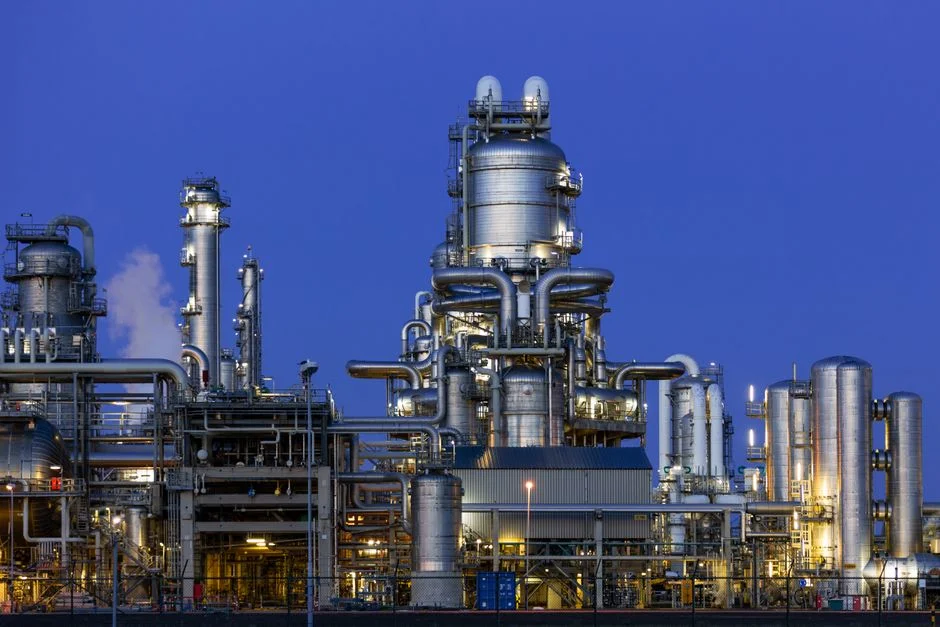
Size the treatment train from measured average flow, peak flow, wastewater characteristics and the required operating margin; a catalogue capacity alone is not a design basis. The 2026 HydropureWater DAF catalogue covers 4–300 m³/h across 13 standard models, but this range identifies candidate equipment rather than the required plant size for a specific factory.
The 2026 HydropureWater Singapore guide gives hydraulic loading of 5–15 m/h for standard DAF and 20–40 m/h for high-rate DAF. The selected configuration must therefore be checked against actual peak influent conditions, process variability and the treatment objective. Do not infer that a DAF unit’s nominal flow rating guarantees compliance under every wastewater condition.
Use the guide’s 30–50 μm micro-bubble range and 0.02–0.06 air-to-solids ratio as initial procurement references, subject to design confirmation. Chemical selection and dosage should reflect the tested wastewater rather than default assumptions. The same guide identifies coagulation, flocculation, pressure saturation, bubble attachment, flotation and skimming as the DAF process sequence.
| Sizing parameter | Evidence-based reference | Design status |
|---|---|---|
| Candidate DAF capacity | 4–300 m³/h across 13 standard models | Catalogue range; not a plant selection |
| Standard DAF hydraulic loading | 5–15 m/h | Confirm against peak influent conditions |
| High-rate DAF hydraulic loading | 20–40 m/h | Confirm configuration and process suitability |
| Micro-bubble size | 30–50 μm | Initial design reference |
| Air-to-solids ratio | 0.02–0.06 | Initial procurement reference; confirm by design |
Include an automatic chemical dosing system for DAF pretreatment, chemical storage, sludge removal, utilities and maintenance access in the equipment scope. These items affect operability and whole-life cost, so they should not be treated as optional accessories after the main skid has been selected.
Compare footprint, performance and operating constraints
DAF occupies less published footprint than conventional sedimentation for the same stated capacity basis: the 2026 HydropureWater Singapore guide gives 0.5–2 m² per m³/h for DAF and 2–5 m² per m³/h for sedimentation tanks. Apply those figures as an early site-feasibility check, then require the supplier to confirm the arrangement, equipment clearances and operating access.
The 2026 Krofta Engineering source states that DAF can improve water clarity, reduce turbidity and colour, support primary and secondary treatment stages, and reduce downstream sludge load. It also identifies compact construction as an advantage. These functions explain why DAF can serve either as the main pretreatment unit or as part of a larger ETP, but they do not establish that DAF replaces biological treatment or polishing.
| Evaluation item | DAF | Conventional ETP or sedimentation |
|---|---|---|
| Published footprint | 0.5–2 m² per m³/h | Sedimentation: 2–5 m² per m³/h |
| Primary strength | Floatable solids, FOG and suspended floc separation | Physical settling and broader staged treatment |
| Downstream role | Can precede biological treatment or advanced polishing | May include biological treatment and tertiary stages |
| Required supporting systems | Coagulation, flocculation, compressed air, skimming, sludge removal and chemical dosing | Depends on the selected treatment stages |
| Operational specification | Corrosion-resistant materials, automatic skimming, PLC control and remote monitoring | Evaluate controls, access, maintenance and materials for each installed stage |
DAF is not a substitute for biological wastewater treatment where dissolved organic load must be removed, nor for filtration, membranes or disinfection where reuse requirements demand them. For solids handling, include a plate-and-frame filter press where its recovered-solids characteristics and operating cycle match the sludge produced.
Check Singapore discharge and reuse requirements against the proposed train
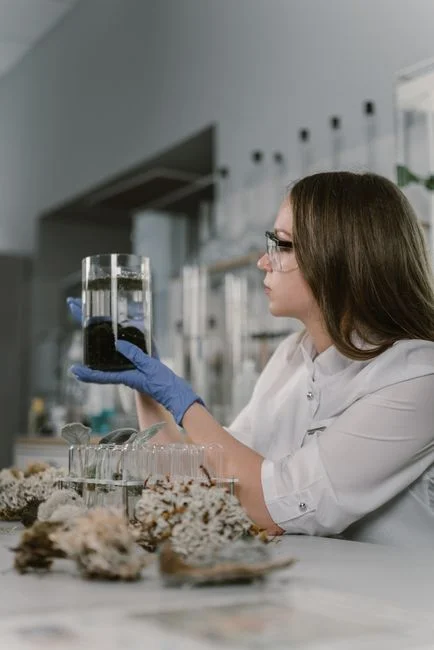
The 2026 HydropureWater Singapore guide lists NEA Trade Effluent Discharge Standard benchmarks of less than 50 ppm oil/grease, less than 100 mg/L COD, less than 30 mg/L BOD and less than 10 mg/L TSS. Use these figures to screen whether the proposed train is technically plausible; verify the factory’s current permit conditions, sampling requirements and applicable discharge route before committing to equipment.
The same guide states that registration under NEA’s Trade Effluent Treatment Plant scheme is mandatory for facilities discharging treated effluent. It also describes continuous measurement of pH, flow rate and TSS as a monitoring requirement. Procurement should therefore establish whether these functions are existing site systems, supplier scope or the factory’s responsibility.
| Compliance or reuse topic | Published benchmark or condition | Buyer action |
|---|---|---|
| Oil and grease | Less than 50 ppm | Verify against the current permit and receiving route |
| COD | Less than 100 mg/L | Confirm whether DAF alone or a combined biological train is required |
| BOD | Less than 30 mg/L | Test the treated effluent after the selected process stages |
| TSS | Less than 10 mg/L | Confirm solids separation and any required polishing stage |
| Registration | NEA TETP registration applies to facilities discharging treated effluent, according to the 2026 guide | Confirm current obligations and submission requirements with the relevant authority |
| Production reuse | Water-quality target is site-specific | Define end-use requirements before selecting filtration, membranes or disinfection |
For reuse, write the required water quality against the actual production process. Add an ultrafiltration system for advanced solids separation only where the reuse target and whole-life economics support that stage. Membranes or disinfection should likewise be tied to a defined water-quality requirement, not added by default.
Budget for capital, operating and hidden project costs
DAF pricing must be compared by capacity and scope because a skid price excludes several costs that determine the installed project. The 2026 HydropureWater Singapore guide publishes CAPEX of $80,000–$150,000 for 4–20 m³/h units and $200,000–$450,000 for 100–300 m³/h systems. Ask suppliers to state what each quotation includes, particularly controls, installation boundaries, commissioning and ancillary equipment.
The same guide gives total DAF OPEX of $0.10–$0.30/m³: $0.05–$0.15/m³ for chemicals, $0.03–$0.08/m³ for power and $0.02–$0.07/m³ for sludge disposal. It also cites a typical payback period of 2–5 years and sludge-disposal costs of $50–$150 per ton. These are commercial-guide benchmarks, not quotations for a specific factory.
| Cost element | 2026 HydropureWater Singapore guide | Procurement treatment |
|---|---|---|
| DAF CAPEX: 4–20 m³/h | $80,000–$150,000 | Confirm capacity, construction and included equipment |
| DAF CAPEX: 100–300 m³/h | $200,000–$450,000 | Confirm plant boundary and ancillary scope |
| Total DAF OPEX | $0.10–$0.30/m³ | Reprice using factory chemical, power and sludge assumptions |
| Chemical OPEX | $0.05–$0.15/m³ | Base on tested coagulant demand |
| Power OPEX | $0.03–$0.08/m³ | Confirm connected load and operating profile |
| Sludge-disposal OPEX | $0.02–$0.07/m³ | Cross-check against $50–$150 per ton |
| Potential additional project costs | $5,000–$20,000 | Price chemical storage, automation upgrades and permitting separately |
Compare bids on whole-life operating cost, including chemicals, power, sludge handling, maintenance and compliance exposure—not CAPEX alone. Use the 2026 DAF unit selection and cost framework to structure the enquiry, but require current site-specific quotations before approving the budget.
Issue a procurement-ready system specification
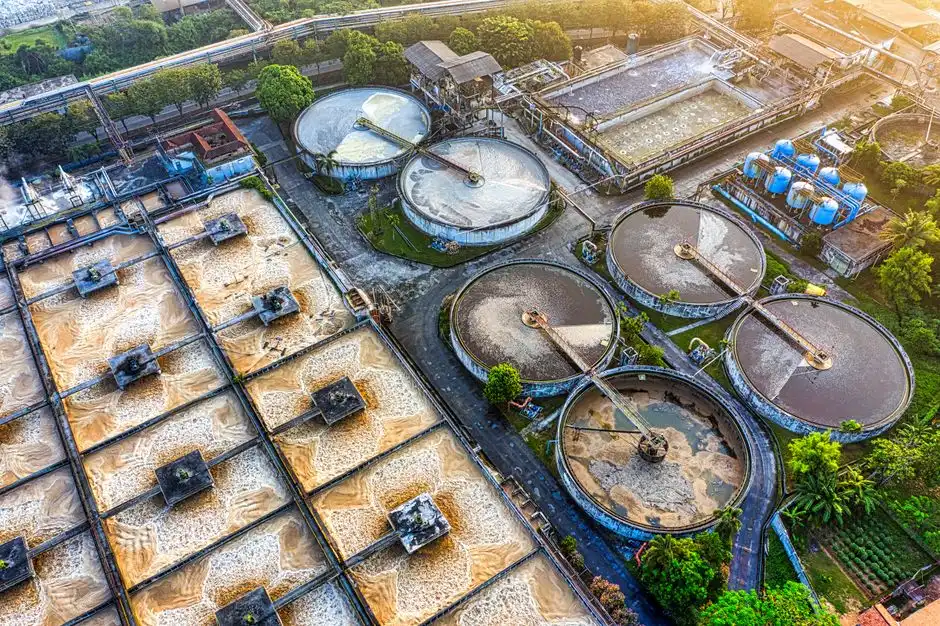
A comparable supplier quotation requires a defined wastewater and duty basis. Issue average and peak flow, representative influent results, treatment objectives, available footprint, utility requirements, expected sludge characteristics and the disposal route. If reuse is intended, state the end use and required water quality; do not leave “produce clean water” as the acceptance criterion.
Define every proposed treatment stage and identify which party supplies it. Request the design flow, operating margin, materials of construction, control philosophy, chemical-storage provisions, sludge-removal method, utilities, installation boundary, commissioning tests and proposed performance guarantees. A published removal rate is not a guarantee unless the supplier confirms the duty basis and test method on which it applies.
Evaluate local service coverage, relevant Singapore case studies, NEA-related project experience and committed lead times. The 2026 HydropureWater Singapore guide identifies these as core supplier-selection criteria and warns against suppliers lacking Singapore case evidence or local service capability. Also obtain written responsibility for spare parts, operator training, maintenance access and corrective action if performance testing fails.
Use the industrial DAF manufacturer selection guide and DAF engineering specifications and operating principles as procurement checklists. Treat all published removal rates, costs and compliance figures as screening benchmarks until representative influent testing, peak-flow analysis and a current permit review are complete.
Frequently Asked Questions
How do I size a DAF system for a Singapore factory?
Size it from measured average and peak flow, wastewater loading and the required operating margin. The 2026 HydropureWater catalogue spans 4–300 m³/h across 13 models, but that range does not select a unit. Ask each supplier to document the duty basis and confirm its configuration against peak influent conditions.
What does a factory DAF system cost to buy and operate?
The 2026 HydropureWater Singapore guide gives CAPEX of $80,000–$150,000 for 4–20 m³/h DAF units and $200,000–$450,000 for 100–300 m³/h systems, with total OPEX of $0.10–$0.30/m³. Request itemised quotations that separate the skid, ancillary equipment, installation, commissioning, chemicals, power and sludge disposal.
Can DAF alone meet Singapore trade-effluent requirements?
Possibly, but the answer depends on the full wastewater profile and the current permit. The 2026 HydropureWater guide cites benchmarks of less than 50 ppm oil/grease, less than 100 mg/L COD, less than 30 mg/L BOD and less than 10 mg/L TSS; representative testing and permit review must establish whether DAF alone is adequate or biological treatment and polishing are needed.
How should I shortlist DAF and ETP suppliers?
Request Singapore-relevant case studies, local service coverage, NEA-related project experience, a committed lead time and clear responsibility for installation, commissioning and performance testing. The 2026 HydropureWater guide identifies these factors as core supplier-selection criteria; ask each bidder to state its proposed equipment boundary and guarantees.
Should the factory choose DAF, a biological ETP or a combined treatment train?
Choose DAF as the leading candidate where suspended solids, FOG and colloidal material dominate, biological treatment where dissolved organic load requires microbial treatment, and a combined train where both conditions exist. Add advanced polishing only against a defined discharge or reuse target, then confirm the route with representative wastewater tests, peak-flow analysis and current permit conditions.