

What Jacksonville-area petroleum plants must comply with
Petroleum bulk plants near Jacksonville meet pretreatment requirements by combining 40 CFR Part 403 pretreatment prohibitions, any applicable categorical standard, and the controlling Significant Industrial User permit or control mechanism issued by the receiving Jacksonville-area POTW. The practical compliance boundary is the actual sewer authority’s document: federal rules establish the framework, while the receiving POTW sets site-specific pollutant limits, monitoring requirements, and discharge controls. Equipment selection should therefore follow measured wastewater characteristics and the permit—not generic refinery assumptions.
40 CFR Part 403 provides the general pretreatment floor. Part 419 supplies categorical standards for petroleum refining wastewater where refinery operations are within scope; a bulk terminal should verify its own industrial category before applying refinery requirements. EPA’s Local Limits Development Guidance explains the relationship among national pretreatment standards, categorical standards, and technically based local limits. The guidance is not itself a regulation, and a permit or regulation controls where it conflicts with the guidance.
Under 40 CFR 403.5(a), the general prohibition applies whether or not the POTW has issued a control mechanism and whether or not the industrial user has received a permit. Absence of a local permit is not a safe harbor.
Pass-through under 40 CFR 403.3(p) focuses on a discharge that contributes to a violation of the POTW’s NPDES permit, including increased magnitude or duration of a violation. Interference under 40 CFR 403.3(k) concerns a discharge that inhibits or disrupts the POTW, its treatment processes, or sludge use and disposal and causes a relevant permit or sludge violation. The receiving plant’s effluent and biosolids are therefore central to the analysis, not merely the terminal’s internal wastewater chemistry.
Before issuing a pretreatment-equipment specification, obtain the receiving POTW’s current control mechanism and document: pollutant list, limits, monitoring point, approved methods, sample frequency, reporting dates, monitoring requirements, slug-discharge controls, and notification duties. Do not substitute generic engineering bands for the permit.
Map every drain before choosing treatment equipment
A defensible bulk-terminal design begins with a stream-by-stream wastewater inventory, not a refinery process-water example. Typical sources include tank-bottom water, API or coalescer dumps, truck and rail loading drip, vehicle wash-rack water, hydrostatic-test water, and product-pad stormwater. Each stream should be classified by origin, normal and peak flow, batch frequency, oil form, pollutant concentration, and whether it can be segregated, batched, recovered, or excluded from sewer discharge.
Droplet size is a primary design discriminator. The 2026 HydropureWater engineering guide characterizes coalescer dumps containing mostly free oil at approximately 60 µm or larger as favorable for gravity separation. Vehicle wash-rack water may contain emulsified droplets below 50 µm and therefore favors micro-bubble flotation. Loading-arm drip can fall between these conditions depending on residence time and shear; characterize it rather than assigning it automatically to either category.
Source segregation can materially reduce the hydraulic and contaminant burden. Segregated laterals, covered dump valves, and dedicated oil/water sewering reduced the volume entering the treatment train by 40–70% in field retrofits, according to HydropureWater company field data from 2025–2026. This is vendor-reported field data, not a regulatory requirement, but it shows why segregation should be evaluated before buying treatment capacity.
| Bulk-terminal stream | Characterization to establish | Segregation or treatment decision |
|---|---|---|
| Tank-bottom water | Free oil, sludge, water depth, batch volume, sediment | Recover oil and sludge; characterize retained water before discharge |
| API or coalescer dump | Free-oil droplet size, flow rate, O&G, solids | Route to gravity separation and contained collection |
| Truck or rail loading drip | Droplet distribution, O&G, sediment, shear history | Segregate where practical; test because it may mix free and emulsified oil |
| Vehicle wash-rack water | Emulsified oil below 50 µm, surfactants, TSS, pH | Consider flotation and equalization; establish surfactant and batch effects |
| Hydrostatic-test water | Product identity, oil concentration, flow duration, additive content | Batch and analyze before approval for sewer discharge |
| Product-pad stormwater | Runoff pattern, oil, TSS, metals, and weather dependency | Segregate contaminated drainage and manage off-spec water |
Before final equipment sizing, measure flow, oil droplet size, O&G, TSS, pH, sulfides, phenols, ammonia, BTEX, metals, and the operating batch profile. Include the actual terminal wastewater inventory; refinery process streams should not be assumed to represent a bulk plant.
Build a treatment train that protects each downstream unit
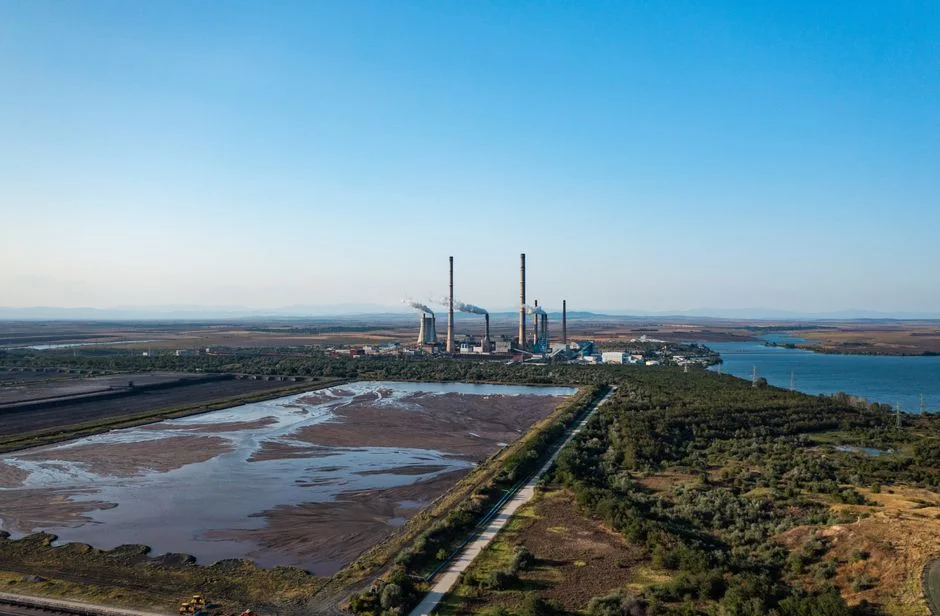
A workable treatment train sequences unit operations so each stage removes the contaminant class that would impair the next stage. The engineering values below come from the HydropureWater 2026 guide and are design references, not Jacksonville permit limits.
- Remove free oil first. An API separator or corrugated-plate interceptor should capture recoverable free oil before pumps, membranes, and instruments are exposed. The cited engineering reference reports that a well-operated API separator typically leaves 100–200 mg/L O&G in the water phase.
- Remove emulsified oil and FOG next. A dissolved air flotation system can remove emulsified oil, FOG, and colloidal TSS that gravity separation cannot capture. The reference range is 15–30 mg/L O&G after DAF, 15–30 minutes hydraulic retention, a 0.02–0.06 air-to-solids ratio, and 20–50% saturator recycle. Equipment in the cited range is available from 4–300 m³/h.
- Stabilize flow and pH before biology. Equalization and neutralization should damp loading slugs and adjust pH to 6–9 before biological treatment. The cited design band is 8–24 hours hydraulic retention. The PLC-controlled automatic chemical dosing system should coordinate coagulant or demulsifier feed with the upstream oil-removal stage rather than treating chemical addition as an independent accessory.
- Polish soluble organics and ammonia. An MBBR or MBR can address phenols, sulfides, benzene, and ammonia-nitrogen. The reference MBBR range is 200–800 mg/L COD tolerance. The cited MBR configuration uses sub-1-µm PVDF membrane and holds 8,000–12,000 mg/L MLSS.
- Filter and monitor the final discharge. Multimedia filtration captures residual TSS, while oil-in-water, pH, and conductivity instruments support process control. The cited oil-in-water alarm band is 10–20 mg/L; set the final operating alarm below the applicable permit limit.
| Stage | Primary objective | 2026 engineering reference | Downstream protection |
|---|---|---|---|
| API separator or CPI | Free-oil removal | 100–200 mg/L O&G in the water phase after a well-operated API separator | Reduces oil load on flotation, biology, membranes, and sensors |
| DAF or IGF | Emulsified oil, FOG, colloidal TSS | 15–30 mg/L O&G; 15–30 minutes HRT; 0.02–0.06 air-to-solids; 20–50% recycle; 4–300 m³/h capacity | Limits biological upset and membrane fouling |
| Equalization and neutralization | Flow and pH stabilization | 8–24 hours HRT; pH adjusted to 6–9 | Prevents slug and pH interference |
| MBBR or MBR | Phenols, sulfides, benzene, ammonia | MBBR: 200–800 mg/L COD tolerance. MBR: sub-1-µm PVDF; 8,000–12,000 mg/L MLSS | Reduces soluble pollutants and solids carryover |
| Filtration and monitoring | Residual solids and continuous process control | Oil-in-water alarm band of 10–20 mg/L | Supports permit verification and off-spec diversion |
Do not ask biological equipment to compensate for failed upstream oil removal. A DAF outlet should meet the permitted O&G requirement with operating margin before biology is credited for residual oil removal.
Match each pollutant to its primary removal step
Each pollutant needs an owner in the treatment train; assigning one technology to the entire wastewater spectrum leaves no clear performance responsibility. The 2026 HydropureWater guide provides reference bands of 50–100 mg/L O&G at the manhole, 1–10 mg/L sulfide, 0.5–5 mg/L phenol, and pH 5–12 before discharge. It also lists reference bands of 0.1–1 mg/L for phenols, 10–20 mg/L for ammonia, and 0.05–1 mg/L for metals. These values are not the site’s permit limits. The Jacksonville POTW’s current control mechanism may impose stricter requirements.
| Pollutant or condition | Primary removal step | Final or protective step | Engineering reference from the 2026 guide |
|---|---|---|---|
| Free oil | API separator or CPI | DAF for residual floatable oil | O&G target at the manhole: 50–100 mg/L |
| Emulsified oil and FOG | DAF or IGF | Oil-in-water monitoring and alarm | DAF effluent: 15–30 mg/L O&G |
| TSS | DAF and equalization | Multimedia filtration or MBR barrier | No general TSS design value supplied in the guide |
| Sulfide | Equalization followed by biological oxidation | MBBR or MBR polishing | 1–10 mg/L reference band |
| Phenol | Biological oxidation | GAC or advanced oxidation only if residual testing shows it is needed | 0.5–5 mg/L at discharge; 0.1–1 mg/L reference band |
| Ammonia | Biological treatment and additional polishing as required | Permit-compliant ammonia monitoring | 10–20 mg/L reference band |
| Metals | Precipitation where required, then filtration | Quarterly or permit-specified compliance sampling | 0.05–1 mg/L reference band |
| pH excursion | Equalization and closed-loop neutralization | Sewer interlock and contained off-spec route | pH 5–12 before discharge; biological-stage target of 6–9 |
The multi-media filtration unit can polish suspended solids after upstream oil removal. An integrated MBR treatment system can contain biomass and solids while polishing soluble pollutants; it is not a substitute for an adequately sized upstream oil-removal stage.
pH control is also an interference-control measure. A slug of high-pH, high-sulfide wastewater can damage POTW biomass even when a daily average appears acceptable. Use equalization, closed-loop pH control, and a sewer interlock rather than relying on average compliance. Install granular activated carbon or advanced oxidation only when monitoring, permit requirements, or residual-pollutant testing demonstrates a need.
Verify compliance before the wastewater reaches the sewer
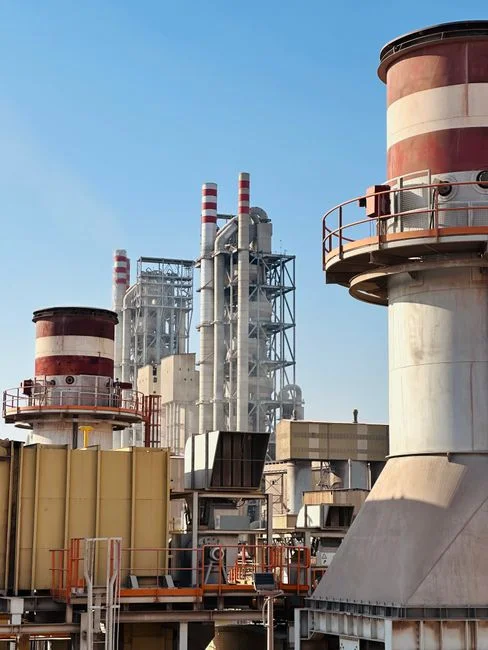
Compliance begins with the monitoring and sampling plan in the receiving POTW’s actual control mechanism, not a generic instrumentation list. Monitor pH, flow, oil-in-water, and every other required parameter using the specified methods and frequencies. Continuous instruments support process control; operator review and laboratory analysis do not automatically replace permit-required sampling.
40 CFR 403.12(g)(3) calls for grab samples for oil and grease and volatile organics among the listed parameters. Permitted laboratory compositing must follow the applicable preservation and approval provisions; a field flow-proportional composite should not be assumed to satisfy the permit. Confirm sample type, preservation, container, analytical method, laboratory approval, and sampling point with the authority and laboratory before commissioning the sampling program.
- Retain measured results, calibration records, alarms, operating logs, and chain-of-custody documentation. Do not estimate a missing laboratory result as though it were measured.
- Separate the potential-problem notification provision in 40 CFR 403.12(f) from the 24-hour violation notice and repeat-analysis provisions in 40 CFR 403.12(g)(2). Each has distinct triggers and conditions.
- Define the off-spec response: isolate the wastewater, stop or divert the sewer discharge, retain the affected wastewater, investigate the cause, obtain approval for corrective action, and document return to service.
Do not dilute off-spec water to meet a concentration limit. A single exceedance can be a violation even if the discharge does not meet the federal definition of significant noncompliance under 40 CFR 403.8(f)(2)(viii).
Choose equipment and suppliers using site data
A procurement-ready bid package should contain measured flow spectra, batch and slug profiles, pollutant concentrations, oil droplet-size distribution, pH range, required sampling point, and the current POTW control mechanism. Asking for a generic “pretreatment system” quote invites equipment sized to an average flow and a single wastewater assumption.
| Supplier submission | Required detail | Buyer review |
|---|---|---|
| Design basis | Measured flow range, batch profile, pollutants, droplet size, pH, operating conditions | Check that every input came from site testing rather than an assumed bulk-plant profile |
| Performance guarantee | Guaranteed point, sample location, method, and operating envelope | Identify which supplier guarantees which unit and avoid double-counting performance |
| DAF proposal | 15–30 minutes HRT, 4–300 m³/h cited capacity band, air-to-solids assumptions, recycle rate, chemical demand | Compare hydraulic and oil-removal duties against measured peak and batch flows |
| Equalization proposal | 8–24 hours cited HRT band, pH-control method, off-spec routing | Confirm that slug damping and pH control match actual operating events |
| MBR or polishing proposal | Membrane area, flux assumptions, aeration, cleaning, spare strategy, replacement-membrane pricing | Evaluate lifecycle and fouling consequences after the agreed oil-removal performance |
| Controls and monitoring | OIW, pH, flow, conductivity, alarms, interlocks, data export, power demand | Match instruments and alarms to the permit and operating philosophy |
| Operations and residuals | Chemical use, sludge handling, maintenance, startup support, response times | Assign responsibility for off-spec water and define service escalation |
The 10–20 mg/L OIW alarm band, 15–30 minutes DAF HRT, 8–24 hours equalization HRT, and 4–300 m³/h DAF capacity are cited engineering references or procurement inputs from the 2026 guide—not universal Jacksonville permit requirements. For an MBR module, request the membrane bioreactor module’s sizing inputs, operating assumptions, cleaning method, spares, and replacement pricing.
Frequently Asked Questions
How much should pretreatment equipment cost for a Jacksonville petroleum bulk plant?
No defensible price can be given without the current POTW control mechanism, measured flow and batch profile, pollutant concentrations, droplet-size distribution, pH range, and required sampling point. Ask bidders for separate capital and operating scopes covering equipment, installation, chemical consumption, power, sludge handling, monitoring, service, and off-spec-water containment. Request stated assumptions and exclusions so that quotations can be compared on the same basis.
How should pretreatment capacity be sized for flow and batch discharges?
Size hydraulic capacity from measured peak flows and the duration of dumps, wash-rack batches, test discharges, and stormwater—not an annual average. The 2026 guide cites 4–300 m³/h for DAF equipment, 15–30 minutes DAF HRT, and 8–24 hours equalization HRT as reference bands. Use those values as bidder checks only after reconciling them with the site’s actual flow and slug data.
How can a buyer compare pretreatment suppliers and identify compliance risk?
Require each bidder to identify its design basis, performance-guarantee point, peak-flow assumptions, chemical and energy demand, residual handling, alarms, service scope, and off-spec strategy. Confirm that DAF and biological guarantees are not being counted twice. Exclude any proposal that has not reconciled its equipment selection with the current Significant Industrial User permit, sampling requirements, and unresolved permit uncertainties.
Can one DAF unit treat all wastewater from a bulk plant?
Not without proving that every stream has compatible oil-droplet characteristics, flow, chemistry, and batch behavior. Gravity separation is the primary step for free oil, while DAF addresses emulsified oil, FOG, and colloidal solids. A shared DAF may be feasible after segregation and equalization, but the design must reflect the worst credible combined batch rather than treating all drains as one uniform wastewater.