Why Vietnam Needs Flexible Domestic Sewage Treatment
Domestic sewage treatment in Vietnam must account for persistent infrastructure gaps, uneven collection coverage and site-specific wastewater conditions. The World Bank’s Vietnam: Urban Wastewater Review reports that 60% of households discharge wastewater through public sewerage, yet only 10% of that wastewater is treated; 90% use septic tanks, while only 4% of septage receives treatment. Central infrastructure remains necessary, but decentralized sewage treatment plants can serve developments where sewer extension or connection timing is impractical.
The financial case for better sanitation is substantial. The same World Bank review reports average annual sanitation-sector investment of $150 million, equivalent to 0.45% of annual GDP, and estimated annual economic losses from poor sanitation of $780 million, or 1.3% of GDP. These figures support investment in both municipal treatment capacity and localized systems where central networks cannot reach service areas in time.
Ho Chi Minh City illustrates the parallel need for large infrastructure and site-level planning. The U.S. Commercial Service reported that the 480,000 m³/day Nhiêu Lộc–Thị Nghè plant was targeted for completion by 2025 to meet approximately 71% of the city’s current treatment needs. Projects of this scale cannot substitute for distributed treatment at hotels, housing developments, hospitals and mixed-use sites. Engineers should therefore evaluate collection access, land, effluent reuse objectives and operating responsibilities before selecting equipment. The Vietnam wastewater requirements and plant due-diligence guide provides a useful starting point for confirming project-specific obligations.
Define the Wastewater Before Selecting Equipment
Equipment selection should begin with the wastewater that the plant will actually receive, not with a nominal domestic-sewage classification. Request at least 12 months of utility data where available, then supplement it with a project-specific sampling campaign covering dry and wet conditions. This basis should address flow, organic load, nutrients, solids, salinity, industrial inputs and the intended receiving environment or reuse application.
Salinity is particularly relevant for coastal, estuarine and salt-affected sites. A 2026 study in Environmental Technology reported increasing salinization of domestic wastewater as a challenge for biological treatment. In five-hour batch reactors using real wastewater, traditional activated sludge was ineffective at 1.25% salinity. After 21 days of acclimation at 0.25% and 0.5%, COD removal at 1.25% salinity reached 11–13%, while NH₄⁺ removal reached 22–25%. The same study observed declining bacterial richness and selective enrichment of halotolerant and halophilic microorganisms as salinity increased.
These findings support a salinity-specific design basis and consideration of acclimated seed biomass; they do not establish a universal plant-performance guarantee. Keep industrial wastewater separate until its composition and compatibility with the domestic treatment process have been assessed. An industrial discharge can change pretreatment needs, inhibit biology or introduce substances that affect sludge handling and disinfection. The Vietnam wastewater acquisition due-diligence guide illustrates why source characterization should precede technology selection.
| Design input | Evidence to obtain | Decision affected |
|---|---|---|
| Hydraulic profile | 12 months of utility data where available, plus dry- and wet-weather project sampling | Treatment capacity, equalization, collection layout and operating schedule |
| Organic and nutrient load | Project-specific COD and ammonia characterization | Biological process sizing and aeration basis |
| Coastal wastewater salinity | Salinity sampling and evidence for acclimated or salt-tolerant biomass | Seed biomass, biological operating strategy and contingency controls |
| Non-domestic inputs | Separate characterization of industrial or commercial contaminant streams | Equalization, pretreatment and process compatibility |
| Effort destination | Applicable discharge, receiving-water or reuse requirements for the specific site | Disinfection, solids removal and final reuse treatment |
Choose Between A/O, MBR and Decentralized Package Plants
A/O biological contact oxidation and MBR should be compared by treatment objective, footprint, reuse priority, hydraulic basis and operating model. The WSZ underground A/O package sewage treatment plant integrates anoxic/aerobic biological contact oxidation, sedimentation and disinfection in one unit. Its published capacity is 1–80 m³/h, and it can be installed below grade or mounted on a trailer.
The integrated MBR membrane bioreactor combines activated sludge with submerged PVDF membrane filtration. Its published filtration performance is below 1 μm, its stated footprint is 60% smaller than conventional systems, and its capacity range is 10–2,000 m³/day. These are supplier-published equipment characteristics, not independent Vietnam-wide performance evidence.
For a decentralized development where surface occupation is constrained and the owner wants an integrated biological, sedimentation and disinfection arrangement, an A/O package is the more direct fit. For a project where compact installation, membrane-based solids separation or reuse-oriented effluent quality dominates the brief, MBR warrants closer technical review. The latter also requires careful attention to membrane care, aeration, cleaning, replacement planning and access.
Neither technology should be treated as automatically compliant across Vietnam. Confirm the applicable discharge or reuse requirements for the receiving environment and intended reuse. The domestic sewage equipment-selection and compliance guide provides a useful process for separating manufacturer specifications from project-specific acceptance requirements.
| Selection criterion | A/O biological contact oxidation package | MBR |
|---|---|---|
| Core configuration | Anoxic/aerobic contact oxidation, sedimentation and disinfection integrated in one package | Activated sludge with submerged PVDF membrane filtration |
| Published capacity screen | 1–80 m³/h | 10–2,000 m³/day |
| Installation emphasis | Buried deployment or trailer mounting; low surface occupation | Compact installation; supplier states 60% smaller footprint than conventional systems |
| Solid separation | Integrated sedimentation stage | Membrane filtration; supplier states filtration below 1 μm |
| Best-aligned project priorities | Decentralized service, integrated treatment train and limited visual footprint | Compact equipment, membrane solids separation and reuse-oriented quality |
| Key diligence focus | Hydraulic and organic loading, sedimentation performance, disinfection and biological control | Membrane replacement, aeration, controls, cleaning and access |
Size the System from Peak Demand and Treatment Objectives
A defensible equipment size follows from peak demand, not population alone. Build the hydraulic basis from documented occupancy, resident and visitor populations, wastewater-generation factors agreed with the designer, and the selected operating hours. For a hotel or hospital, include occupancy changes and visitor flows. For a housing development, distinguish average domestic discharge from wet-weather entry and short-duration peak operating conditions.
Compare average daily flow with peak wet-weather and peak operating-hour flows, and assess both hydraulic and organic loading. A plant selected only against average demand may not have sufficient treatment-stage capacity during concentrated loading. The equipment supplier should state the design flow, treatment-stage capacities and influent basis against which performance is offered.
The WSZ published range of 1–80 m³/h provides an initial screening range for residential communities, hotels, hospitals, factories and rural sites. The MBR range of 10–2,000 m³/day supports screening for larger community, municipal and water-reuse applications. Neither range replaces a project-specific design calculation. The step-by-step containerized MBR sizing guide demonstrates how a documented flow basis should precede equipment selection.
Include redundancy, bypass provisions, sludge handling, standby power and maintenance access in the layout and equipment schedule. Clarify whether modules can be isolated, what happens during power interruption, where sludge is stored and removed, and which components require crane or heavy-equipment access. These provisions affect availability and lifecycle performance as much as the treatment vessel itself.
Plan Collection, Sludge Management and Disinfection
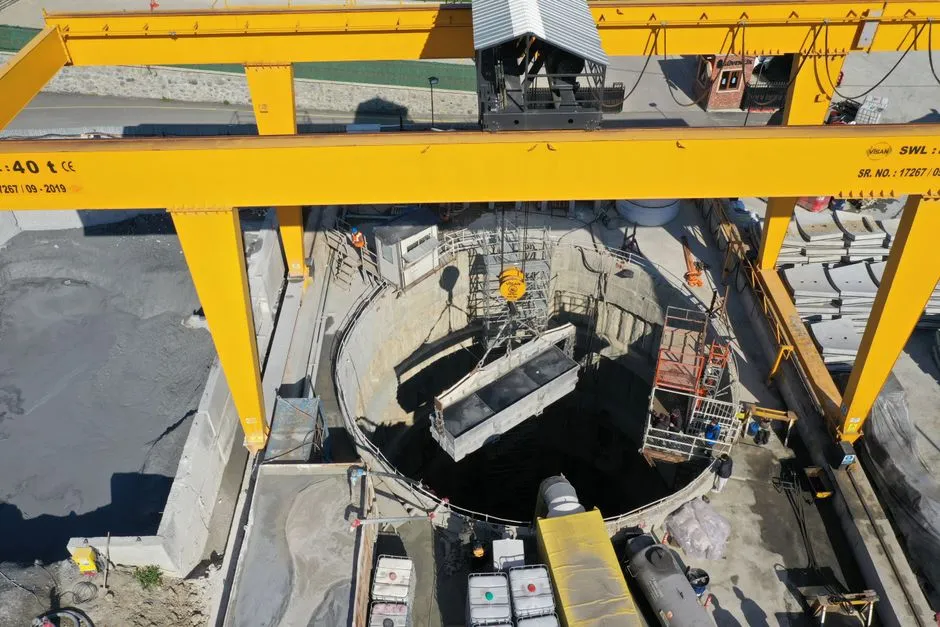
The treatment unit must connect to a complete wastewater system capable of feeding, draining and operating it reliably. Specify headworks appropriate to the collection system: screening or solids removal may be necessary where rags, plastics or fibrous debris could overload the biological stage. Equalization, pumping and flow measurement should be reviewed against the actual collection layout rather than added as generic accessories.
Provide an engineered sludge collection, thickening or dewatering route. A package cannot be evaluated independently from residual-solids management, because sludge storage, return, removal and disposal affect operating stability and site logistics. Identify who owns each task and how it will be recorded during commissioning and routine operation.
Disinfection should be selected around the receiving-water or reuse condition and validated within the complete treatment train. Microbial evidence also requires careful interpretation. A 2020 IOP Conference Series study of mcr-1, a plasmid-mediated colistin-resistance gene, reported reductions of 1.5–4.2 log₁₀ across tested wastewater-treatment systems. However, final effluent abundance remained 7.0 × 10²–7.3 × 10⁴ copies/L. That evidence supports a broader microbial-risk assessment; it does not show that conventional treatment eliminates all biological risk.
Where saline domestic sewage is expected, document biomass acclimation, salinity monitoring, biomass control and contingency arrangements for inhibited biological performance. The collection design should also prevent clean stormwater from unnecessarily increasing treatment demand. Screening equipment can be scoped through the rotary mechanical bar-screen specification, while solids management should be aligned with the selected plate-and-frame filter-press route.
Evaluate Suppliers with a Technical Due-Diligence Checklist
A comparable bid should state the actual site design basis rather than only a unit price and nominal capacity. Request guaranteed design flow, influent limits, process description, treatment-stage capacities and expected effluent duty for the project conditions. Require the bidder to identify assumptions that affect compliance, including equalization, dilution, seasonal load, salinity and power availability.
Operating disclosures should cover membrane replacement intervals where applicable, aeration requirements, control philosophy, power demand, spare-parts strategy and routine operator tasks. Require commissioning tests, performance demonstrations, operator training, operating manuals and a named local service arrangement. A coastal bidder should provide evidence for the specified salinity or submit a defensible acclimation and monitoring plan.
Compare lifecycle obligations rather than equipment price alone. Biological startup, sludge handling, membrane care and service access can change the practical cost and availability of the plant. The wastewater plant contract O&M guide can help separate supplier responsibilities from the owner’s operating obligations.
| Due-diligence item | Evidence required from each bidder | Acceptance point |
|---|---|---|
| Design basis | Guaranteed flow, influent characteristics, operating hours and treatment-stage capacities | Matches the project’s documented demand and load |
| Process performance | Proposed treatment stages, performance tests and applicable effluent duty | Test method, sample point and acceptance condition are agreed |
| Operations | Aeration, controls, power demand, routine tasks and membrane maintenance where applicable | Resources and access are included in the project schedule |
| Commissioning and handover | Performance demonstration, training, manuals and operating records | Deliverables transfer to the named owner or operator |
| Local support | Named service arrangement, response arrangements and spare-parts strategy | Responsibility remains clear after delivery |
| Coastal application | Salinity evidence or an acclimation and monitoring plan | Basis covers the specified site condition |
Make the Technology Decision by Site Type
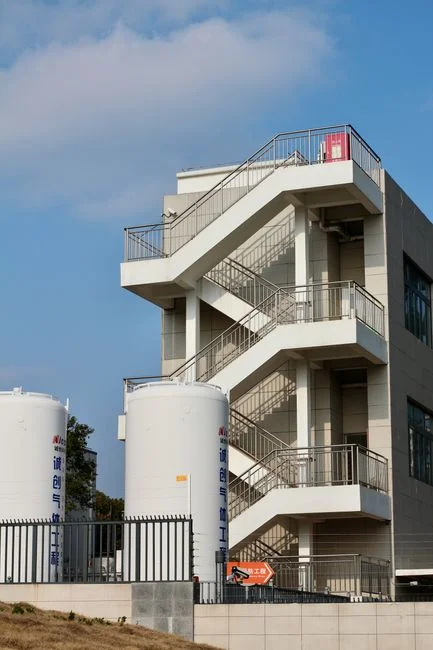
Choose a decentralized A/O package when the project requires an integrated treatment unit, limited surface occupation, distributed service and a moderate footprint. Choose MBR when compact equipment, membrane solids separation or reuse-oriented effluent quality dominates the brief. Neither selection should be made from product labels alone; the effluent use and receiving environment determine the required treatment train.
Escalate to additional engineering work when wastewater is highly saline, contains industrial contaminants, has unresolved seasonal loading or must meet a specialized reuse requirement. Require a pilot test or site-specific performance basis when the selected biological process falls outside the supplier’s documented operating range. This is especially important for coastal sites because salinity can alter microbial activity and biomass selection.
Collection infrastructure, sludge disposal, power reliability and O&M ownership belong within the technology decision rather than after it. A process that meets a nominal flow but cannot receive the project’s actual wastewater, remove its residuals or be maintained locally is not a complete solution.
| Site condition | Initial technology direction | Mandatory engineering checkpoint |
|---|---|---|
| Decentralized housing, hotel or rural site with limited surface occupation | A/O package plant | Verify hydraulic peaks, receiving conditions and sludge access |
| Compact installation or reuse-oriented treatment objective | MBR | Confirm membrane duty, controls, cleaning and replacement plan |
| Coastal or estuarine influence | Conventional biological process with site-specific salinity basis | Measure salinity; assess acclimation, biomass and inhibited-performance contingency |
| Mixed residential and commercial flows | Selected after hydraulic and contaminant characterization | Separate incompatible industrial inputs and verify peak loading |
Frequently Asked Questions
How much does a domestic sewage treatment plant cost in Vietnam?
There is no supported price range in the research, so a reliable budget requires a site-specific quotation. Ask each supplier to price the same design basis, including treatment capacity, civil works, collection interface, sludge handling, disinfection, controls, commissioning, training, warranty and local service. Compare lifecycle operating obligations as well as equipment price.
Should I choose A/O or MBR for a domestic sewage treatment project in Vietnam?
Choose A/O when decentralized deployment, an integrated biological-sedimentation-disinfection train and limited surface occupation are the main requirements. Choose MBR when compact installation, membrane solids separation or reuse-oriented quality justifies membrane-system duties. Confirm the project’s discharge or reuse requirements before either option is accepted.
How do I size a sewage treatment plant for a housing development or hotel in Vietnam?
Start with documented occupancy, visitor flows, agreed wastewater-generation factors and operating hours. Compare average flow with peak wet-weather and operating-hour peaks, then check hydraulic and organic loading. Use published equipment ranges only to screen candidates, and confirm treatment-stage capacities, redundancy, sludge handling and power arrangements in the design.
Can conventional biological treatment handle saline domestic wastewater in coastal Vietnam?
It requires a salinity-specific basis rather than an assumption that conventional activated sludge will perform unchanged. The 2026 Environmental Technology study found traditional sludge ineffective at 1.25% salinity in five-hour batch reactors, while 21 days of acclimation produced COD removal of 11–13% and NH₄⁺ removal of 22–25%. Those results support acclimation and biomass planning but do not guarantee full-scale performance.
What should I request from a sewage treatment equipment supplier before ordering?
Request the guaranteed design flow, influent basis, process description, treatment-stage capacities, expected effluent duty, control philosophy, power demand, maintenance tasks and local service arrangement. Also require commissioning tests, training, documentation and, for coastal sites, salinity evidence or an acclimation and monitoring plan.