Why 2025 Punjab EPA Orders Make STP Selection a Layout-Stage Decision
Selecting a packaged sewage treatment plant for a Lahore housing development in 2026 requires complying with Punjab EPA Orders 335 and 377 issued in late 2025. Order 335 mandates individual three-chamber septic tanks that reduce influent total suspended solids by roughly 70% and BOD by around 40% before wastewater enters the centralized plant. Order 377 prohibits Initial Environmental Examination (IEE) or Environmental Impact Assessment (EIA) approval without dedicated wastewater treatment plant land, detailed engineering designs, and operational plans. Decentralized systems like an WSZ series underground packaged STP (1–80 m³/h) process this pre-treated, septic effluent while meeting Punjab Environmental Quality Standards.
On September 12, 2025, Punjab EPA Order No. 335 made three-chamber septic tanks mandatory for every individual plot and commercial building in new housing schemes across Punjab (Water Care Services Pakistan, 2025). The order defines specific internal dimensions scaled to plot sizes. Residential plots under 5 marla require internal dimensions of 5 × 4 × 4 feet (length × width × height), scaling up to 10 × 6 × 4 feet for plots larger than 10 marla. Commercial plazas must install tanks ranging from 10 × 6 × 5 feet for 1-kanal developments up to 16 × 6 × 5 feet for commercial properties exceeding 4 kanals (Water Care Services Pakistan, 2025).
Shortly after, on October 15, 2025, Punjab EPA issued Order No. 377, establishing that no IEE or EIA application will be processed without a clearly demarcated wastewater treatment plant area marked on the master layout plan (Water Care Services Pakistan, 2025). This reserved land must be completely separate from municipal sewage disposal stations and is legally non-transferable. Both regulatory orders were issued directly to the Lahore Development Authority (LDA), Punjab Housing and Town Planning Agency (PHATA), Faisalabad Development Authority (FDA), Gujranwala Development Authority (GDA), Rawalpindi Development Authority (RDA), and regional deputy commissioners for strict enforcement during early layout approval stages (Water Care Services Pakistan, 2025). Developers can no longer defer packaged sewage treatment plant selection to later construction phases, requiring early coordination similar to methodologies discussed in the Oslo housing packaged STP comparison (A/O vs MBR).
Influent Reality: Designing for Septic-Tank-Fed Sewage, Not Raw Sewage
Septic tank pre-treatment alters sewage characteristics by reducing total suspended solids (TSS) by approximately 70% and biochemical oxygen demand (BOD) by around 40% prior to centralized treatment, according to Punjab EPA Order No. 335 (Water Care Services Pakistan, 2025). Because primary settling and partial anaerobic digestion occur within household septic tanks, the wastewater reaching the centralized housing scheme plant differs substantially from raw domestic municipal sewage. The incoming stream exhibits lower concentrations of heavy settleable solids but carries higher concentrations of dissolved sulfides and ammonia, lower overall alkalinity, and increased odor potential (Water Care Services Pakistan, 2025).
Engineers specifying Lahore housing scheme STP compliance must avoid using standard raw-sewage inflow assumptions. Process designs must account for an influent stream that has undergone initial anaerobic degradation. Biological process steps must accommodate altered BOD:nitrogen:phosphorus ratios and potential alkalinity consumption during nitrification. Design considerations parallel those outlined in the Port Harcourt housing packaged STP guide, where warm-weather septic conditions require targeted aeration control.
A critical operational vulnerability in septic-tank-fed networks is the lack of regular maintenance at the household level. If individual septic tanks are never desludged, accumulated solids eventually scour out of the chambers, choking distribution sewers and hydraulic inlet structures at the treatment plant (Water Care Services Pakistan, 2025). Housing developers should establish mandatory desludging provisions within society bylaws and maintenance contracts to preserve treatment performance. during early occupancy phases when flow volumes are minimal, the selected treatment technology must handle extended hydraulic retention times without becoming septic or producing noxious odors.
Packaged Technology Comparison for Lahore Housing: A/O vs MBR vs MBBR
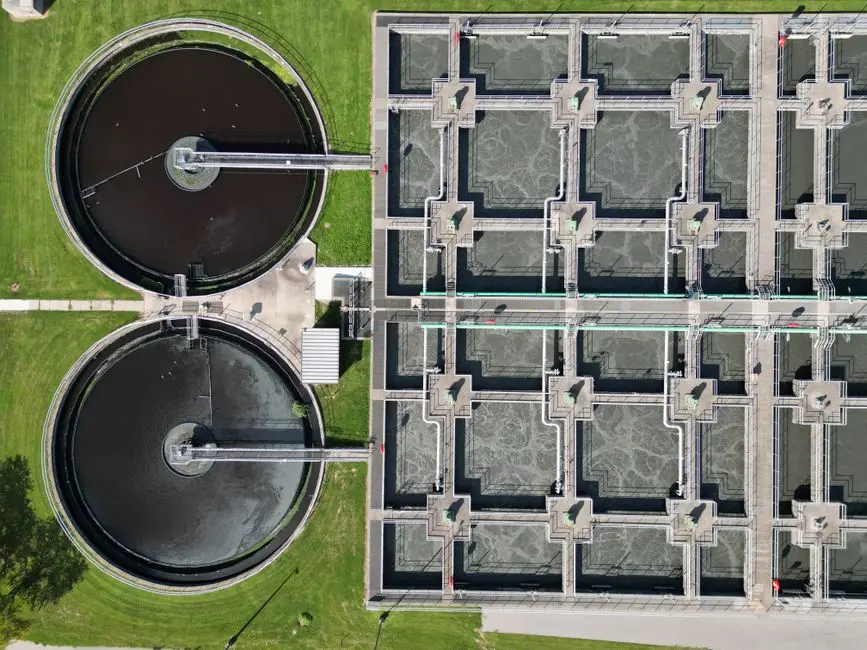
Submerged PVDF membrane filtration in packaged MBR systems achieves effluent particle separation down to less than 1 μm, enabling high-quality water reuse in residential developments. Selecting the correct process architecture for a packaged sewage treatment plant Pakistan scheme depends on site footprint limits, power availability, expected operational oversight, and long-term effluent discharge or irrigation goals.
The principal treatment options evaluated for Pakistani residential housing developments are Anoxic/Oxic (A/O) contact oxidation, Moving Bed Biofilm Reactor (MBBR), and Membrane Bioreactor (MBR) systems. Packaged A/O plants, such as underground contact oxidation units, combine biological denitrification, aerobic carbon degradation, secondary sedimentation, and disinfection in a factory-built shell. MBBR systems utilize floating plastic carriers within aerated basins, providing high active surface area for biomass attached growth, making them resilient against fluctuating organic loads. MBR systems combine suspended growth activated sludge with microfiltration membranes, delivering pristine effluent quality while reducing required tankage footprint (Water Care Services Pakistan, 2025).
| Evaluation Metric | A/O Contact Oxidation (WSZ Series) | Moving Bed Biofilm Reactor (MBBR) | Membrane Bioreactor (MBR System) |
|---|---|---|---|
| Footprint Requirement | Moderate (Underground integration) | Compact (30–40% smaller than EA) | Minimal (60% smaller footprint) |
| Effluent Separation Mechanism | Gravity Sedimentation Clarifier | Secondary Clarifier / DAF | PVDF Membrane Filtration (<1 μm) |
| Septicity & Load Swing Tolerance | Moderate | High (Attached biofilm buffer) | Moderate (Requires pre-screening) |
| Energy Demand | Low (Blower & transfer pumps) | Low to Moderate | Higher (Continuous membrane scouring) |
| O&M Complexity | Low (Automated controls) | Low to Moderate | High (Membrane CIP & flux control) |
| Phased Build Suitability | High (Parallel modular units) | High (Modular tankage / media filling) | Moderate (Train addition) |
For schemes aiming to recycle treated effluent for landscape irrigation, an MBR membrane bioreactor system (10–2,000 m³/day) provides complete physical barrier protection against pathogens and suspended solids. However, for developments where utility power stability is variable or operational staff availability is basic, MBBR or automated A/O packaged units offer high operational tolerance for septic tank effluent treatment design (Water Care Services Pakistan, 2025).
Sizing the Plant: From Plot Count to Phased Capacity Plan
Under Punjab EPA Order No. 377 (2025), housing scheme developers must submit a treatment capacity plan that reserves sufficient land for the scheme's ultimate build-out capacity during the initial layout phase. Calculating treatment capacity requires combining plot counts, estimated population densities, per-capita daily water consumption, and the pre-treatment reduction factors established by Order No. 335 (Water Care Services Pakistan, 2025).
To establish design flows, engineers begin with residential plot distributions across marla and kanal allocations. Standard per-capita daily flow assumptions (typically 120–150 liters per capita per day, LPCD) are applied to estimated household occupancies. Once raw hydraulic and organic loads are calculated, Order 335 baseline reference factors—reducing raw TSS by 70% and BOD by 40%—are applied to calculate net influent concentrations entering the packaged treatment plant (Water Care Services Pakistan, 2025). The overall sizing workflow follows structured phased capacity planning principles similar to those detailed in the Astana domestic sewage treatment equipment guide.
- Plot Inventory & Population Projection: Aggregate total residential plots by category (e.g., 5 marla, 10 marla, 1 kanal) and commercial floor areas; multiply by localized average household density figures.
- Gross Flow Calculation: Multiply total projected population by design LPCD figures (120–150 LPCD) to derive raw daily volumetric flow (m³/day).
- Apply Order 335 Influent Adjustments: Factor in a 70% TSS reduction and 40% BOD reduction to determine net biological and solids loading rates reaching the facility inlet (Water Care Services Pakistan, 2025).
- Phasing Schedule Definition: Divide total build-out into discrete development phases (e.g., Phase 1 at 25% occupancy, Phase 2 at 60%, Phase 3 at 100% full build-out).
- Modular Equipment Selection: Specify modular equipment trains that match early-stage flow without light-load failure, while installing header piping and civil foundations sized for final capacity per Order 377 (Water Care Services Pakistan, 2025).
HydropureWater Packaged STPs That Fit Lahore Schemes
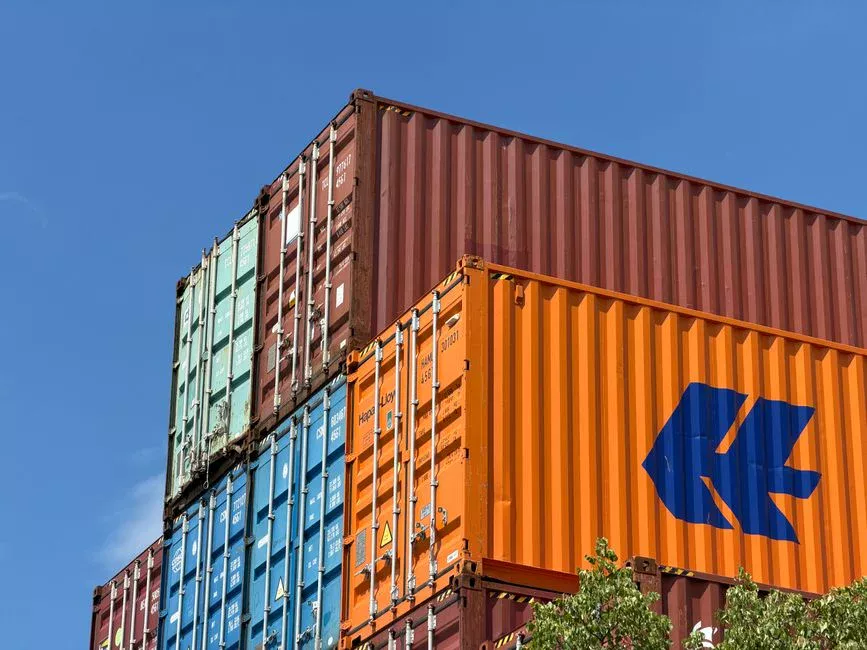
The WSZ underground integrated sewage treatment plant operates across flow capacities from 1 to 80 m³/h (24 to 1,920 m³/day) using a combined anoxic and aerobic contact oxidation process. These systems are specifically engineered for containerized or fully buried installations, enabling housing developers to reserve land surface for park areas or landscaping in compliance with local planning authority mandates.
For housing developments requiring higher flow capacity or strict effluent reuse quality, HydropureWater provides integrated MBR plants and specialized flat-sheet membrane modules. The table below details primary equipment specifications suitable for residential housing developments in Punjab.
| Equipment Model / System | Capacity Range | Primary Process Architecture | Key Technical Features |
|---|---|---|---|
| WSZ Underground Packaged STP | 1–80 m³/h (24–1,920 m³/day) | Anoxic / Aerobic (A/O) Contact Oxidation | Fully buried, automated PLC control, integrated sludge digestion & disinfection chambers |
| MBR Integrated Treatment System | 10–2,000 m³/day | Activated Sludge + Submerged PVDF MBR | Effluent filtration <1 μm, 60% footprint reduction, high-level BOD/TSS removal for reuse |
| DF Series MBR Flat Sheet Module | 32–135 m³/day per module | 0.1 μm PVDF Flat Sheet Membrane | 80–225 m² membrane area, integrated aeration box, lower energy design than cross-flow |
When selecting between these systems, standard residential projects benefit from the underground WSZ series due to automated operation and resilience to septic influent variability. Projects with dedicated irrigation networks should integrate MBR membrane trains to maintain PEQS discharge compliance reliably.
Compliance Submission Checklist: What the EPA Reviewer Will Look For
Section 12 of the Punjab Environmental Protection Act 1997 prohibits commencing construction on housing schemes prior to obtaining IEE or EIA environmental approval. Under Punjab EPA Order No. 377 (2025), approval reviewers evaluate specific technical elements within the environmental filing to verify long-term viability (Water Care Services Pakistan, 2025).
To avoid regulatory delays during submission to EPA Punjab or affiliated urban planning bodies (LDA, PHATA), consulting engineers must compile a complete documentation packet addressing legal, structural, hydraulic, and operational aspects of the proposed wastewater facility (Water Care Services Pakistan, 2025).
- Demarcated Layout Plan: Approved layout drawing showing dedicated WWTP land, physically separated from sewage lift/disposal stations, designated as non-transferable public utility land (Order 377).
- Process Engineering Calculations: Detailed engineering design including process flow diagrams (PFDs), hydraulic profile drawings, bio-reactor sizing, and design influent parameters citing Order 335 septic pre-treatment reductions (Water Care Services Pakistan, 2025).
- Phased Capacity Plan: Tabulated capacity scaling strategy matching housing occupancy phases (Phase 1, Phase 2, final build-out) with equipment modularity options.
- Operation and Maintenance (O&M) Plan: Documented operational framework specifying dual/standby electrical supply arrangements, blower maintenance schedules, operator staffing structure, and a 5-year committed O&M budget (Water Care Services Pakistan, 2025).
- Sludge Management Strategy: Defined handling procedures for biological excess sludge, including dewatering method selection (drying beds or mechanical filter presses) and approved final disposal or agricultural reuse routes (Water Care Services Pakistan, 2025).
- PEQS Discharge Verification: Standardized sampling plan demonstrating continuous compliance with PEQS discharge standards Punjab regulations, including third-party testing protocols.
Frequently Asked Questions
What design and operational factors dictate the capital and operating expenditure for a packaged STP in Lahore?
Capital and operating expenditures depend on the initial hydraulic capacity (m³/day), incoming organic loading after Order 335 septic tank pre-treatment reductions, footprint constraints, and target effluent standards (standard PEQS discharge vs. high-grade irrigation reuse). Buyers must request detailed scope proposals from equipment manufacturers specifying total tank volume, membrane area (if MBR is selected), blower and pump power ratings, structural material grades (carbon steel epoxy-coated vs. reinforced concrete), and automation instrumentation level.
What lead times and capacity staging options should developers evaluate when specifying packaged STPs?
Standard manufacturing lead times for factory-built packaged treatment systems run between 6 to 10 weeks for A/O contact oxidation units (WSZ series, 1–80 m³/h) and 10 to 14 weeks for integrated MBR systems (10–2,000 m³/day). Developers should evaluate modular system designs that allow installing an initial packaged train during early plot occupancy while completing civil base slabs and main header piping for ultimate capacity, satisfying Order 377 land reservation rules without tying up capital in oversized initial equipment.
Can modular packaged units be added incrementally as housing occupancy increases?
Yes, modular packaged plants such as the WSZ series are designed specifically for parallel expansion. Developers can install a single 10 m³/h or 20 m³/h unit during initial Phase 1 occupancy and seamlessly connect additional parallel treatment trains to common inlet headers and discharge manifolds as subsequent development phases are populated and hydraulic flows increase.
How does failure to desludge individual household septic tanks impact the main packaged plant?
If household septic tanks mandated by Order 335 are never desludged, accumulated solids fill the chambers and wash out directly into the municipal sewer network. This heavy solids carryover clogs gravity collection mains, overloads secondary clarifiers or screening units at the packaged treatment plant, disrupts biological processes, causes severe odor problems, and risks non-compliance with PEQS discharge limits (Water Care Services Pakistan, 2025).