
Which Treatment Fits an Anniston Transportation Facility?
Favor a membrane bioreactor (MBR) when an Anniston transportation-equipment facility needs compact equipment, very fine solids separation, or readiness for water reuse; favor conventional activated sludge (CAS) when wastewater is readily treatable, flows and loads are stable, land is available, and simpler mechanical operation takes priority. Transportation operations may combine wash water with variable process streams, so wastewater characterization—not the facility label—should drive selection. Stricter discharge requirements, reuse objectives, and sensitive-site conditions can strengthen the MBR case, but no supplied source establishes a universal Anniston permit limit or removal rate. Confirm the facility’s applicable authorization before comparing bids. The 2026 MBR cost-per-m³ guide is useful for structuring the commercial comparison.
Characterize the Wastewater Before Choosing Equipment
A treatment train selected from average flow alone will not define a defensible Anniston Alabama industrial wastewater design. Request the production schedule, average and peak flows, minimum flow, and the timing and volume of wash-water batches. Then establish pH, oil and grease, total suspended solids, settleable solids, and the contaminants relevant to the discharge authorization or reuse specification.
Industrial wastewater can contain persistent organic pollutants, toxic chemicals, heavy metals, and micropollutants, but their presence and treatability must be confirmed by analysis, according to the University of the Western Cape study Treatment of persistent organic pollutants in wastewater using hydrodynamic cavitation in synergy with advanced oxidation process. Do not assume that every facility has the same contaminants. Sample individual process streams and combined discharges whenever wash chemistry or coatings vary.
| Data request | Decision supported |
|---|---|
| Average, peak, minimum, and intermittent flows linked to production events | Equalization, treatment capacity, hydraulic surge response |
| pH, oil and grease, suspended solids, and settleable solids | Compatibility with biological treatment and membrane protection |
| Facility-specific discharge or reuse parameters | Direct discharge, indirect discharge, or reuse process requirements |
| Contaminants identified by representative analysis | Need for source control, dedicated treatment, or additional pretreatment |
Ask each prospective supplier to define the incoming wastewater envelope supporting its performance guarantee. Depending on the analysis, the train may need screening, equalization, pH correction, or DAF pretreatment for suspended solids, oil, and grease. A mechanical bar screen may also be relevant if the facility’s wastewater contains removable debris.
How the Two Treatment Trains Work
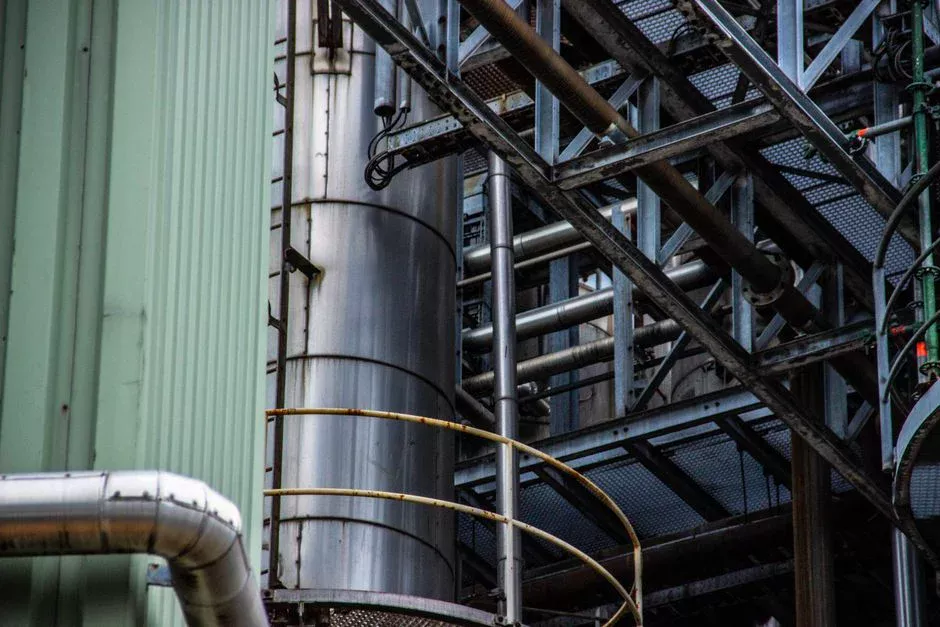
Conventional activated sludge treats biodegradable organics biologically and then requires a solids-separation step; MBR combines biological treatment with membrane separation. Understanding these mechanisms helps clarify the differences in equipment layout, operator attention, pretreatment, and solids handling.
A typical decision flow is characterization and pretreatment, equalization, biological treatment, solids separation, disinfection where required, and discharge or reuse polishing. The exact sequence must follow the facility’s wastewater and authorization. In CAS, clarifier performance is critical because the biological process and downstream solids separation are separate steps. In MBR, membrane modules perform the solids-separation stage within the biological treatment train.
The HydropureWater integrated MBR wastewater treatment system combines activated-sludge treatment with submerged PVDF membrane filtration and specifies filtration below 1 μm. That is a product specification, not a universal MBR guarantee or an Anniston effluent claim.
Membrane fouling is the principal operating risk. The University of the Western Cape study reports that fouling increases transmembrane pressure, processing time, and maintenance cost. A buyer therefore needs more than nominal membrane capacity: the design must include scouring, cleaning, monitoring, and a response to off-design wastewater.
MBR and Activated Sludge Compared for Facility Constraints
The procurement difference is not simply “better solids removal” against “lower cost.” MBR concentrates solids separation inside the treatment train, while CAS makes the owner manage a separate clarification function. The choice becomes clearer when each option is tested against the facility’s endpoint, site constraints, and operating responsibilities.
| Procurement factor | MBR | Conventional activated sludge |
|---|---|---|
| Effluent separation | Membrane modules separate solids; the specified integrated system filters below 1 μm | Separate solids-separation performance must be verified through clarifier design and operation |
| Footprint | The specified HydropureWater system claims 60% less footprint than conventional systems | May require more area for biological basins, clarifiers, and associated equipment |
| Reuse readiness | Supports a finer separation stage and reuse-oriented process design, subject to the complete treatment train | May require additional clarification or polishing for a reuse endpoint |
| Fouling and pretreatment | Exposed to membrane fouling; incoming solids, oils, and variability require control | Less dependent on membrane cleaning but still dependent on clarification and sludge handling |
| Sludge obligation | Creates concentrated solids requiring wasting, thickening, dewatering, or disposal | Also creates biological sludge requiring wasting and disposal |
| Mechanical complexity | Adds membrane modules, aeration, controls, cleaning access, and replacement provisions | Offers simpler biological operation where the site and endpoint permit |
The 60% footprint reduction and 10–2,000 m³/day capacity range are specifications of the HydropureWater integrated MBR, according to its verified product catalog, not general performance ranges for every MBR. The DF-series flat-sheet MBR membrane modules provide a separate product reference for membrane configuration.
For CAS, the strongest case is a stable, readily treatable wastewater, adequate land, and an owner willing to accept a train whose quality depends on clarification performance. For MBR, the strongest case is compact installation, fine solids separation, or reuse readiness—provided the owner prices membrane cleaning, aeration, controls, and sludge disposal. The University of the Western Cape study also identifies solid-phase effluent that is difficult to dispose of as a significant MBR demerit, so neither train offers an automatic reduction in downstream solids obligations.
Choose MBR or Activated Sludge with a Decision Framework
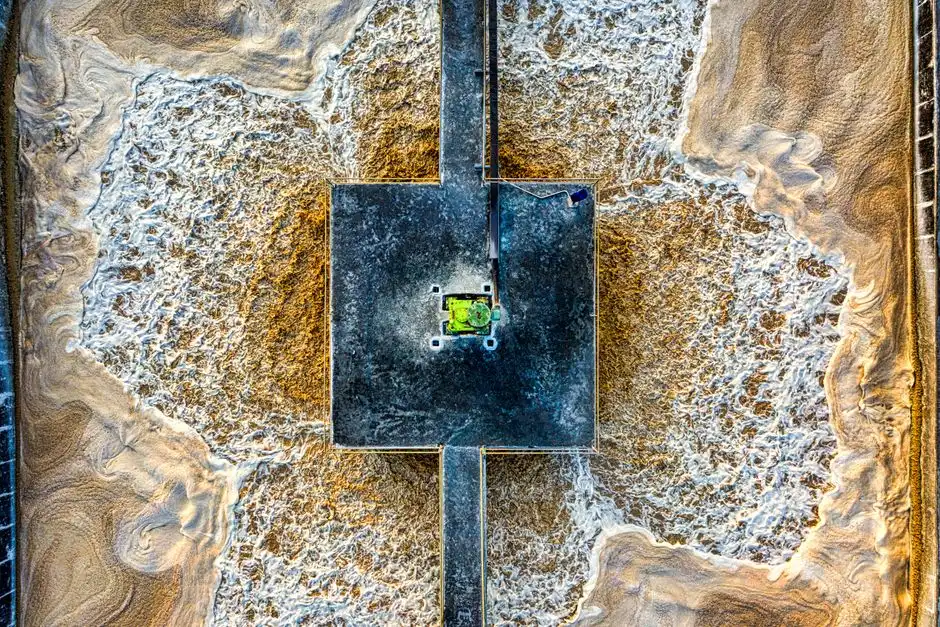
Start with the required endpoint: direct discharge, indirect discharge, water reuse, or process-water return. Then test whether that endpoint requires disinfection, additional polishing, or pretreatment beyond the proposed treatment train.
- Define the endpoint. Obtain the applicable permit or reuse specification and identify sampling, reporting, and pathogen-control requirements.
- Test the wastewater envelope. Compare representative pH, suspended solids, oil and grease, toxicity, batch flows, and contaminant variability with the supplier’s stated limits.
- Compare site obligations. Price footprint, available tankage, power, aeration, chemical cleaning, operator hours, sludge handling, odor control, and maintenance access.
- Test failure responses. For MBR, require membrane scouring, cleaning frequency, transmembrane-pressure monitoring, replacement expectations, bypass or shutdown provisions, and standby strategy.
- Resolve uncertainty. For CAS, verify clarifier performance, sludge withdrawal, return-activated-sludge controls, standby strategy, and the cost of meeting any future reuse requirement.
If wastewater variability or contaminant loading remains unresolved, require a pilot test or side-by-side bid rather than accepting a selected technology based on average conditions. The MBR versus conventional activated sludge comparison and broader MBR versus conventional activated sludge comparison provide decision structure, but their industrial examples do not replace Anniston-specific characterization.
Plan Pretreatment, Sludge Handling, and Maintenance
The main treatment train should be priced with every supporting operation that can transfer solids, contaminants, or operating labor to another system. Screening, equalization, oil and grease removal, and pH control may be necessary depending on wastewater characteristics; they should not be prescribed without analysis. DAF should be evaluated where oil, floatable material, or suspended solids could interfere with biological treatment or membranes.
For an MBR, fouling controls belong in the operating plan because the University of the Western Cape study identifies higher transmembrane pressure, longer processing time, and increased maintenance cost as consequences of fouling. Specify cleaning access, chemical assumptions, cleaning labor, spare membranes, membrane replacement responsibility, and what happens during a module outage.
Compare sludge routes explicitly: wasting, thickening, dewatering, hauling, and final disposal. A plate and frame sludge dewatering system may be an option for a selected dewatering duty, but the bid should identify who owns dewatering, transport, and disposal. An RO/UF membrane and filter-element reference is relevant where the reuse endpoint requires a defined polishing step, not because polishing is automatically required.
| DF-series product fact | Specified value |
|---|---|
| Membrane material | PVDF |
| Membrane pore size | 0.1 μm |
| Module configurations | 80–225 m² |
| Specified output | 32–135 m³/day |
These are DF-series product specifications from the HydropureWater catalog, not general MBR performance guarantees. Lifecycle comparisons should also state assumptions for downtime, operator training, remote monitoring, critical spares, membrane replacement or refurbishment, cleaning chemicals, aeration, and disposal.
Questions to Put on an Anniston Equipment Bid
A comparable bid should define what is being supplied, what performance is guaranteed, and which costs sit outside the equipment price. Require each bidder to state the design flow, operating-flow basis, incoming wastewater envelope, and responsibility for flows and loads outside those assumptions.
- Process basis: Submit a flow diagram from incoming wastewater through discharge or reuse, including equalization, biological treatment, solids separation, disinfection, pretreatment, sludge handling, utilities, and instrumentation.
- Equipment details: For MBR, state membrane material, pore size, module arrangement, scouring and cleaning method, aeration demand, controls, redundancy, and replacement or spare-module pricing.
- Compliance basis: Identify permit assumptions, sampling points, monitoring requirements, commissioning tasks, operator training, and any additional treatment step needed for reuse.
- Commercial structure: Provide separate capital and lifecycle operating line items for equipment, installation, membranes, chemicals, power, sludge handling, maintenance, and operator labor.
Ask bidders to state exceptions and exclusions clearly rather than presenting an unqualified performance guarantee. The U.S. industrial wastewater treatment and compliance guide can support the specification structure, but Alabama authorization and site data must govern the Anniston bid.
Frequently Asked Questions
When is MBR preferable to conventional activated sludge for transportation-equipment wastewater in Anniston?
MBR is generally more suitable when compact equipment, very fine solids separation, or reuse readiness justify the added membrane-fouling control and maintenance. The decision should still follow facility-specific wastewater analysis, the discharge or reuse endpoint, and available site utilities.
When can conventional activated sludge be the practical choice?
Conventional activated sludge can be appropriate when the wastewater is readily treatable, flows and loads are stable, land is available, and the owner values a less mechanically complex biological train. Confirm that clarification, sludge withdrawal, and standby operation will meet the required endpoint.
What information should a buyer request before pricing MBR or activated-sludge equipment?
Request representative wastewater characterization, average and peak flows, discharge or reuse requirements, pretreatment needs, equipment guarantees, utilities, sludge handling, and itemized lifecycle costs. For MBR, also request the wastewater envelope, fouling-control plan, cleaning method, monitoring, and replacement assumptions.
How should the bids compare lifecycle cost rather than equipment price?
Compare membrane replacement or refurbishment, cleaning chemicals and labor, aeration, downtime, operator training, sludge dewatering, hauling, and disposal. Request a priced operating basis; without a defined wastewater envelope and supplier quotation, a generic cost range would not support a defensible Anniston decision.
How should suppliers be selected for an MBR installation?
Require evidence