Start with the site's discharge path
Wastewater requirements for a JBS plant acquisition in Malaysia depend on how the site handles wastewater: direct discharge, indirect discharge through a municipal sewer, or no discharge with reuse. Before closing, verify the governing authorization, transferability, monitoring duties and historical compliance, then compare actual flow and effluent performance with permitted capacity and post-acquisition production. The evidence file must also cover food-processing wastewater, FOG pretreatment, sludge disposal, lagoons, third-party contracts and unresolved exceedances. A seller's statement that the plant is “permitted” is not proof of compliance or transferability.
Start with the outlet, not the treatment-equipment proposal. The same physical wastewater stream can generate different legal and technical workstreams depending on where it ultimately goes. The wastewater requirements for a JBS plant acquisition abroad provide a useful structural reference, but the controlling evidence must come from the Malaysian site.
| Discharge path | Evidence to obtain | Transaction issue |
|---|---|---|
| Direct discharge | Current discharge authorization, attachments, outlet map, parameter limits, monitoring frequency, reporting duties, renewal status and transfer terms | Confirm the authorization covers the acquired operation and can pass to the acquisition vehicle |
| Municipal sewer | Industrial-user permit or equivalent, current sewer limits, sewer-use requirements, sampling procedures and modification process | Confirm the receiving sewer's requirements apply to the post-acquisition process |
| No discharge or reuse | Reuse, land-application and disposal authorizations, records, treatment-system documentation and continuing-validity confirmation | Determine whether the arrangement survives the change in ownership and whether another approval is triggered |
The supplied research does not establish Malaysian legal limits, named Malaysian authorities or the permit terms applicable to a particular target. Those points must be verified from the site's documents and confirmed with Malaysian professional advisers; a Texas or other international example cannot substitute for local legal advice. The JBS Mexico plant acquisition wastewater requirements show why the legal workstream must remain site-specific.
Build the permit and compliance evidence file
HydropureWater's acquisition framework organizes wastewater due diligence into 47 questions across six clusters, including permit transferability, asset condition, hidden sludge liability, third-party contracts and purchase-agreement protection.
For a Malaysian target, apply that structure to the direct discharge authorization, municipal industrial-user permit or reuse approval. Each answer should identify the applicable document, issuing party, site condition and unresolved issue. A useful starting point is the ETP due-diligence checklist for legacy wastewater liabilities, but the evidence must be tied to the target's own approval file.
| Evidence item | Diligence test |
|---|---|
| Authorization and attachments | Identify the permit number, issuing authority, permitted flow and parameters, renewal status, monitoring requirements and transfer process |
| Operating history | Request at least the previous 12 months of actual flow and effluent results; compare them with permitted flow and pollutant loading |
| Laboratory and regulator records | Obtain self-monitoring reports, discharge-monitoring reports where applicable, raw wastewater characterization, chain-of-custody records and regulator correspondence |
| Open compliance matters | List unresolved exceedances, notices of violation, administrative orders, consent decrees, information requests and contested renewals |
| Transfer responsibility | Confirm whether authorization transfers to the acquisition vehicle, who controls relevant infrastructure during transfer and who remains responsible for pre-closing obligations |
Define an unresolved exceedance as an effluent result recorded in a monitoring report that has not been formally resolved with the regulator. Do not treat historical compliance as legal clearance. JBS's statement that each production and further-processing facility uses a wastewater program tailored to its discharge requirements is corporate context, not evidence that the acquired site complies. The acquired facility needs its own verified permit file, signed compliance history and approved transfer path.
Test whether the treatment works fit acquisition plans
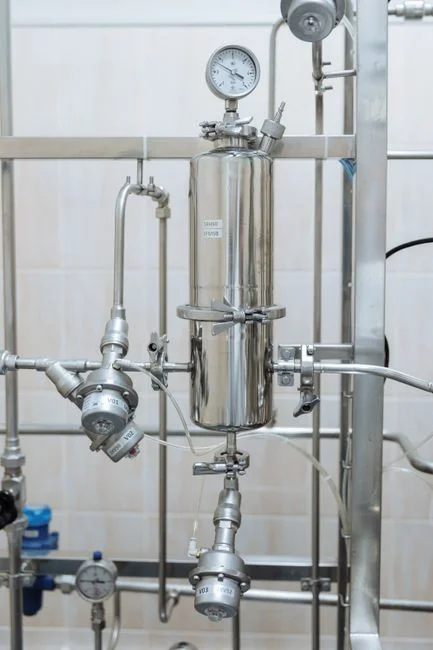
Historical permit compliance does not prove that the existing ETP can support JBS's expected production, product mix or cleaning regime.
Characterize sanitary, process and production-cleaning streams separately. Identify sources of oil and grease, suspended solids, biological oxygen demand, ammonia and other parameters listed in the site's authorization. The supplied research provides no Malaysian numerical limits, so the permit, municipal sewer requirements and applicable local rules must establish the acceptance criteria.
| Technical check | Evidence and decision |
|---|---|
| Hydraulic and load capacity | Compare permitted flow, the previous 12 months of actual flow, peak-flow records and post-acquisition production assumptions |
| FOG and solids pretreatment | Screen the installed DAF against verified influent characteristics, equalization and required effluent performance |
| Biological treatment | Assess biomass performance, aeration, membrane condition and effluent results against applicable authorization requirements |
| Peak-stream control | Review blood, paunch content, rendering-floor drainage and equalization for shock-loading and hydraulic-control risks |
| Future operating envelope | Determine whether production changes, recipe chemistry, cleaning practices or wastewater generation require an authorization modification |
HydropureWater reports typical DAF wear costs of $15,000–$60,000 per unit, recurring every 3–5 years depending on influent oil-and-grease loading. These are commercial condition benchmarks, not Malaysian legal requirements. The industrial ETP and DAF system selection guide can support process screening, but the proposal must follow site characterization.
HydropureWater states that MBR membranes run 5–8 years under normal operating conditions and treats cassettes older than 7 years as a near-term replacement liability. Evaluate an MBR wastewater treatment system against actual loading, footprint, utilities and operating constraints rather than membrane age alone. For DAF, confirm condition of the nozzles, skimmer and controls; an acquisition-team evaluation of a DAF system for FOG and solids pretreatment should use the same verified influent basis.
Price sludge and legacy infrastructure exposure
Sludge and legacy wastewater structures should be priced and allocated as identified liabilities, not absorbed as routine operating costs.
Inventory sludge volume, classification, hauling frequency, destination, contracts and retained liabilities. Decide whether the material is an operating cost, remediation item or asset-retirement obligation. Confirm whether the installed plate-and-frame filter press can dewater the material, or whether another treatment route is required. Verify the transporter and disposal destination rather than accepting the seller's operating narrative.
HydropureWater estimates that legacy slaughterhouse sites may contain 200–2,000 tonnes of undocumented sludge and provides a 2026 hazardous-sludge disposal benchmark of $80–$450 per tonne. These are HydropureWater field-data estimates requiring site-specific confirmation; they are not Malaysian legal figures.
Inspect lagoons, blood lagoons, rendering-floor drainage paths, buried paunch infrastructure and unlined storage areas. Establish whether each structure is active, abandoned, connected to drainage systems or associated with soil and groundwater concerns. The legacy wastewater-liability checklist can structure the inspection, but the buyer's environmental advisers must determine the actual site condition.
HydropureWater also recommends an Asset Retirement Obligation study under ASC 410-20 covering treatment structures, lagoons, storage areas and other wastewater infrastructure. Malaysian accounting treatment must be confirmed with the buyer's accountants and advisers; the US accounting standard alone does not establish the purchaser's treatment.
Allocate permit and environmental risks in the deal
Technical findings become enforceable protection only when the purchase agreement identifies the responsible party, amount, trigger and payment mechanism.
Attach unresolved exceedances, administrative orders and consent decrees as specific exhibits. Use a specific indemnity, escrow or retained liability for lagoons, sludge and legacy structures, linked to the verified remediation scope. For permit-transfer uncertainty, require seller cooperation and make closing conditional on the approved transfer path where appropriate.
| Finding | Potential allocation | Actionable requirement |
|---|---|---|
| Unresolved exceedance | Price adjustment, escrow, specific indemnity or closing condition | Define past response costs, future compliance costs and buyer control of remediation |
| Administrative order or consent decree | Specific environmental protection outside general indemnity limits | Attach the compliance schedule and allocate future obligations |
| Lagoons, sludge or legacy structures | Escrow, indemnity or retained liability | Set the amount from inspection and remediation evidence, not a generic allowance |
| Unapproved transfer path | Long-stop protection or closing condition | Do not close without an approved route under the site's governing requirements |
| Post-signing regulatory change | Cost-sharing or price-adjustment mechanism | Define the trigger, approval process and payment process |
HydropureWater recommends environmental representations and warranties surviving at least 5 years for ETP-heavy targets, a specific environmental indemnity outside the general basket and cap, and a 10–15% escrow held for 24–36 months for high-risk ETP targets. It also recommends reserving 2–8% of enterprise value for a protein-processing target with an on-site ETP, using the upper end where permit-history issues, FOG or ammonia non-compliance, or lagoons older than 10 years are documented. These are commercial negotiating benchmarks, not Malaysian legal requirements; adjust them to the verified findings and deal structure.
Commission a 90-day post-signing environmental-insurance feasibility study. HydropureWater describes insurance as potentially cheaper than escrow for ETP-heavy targets, but coverage, exclusions and enforceability require commercial and legal confirmation.
Sequence diligence from signing to closing
A controlled diligence sequence prevents permit uncertainty and treatment-condition findings from being deferred into the closing budget.
- Before signing: identify the discharge path, establish the authorization file, obtain the compliance history, commission condition assessments and agree the risk-allocation structure.
- Between signing and closing: obtain the approved transfer route, complete any Phase II ESA bring-down, test whether production assumptions affect the authorization, and condition closing on required approvals and agreed equipment work.
- At closing: transfer authorizations and contracts, record the verified sludge and legacy-liability position, fund agreed escrows or indemnities, and include replacement capital items in the closing budget.
- After closing: preserve monitoring and laboratory records, maintain preventive maintenance, and reassess reuse or renewable-gas opportunities only after compliance risks are closed.
JBS and GreenGasUSA's planned installations at US plants illustrate a possible wastewater-to-renewable-gas strategy. Agriculture Dive reported in 2025 that construction and installation was slated for completion in 2025. The supplied research does not establish that this strategy is technically or commercially applicable to a Malaysian target, so it should remain outside the base-case acquisition case until tested independently.
Frequently Asked Questions
What documents should JBS request before signing for a Malaysian plant?
Request the current discharge authorization or municipal industrial-user permit; its attachments, limits, monitoring requirements and transfer terms; outlet and drainage maps; at least the previous 12 months of flow and effluent records; laboratory files and regulator correspondence; unresolved notices or orders; sludge and disposal records; and relevant O&M, laboratory, hauling and reuse contracts. Have Malaysian advisers confirm the governing approval path and legal effect.
How much should the buyer reserve for wastewater risks?
There is no defensible site quotation before the permit history, treatment condition, sludge and legacy structures are quantified. HydropureWater's commercial benchmark is 2–8% of enterprise value for a protein-processing target with an on-site ETP, with the upper end used where permit, FOG, ammonia or lagoon issues are documented. Request a scenario-based estimate tied to identified scope rather than accepting a percentage as a substitute for diligence.
When is DAF pretreatment required for a food-processing plant?
DAF should be considered when verified wastewater characteristics and the applicable discharge requirements show that oil, grease or solids need separation before the next