Identify the wastewater obligation before selecting equipment
When JBS acquires a plant in Vietnam, the wastewater requirements depend on how the site treats and discharges water: direct discharge to a receiving water, discharge through an industrial sewer or wastewater system, or a no-discharge and reuse arrangement. JBS should not rely on the seller’s statement that the plant is permitted. Before closing, verify the site’s environmental authorization, transfer or re-issuance path, discharge standards, monitoring history, ETP condition, sludge obligations and contracts. The research supplied no Vietnam-specific numerical effluent limits, so binding requirements must come from the site’s permit, applicable Vietnamese approvals and any receiving authority’s rules. Corporate wastewater policy does not replace site-specific due diligence.
The acquisition team should first map the legal discharge route, then assign each stream to the responsible workstream. A direct-discharge site requires the relevant environmental or wastewater authorization and a confirmed discharge point. An indirect-discharge site requires the receiving industrial sewer or wastewater authority’s pretreatment requirements and any applicable local limits. A no-discharge or reuse site still requires evidence that reuse, land application or disposal is authorized and that the proposed post-acquisition operation remains within that authorization.
Do not combine sanitary wastewater, process wastewater, production-cleaning streams and high-strength flows until their legal and technical significance is understood. The JBS Marshalltown facility demonstrates why site-specific performance matters: JBS reported in 2019 that its $9.2 million, 10,000-square-foot pretreatment facility reduced wastewater total suspended solids by approximately 43% and biochemical oxygen demand by more than 60%. That performance is not a substitute for testing the acquired Vietnam plant, and no conditions from another JBS facility or country should be imported into the file. The JBS Mexico plant-acquisition wastewater requirements provides a useful cross-border structure for checking the discharge route before evaluating equipment.
| Site discharge route | Primary authority and documents | Technical asset ownership to establish | Closing decision |
|---|---|---|---|
| Direct discharge | Site environmental or wastewater authorization, attachments, discharge-point map, monitoring conditions and transfer or amendment path | ETP, outfall, conveyance, sampling and monitoring assets | Can JBS lawfully continue the permitted discharge? |
| Indirect industrial discharge | Receiving authority’s pretreatment requirements, local limits, sampling procedures and industrial-user authorization | Connection, metering, pretreatment and sampling assets | Will the acquired operation remain compliant with the receiving system’s rules? |
| No discharge and reuse | Reuse, disposal, land-application or authorization records and applicable operating conditions | Storage, treatment, transport and reuse assets | Is the proposed post-transaction reuse or disposal legally supportable? |
Build the Vietnam regulatory document file
The buyer’s regulatory file should establish the site’s legal permission to operate and discharge, not merely prove that the seller possessed a document described as an environmental permit. Request the complete authorization and every attachment, then record the permit number, issuing authority, permitted flow, parameter list, monitoring and reporting conditions, renewal status and transferability provisions. The discharge-point map must match the physical site and the receiving point.
Obtain at least 12 months of flow data, wastewater self-monitoring records, discharge-monitoring results, raw-wastewater characterization, laboratory chain-of-custody records and regulator correspondence. Also request notices of violation, administrative orders, consent decrees, information requests and any unresolved exceedance. The purpose is to reconstruct both the operating envelope and the compliance history, not to accept a current compliance certificate without testing it.
Confirm whether the acquisition changes the permit holder, production capacity, process ownership, wastewater source, discharge point or treatment method. Ask the competent Vietnamese authority, through Vietnamese counsel and the seller’s cooperation, whether the authorization will be transferred, amended or re-issued. Obtain written advice before closing; a proposed transfer path is not the same as an approved one. The wastewater requirements for a JBS German plant acquisition shows why the document structure must remain jurisdiction-specific even when the transaction questions are familiar.
The supplied research contains no Vietnam-specific numerical effluent limit or permit number for a hypothetical JBS plant. JBS should therefore avoid inserting generic limits into the file without checking the controlling site authorization, applicable Vietnamese approvals and any receiving authority’s rules. The committee should request those controlling documents directly and record any uncertainty as an open condition rather than filling it with an assumed standard.
For municipal context only, the U.S. Commercial Service reported that the Nhiêu Lộc-Thị Nghè plant in Ho Chi Minh City had a stated capacity of 480,000 cubic meters per day and was targeted for completion in 2025. That municipal infrastructure context does not establish the acquired plant’s authorization, capacity or compliance. Industrial buyers should keep the asset-level and receiving-authority documents at the center of the gate decision.
| Document cluster | Minimum request | Decision supported |
|---|---|---|
| Authorization | Complete permit, attachments, discharge map, permitted flow, parameter list, renewal and transfer provisions | Permission to operate and discharge |
| Operating evidence | At least 12 months of flow, self-monitoring and discharge-monitoring records, raw-wastewater data and chain-of-custody laboratory records | Actual loading and compliance history |
| Enforcement history | Violations, orders, consent decrees, information requests and correspondence | Unresolved legal exposure |
| Transaction confirmation | Written advice on transfer, amendment or re-issuance following changes in ownership or operation | Closing condition and long-stop protection |
Test the existing ETP against the acquired operating envelope

Historical compliance does not establish treatment capacity for JBS’s expected production. Compare the permitted flow with the prior 12 months of actual flow, peak-flow records, production assumptions and future product mix. A plant can satisfy its existing authorization yet have insufficient hydraulic or pollutant-loading margin after acquisition.
Verify the installed treatment train through drawings, operating records, maintenance history, utility data and physical condition inspections. Do not select an upgrade from a process diagram alone. The industrial ETP and DAF selection guide is a screening resource; the acquired site’s authorization and actual wastewater data remain controlling.
For food-processing streams, characterize fat, oil and grease, suspended solids, biochemical oxygen demand, ammonia and other site-relevant parameters. The supplied research provides no Vietnamese numerical limits for these parameters, so obtain the controlling values from the site authorization and relevant authority before making an upgrade decision.
Inspect dissolved-air flotation condition, including micro-bubble nozzles and skimmer wear, and verify influent characteristics and operating history. HydropureWater reports typical DAF wear costs of $15,000–$60,000 per unit recurring every 3–5 years, depending on influent oil-and-grease loading. This is a commercial wear benchmark, not a Vietnamese compliance limit. If the analysis supports FOG pretreatment, screen an industrial DAF system for FOG pretreatment against verified loading, existing equalization and required treatment performance.
Evaluate biological capacity, aeration and membrane condition against actual loading. HydropureWater states that MBR membranes run 5–8 years under normal operating conditions and identifies cassettes older than 7 years as a near-term replacement liability. Where biological upgrading is justified, evaluate an integrated MBR wastewater treatment system against site loading, footprint, utilities and operating constraints.
Determine whether equalization can control blood, paunch content, rendering-floor drainage and other peak streams. If JBS changes cleaning practices, recipe chemistry, throughput or wastewater generation, assess whether those changes require an authorization modification. Equipment selection comes after characterization and capacity review, not before.
| Technical check | Evidence to obtain | Upgrade question |
|---|---|---|
| Hydraulic capacity | Permitted flow, 12-month actual flow, peak records and acquisition production assumptions | Is equalization or peak-control capacity adequate? |
| FOG and solids front end | DAF nozzle and skimmer inspection, influent characterization and operating history | Is wear, chemical demand or performance loss material? |
| Biological treatment | Aeration, membrane age, biomass performance and effluent data | Is biological or membrane capacity adequate for the acquired load? |
| Equalization | Blood, paunch, rendering-floor drainage and equalization records | Can shock and peak streams be controlled? |
Quantify sludge, legacy structures and residual liabilities
Accumulated sludge and legacy wastewater structures are not ordinary operating costs until their quantity, legal status and future treatment path are established. Inventory sludge quantities and classifications, hauling frequency, transporter, destination and disposal contracts. Then determine whether the material is an operating cost, remediation item, asset-retirement obligation or seller-retained liability.
Inspect lagoons, blood lagoons, rendering-floor drainage paths, buried paunch infrastructure and unlined storage areas. The inspection must establish whether each feature is active, abandoned, encroached upon, connected to drainage systems or otherwise connected to soil and groundwater concerns. Drawing revisions and interviews with site personnel may clarify the history, but they do not replace field inspection.
HydropureWater estimates that legacy slaughterhouse sites may contain 200–2,000 tonnes of undocumented sludge and cites a 2026 hazardous-sludge disposal benchmark of $80–$450 per tonne. These are field-data estimates requiring site-specific confirmation, not Vietnamese legal limits. JBS should not calculate an acquisition reserve from them without inventorying the acquired facility and verifying the proposed disposal route.
Confirm whether existing sludge can be dewatered with the plant’s plate-and-frame filter press or another specified system, and verify the transporter and disposal destination before accepting seller assumptions. The MABR design guide for food-processing wastewater can support treatment discussions, but it cannot determine the legal ownership or disposal liability for sludge already at the site.
Request an asset-retirement obligation study covering treatment structures, lagoons, storage areas and other wastewater infrastructure. Accounting counsel should then determine how the resulting obligation is recognized at closing and whether seller assumption or a specific indemnity provides a better allocation than a generic reserve.
Translate findings into closing conditions and indemnity terms
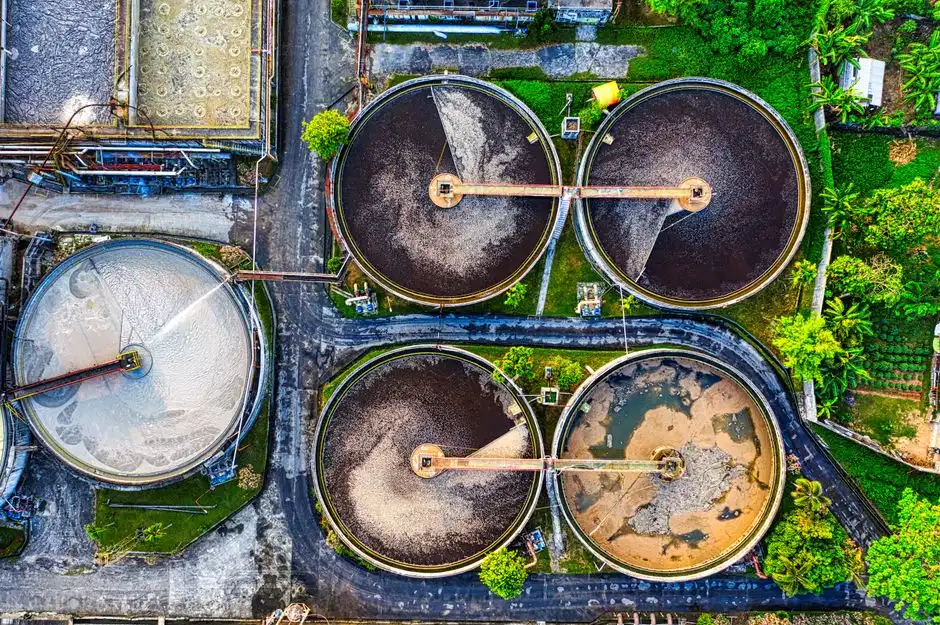
The permit-transfer path is a gate, not a post-closing administrative task. Make an approved transfer, amendment or re-issuance path a closing condition supported by seller cooperation covenants, defined transfer milestones and long-stop protection. The site-specific analysis of sewer-limit obligations illustrates why the transaction must address the actual receiving authority’s requirements rather than rely on generalized compliance assumptions.
Attach unresolved exceedances, administrative orders, consent decrees and regulator commitments to the purchase agreement. Use specific representations, warranties and indemnities to allocate historic violations, response costs and future compliance. The JBS Texas acquisition framework shows the same transaction logic, but Vietnam counsel must apply it under Vietnamese law and confirm the enforceability of each protection.
Use the evidence to select the remedy. A lagoon, sludge or legacy-structure finding may justify a price adjustment, escrow, seller assumption, retained liability or remediation condition. The amount must reflect the verified scope, not a generic reserve. Require a Phase II environmental site assessment when Phase I work identifies a recognized condition and financing or the purchase agreement requires quantified exposure.
Environmental insurance may be considered for long-tail remediation risk, but it is not guaranteed coverage and should not replace site-specific diligence. Vietnamese counsel should review the enforceability of indemnities, escrow, permit-transfer provisions, seller covenants and closing conditions before the transaction documents are signed.
| Finding | Closing treatment | Required follow-through |
|---|---|---|
| Transfer or re-issuance path not approved | Closing condition, seller cooperation covenant, transfer milestone and long-stop protection | Do not close without an approved legal path |
| Unresolved exceedance, order or consent decree | Specific representation, warranty and indemnity; attach underlying instruments | Allocate historic response and future compliance costs |
| Sludge, lagoon or legacy structure | Price adjustment, escrow, retained liability or remediation condition | Base the amount on site evidence and disposal-path confirmation |
| Recognized environmental condition | Phase II assessment where required by the transaction or financing | Quantify exposure before allocating liability |
Frequently Asked Questions
What will the wastewater permit-transfer and compliance work cost during the acquisition?
The supplied research provides no Vietnam permit-fee schedule, transfer cost or quotation, so JBS should not assume a fixed price. Request a written scope from Vietnamese counsel covering the controlling authorization, transfer or re-issuance route, regulator engagement, monitoring, laboratory work, sludge handling and potential asset-retirement exposure. Separate regulatory and legal fees from ETP capital estimates; a capital-cost screen is not a compliance determination.
Should JBS select DAF or MBR equipment before closing?
No. Require characterization of the actual wastewater, a capacity review against the acquired operating envelope, inspection of the existing ETP and confirmation of the controlling discharge requirements before requesting an equipment proposal. DAF may be justified for verified FOG and solids loads, while MBR may be justified by biological or membrane-capacity findings, but neither technology cures a permit or discharge-route problem by itself.
Which documents should JBS request before signing the purchase agreement?
Request the complete authorization and attachments, discharge-point map, transferability provisions, at least 12 months of flow and monitoring records, laboratory records, regulator correspondence, enforcement documents, ETP drawings and maintenance history, sludge-disposal records, third-party contracts and legacy-structure information. The JBS Mexico acquisition diligence framework can help structure the request, but the Vietnamese site documents must determine the result.
How should JBS decide whether to sign, renegotiate or stop?
Sign only when the discharge route is legally supportable, an approved transfer or re-issuance path exists, the ETP can meet the verified operating envelope and legacy liabilities are allocated adequately. Renegotiate when the evidence identifies remediable permit, capacity, sludge or legacy-structure exposure. Stop when authority will not support the proposed discharge, required treatment cannot meet the applicable requirements, or environmental liabilities cannot be quantified and protected.
What should JBS check when selecting a wastewater supplier or treatment partner?
Require suppliers to base their proposal on the site’s raw-wastewater characterization, hydraulic and pollutant loading, applicable authorization, existing footprint and utilities—not merely a generic flow rate. Check installation references, equipment condition, local service capability, spare-parts availability, performance guarantees tied to the controlling requirements, and responsibility for sludge or residual waste. Local counsel must separately validate the permit-transfer path and transaction protections.