Determine What the Astana ETP Must Achieve
An effluent treatment plant in Astana should be selected based on the wastewater source and final-use path rather than a generic equipment list. A stand-alone industrial ETP commonly integrates equalization, primary treatment, biological treatment, tertiary treatment, sludge management and automation, with COD, BOD, TSS and pH as key control parameters. DAF can remove suspended solids, oil, grease and colloidal material before biological or membrane stages; MBR provides submerged PVDF membrane separation, while UF or nanofiltration can polish a suitable WWTP effluent. The final design must be based on Astana discharge or reuse requirements, a representative wastewater analysis and site-specific utilities, climate and commissioning conditions.
Make the commercial decision around one of three outputs: compliant industrial discharge, partial reuse with a municipal sewer or receiving system, or higher-grade reuse. The supplied research does not provide a universal Astana discharge-limit table. Therefore, the applicable permit, receiving-body requirements and analytical methods must be confirmed during design; they cannot be inferred from a vendor’s generic “compliant” statement.
Conventional biological treatment and reclamation are different scopes. University of Twente research identifies nanofiltration as a method for polishing WWTP effluent to EU Water Framework Directive standards, producing water suitable for agricultural or direct or indirect potable usage. That finding supports the distinction between treatment at a municipal works and additional polishing for a defined reuse purpose. It does not establish that nanofiltration is required for every industrial discharge.
Shachi Engineering defines an industrial ETP as an integrated sequence of equalization, primary treatment, biological treatment, tertiary treatment, sludge management and automation. By contrast, an industrial WWTP effluent polishing train starts with an already treated municipal outlet. Confirm whether the plant must treat factory wastewater directly, polish an existing WWTP outlet, or perform both before asking suppliers to propose a process or price. This distinction also determines whether Astana sewage-treatment engineering options are relevant to the project.
Build a Source Water and Compliance Brief
Representative wastewater data, sampled across production cycles, serves as the starting point for sizing an industrial wastewater pretreatment train. Request flow, COD, BOD, TSS, pH and temperature, together with the operating conditions that produced each sample. A single grab sample can miss cleaning discharges, batch peaks, seasonal production changes and the accumulation of soluble contaminants.
Shachi Engineering’s ETP selection criteria require the design to accommodate changes in flow, pollutant load, pH, temperature and production conditions. Extend the sampling plan to clean-in-place operations, product changeovers, shutdowns and abnormal discharges where relevant. Define the design-flow envelope separately from the average flow, and document whether each flow is instantaneous, hourly or daily.
| Source-water input | Why the buyer needs it | Equipment or compliance decision |
|---|---|---|
| Flow across production cycles | Establishes average, peak and short-duration loading conditions | Equalization, screening, pumping and biological or membrane loading |
| COD and BOD | Indicates biodegradable organic load | Biological treatment, aeration, sludge production and equalization |
| TSS and particle-size distribution | Identifies settleable solids and colloidal material | Primary clarification, DAF and membrane pretreatment |
| Oil, grease and FOG | Shows the hydrocarbon load that may foul equipment | DAF, equalization and downstream protection |
| pH and temperature | Defines chemical demand and biological operating conditions | Adjustment, heating or cooling, aeration and controls |
| Dissolved salts and industry-specific contaminants | Identifies constraints not represented by bulk COD | RO or other specialized treatment, pretreatment and discharge route |
Map each contaminant to the stage expected to remove it, then identify any constituent that passes through unchanged. Suspended solids and colloids require solids separation; FOG requires reliable oil and grease removal; biodegradable organics require biological treatment where the objective and local conditions support it. Nutrients, dissolved salts and industry-specific contaminants need their own removal and monitoring logic. A membrane specified only by flow will not solve all of these duties.
Obtain the environmental authorization pathway, receiving-system conditions, designated sampling points and required analytical methods before treating equipment claims as compliance evidence. HydropureWater’s Kazakhstan guide identifies Water Code maximum allowable concentration values, Ministry of Environmental Protection norms and BAT-AEL benchmarks as relevant topics for 2026 treatment design. The underlying project must confirm which values apply to its industry, discharge point and authorization; the guide itself is not a discharge permit.
Map the Treatment Train to the Contaminants
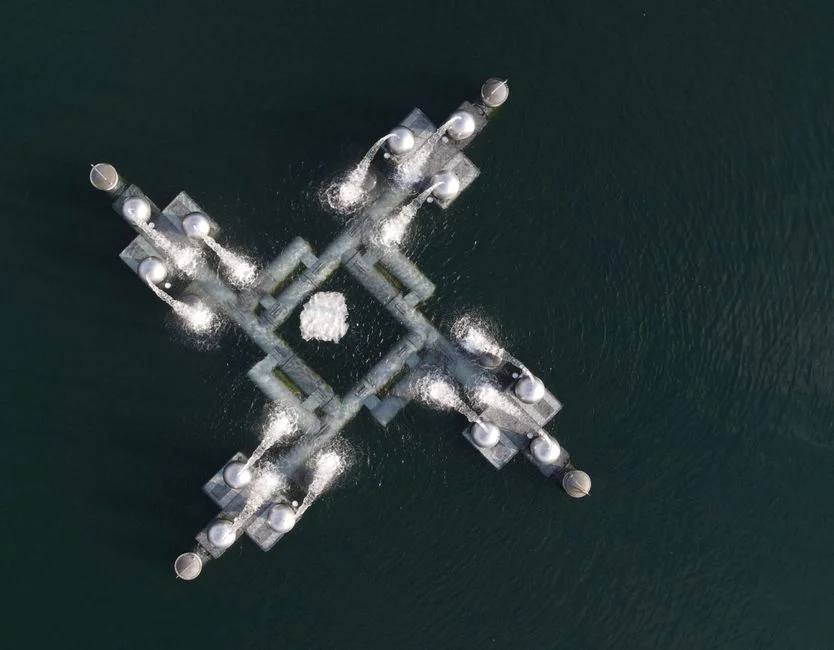
A defensible Astana ETP follows a pollutant-to-process-to-proof sequence: contain and characterize the wastewater, remove contaminants before they impair sensitive equipment, treat the remaining biodegradable load, polish to the required endpoint, then verify performance against the agreed influent envelope and final-use specification.
- Equalization and screening: stabilize flow and load, remove bulk material and provide controlled feed to treatment.
- Primary removal: recover oil, grease, FOG, settleable solids or colloidal material where required.
- Biological treatment: address biodegradable organics where the wastewater characteristics and receiving route justify the stage.
- Tertiary or membrane polishing: meet the required reuse or discharge quality.
- Disinfection: apply only where required by the reuse or permit conditions.
- Sludge management: define dewatering, storage, handling and the authorized disposal route.
Select DAF where oil, grease, FOG, suspended solids or colloidal matter must be removed upstream of sensitive biological or membrane equipment. HydropureWater’s published industrial DAF system for Astana wastewater pretreatment spans 4–300 m³/h across 13 standard models. Those values are screening data, not a selected capacity for a factory.
Select an integrated MBR wastewater treatment system where biological treatment and membrane separation are required together. HydropureWater’s published MBR range covers 10–2,000 m³/day and states filtration below 1 μm. Confirm membrane material, selected model, flux behavior, cleaning requirements and performance at the actual wastewater characteristics.
| Treatment stage | Primary contaminant role | Selection condition | Proof required |
|---|---|---|---|
| DAF | Oil, grease, FOG, suspended solids and colloids | Downstream biological or membrane systems need upstream protection | Guaranteed performance across the agreed oil, solids and flow envelope |
| MBR | Biodegradable organics with membrane separation | Integrated biological treatment and solids separation are required | Effluent COD, BOD, TSS and membrane operating data under project conditions |
| UF | Fine solids, colloids and bacteria; pretreatment for RO | A finer barrier is needed before a sensitive downstream process | Permeate quality, backwash and air-scour performance, and membrane integrity |
| RO | Dissolved salts and selected dissolved contaminants | The required final-use quality justifies concentration and reject management | Permeate specification, recovery, pretreatment and reject route |
| Nanofiltration | Polishing of suitable WWTP effluent | Higher-grade reclamation is the objective | Project-specific performance against the agreed reuse specification |
Use UF where fine solids, colloids or bacteria must be removed, or where UF protects RO. HydropureWater’s hollow-fiber UF systems are published at 2,000–40,000 L/h with 0.03 μm PVDF membranes, automatic backwash and air scour. These figures remain supplier screening information until matched to flow, feed quality and the required duty.
Use RO where the required permeate quality justifies membrane concentration. HydropureWater states recovery rates up to 95% for pharmaceutical, semiconductor, food and beverage, and power-generation applications. The value is application-specific and cannot be transferred automatically to an Astana wastewater project. Evaluate the feed, recovery, concentrate disposal and pretreatment together.
Treat nanofiltration as a potential polishing option when reclaiming WWTP effluent for a high-value use, consistent with University of Twente research. It is not a default stage for ordinary industrial discharge.
Compare Equipment Against Operating Reality
Equipment comparison should test the operating envelope and consequences, not only nominal throughput. A low purchase price loses relevance if fouling, chemicals, standby power, sludge disposal or manual attendance increase lifecycle burden.
| Comparison item | Information to request from each bidder | Why it matters in Astana |
|---|---|---|
| Guaranteed performance | Flow range, influent envelope and measurable outlet parameters | Prevents selection outside the actual production variation |
| Monitoring and controls | COD, BOD, TSS and pH instrumentation; alarms; PLC and historian functions | Supports stable operation and traceable permit evidence |
| Chemical and energy demand | Expected consumption by operating scenario and measurement basis | Exposes operating-cost differences hidden by headline capacity |
| Sludge | Expected solids generation, dewatering need, storage and authorized disposal route | Completes the treatment balance and clarifies site liabilities |
| Physical integration | Footprint, above-ground or buried arrangement, access, utilities and drainage | Tests whether the proposal fits the actual site |
| Maintenance and support | Operator workload, routine maintenance, spare parts and local service access | Determines whether performance remains sustainable after handover |
Integrate the proposal with Astana site constraints: footprint, foundations, buried versus above-ground installation, available power, process water, drainage, winter operation, access for maintenance and local construction interfaces. Require the supplier to explain how equipment remains accessible and how winter conditions affect piping, controls, biological operation and operator safety.
Use the published DAF, MBR, UF and RO ranges only for initial screening. Require each bidder to select the final unit and guarantee its duty against the project wastewater analysis, final-use specification and production envelope. A catalogue maximum is not a project guarantee.
For pretreatment-sensitive industries, give DAF priority where oil, grease, FOG, suspended solids or colloidal matter could overload downstream biological or membrane stages. For reuse or stringent polishing, compare MBR, UF and RO according to final-use quality and pretreatment burden. The hollow-fiber UF system for fine-barrier duties and the industrial RO system for dissolved-solids separation address different problems and should not be treated as interchangeable bids.
Set the Supplier Scope and Acceptance Tests
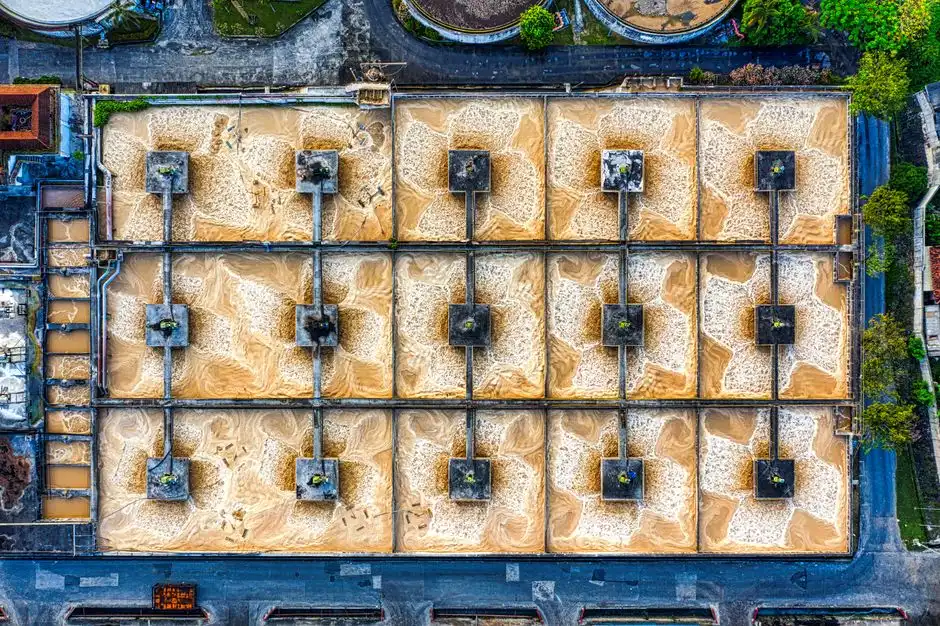
Convert the selected process into a measurable EPC and commissioning scope before comparing commercial offers. The supplier should identify wastewater characterization tasks, process design, P&IDs, equipment sizing, civil interfaces, electrical and PLC controls, chemical storage, sludge handling, commissioning and operator training as explicit deliverables. Exclusions must be visible because they determine whether offers are comparable.
Write acceptance criteria around the agreed influent envelope and applicable permit or reuse specification. Avoid an unqualified promise that the plant is “compliant.” Define the test method, sampling point, test duration, operating state and treatment of invalid results. State whether acceptance is based on individual samples, a compliance period or both, without inventing the regulatory test requirement that applies to the project.
- Factory acceptance testing: verify fabrication, instrument checks, control sequences, interlocks and equipment functions before shipment.
- Site acceptance testing: confirm installation, utilities, power, drains, safety devices and controls at the installed plant.
- Performance verification: demonstrate the guaranteed treatment result using representative wastewater.
- Handover: deliver operating manuals, maintenance schedules, approved drawings, training records and spares.
Shachi Engineering’s industrial ETP criteria provide a structured RFQ check: consistent treatment despite changing flow and load; control of pH, COD, BOD and TSS; predictable operating costs; and a scalable design. The industrial ETP and DAF selection guide expands this equipment-screening framework.
One ASME submission provides an illustrative integration: screening, chemical coagulation, DAF and SBR were combined with MED or RO and disinfection. The modeled dairy plant was 360 m³/day and located in the United Arab Emirates. It demonstrates how multiple treatment stages can be integrated, but it is not an Astana design capacity or a substitute for project-specific characterization.
Frequently Asked Questions
How much does an effluent treatment plant in Astana cost?
The supplied research does not support a defensible Astana price range. Request a quotation only after the wastewater characterization, flow envelope, required effluent quality, civil scope, utility connections and sludge route are defined. Require the offer to separate equipment, civil works, controls, commissioning, chemicals, sludge handling and optional reuse
Frequently Asked Questions
How much does an effluent treatment plant in Astana cost?
The capital expenditure for an industrial ETP in Astana typically ranges from $150,000 to over $2,000,000, depending on the flow capacity and influent pollutant load. Smaller modular systems for light manufacturing often cost between $150,000 and $400,000, while large-scale complex facilities for heavy industry require higher investments.
Operational costs must also be factored, usually ranging from $0.50 to $2.50 per cubic meter of treated water. These costs are influenced by local electricity tariffs in Kazakhstan, chemical consumption rates, and the specific sludge management requirements mandated by Astana’s environmental regulations.
Should our factory choose DAF, MBR, UF or RO for industrial wastewater?
The selection depends on the target discharge quality and the influent characteristics. Dissolved Air Flotation (DAF) is primarily used for primary treatment to remove suspended solids, fats, oils, and grease (FOG). Membrane Bioreactors (MBR) are preferred for high-efficiency biological degradation in limited spaces, achieving BOD levels below 10 mg/L.
Ultrafiltration (UF) and Reverse Osmosis (RO) are advanced polishing stages. UF is ideal for removing colloids and bacteria, while RO is essential if the goal is water reuse or meeting strict salinity discharge limits, typically achieving a salt rejection rate of 95% to 99.5%.
What wastewater data does an ETP supplier need for accurate sizing?
To ensure accurate sizing, a supplier requires a comprehensive laboratory analysis report covering the last 12 months. Essential parameters include daily average and peak flow rates (m³/day), pH levels, Chemical Oxygen Demand (COD), Biological Oxygen Demand (BOD₅), Total Suspended Solids (TSS), and concentrations of heavy metals or specific hydrocarbons.
Additionally, you must provide the temperature range of the influent, as extreme seasonal variations in Astana—ranging from -30°C to +30°C—significantly impact biological treatment kinetics and require specialized insulation or heat exchange systems for the ETP.
Can an industrial ETP in Astana be designed for wastewater reuse?
Yes, an ETP can be engineered for "Zero Liquid Discharge" (ZLD) or partial water recycling, which is increasingly common in Astana to comply with sustainable industrial practices. By integrating tertiary treatment stages such as MBR, RO, and advanced oxidation processes (AOP), the effluent can be treated to potable or high-grade process water standards.
Designers must ensure the system accounts for the salt accumulation cycle in closed-loop systems. Implementing water reuse can reduce raw water intake costs by 60% to 80% and minimize the regulatory burden associated with discharging treated effluent into municipal sewer systems.
How do I compare ETP suppliers and verify their performance guarantees?
When comparing suppliers, request a detailed "Process Design Basis" document that outlines the expected influent versus effluent quality for every stage of treatment. Verify that their performance guarantees are backed by liquidated damages clauses in the contract, specifically tied to the achievement of Astana’s local environmental discharge standards.
Request references for similar industrial projects in cold-climate regions. A reputable supplier should provide a performance bond, a written warranty on equipment (typically 12 to 24 months), and a clear protocol for on-site commissioning and third-party water quality verification before final project handover.