What Changes When PepsiCo Acquires a German Plant?
When PepsiCo acquires a plant in Germany, the buyer must determine the wastewater requirements from the site’s own approvals and receiving arrangements, not from the acquisition alone. The due-diligence file should cover the German wastewater and groundwater permit register, any indirect industrial discharge or pretreatment agreement, discharge and monitoring records, treatment-plant condition, and contamination or closure files. Each instrument must then be classified as assignable, transferable after notification, requiring reapplication or successor qualification, or legally uncertain. Wastewater streams should be characterized by route, flow, BOD, TSS, pH, chemicals and variability before equipment is selected. Historical exceedances, contamination and monitoring failures also require explicit contractual allocation and cost estimates.
The supplied research does not identify a PepsiCo plant acquisition in Germany, a particular German site or its controlling approvals. It therefore provides a transaction framework rather than a site-specific permit determination. The buyer must establish which obligations follow the site, which instruments require notification or reissue and which liabilities remain with the former operator.
PepsiCo’s corporate environmental context does not replace German authorization conditions. Aquacycl reports that PepsiCo is committed to becoming net water positive by 2030 and achieving net-zero emissions across its value chain by 2040. Those goals establish the operating context, but enforceable discharge requirements must be established from the site documents and regulator decisions.
The practical outcome has three linked deliverables: a closing checklist, an engineering gap assessment and a contractual allocation of legacy environmental liabilities. A German plant-acquisition wastewater due-diligence framework provides a useful transaction structure, but its control documents must be the acquired plant’s own instruments.
Build the German Wastewater Compliance Register
A wastewater authorization cannot be classified from the acquisition agreement alone; its wording and the current legal status of each instrument must establish the required action. The buyer should obtain the wastewater and groundwater permit register; sewer-use, indirect-discharge or pretreatment agreements; discharge and monitoring records; treatment-plant condition records; and contamination, remediation and closure files.
For every authorization, approval, declaration or consent, verify the legal entity, physical site, production lines, chemical inventory, discharge points and current or planned operating scope. A permit that names the former operator does not answer whether it can continue in operation, must be amended, or must be replaced through a successor-operator process.
| Register status | Evidence required | Transaction treatment |
|---|---|---|
| Assignment or continued operation by a successor | Current instrument and confirmation that entity, site and operating scope match the acquisition | Record the operative conditions and residual obligations in the closing file |
| Transfer after notification | Written notice requirement, filing deadline and competent authority | Assign a responsible person and retain evidence of receipt |
| Reapplication, qualification or successor-operator process | Applicable regulatory correspondence, submission history and authority engagement plan | Make the process, schedule and operating constraints explicit closing conditions |
| Unresolved ambiguity | Missing document, conflicting clauses or uncertain authority position | Obtain specialist confirmation and treat the issue as a closing risk |
Check expiry, renewal milestones, reserved capacity, compensation or environmental-load constraints, reporting dates and enforcement correspondence. Do not infer numeric German discharge limits where the site’s authorization and applicable rules have not been obtained.
Escalate overdue monitoring, unresolved exceedances, missing baseline studies, incomplete closure records and outstanding regulator conditions. Each should enter the transaction plan with a remediation estimate, compliance schedule, named owner and capital estimate rather than remaining in an unqualified risk list.
Map Every Wastewater Route and Stream
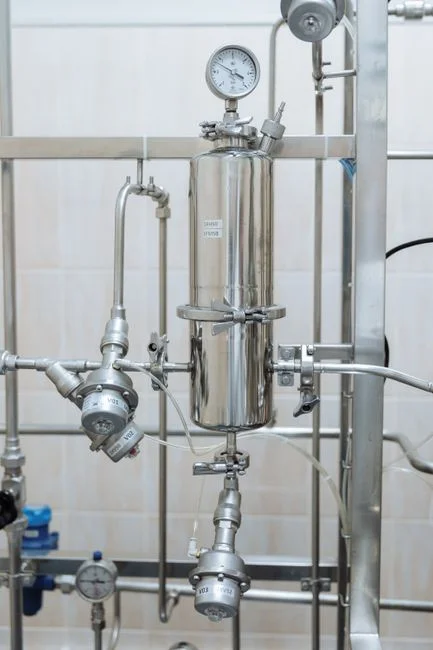
Each wastewater route determines the controlling authority, discharge arrangement and technical evidence required for the acquisition. Direct discharge to receiving water, indirect discharge through a public sewage-treatment works and separately regulated streams must not be combined into one plant-wide compliance case.
For direct discharge, reconcile the authorization with actual discharge points, reserved capacity, environmental-load constraints and compliance history. For indirect discharge, obtain the latest sewer agreement and every amendment or annex, including pollutant limits, monitoring frequency, sampling points, fee calculations, capacity contributions and excess-load consequences.
| Route or stream | Controlling evidence | Diligence question |
|---|---|---|
| Direct process discharge | German wastewater authorization, discharge-point drawings and regulator correspondence | Do actual flows and pollutant loads remain within the authorized scope and available capacity? |
| Indirect industrial discharge | Current sewer or pretreatment agreement, amendments, annexes and fee rules | What monitoring, inlet conditions, surcharges and excess-load consequences apply? |
| Stormwater and groundwater | Separate approvals, drainage plans and contamination files | Are the streams segregated and assessed under their own requirements? |
| Stormwater overflow, firewater and firefighting arrangements | Operational procedures and authority conditions | Can abnormal flows be retained or routed without causing an unauthorized discharge? |
For a beverage plant, inventory bottling, crusher, cleaning, sanitizing, cooling and product-loss streams by production area and operating condition. Crusher wastewater can vary with the beverages and expired products handled, so a plant-wide average may conceal the load that controls equalization or pretreatment.
Reconcile flow, concentration and pollutant mass load against the water balance and production forecast. This determines whether equalization, segregation or additional conveyance capacity is required before treatment selection.
Test the Existing Treatment Plant Against PepsiCo's Operating Profile
Capacity assessment must be based on analytical data tied to operating conditions, not a general statement that the plant is compliant. Request results with sampling dates, methods, flow volumes, detection limits, exceedances, mass loads and the production conditions that produced each result.
The Aquacycl case provides a narrowly scoped benchmark for high-strength crusher wastewater. Its seven-month demonstration targeted removal of 800 lb BOD per day when incoming BOD exceeded 60,000 mg/L, or 85% BOD removal below 60,000 mg/L. Aquacycl reports more than 1,350 lb per day of BOD removal, up to 140 lb per day of TSS removal, peak inflow BOD of 149,500 mg/L and treatment of half the demonstration flow.
Those results demonstrate the importance of variable high-BOD and high-TSS treatment; they do not establish German discharge limits, design an acquired installation or replace site-specific testing.
| Assessment area | Evidence to inspect | Decision test |
|---|---|---|
| Hydraulic and pollutant capacity | Water balance, peak-flow records, analytical results and production forecast | Does the system maintain compliant performance across the buyer’s operating envelope? |
| Equalization and segregation | Storage volume, routing drawings, controls and diversion tests | Can high-strength side streams be retained or isolated during upset conditions? |
| Monitoring and compliance | Flow meters, sampling records, laboratory results and exceedance files | Do instruments and records demonstrate performance at every required point? |
| Reliability | Power, dosing, sensors, alarms, bypass arrangements, redundancy and maintenance records | What happens after power loss, sensor failure, fouling or interrupted dosing? |
| Residuals | Sludge and waste-media inventories, handling records and disposal capacity | Can residuals leave the site when wastewater loads increase or a train stops? |
Inspect equalization storage, flow measurement, segregation, automatic diversion, monitoring, sampling, redundancy, bypass arrangements, power and chemical supply, maintenance and performance-test records. Model credible failures, including power loss, interrupted dosing, sensor failure, bypass activation, membrane fouling and untreated high-strength side streams.
A treatment method cannot be selected from a generic case study. Reconcile the acquired installation to actual drawings, control narratives, operating records and the buyer’s chemistry and production forecast. The food-and-beverage pretreatment limits case is a technical reference point, not evidence of the acquired site’s authorization.
Choose Pretreatment and Water-Recovery Options by Performance
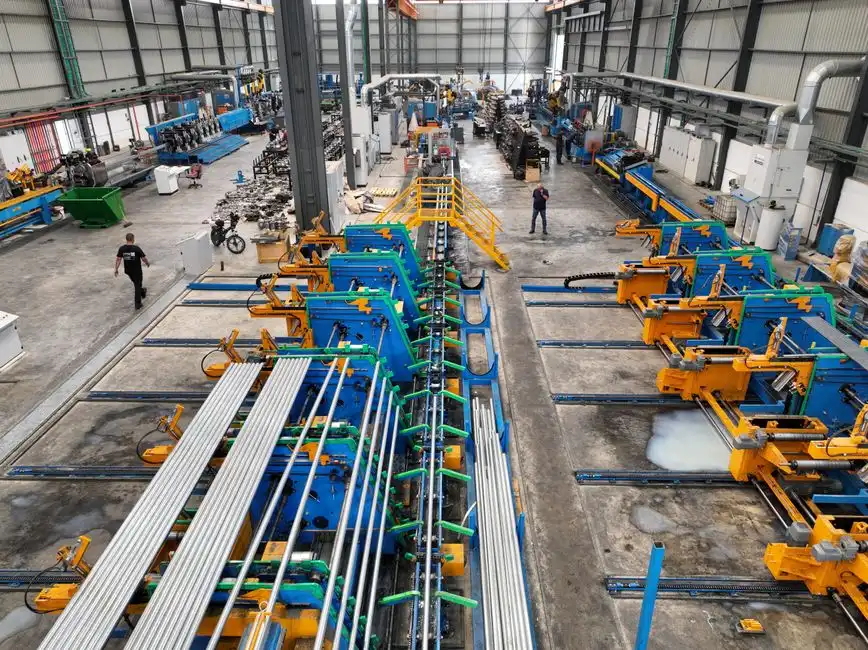
Treatment selection should follow the verified wastewater profile, discharge route and required effluent or reuse performance. A supplier’s nominal flow rating is not a sufficient basis of selection.
Use DAF when the stream contains suspended solids, oil and grease, colloids or removable floatable material, subject to verification against actual flow, pollutant mass load and variability. An industrial DAF pretreatment system should therefore be evaluated against measured duties rather than selected from a generic load table.
Consider MBR or another biological treatment route when the verified wastewater profile supports biological treatment and the required effluent quality or reuse objective. An integrated MBR wastewater treatment system must be assessed over the required operating envelope, including variable organic loading, peak flow, fouling behavior and residual handling.
| Candidate route | When it is technically relevant | Evidence required before selection |
|---|---|---|
| DAF | Verified solids, oil and grease, colloidal or floatable load | Flow and pollutant mass balance, flotation pilot or comparable evidence, sludge-handling plan |
| MBR or biological treatment | Verified biodegradability and required biological effluent or reuse performance | Loading and membrane-flux basis, pilot or performance evidence, auxiliary consumption and fouling response |
| Ultrafiltration or RO | Wastewater characteristics and the reuse target justify the added treatment barrier | Pretreatment requirements, concentrate volume and composition, membrane replacement and disposal plan |
Require suppliers to provide mass-balance calculations, pilot evidence, guaranteed outlet performance within a defined operating envelope, auxiliary-consumption guarantees, bypass restrictions and comparable operating references. The DAF selection guide explains the selection variables, but the final duty must come from the site’s data.
Include sludge, spent membranes, filter cake, ion-exchange resin and treatment chemicals in the mass balance. A technically capable liquid-treatment train still fails operationally if residual storage or disposal becomes constrained.
Manage Residual Waste and Shared-Utility Dependencies
Liquid compliance cannot be separated from the route available for treatment residuals. Obtain waste characterization, destination records, handling documentation and disposal contracts for sludge, spent media, filter cake, resins and chemical residues.
Confirm that residual handling remains available when wastewater loads increase or a treatment train is taken offline. This review should include storage, transport, off-site acceptance, chain-of-custody records and treatment of residues produced by any proposed equipment.
Identify shared conveyance and public-utility dependencies that could restrict future production growth. Document who must fund required treatment or conveyance expansion, when capacity must become operational and whether an expansion can be conditioned on the buyer’s production plan.
Test whether the receiving works’ capacity and excess-load rules remain valid for the buyer’s hydraulic and pollutant mass loads. Confirm whether the indirect-discharge agreement contains capacity contributions, fee changes or discharge restrictions that would constrain acquisition plans.
Allocate historical contamination, legacy exceedances, monitoring failures and closure obligations through transaction documents, remediation estimates and insurance review. These liabilities require contractual treatment even where the underlying contamination remains associated with the site.
Turn Wastewater Findings into a Closing and First-100-Days Plan

Every diligence finding should become a scoped action with a named owner, evidence requirement, cost category and completion milestone. Permit-transfer work must remain distinct from engineering and procurement decisions.
Classify findings into permit transfer, monitoring or baseline work, source control, treatment upgrade, residual management, public-utility dependency and retained liability. An unresolved legal status should not be concealed inside an equipment-spending plan, and an equipment proposal should not substitute for regulator engagement.
| Workstream | Pre-closing evidence | First-100-days deliverable |
|---|---|---|
| Permit transfer | Instrument register, specialist confirmation and regulator engagement plan | Completed notifications, required reissue or successor-operator process |
| Monitoring and baseline | Gap analysis of analytical records, sampling points and methods | Missing baseline sampling and verified recurring compliance program |
| Source and treatment | Water balance, verified loads, failure analysis and supplier quotations | Approved corrective-action sequence and operating-envelope definition |
| Residuals and utilities | Disposal evidence, capacity confirmation and funding terms | Documented continuity of handling and conveyance arrangements |
| Legacy liability | Contamination and exceedance files, remediation estimates and insurance review | Implemented contractual allocation and funded remediation schedule |
Request like-for-like quotations that separately identify equipment, civil works, utility connections, installation, commissioning, monitoring, training and long-term consumables. The acquisition framework specifically recommends three quotations for priority upgrades.
Use the first 100 days after closing for required permit notifications, regulator engagement, missing baseline sampling, flow-meter verification, chemical-inventory reconciliation, operator training and recurring compliance reporting. A preventive-maintenance framework for wastewater operators can support the operational handover, but it does not replace permit or residual-management actions.
Frequently Asked Questions
Which documents establish the wastewater requirements for the acquired German plant?
The current German authorizations and sewer agreements establish the requirements because no generic acquisition rule can determine the site’s pollutant limits. Obtain the permit register, indirect-discharge or pretreatment agreements, monitoring records, treatment-plant condition records and contamination or closure files, then verify the entity, site, production scope, discharge points and transfer status of every instrument.
Is an indirect industrial discharge agreement more than a sewer-use contract?
Yes. It is both a legal instrument and a performance specification. Review pollutant limits, monitoring frequency, sampling points, fee calculations, capacity contributions, excess-load consequences and every amendment or annex. Check not only whether the existing plant complies, but whether the buyer’s forecast loads remain acceptable under the agreement.
Should the buyer choose DAF or MBR for a beverage plant?
DAF is a candidate where verified solids, oil and grease, colloidal or floatable loads are present. MBR may suit a biologically treatable stream or reuse objective. Final selection requires measured flow, pollutant mass loads and variability, followed by pilot or performance evidence that demonstrates the outlet result within the required operating envelope.
How should a wastewater supplier be selected and priced?
Require mass-balance calculations, guaranteed outlet performance within a defined operating envelope, auxiliary-consumption guarantees, bypass restrictions and comparable operating references. Ask for separate pricing for equipment, civil works, utilities, installation, commissioning, monitoring, training, consumables and residual management; this allows the buyer to compare scope and identify costs that a headline equipment price would conceal.