What Changes When Digital Realty Acquires a German Plant?
When Digital Realty acquires a plant in Germany, the buyer must verify who holds the industrial wastewater permit, whether it can be transferred or must be modified, and whether the seller’s sewer or pretreatment agreement remains valid. The review must also confirm discharge routes, monitoring duties, pretreatment performance, contamination liabilities, and treatment capacity against current operations and planned data-centre changes. Digital Realty should not assume that an acquisition automatically transfers every environmental obligation. Its technical and legal teams should use a closing checklist covering permits, sewer contracts, monitoring records, outstanding remediation, wastewater equipment condition, and proposed reuse or expansion plans.
A change in corporate ownership does not, by itself, establish that the plant may change its wastewater operations. The permit holder, permitted activities, discharge points, receiving system, monitoring programme, and treatment assumptions must each be checked against the buyer’s intended use. If Digital Realty plans data-centre cooling, process-water rinsing, additional cooling-tower blowdown, or greater water reuse, the permitted process and receiving sewer must be tested against the resulting flow and composition.
The supplied research does not establish a universal transfer deadline or a single permit category that applies to every German plant. The result depends on the site, competent authority, wastewater stream, transaction structure, and any change in operating method. Sweco’s discussion of modernisation, climate resilience, ageing infrastructure, and stricter EU requirements provides market context, not a substitute for site-specific advice under WHG, AbwV, or applicable sewer rules.
The transaction team should run four linked reviews: legal continuity of approvals, contractual discharge rights, operational compliance, and physical treatment capacity. The plant-acquisition wastewater due-diligence method provides a transferable structure, while the data-centre wastewater and cooling-blowdown treatment guide helps identify the operating changes that could invalidate the seller’s assumptions.
Build the German Wastewater Due-Diligence File
The wastewater file must contain the documents that establish legal operating rights, actual compliance history, and the cost of closing any identified gap. The permit and sewer contract must be obtained from the site, because the supplied research contains no verified numerical discharge limit for this acquisition.
- Request the current industrial wastewater permit, material permit conditions, monitoring duties, consents, variations, inspection reports, and enforcement notices.
- Obtain the current sewer discharge agreement, indirect-sewer permit, or equivalent pretreatment authorization, including discharge parameters, sampling arrangements, surcharge rules, and termination rights.
- Compile the operating history requested for the site: wastewater flow, process-water use, cooling-water or blowdown volumes, laboratory results, chemical inventories, sludge records, and incidents.
- Identify the responsible authority, receiving sewer operator, and any other competent body. Seek direct confirmation where permit status or contractual interpretation is uncertain.
- Allocate contamination, remediation costs, and third-party claims through enforceable asset-purchase provisions, with an express seller indemnity for pre-closing violations.
The legal team should not infer discharge limits from general market guidance. Those limits must come from the site-specific permit, sewer agreement, and relevant regulator communications. Where performance has fallen short, preserve the underlying analytical data, chain-of-custody records, and correspondence showing when the parties knew of the issue.
| Document or evidence | Diligence question | Risk if unresolved |
|---|---|---|
| Industrial wastewater permit and variations | Who is the holder, what activities and discharge routes are authorized, and can continuity be confirmed? | Unlawful operation or required shutdown |
| Sewer agreement or indirect-discharge permit | Are existing discharge rights valid for the buyer’s proposed flows and composition? | Rejected discharge, surcharge or disconnection |
| Monitoring and laboratory records | Did operations comply with permit and contractual limits? | Retrospective liability and remediation cost |
| Equipment condition and performance records | Can the installed treatment train meet current and proposed duties? | Capacity shortfall and capital expenditure |
| Enforcement, spills and claims file | Are pre-closing violations or contamination allocated to the seller? | Post-closing liability |
Map Every Wastewater Stream Before Changing Equipment
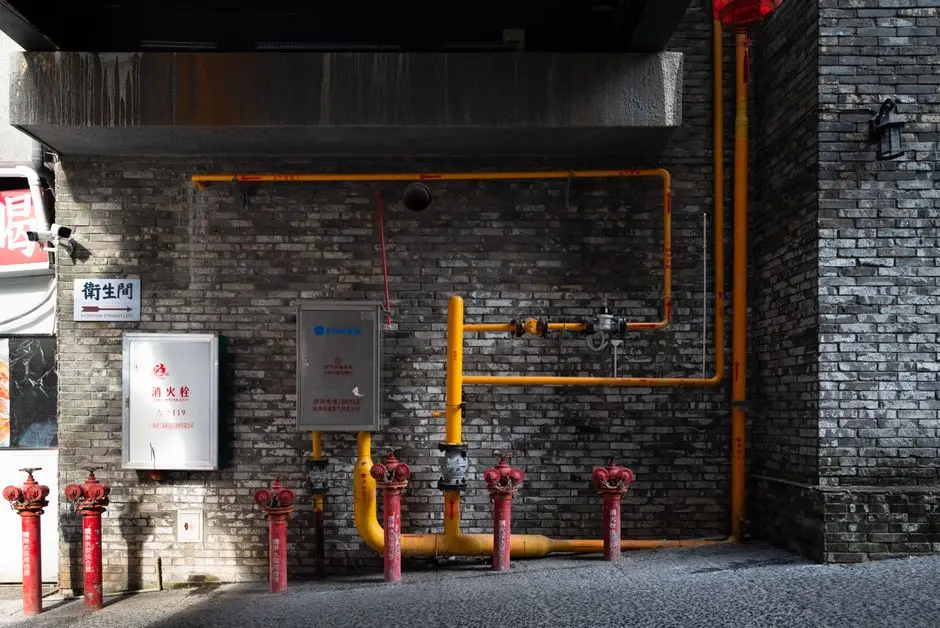
A source-by-source mass and water balance is the minimum basis for deciding whether the acquired treatment system can remain unchanged. Digital Realty should map process rinse water, data-centre cooling-tower blowdown, sewage, storm water, laboratory drains, floor washings, and any separately collected or high-risk streams. For each stream, the team should identify its source, flow variability, destination, treatment stage, monitoring point, and contractual or permit authority.
The governing permit and sewer contract must determine whether a stream may enter the sewer directly, requires on-site pretreatment, or must be segregated for specialist treatment. Reuse is a treatment and regulatory route; it must be tested against process requirements, water chemistry, treatment performance, and the permitted discharge or reuse destination.
HydropureWater’s Germany guide index, updated on October 28, 2026, identifies permits, sewer discharge, pretreatment, cooling-water reuse, environmental due diligence, PFAS, fluoride handling, and ZLD targets as current diligence topics for German plant acquisitions. Those topics are screening prompts, not site-specific evidence. A PFAS wastewater assessment should be triggered where the acquired operations, chemicals, or proposed data-centre process could introduce fluorinated compounds.
| Decision point | Required evidence | Procurement consequence |
|---|---|---|
| Can the stream enter the sewer? | Permit, sewer agreement, discharge parameters and monitoring duties | Confirm existing capacity or budget pretreatment |
| Does the stream need segregation? | Wastewater characterization, chemical inventory and process observations | Provide a dedicated collection and treatment route |
| Can reuse be adopted? | Water-quality targets, treatment trials and regulatory pathway | Define equipment, controls, monitoring and acceptance criteria |
| What treatment is required? | Verified flow profile, suspended solids, FOG, oil and grease, pH and chemical demand | Size from characterization, not catalogue flow |
Equipment selection should follow the characterized load. The DAF-versus-clarifier guide for semiconductor wastewater can inform comparison of solids and FOG treatment needs, but the acquired plant must not be presumed to be a semiconductor facility. The data-centre wastewater and cooling-blowdown treatment guide is relevant to anticipated operating changes, subject to site data.
Choose the Permit and Wastewater Treatment Path
The permit and treatment decision consists of four separate reviews: continuity of the existing permit, modification for changed operations, compliance with the sewer or pretreatment agreement, and adequacy of physical treatment capacity. A German environmental adviser and the competent authority should determine whether the permit can be transferred or assigned, must be modified, or is unaffected by the ownership change. The supplied research provides no blanket rule covering all German plants.
The commercial comparison should include sewer acceptance, on-site pretreatment upgrades, segregation and specialist treatment of a high-risk stream, added treatment capacity, and alternative reuse or discharge strategies. Each route must be compared against capital cost, operating cost, monitoring burden, permit risk, and residual liability.
DAF may be relevant where characterization confirms suspended solids, FOG, oil, grease, or colloidal loads that make flotation suitable. HydropureWater’s industrial DAF wastewater treatment system is specified as covering 4–300 m³/h across 13 standard models. MBR may be relevant where near-reuse-quality effluent and a compact biological treatment footprint are required; HydropureWater states that its integrated MBR wastewater treatment system provides filtration below 1 μm, uses a 60% smaller footprint than conventional systems, and serves flows from 10 to 2,000 m³/day.
| Path | Use when | Key diligence item |
|---|---|---|
| Existing permit and sewer route | Operations, discharge point and wastewater characteristics remain within existing authorization | Confirm formal continuity with the authority and sewer operator |
| Permit modification | Digital Realty changes activities, flows, composition, reuse or discharge arrangements | Establish regulator requirements, timing and operating constraints |
| On-site pretreatment upgrade | Existing treatment cannot consistently meet sewer or permit requirements | Verify influent characterization and equipment performance |
| Segregation or specialist treatment | One stream contains contaminants or conditions incompatible with the general route | Define collection, isolation, monitoring and residual-discharge arrangements |
These catalogue figures are supplier specifications, not evidence that either system will satisfy the plant’s permit, sewer conditions, or reuse specification.
Make Wastewater Risks Explicit Deal Conditions
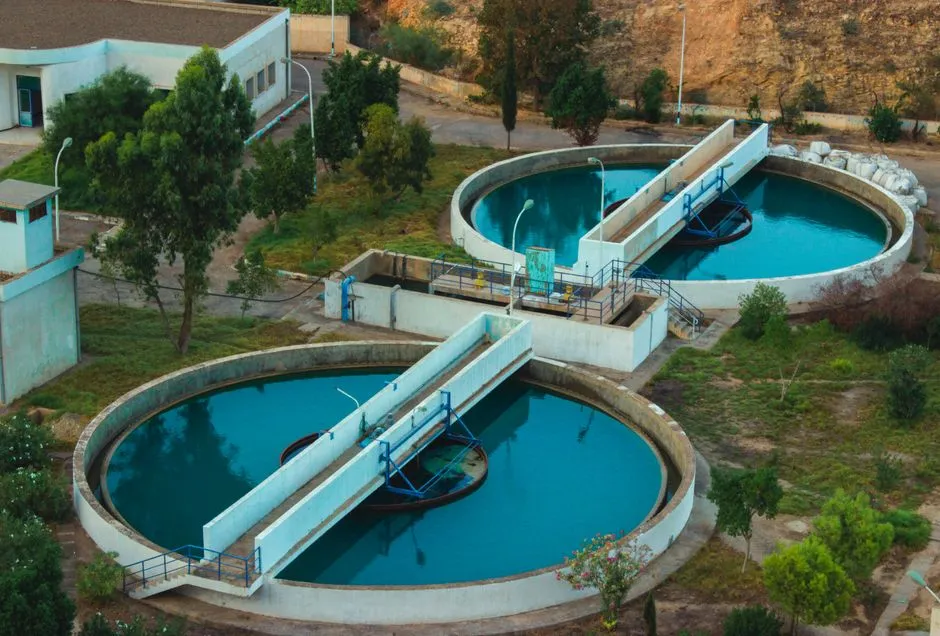
Each wastewater issue should be classified as a closing condition, specific indemnity, price adjustment, post-closing covenant, or retained operational risk. Classification depends on whether the uncertainty threatens lawful operation, creates an uncapped pre-closing liability, requires capital work, or can be managed during a defined transition period.
Permit continuity should be a closing condition where an unresolved gap could prevent lawful operation. The agreement should require seller disclosure and indemnity for pre-closing exceedances, contamination, omitted monitoring data, permit deviations, unreported spills, and outstanding enforcement matters. Where contamination or remediation is uncertain, a specific indemnity should identify the affected asset, baseline, access rights, monitoring method, and response standard rather than relying on general compliance language.
Transfer of the treatment system should be conditional. Digital Realty should obtain a wastewater equipment condition assessment that includes performance testing, maintenance review, operator qualifications, calibration, and spare-parts arrangements. The handover schedule should cover monitoring, chemical-control transition, operator training, and emergency-response responsibilities.
Market developments should be used cautiously. HydropureWater’s German hub reports 104 guides and was updated on October 28, 2026. Sweco identifies modernisation, climate resilience, ageing infrastructure, and stricter EU requirements as drivers for German water-sector investment. Neither source establishes the condition of the acquired plant or replaces a site-specific audit. Where chemical dosing changes are proposed, the coagulant dosing-system design criteria provide a useful technical check, but compatibility with the existing wastewater chemistry must be demonstrated.
Frequently Asked Questions
What is the wastewater budget for acquiring this German plant?
The supplied research contains no verified acquisition-specific budget for Digital Realty. Request a staged estimate based on the site permit, sewer agreement, wastewater characterization, verified flow data, and treatment-condition assessment. It should separate permit-transfer costs, monitoring and laboratory work, immediate repairs, compliance upgrades, and long-term operating costs.
How should wastewater treatment equipment be sized?
Size from verified flow, contaminant loading, and reuse requirements rather than a generic data-centre assumption. Obtain the stream map, operating records, laboratory data, and treatment performance tests before comparing a DAF wastewater treatment system or an integrated MBR wastewater treatment system with the existing treatment train.
How should Digital Realty select a wastewater treatment supplier?
Request demonstrated German regulatory experience, site-specific references, performance guarantees, commissioning evidence, operator training, spare-parts support, and a clear allocation of wastewater performance risk. Supplier suitability depends on the characterized wastewater and the receiving authority’s requirements, not only on catalogue capacity.
Is a permit review the same as an equipment quotation?
No. The permit and sewer review establishes whether Digital Realty can lawfully operate and discharge under the proposed model. The equipment quotation establishes technical suitability and price. Both are required, and neither should be used to substitute for the other.