Why Domestic Sewage Treatment in Indonesia Needs a Localized Approach
Domestic sewage treatment in Indonesia must account for the country’s large grey-water stream, widespread septic-tank use, and limited centralized sewer coverage. A 2022 review found that grey-water quantity was one to four times higher than black-water quantity, while untreated grey-water quantity was three to six times higher than untreated black-water quantity. For projects without reliable sewer access, decentralized wastewater treatment systems are often the practical starting point. Common routes include community DEWATS, A/O package plants, and MBR systems; selection depends on wastewater composition, daily flow, land availability, effluent targets, reuse needs, operations capability, and local discharge requirements.
Black water comes from toilets and carries a relatively concentrated organic, nitrogen, and phosphorus load. Grey water includes wastewater from sinks, showers, and laundry. It generally has lower organic concentrations, but its larger volume means that uncontrolled discharge can still degrade groundwater, surface water, and aquatic life. Treating a mixed domestic stream therefore requires more than a single treatment step: biological treatment, solids separation, nutrient management, and disinfection may all be relevant.
The Indonesia-specific review published in 2022 identified suspended solids, biochemical oxygen demand, chemical oxygen demand, oil and grease, nitrogen, and coliforms as parameters of concern. These parameters should become explicit sampling and equipment-screening requirements rather than allowing a supplier to substitute generic “domestic sewage” assumptions.
Its baseline is historical rather than a live 2026 measurement: it used BPS 2021 population data and FAO 2021 wastewater-capacity estimates. That distinction matters. Imported or regional averages can support early screening, but they cannot replace project-specific flow measurements, wastewater analysis, site inspection, and confirmation of applicable Indonesian discharge or reuse requirements. For biological treatment concepts, the MBBR design and buying guide provides a useful adjacent reference, but the route still has to follow the wastewater stream and project scale.
Indonesia’s Wastewater Baseline and the Decentralization Challenge
Centralized treatment capacity was historically small relative to the wastewater generated in Indonesia, making decentralized treatment a relevant feasibility question rather than a fallback assumption. The 2022 review reported 153 million urban residents and 117 million rural residents using BPS 2021 data. It also cited FAO 2021 estimates of 14.3 km³/year for total urban domestic, commercial, and industrial wastewater plus stormwater runoff, compared with 0.3 km³/year of municipal wastewater treatment capacity. These are documented historical figures, not a statement of the infrastructure position in 2026.
Based on BPS 2019 data summarized in the review, 79% of black water was treated in septic tanks, while only 1% of households were connected to centralized or communal sewerage systems treating both black and grey water. Centralized systems were reported in 12 cities. In parallel, the SANIMAS sanitation by community program had more than 15,000 DEWATS units in 26 provinces and typically served 20–50 households through a simplified sewer network.
The planning implication is straightforward. If a proposed site lacks dependable sewer access, assess on-site or community-scale treatment against the municipal discharge route. This does not mean decentralized systems are automatically preferable: sewer reliability, receiving-water constraints, land, operating capability, and the intended effluent use still determine the appropriate route.
| Historical baseline reported in the 2022 review | Reported scope | Engineering implication |
|---|---|---|
| 153 million urban and 117 million rural residents | BPS 2021 data summarized in the 2022 review | Demand planning must distinguish urban and rural contexts rather than apply one national occupancy assumption. |
| 14.3 km³/year generated versus 0.3 km³/year treated | Urban domestic, commercial and industrial wastewater plus stormwater; FAO 2021 estimates | On-site and decentralized treatment can form part of the service solution where sewer access is limited. |
| 79% of black water treated in septic tanks; 1% connected to centralized or communal systems treating both streams | BPS 2019 data summarized in the review | Source separation, septic-tank servicing, grey-water treatment, and downstream disposal must be evaluated as linked obligations. |
| More than 15,000 DEWATS units in 26 provinces | SANIMAS figures reported in the 2022 review | DEWATS is an established community-scale option, but local implementation still requires site-specific design. |
For developers comparing package approaches, the packaged sewage treatment plant selection framework can support early option screening. It should not replace an Indonesian feasibility study or site-specific flow and load analysis.
Which Treatment Route Fits the Wastewater Stream?
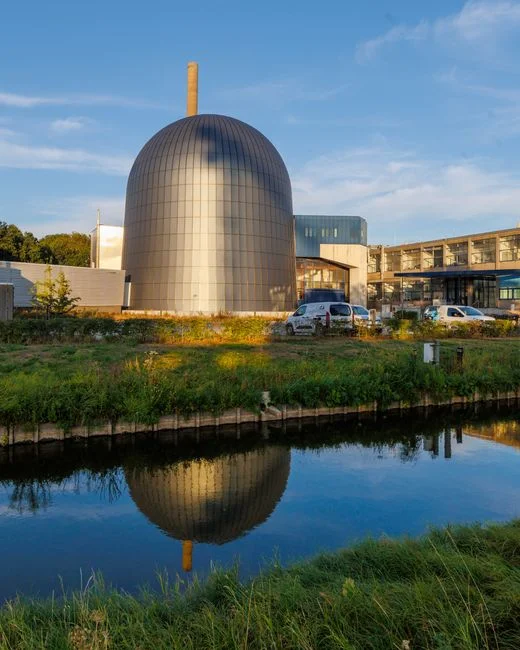
Wastewater stream separation determines the treatment logic. For black water, evaluate source separation, septic-tank performance, downstream treatment, and sludge or septic-tank emptying as one linked system. A septic tank cannot be treated as an isolated collection vessel: poor maintenance or an unsuitable downstream route can undermine the intended treatment performance.
For grey water, direct discharge cannot be assumed acceptable. The 2022 review reports that untreated grey water can reach groundwater and surface water and deteriorate water quality and aquatic life. Relevant treatment requirements depend on the intended destination, but the buyer must identify whether the effluent will enter a drain, water body, irrigation system, or another reuse route before selecting equipment.
For mixed domestic sewage, the selected route should demonstrate how it handles organic load, solids separation, nutrients, and disinfection. Biological contact oxidation addresses the biological stage; A/O arrangements can provide anoxic and aerobic treatment; membrane filtration introduces a physical solids-separation barrier. These functions should be considered together with sludge management, not as independent product features.
| Stream or project condition | First screening decision | Questions the design must resolve |
|---|---|---|
| Black water | Define collection, septic treatment, downstream treatment, and emptying arrangements as one system. | How is the collected solids stream removed and handled? Which treatment step is performed onsite? Where is the final discharge? |
| Grey water | Do not assume direct discharge is acceptable. | What are the flow and pollutant concentrations? Is the destination environmental discharge or domestic wastewater reuse? |
| Mixed domestic sewage | Match biological treatment, solids separation, nutrient management, and disinfection to the required outcome. | How are hydraulic and organic peaks handled? Where do sludge and membrane rejects go? |
The review’s per-capita estimates help frame screening only. It estimated black-water discharge at 36–43 l/c/d in urban areas and 18 l/c/d in rural areas. Grey-water generation was estimated at 42 l/c/d in urban slums, 137–153 l/c/d in urban middle-class residential areas, and 50 l/c/d in rural areas. These values are review-based estimates, not measurements for a specific estate, hotel, hospital, or commercial site.
Specify a sampling and flow-monitoring program before final sizing. Include representative operating periods, occupancy variations, wet-weather effects where relevant, and the operating hours of communal facilities. The MBR membrane bioreactor for domestic sewage and underground A/O package sewage treatment plant routes should then be assessed against measured or defensibly projected site flows and loads, rather than national averages alone.
Compare DEWATS, A/O Package Plants, and MBR Systems
DEWATS, A/O package plants, and MBR systems serve different project conditions and should not be ranked without defining flow, land, automation, effluent, and reuse objectives. DEWATS is the community-scale route demonstrated by SANIMAS, which the 2022 review reported as covering more than 15,000 units in 26 provinces and typically serving 20–50 households through a simplified sewer network.
The supplied WSZ product information describes an underground A/O package sewage treatment plant combining anoxic/aerobic biological contact oxidation, sedimentation, and disinfection in a buried package, with a stated capacity of 1–80 m³/h. Its installation arrangement can reduce the visible surface occupied by the treatment unit, but excavation, access, loading, odour control, groundwater, and maintenance arrangements still require project engineering.
The supplied MBR information describes activated-sludge treatment combined with submerged PVDF membrane filtration below 1 μm, a stated capacity of 10–2,000 m³/day, and a footprint stated to be 60% smaller than conventional systems. The MBBR design and buying guide can help distinguish biological-contact and membrane-related requirements, while the MBR option remains relevant where compactness and membrane-based solids separation justify the additional process and maintenance considerations.
| Decision item | Community DEWATS | WSZ A/O package | MBR |
|---|---|---|---|
| Project scale | Community scale; SANIMAS typically served 20–50 households according to the 2022 review. | Stated capacity 1–80 m³/h in the supplied product description. | Stated capacity 10–2,000 m³/day in the supplied product description. |
| Process configuration | Requires a site-specific decentralized process and simplified sewer arrangement. | Anoxic/aerobic biological contact oxidation, sedimentation, and disinfection in one buried package. | Activated sludge with submerged PVDF membrane filtration below 1 μm. |
| Land and installation | Requires space for community collection, treatment, and sludge-management arrangements. | Can be installed below grade, with landscaping above. | Stated footprint is 60% smaller than conventional systems. |
| Automation | Define operating responsibility and monitoring arrangements for the selected design. | Product description states fully automated operation; site duties must still be assigned. | Confirm control philosophy, alarms, membrane maintenance, and attended requirements in the quotation. |
| Effluent and reuse | Assess against the specific site outcome and applicable requirements. | Do not assume automatic compliance; verify through design and commissioning evidence. | Compactness and membrane separation may support constrained sites, but reuse suitability depends on the complete treatment train and required outcome. |
No technology should receive a universal compliance claim. The required result depends on site characteristics, design loading, applicable Indonesian requirements, and final commissioning evidence. Every quotation should therefore state the capacity basis, duty cycle, process guarantee, footprint, sludge-handling concept, control philosophy, monitoring scope, commissioning tests, training, and maintenance obligations.
Turn Project Requirements into an Equipment Selection Framework
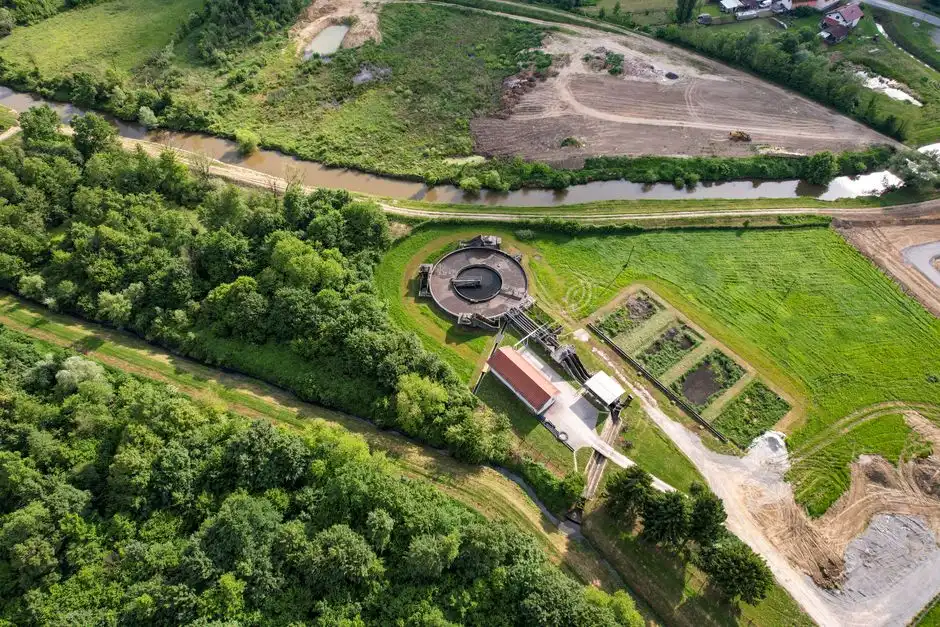
A defensible equipment shortlist starts with the wastewater streams and discharge points, not with a preferred brand or process name. Use the same project basis to compare DEWATS, A/O package plants, and MBR systems, then make omissions visible because an unresolved item can change both price and technical suitability.
- Define the streams. Identify whether the project handles black water, grey water, or mixed domestic sewage. Mark every collection point, treatment boundary, discharge point, sludge route, and intended reuse point.
- Establish the flow basis. Use meter data where available and supplement it with occupancy, operating hours, fixture counts, and seasonal variation. Do not size the plant from the 2022 review’s per-capita estimates alone.
- Sample the wastewater. Request analysis covering suspended solids, biochemical oxygen demand, chemical oxygen demand, oil and grease, nitrogen, and coliforms because these were the parameters of concern identified in the 2022 review. Add project-specific parameters where the discharge or reuse route requires them.
- Define the required outcome. Distinguish direct discharge, environmental discharge, irrigation, toilet flushing, or another domestic wastewater reuse objective. Verify applicable site requirements with the responsible Indonesian authorities.
- Normalize supplier proposals. Compare nominal and peak flow, process stages, automation, footprint, installation method, sludge management, monitoring, training, commissioning, and after-sales support against the same design basis.
- Confirm delivery and site readiness. The supplied research contains no Indonesian pricing or delivery lead-time data. Require project-specific quotations and delivery schedules rather than accepting generic market claims.
| Supplier information to request | What the response should demonstrate |
|---|---|
| Design and capacity basis | Average and peak flow, design load, duty cycle, and the wastewater characteristics used. |
| Process and performance basis | Treatment stages, stated outcome, process guarantee, test method, and commissioning acceptance criteria. |
| Installation and site interface | Footprint, excavation or buried works, access requirements, utilities, and discharge and sludge connections. |
| Operations and handover | Automation philosophy, alarms, routine tasks, training, commissioning, spare parts, and after-sales responsibility. |
| Commercial schedule | Project-specific price, payment milestones, delivery date, commissioning date, and exclusions. |
For the operations portion of the brief, use the wastewater preventive maintenance checklist to identify inspection, monitoring, servicing, and handover requirements before comparing bids.
Operation, Maintenance, and Effluent-Monitoring Requirements
Black-water treatment relying mainly on on-site systems can be inadequate because the 2022 review identified limited quality control over infrastructure, operation, and maintenance. Equipment procurement therefore needs an assigned operating model: who inspects the plant, who responds to alarms, who removes sludge or septic-tank contents, and who verifies results?
Require the supplier and owner to define a training plan, routine inspection schedule, sludge-removal method, spare-parts list, alarm strategy, and response process for poor performance. The supplied WSZ product description states fully automated operation, but automation does not eliminate site duties. Confirm the remaining tasks, their frequency, the required competence, and the escalation route.
Monitoring should follow process risk. Suspended solids and process stability affect solids separation; organic-load indicators affect biological treatment; nutrients affect reuse and receiving-water planning; and coliform results relate to disinfection performance. The exact sampling frequency and compliance method must be tied to the site’s Indonesian requirements rather than invented from a generic package schedule.
Before handover, require evidence that demonstrates installation completion, process readiness, operator training, baseline operating records, sludge arrangements, and commissioning tests against the agreed performance criteria. If domestic wastewater reuse is planned, verify the relevant site-specific requirements and the required water-quality evidence. A process guarantee in a quotation is not a substitute for commissioning and site acceptance.
Frequently Asked Questions
Is decentralized treatment suitable for Indonesian residential communities?
Yes, when sewer access, local conditions, and operating capability support it. The 2022 review reported more than 15,000 DEWATS units under SANIMAS across 26 provinces, typically serving 20–50 households through a simplified sewer network. This demonstrates an established community-scale approach, but each project still needs site-specific collection, treatment, sludge-management, and discharge design.
How should a sewage treatment system be sized?
Base the design on site-specific flow monitoring, occupancy, operating hours, and wastewater sampling, using national per-capita estimates only as screening context. For equipment selection, request the supplier’s capacity basis, peak-flow assumptions, duty cycle, design loads, and performance criteria so that different proposals can be compared consistently.
How should an A/O package plant be compared with MBR?
Compare the complete project requirements rather than the technologies in isolation. An underground A/O package sewage treatment plant combines biological contact oxidation, sedimentation, and disinfection in a buried unit, while MBR adds membrane-based solids separation. Ask each supplier to document footprint, installation, automation, membrane or solids maintenance, energy requirements, and the relationship between those features and the required effluent outcome.
What should a buyer request before approving price and delivery?
Request a project-specific quotation and schedule rather than relying on generic pricing or delivery estimates, because the supplied research provides no Indonesian lead-time or price data. The commercial offer should be linked to the agreed flow and load basis and clearly identify supply scope, commissioning, training, maintenance, exclusions, payment milestones, and delivery dates.