Determine Which Discharge Requirements Apply
Plants near Vancouver that discharge to a municipal sewer generally must characterize each wastewater stream, meet the sewer authority’s pretreatment limits, and document compliance. For primary nonferrous-metals facilities, EPA’s 40 CFR Part 421 provides the applicable industrial framework, while the sewer permit and local limits control the discharge. EPA identifies hydroxide precipitation and evaporation as the treatment processes most directly associated with primary nonferrous metals; hydroxide precipitation creates metal-bearing solids that can potentially return to a smelting furnace. Semiconductor plants commonly need physical pretreatment to remove suspended solids, oils, grease, and precipitated by-products, with ultrafiltration identified as an applicable technology. Actual limits, treatment selection, and permit conditions must be verified for each facility.
EPA defines a direct discharger as a point source discharging pollutants to waters of the United States and an indirect discharger as a facility discharging pollutants to a publicly owned treatment works, or POTW. The distinction determines which regulatory route applies. The EPA nonferrous-metals manufacturing effluent guidelines explain that 40 CFR Part 421 regulations are incorporated into NPDES permits for direct dischargers, while indirect dischargers are addressed through POTW pretreatment programs.
Part 421 covers wastewater discharges from a wide range of metal-manufacturing facilities and applies across 31 subcategories. EPA says the NAICS listing is only a guide; precise coverage depends on the applicability provisions in 40 CFR Part 421. EPA’s current page also says the NFMM regulations were initially promulgated in 1974-1976 and revised during 1980-1990. The 1980 EPA-600/2-80-074 report is therefore technical historical context, not the current legal standard.
| Question | What controls the answer | Document to obtain |
|---|---|---|
| Is the discharge direct or indirect? | Identify the final receiving point and whether pollutants reach waters of the United States. | Site drainage map and discharge authorization |
| Does the facility fall within a regulated subcategory? | Check processes, raw materials, production methods, and Part 421 applicability provisions—not the NAICS label alone. | Process description and applicable 40 CFR Part 421 subcategory |
| What sewer restrictions apply? | The POTW’s industrial discharge permit, local limits, monitoring rules, and control-measure requirements control the indirect discharge. | Current industrial discharge permit, sewer-use ordinance, local limits, and approved-equipment requirements |
| How must compliance be demonstrated? | Obtain the applicable monitoring points, frequencies, sampling protocol, analytical methods, and compliance periods. | Monitoring plan, sampling protocol, and permit correspondence |
For a Vancouver site, the permittee should request the current industrial discharge permit, local limits, monitoring frequency, sampling protocol, and any approved-equipment or control-measure requirements before selecting a treatment train. A semiconductor acquisition wastewater due-diligence checklist is useful for identifying the documents to collect, but the Vancouver POTW’s current rules must supply the site-specific requirements.
Map Wastewater by Source and Contaminant
Nonferrous-metals and semiconductor wastewater should be mapped as separate streams before equipment is selected. EPA distinguishes primary metals manufacturers, which extract metals from ores and operate smelters, from secondary manufacturers, which process recycled or scrap metals. The same processes may generate wastewater with different contaminants, so the inventory must follow each process line and collection point rather than rely on a plant-wide average.
EPA identifies smelter furnace and filtration residues, rinsing of materials, spent solutions, equipment cooling, and air-pollution controls such as wet scrubbers as typical NFMM wastewater sources. For a Vancouver smelter, each of those sources should be recorded with its flow, generation pattern, pH, metal constituents, suspended solids, and origin of each solid residue. Wet-scrubber wastewater should not automatically be combined with cooling water or spent solutions; its composition and sludge route may be materially different.
At a semiconductor facility, the engineer should separate process-rinse, wet-scrubber, equipment-cleaning, cooling, and wastewater-treatment reject streams. The semiconductor process-wastewater engineering review illustrates the value of tracing equipment and operating conditions at the stream level. For each stream, the characterization should cover pH, metals, suspended solids, oil and grease, conductivity, temperature, and process-specific constituents identified by the permit.
| Stream or condition | Characterization required | Design implication |
|---|---|---|
| Nonferrous furnace, filtration, and residue wash | Metals, suspended solids, pH, flow pattern, and solid origin | Determine whether precipitation and solids recovery are practical. |
| Nonferrous spent solutions and rinsing | Metals, acidity or alkalinity, conductivity, and batch generation | Evaluate equalization, pH control, precipitation, and solids separation. |
| Nonferrous wet-scrubber wastewater | Metals, solids, pH, and air-pollution-control residues | Assess compatibility with precipitation sludge and filtration. |
| Semiconductor process rinse and cleaning | Process-specific constituents, pH, conductivity, and flow variation | Separate reusable or treatable streams from high-strength rejects. |
| Semiconductor equipment cooling | Heat, cooling-water chemistry, treatment chemicals, and blowdown | Check discharge temperature and cooling-water toxicity controls. |
| Semiconductor scrubber and treatment reject | Suspended solids, oil and grease, precipitated by-products, pH, and batch loads | Evaluate physical pretreatment and a separate solids route. |
Include average flow, maximum-hour flow, batch releases, slug loads, upset conditions, and seasonal operation in the sampling plan. The supplied research provides no Vancouver-specific flow, pollutant, or sewer-limit data, so those values must come from permit records, process records, and plant measurements. Avoid combining acidic or caustic cleaners, metal-bearing precipitation sludges, oily scrubber liquor, and high-solids semiconductor waste until compatibility and downstream handling are demonstrated.
Select Treatment by Wastewater Function
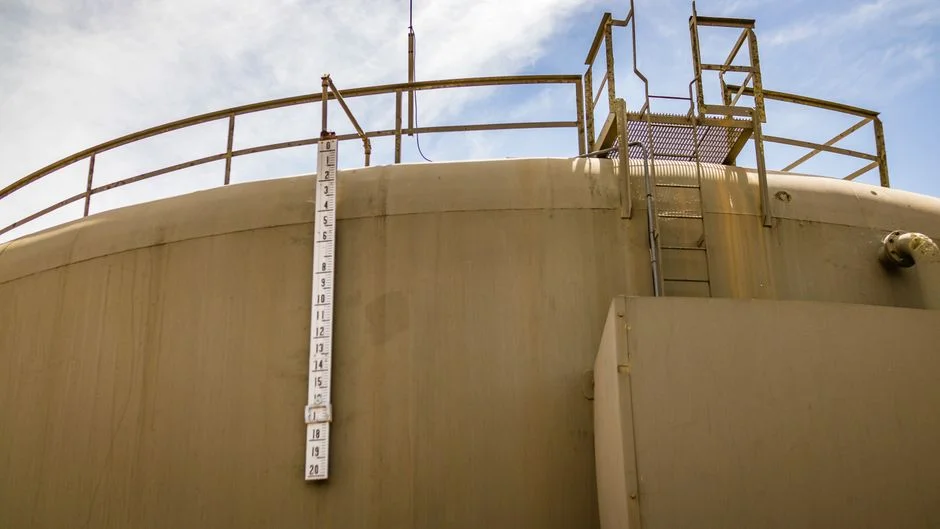
Treatment should be assigned to a contaminant-removal function: pH-reactive metals, suspended solids, oil and grease, soluble contaminants, or reuse quality. EPA-600/2-80-074, Sources and Treatment of Wastewater in the Nonferrous Metals Industry (EPA, April 1980), found hydroxide precipitation and evaporation to be commercially available and potentially applicable to the industry. That historical finding supports process screening, not a present discharge limit or guaranteed 2026 feasibility.
In hydroxide precipitation, raising pH promotes formation of metal hydroxide solids. Those solids then require reliable separation, such as clarification or filtration, and a managed sludge route. The 1980 report found the solids from hydroxide precipitation and evaporation particularly applicable to primary nonferrous metals because they could be recycled to a smelting furnace. The present project must still test the solids chemistry, recovery pathway, permit conditions, and receiving operation.
The same report found sulfide precipitation and ferrite coprecipitation applicable in some cases, but stated that they were not then applicable to the industry’s major wastewater-treatment problems. These methods should therefore be treated as historical options requiring current applicability, reagent, solids, and secondary-discharge review rather than default selections.
For semiconductor physical contaminants, the supplied semiconductor application source identifies ultrafiltration as removing oils, grease, precipitated by-products, particulate, microbes, and suspended solids. A UF system for semiconductor wastewater pretreatment can therefore be evaluated where those physical contaminants drive the design. UF does not by itself establish compliance for dissolved metals or other permit parameters.
| Wastewater function | Treatment option to evaluate | Evidence or acceptance check required |
|---|---|---|
| pH-reactive dissolved metals | Hydroxide precipitation followed by solids separation | Representative removal, pH control, sludge quantity, and recovery or disposal route |
| Suspended solids and colloids | Clarification and filtration; industrial DAF pretreatment system | Particle size, load, settleability, solids removal, and final solids handling |
| Oils, grease, and precipitated by-products | Physical pretreatment followed by UF | UF flux behavior, cleaning demand, backwash waste, and compliance demonstration |
| Soluble contaminants requiring lower concentration | RO or another polishing process | Feed chemistry, membrane compatibility, concentrate disposition, and reuse target |
| High-concentration residual stream | Evaporation or another residuals-management process | Water balance, energy demand, brine or concentrate handling, and permit review |
Do not select evaporation automatically. Although EPA-600/2-80-074 identified it as a commercially available option, a current project must evaluate the water balance, energy requirements, concentrate or brine handling, and local permit conditions. The 1980 report also evaluated treatment effectiveness, cost, energy requirements, and secondary discharges; those four checks should carry into present demonstrations.
Build the Pretreatment and Compliance Path
The compliance path should proceed from source control to verified discharge: segregate streams, equalize and control pH where required, remove contaminants with the appropriate treatment function, separate solids, and apply polishing or reuse treatment where the final permit criteria require it. Source control is the first barrier because dilution, equalization, or a general-purpose system cannot substitute for eliminating incompatible streams at their source.
- Confirm the applicable sewer permit, local limits, discharge points, monitoring requirements, and sewer-approval conditions.
- Characterize each stream and its normal, maximum-hour, batch, upset, and slug conditions.
- Establish compatible collection and segregation zones, including separate handling for high-solids, oily, acidic, caustic, and metals-bearing streams.
- Provide equalization and pH control where required by stream chemistry and permit criteria.
- Apply contaminant-specific treatment, then solids separation, polishing, or reuse treatment as required.
- Prove performance at representative hydraulic and pollutant loading before authorizing discharge.
For metal-bearing streams, evaluate precipitation followed by reliable solids separation. For semiconductor oils, grease, particulate, and precipitated by-products, evaluate physical pretreatment such as UF. A semiconductor plant pretreatment compliance guide provides a useful model for checking monitoring points and evidence, but the Vancouver permit determines the actual criteria.
During vendor demonstrations and pilot testing, ask for four results: treatment effectiveness, cost, energy requirements, and secondary discharges. These are the evaluation dimensions identified in EPA-600/2-80-074 (EPA, April 1980), and they remain useful without converting historical process findings into current limits.
Monitoring must occur at the legally required points and frequencies. Request the current permit and sewer rules for exact limits, sample preservation, analytical methods, monitoring-point definitions, and compliance periods. A performance demonstration should use representative wastewater and acceptance criteria that do not exceed the most stringent applicable sewer or permit requirement. Also require written procedures for bypasses, upsets, calibration, laboratory data validation, and corrective action.
Compare Equipment before Purchase
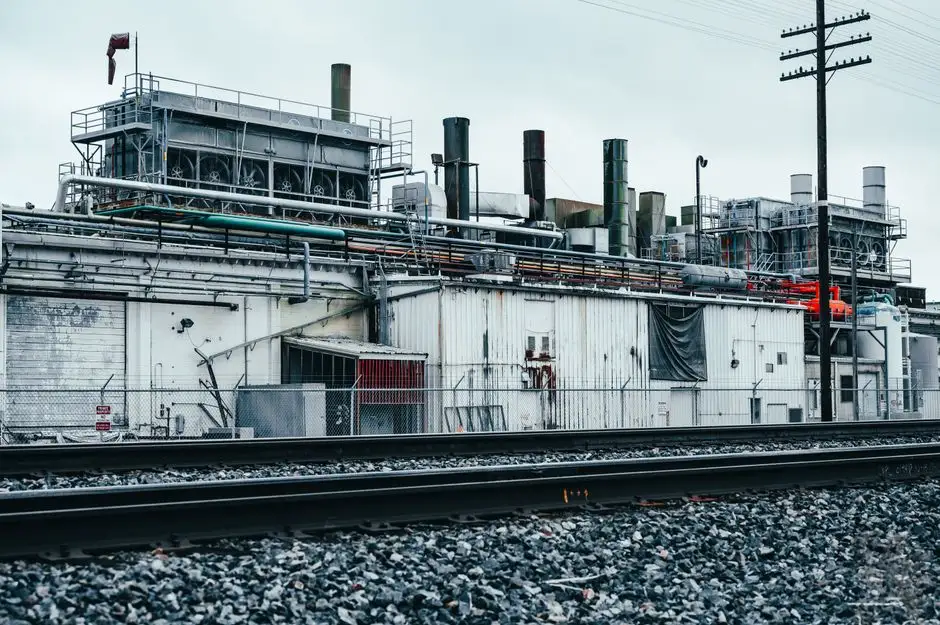
Equipment comparisons should begin with the required removal function, not the product category. DAF, UF, chemical dosing, sludge dewatering, and RO address different contaminants and create different downstream obligations. The buyer should first identify whether the objective is suspended-solids removal, oil and grease control, pH-reactive metal removal, soluble-contaminant reduction, or reuse quality.
| Equipment | Primary function | Supplier information to verify | Key project risk |
|---|---|---|---|
| DAF | Suspended solids, FOG, and colloid removal | Mass balance, solids capture, sludge route, and representative loading | Improper pretreatment or poor flotation performance can increase solids carryover. |
| UF | Removal of oils, grease, precipitated by-products, particulate, microbes, and suspended solids | Membrane material, pore size, flow range, backwash, air scour, cleaning, and feed qualification | Catalog acceptance limits may not represent plant wastewater. |
| Chemical dosing | pH control and precipitation | Control precision, reagent demand, mixing, dosing sequence, and generated sludge | Poor pH control can increase chemical use and residual-metal discharge. |
| Sludge dewatering | Recovering a manageable solids volume for the selected route | Feed characterization, polymer demand, filtrate quality, cake handling, and bypass plan | Separation may meet water limits while creating an unmanageable residual route. |
| RO | Rejection of dissolved constituents for polishing or reuse | Feed chemistry, recovery, membrane compatibility, pretreatment, and concentrate disposal | Concentrate management and pretreatment demand can govern feasibility. |
The supplied HydroPureWater catalog specifications for the UF system list 0.03 micron PVDF membranes, a 2,000-40,000 L/h flow range, automatic backwash, air scour, and stated acceptance of up to 300 ppm turbidity. These are catalog data, not a universal application guarantee or a Vancouver discharge limit. The supplied DAF specification covers 4-300 m³/h across 13 standard models; treat that as a screening range for industrial suspended-solids, FOG, and colloidal-removal applications, not as confirmed plant duty.
For chemical precipitation, compare pH-control precision, chemical demand, sludge-generation rate, downstream dewatering, and the viability of recovering or disposing of the resulting solid. Ask each supplier whether the proposed system is intended for direct sewer discharge, pretreatment at a POTW, process-water reuse, or zero-liquid-discharge polishing. Those are different performance targets. Product reviews can be used to frame the request for an automatic chemical-dosing system, plate-and-frame filter press, DAF, or UF, but acceptance must depend on the final permit and representative testing.
Assemble the Compliance Evidence File
A defensible compliance file connects legal requirements, process facts, operating records, and analytical results in one controlled record. It should contain the current industrial discharge permit, sewer authorization, local limits, process descriptions, wastewater characterization, equipment drawings, and the latest correspondence with the sewer authority. A semiconductor ETP acquisition due-diligence review illustrates why legacy operating and treatment records should be reviewed as part of the evidence package.
Retain operating data appropriate to the installed process: pH adjustment, chemical dosing, airflow, water level, backwash, filter pressure or flux, sludge removal, and bypass or upset events. The exact parameters should follow the selected process and permit rather than a generic checklist.
Include laboratory results, calibration records, chain-of-custody documentation, analytical-method records, deviation investigations, corrective actions, and signed acceptance or performance-test reports. Equipment claims or a one-time vendor test are not substitutes for demonstrating consistent compliance with the final applicable requirements. Preserve the link between each operating period, sample, analytical result, equipment condition, and any corrective action.
Frequently Asked Questions
Do the federal nonferrous-metals effluent guidelines directly set the sewer limits for a Vancouver plant?
No. EPA incorporates 40 CFR Part 421 into NPDES permits for direct dischargers, while an indirect discharger is regulated through the POTW pretreatment program. For the Vancouver discharge point, obtain the current industrial discharge permit, local limits, monitoring requirements, and approved-control-measure provisions. EPA’s current NFMM page and 40 CFR Part 421 establish federal context; they do not replace site-specific sewer requirements.
How much should a nonferrous or semiconductor pretreatment system cost?
A defensible price cannot be stated without the permit limits, stream inventory, representative wastewater analysis, required flow range, solids route, and performance criteria. Ask vendors for an itemized offer that separates equipment, installation, controls, chemical or utility demand, residuals handling, commissioning, and monitoring. Require the offer to identify which costs are firm and which depend on site conditions or regulatory approval.
Which treatment should be selected for a mixed nonferrous and semiconductor wastewater site?
Do not select one system for the combined discharge. Assign treatment functions to individual streams. Metal-bearing process water may require pH control, precipitation, and solids separation; semiconductor oily or solids-bearing water may require physical pretreatment and UF. A combined flow balance and compatibility review must then determine whether the treated streams can share final monitoring and discharge controls.
How should a buyer select and size a supplier’s equipment?
Issue a performance-based request for proposal using measured stream data, maximum-hour and batch conditions, permit limits, required monitoring points, and the required solids or concentrate route. Require each bidder to show a mass balance, sizing calculation, acceptance test, operating-control list, and treatment of worst-case loads. Confirm that the proposed configuration is intended for indirect sewer discharge, pretreatment at a POTW, reuse, or zero-liquid-discharge polishing, because these are not interchangeable performance targets.