What Altoona Controls Before a Discharge Enters the Sewer
Petroleum plants near Altoona meet sewer limits by controlling wastewater at the source, treating oily and chemical streams before discharge, preventing high-strength slugs, and proving compliance through sampling, records, and reporting. The controlling requirements come from 40 CFR Part 403, applicable federal categorical standards, and the Altoona Water Authority’s discharge permit and local limits. The practical sequence is to complete the Industrial User Survey, determine Significant Industrial User status, characterize each waste stream, segregate dirty streams, and match the train to the permit—typically oil/water separation followed by dissolved air flotation and additional polishing when required.
Federal pretreatment standards prohibit industrial discharges that cause pass-through or interference at the receiving publicly owned treatment works. Pass-through means the industrial discharge causes or increases a violation as it exits the POTW; interference means the discharge inhibits POTW treatment, operations, or sludge use and disposal and therefore causes a permit or sludge-related violation (EPA, “Pretreatment Standards and Requirements—Local Limits,” 2026). The legal target is the Altoona Water Authority’s treatment performance, sludge program, and receiving-water obligations—not a refinery-wide equipment list.
Local limits are site-specific and can be numeric or narrative requirements, including best management practices. EPA identifies local limits as controls imposed at the industrial user’s end-of-pipe discharge point, where it connects to the POTW collection system (EPA, “Pretreatment Standards and Requirements—Local Limits,” 2026). The Altoona Water Authority’s Industrial Pretreatment Program states that its requirements protect treatment operations, municipal-sludge use, and water-quality goals.
Substantive standards tell the plant what may be discharged; procedural duties tell it how to demonstrate compliance through monitoring, sampling, reporting, recordkeeping, and hazardous-materials management. Petroleum refining is addressed through categorical standards in 40 CFR Part 419. A noncategorical petroleum bulk plant instead depends on its Altoona permit, applicable local limits, and any federal requirements that apply to its actual processes. A permit condition or equipment performance claim must never be treated as interchangeable with a categorical limit.
Determine Whether the Plant Is an Altoona Significant Industrial User
Altoona’s Significant Industrial User definition is an any-one-of-four test, not a petroleum-industry shortcut. A plant is an SIU if it is subject to categorical pretreatment standards, discharges an average of at least 25,000 gallons per day of process wastewater to the sanitary sewer, contributes a process waste stream representing at least 5 percent of the POTW’s average dry-weather hydraulic or organic capacity, or is designated because it has a reasonable potential to adversely affect the collection system or treatment plant or to violate pretreatment requirements (Altoona Water Authority, “Industrial Pretreatment Program,” January 2021).
The flow threshold excludes sanitary wastewater, non-contact cooling water, and boiler blow-down wastewater. That exclusion means the plant must establish which flows genuinely are process wastewater before applying the threshold. Permit status also depends on the facility’s discharge characteristics and program administration, not simply on whether it stores or handles petroleum products.
| Altoona SIU decision path | Evidence the plant must assemble | Permit consequence |
|---|---|---|
| Categorical standards apply | Process description identifying a categorically regulated petroleum-refining operation | Evaluate 40 CFR Part 419 and the Altoona permit together |
| Average process flow is at least 25,000 gallons per day | Flow records with the exclusions identified separately | Evaluate specialized discharge-permit and SIU requirements |
| Process stream contributes at least 5 percent of average dry-weather hydraulic or organic capacity | Stream flow, pollutant load, and POTW-capacity information | Potential SIU status and enhanced regulatory attention |
| Reasonable potential to cause adverse effects or noncompliance | Operating history, slug risks, pollutant profile, and control-system performance | Potential SIU designation, sampling, inspection, and permit obligations |
For a new operation, submit the Altoona Industrial User Survey. If a Wastewater Discharge Permit is required, submit the Industrial User Permit Application. A renewal applicant should obtain the testing specified for its specific industry. These forms establish the administrative path from classification to enforceable discharge conditions.
Altoona’s program began with eight permittees in 1984. As of January 2021, it had issued 18 industrial permits, 36 waste-hauler permits, 120 food-service permits, four supermarket permits, and 19 dental-facility permits (Altoona Water Authority, “Industrial Pretreatment Program,” January 2021). That program history does not determine a plant’s current status, but it shows the Authority operates a formal permitting and monitoring program.
Treatment sizing should begin only after the permit conditions, local limits, monitoring points, and reporting format are available. The application documents are procurement dependencies: equipment selected from generic petroleum assumptions can fail to deliver the sampling access, retention time, controls, or reporting records required by the issued permit.
Characterize Petroleum Wastewater by Stream and Loading Condition
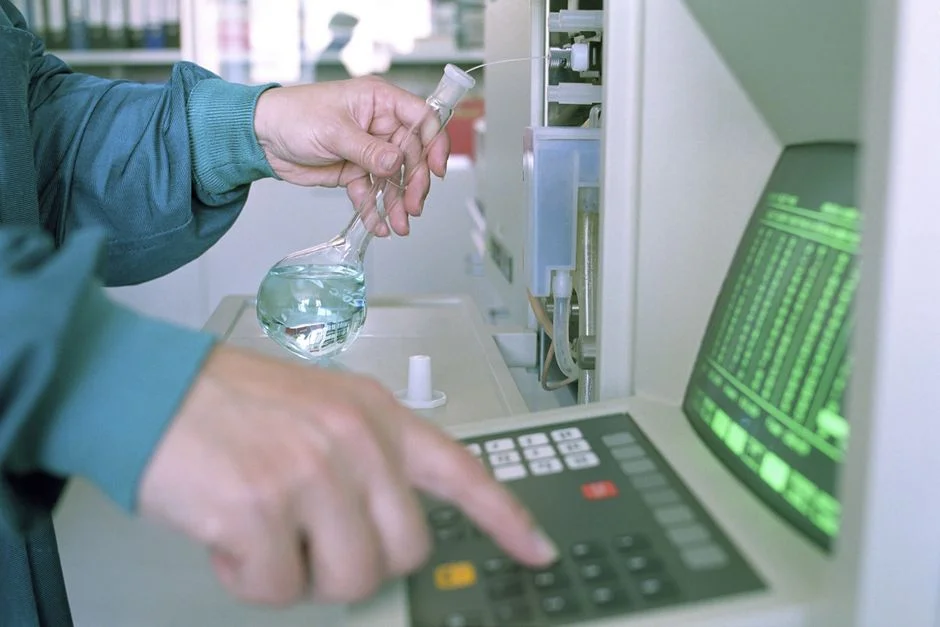
Characterization must separate the plant’s waste streams because oil form, contaminants, and slug behavior differ by source. A petroleum bulk plant commonly has tank-bottom water, API or coalescer dumps, loading-rack drip, vehicle-wash water, hydrostatic-test water, and contaminated stormwater. A refinery or process plant may also have desalter brine, spent caustic, sour-water bottoms, tank draw, ballast water, and oily utility water. These streams should not be blended into one generic flow before the plant’s actual routing and loading pattern are understood.
Free oil and bottom sludge commonly dominate tank-bottom water. Loading-arm drip generally carries free oil. Wash-rack wastewater can contain emulsified oil because detergents and operational turbulence can produce small droplets. Refinery streams add other challenges: spent caustic can introduce high pH, sulfides, and phenols; sour-water bottoms can contribute dissolved hydrogen sulfide and ammonia; desalter brine can contain emulsified oil, salts, and trace metals. The relevant issue is not the presence of a pollutant in a process description, but whether it reaches the permitted discharge point in a concentration or mass load that can cause pass-through or interference.
| Stream or condition | Principal characterization questions | Design use |
|---|---|---|
| Tank-bottom water | Free oil, sludge, suspended solids, droplet distribution, dump volume | Primary separation, DAF loading, slug volume and duration |
| API or coalescer dump | Oil mass, solids, release rate, duration, downstream diversion capacity | Primary separator, equalization, DAF surge capacity |
| Loading-rack drip | Free oil, throughput, drip rates, containment performance | Source control and primary separation |
| Vehicle-wash water | Emulsification, droplet size, detergents, suspended solids, pH | DAF or equivalent flotation; demulsification testing |
| Hydrostatic-test water | Oil, additives, pH, volume and discharge timing | Permit review, segregation, and treatment route |
| Contaminated stormwater | Source area, oil, solids, rainfall or operational flow pattern | Segregation, containment, and peak-flow design |
| Refinery process streams | Salts, sulfides, phenols, ammonia, pH, BTEX, and oil | Equalization, pH control, and polishing selection |
Equipment selection needs average and peak flow, slug frequency and duration, oil droplet-size distribution, emulsification, suspended solids, pH, sulfide, phenol, ammonia, BTEX, and the location of every discharge point. These are source-characterization inputs, not automatically enforceable permit parameters.
For petroleum bulk-plant design, the supplied engineering reference states that peak instantaneous flow can be three to five times the daily mean and cites at least 30 minutes of residence time at peak flow for API units (HydropureWater, “How U.S. Petroleum Bulk Plants Meet Pretreatment Limits Before Sewer Discharge,” 2026). These are engineering references, not Altoona permit limits. A buyer should require the vendor to state the peak-flow and residence-time basis explicitly.
Build a Pretreatment Train That Controls Both Concentration and Slugs
A defensible treatment train follows this sequence: source segregation, primary oil/water separation, dissolved air flotation or equivalent flotation, equalization and pH control, biological or adsorptive polishing if required, then monitoring and authorized discharge. Equipment selection should follow the waste stream and the permit, rather than applying flotation or membrane treatment to every discharge indiscriminately.
API separators, corrugated-plate interceptors, and coalescers remove free oil before more sensitive downstream processes. They are necessary controls when dumps or tank drops can release concentrated oil, but physical separation alone may not remove emulsified oil effectively. A dissolved air flotation system is appropriate when characterization shows emulsified oil, FOG, suspended solids, or colloidal material after upstream free-oil control. The supplied DAF range is 4–300 m³/h across 13 standard models (HydropureWater, petroleum pretreatment guidance, 2026).
Equalization and pH control belong where the plant has high-flow, high-pH, sulfide-bearing, or slug-prone streams. These functions reduce shock loading to downstream treatment and to the POTW. A site without biological polishing still needs enough containment and diversion capacity to prevent an off-line release from passing directly to the sewer.
Biological or other polishing is conditional. It is warranted when the issued permit and influent data require additional treatment, not because a particular unit is available. An MBR can provide biological treatment and a membrane solids barrier for applicable industrial-wastewater or reuse duties; it is not a universal answer for petroleum bulk-plant wastewater. For a narrower comparison, see MBR versus conventional activated sludge for petroleum wastewater.
| Observed condition or permit need | Process step to evaluate | Procurement evidence required |
|---|---|---|
| Free oil from dumps or tank drops | Source segregation, API separator, CPI, or coalescer | Droplet-removal curve, verified peak capacity, skimming and sludge access |
| Emulsified oil, FOG, suspended solids, or colloidal matter | Dissolved air flotation system | Wastewater-specific loading, recycle rate, solids handling, controls, and performance test |
| High-flow, pH, sulfide, or slug shocks | Equalization, diversion, pH control, and interlocks | Usable working volume, mixing, control sequence, and worst-case event response |
| Jar tests show pH adjustment or demulsification is necessary | PLC-controlled chemical dosing system | Verified chemical type, metering range, storage, compatibility, and interlocks |
| Permit requires biological or high-quality polishing | MBR or another justified polishing process | Influent basis, solids-retention strategy, footprint, utilities, and performance guarantee |
The supplied oilfield-service DAF references use surface hydraulic loading of 2–5 gpm/ft² and a 20–30% air-to-solids safety margin (HydropureWater, petroleum bulk-plant pretreatment guidance, 2026). They are sizing references, not Altoona conditions. Final selection must be vendor-verified against actual wastewater, peak loads, and the permit.
Chemical dosing should enter the train only where jar testing demonstrates a need for pH adjustment, demulsification, coagulation, or flocculation. PLC-controlled dosing improves repeatability, but a chemical dose should not be specified without site data. For a broader process context, review rinse wastewater treatment process and cost guide.
Turn the Permit into Monitoring and Operating Controls
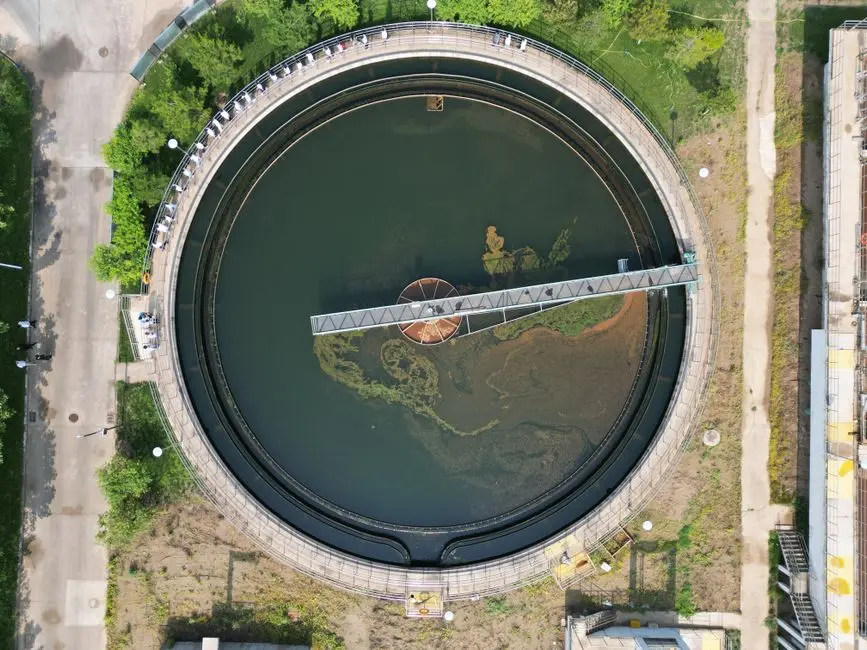
The issued permit determines the enforceable monitoring program. Before purchasing equipment, verify every parameter limit, monitoring frequency, sample type, sampling point, reporting schedule, inspection requirement, and record-retention obligation. Local limits apply at the industrial user’s connection to the POTW collection system (EPA, “Pretreatment Standards and Requirements—Local Limits,” 2026), and a discharge permit may add limits for specific pollutants and operating conditions.
A representative monitoring program can include flow-proportional composites when required, accessible and safely operated sampling taps, calibrated flow measurement, analyzer calibration, and documented chain of custody. The sample type matters: a grab sample, time-proportional composite, and flow-proportional composite answer different questions. The permit and laboratory instructions must control the method.
Connect treatment equipment to permit risk. Use oil-in-water and pH instrumentation where required, automatic skimming, level controls, and pump interlocks. A high-flow or high-concentration response should have a defined operating state that protects the permit—for example, diversion to a contained basin—rather than relying on an operator to make an ad hoc decision during the slug.
The slug-control plan should cover loading operations, tank transitions, coalescer dumps, bypasses, notification procedures, and the response to each identified release path. Federal provision 40 CFR 403.8(b)(4) is the slug-control provision identified in the supplied pretreatment research (HydropureWater, “How US Petroleum Plants Meet Pretreatment Limits Before Sewer Discharge,” 2026). Training records should show that operators understand both the plan and the equipment interlocks that support it.
After an accidental discharge, preserve the event sequence, notify the required parties, conduct a root-cause analysis, implement corrective action, and revise the prevention measures. The exact reporting window must be checked in the Altoona permit and applicable rules; it should not be assumed from a general industry article. Trend each self-monitoring result against flow, operating state, bypass status, and corrective actions so an excursion is not merely averaged away.
Choose Pretreatment Equipment by Permit Risk and Operating Conditions
Select a complete treatment train, not a single device from a generic parameter table. The governing combination is the most restrictive applicable permit condition, verified peak loads, wastewater chemistry, and the operating staff’s ability to maintain the system. A lower equipment price does not offset a permit exceedance, failed performance test, or unusable compliance record.
Evaluate DAF when characterization shows emulsified oil, FOG, suspended solids, or colloidal matter after adequate upstream free-oil control. Compare the supplied 4–300 m³/h range, automatic skimming, footprint, controls, and included ancillaries. Evaluate automatic chemical dosing when testing demonstrates a need for pH adjustment or demulsification; compare metering accuracy, PLC integration, chemical storage, maintenance, and operator workload.
Evaluate MBR where biological polishing, high-quality industrial effluent, or reuse is required and the site has an appropriate footprint and solids-handling plan. The supplied product information specifies PVDF membrane filtration below 1 μm, a footprint 60% smaller than conventional systems, and a capacity range of 10–2,000 m³/day (HydropureWater, MBR product information, 2026). Those specifications require confirmation against the actual effluent duty and process design.
| Equipment option | Best-supported application | Key comparison criteria | Quotation inputs |
|---|---|---|---|
| DAF | Emulsified oil, FOG, suspended solids, or colloidal contaminants after primary separation | Verified hydraulic and solids loading, oil removal, skimming, controls, footprint, sludge withdrawal | Wastewater characterization, permit limit, peak flow, oil load, operating hours, utilities |
| Automatic chemical dosing | Verified pH adjustment, demulsification, coagulation, or flocculation need | Metering range, PLC controls, chemical compatibility, storage, maintenance | Jar-test results, chemical type, expected range, storage and safety requirements |
| MBR | Biological polishing, high-quality industrial effluent, or reuse | PVDF membrane below 1 μm, stated footprint and capacity, solids handling, controls, O&M | Influent and effluent targets, flow, load, reuse criteria, footprint, utilities, staffing |
Competitive bids should separate equipment, foundations, utilities, controls, chemical supply, installation, commissioning, training, maintenance, consumables, and performance testing. This avoids comparing a bare-equipment price with a fully installed treatment package. For a petroleum-facility expansion, ETP requirements for an expanding midstream facility illustrates why treatment scope should follow the expanded waste load.
The supplied research contains no defensible Altoona equipment or installation cost data, so a numerical budget would be misleading. Request quotes using the permit, wastewater characterization, peak-flow basis, drawings, utilities, controls, performance guarantees, and acceptance-test criteria.
Build a Compliance File That Survives an Audit
The compliance file must connect the permit to physical operations and analytical evidence. Keep the current permit, Industrial User Survey, permit application, renewal-test results, sewer map, process descriptions, wastewater characterization, vendor guarantees, as-built drawings, and equipment manuals in a controlled location. Add operating records for samples, flow, chain of custody, calibration, analyzer trends, inspections, operator training, slugs, bypasses, accidental discharges, and corrective actions.
Reconcile each reported result with the corresponding operating condition and equipment status. A compliant concentration is stronger evidence when the sampling event is traceable, flow records are credible, relevant equipment was operating, and no unexplained bypass occurred. Preserve both the raw analytical data and the calculations or laboratory reports used for reporting.
Keep revisions auditable. Equipment changes, chemical changes, routing modifications, and operating-procedure revisions should have approval records and be checked against the permit before implementation. Vendor guarantees should identify the wastewater and operating conditions on which the guarantee depends; they do not replace compliance demonstrations.
Use Altoona’s Industrial Pretreatment Program materials and program contact as the final authority for forms, renewal testing, current administration, and industry-specific requirements. The local program page lists the Industrial User Survey, Industrial User Permit Application, and renewal-testing materials (Altoona Water Authority, “Industrial Pretreatment Program,” January 2021). This article is a workflow framework, not a substitute for the current permit or Authority direction.
Frequently Asked Questions
Is a petroleum bulk plant automatically an Significant Industrial User under Altoona’s program?
No. Altoona applies four separate SIU criteria: categorical applicability, average process-wastewater discharge of at least 25,000 gallons per day, a process stream contributing at least 5 percent of average dry-weather hydraulic or organic capacity, and designation based on reasonable potential to adversely affect operations or violate pretreatment requirements (Altoona Water Authority, “Industrial Pretreatment Program,” January 2021). Submit the Industrial User Survey and document the flow exclusions and process-stream contribution. The permit and program determination establish the final status.
What equipment is usually needed to meet petroleum pretreatment limits?
Start with source control and primary separation, then use a dissolved air flotation system for emulsified contaminants that remain. Add equalization, pH control, biological treatment, adsorption, or other polishing when the permit and characterization require it. The equipment train must be sized for the verified peak and slug conditions, not only the daily average.
How should a buyer compare DAF and MBR equipment?
Compare them by function. DAF is the flotation step for oil, FOG, suspended solids, and colloidal matter; the supplied range is 4–300 m³/h across 13 standard models. MBR is a biological treatment and membrane-solids barrier for duties requiring biological polishing or high-quality effluent; the supplied information identifies PVDF filtration below 1 μm and 10–2,000 m³/day capacity. Request wastewater-specific guarantees rather than relying on headline capacity.
What is the most effective way to reduce compliance risk?
Secure the correct permit, characterize average and peak conditions, provide verified slug capacity, install monitoring and interlocks, and maintain traceable sampling and corrective-action records. A written slug-control plan should address loading, tank transitions, coalescer dumps, bypasses, and notification. Confirm the permit’s exact accidental-discharge reporting window rather than assuming a universal deadline.
What should a supplier be asked to provide before pricing treatment equipment?
Request the wastewater characterization, applicable permit limits, peak-flow basis, process-flow diagram, equipment performance guarantee, material balance, utilities and footprint, controls and interlocks, installation boundaries, O&M assumptions, operator-training scope, consumables, and FAT/SAT criteria. Ask that each bid separate equipment, foundations, utilities, controls, chemicals, commissioning, maintenance, consumables, and performance testing so the proposals can be compared on total delivered scope.