Why Entebbe Needs Advanced Sewage Treatment Equipment in 2025
In Entebbe, Uganda, selecting the right sewage treatment equipment supplier requires balancing technical performance, compliance, and cost. For example, MBR systems achieve 99% TSS removal and <10 mg/L BOD (per WHO 2024 guidelines) but cost 30-40% more upfront than conventional activated sludge systems. Local suppliers like Smart Water Systems and NSI Water offer European-manufactured components, but procurement managers must verify NEMA compliance, energy efficiency (e.g., 0.4-0.8 kWh/m³ for MBR), and after-sales support. This guide provides a 2025 decision framework with cost benchmarks, technical specs, and a vendor checklist to streamline your selection process.
A factory manager in the Entebbe Industrial Area recently faced a UGX 50 million fine after a NEMA inspection revealed that their wastewater discharge into the Lake Victoria catchment exceeded Total Suspended Solids (TSS) limits by 300%. This scenario is becoming common as the National Environment Management Authority (NEMA) accelerates its 2025 enforcement timeline. Currently, an estimated 80% of Entebbe’s untreated or poorly treated sewage flows directly into Lake Victoria, where TSS levels in industrial discharge zones often exceed 200 mg/L, far above the regulatory ceiling (NEMA 2023 report).
Entebbe’s industrial growth, particularly in food processing, textiles, and hospitality, is expanding at an annual rate of 12% according to the Uganda Investment Authority. This rapid development has rendered many "off-the-shelf" or legacy septic solutions obsolete. NEMA’s 2025 standards are stringent: Biological Oxygen Demand (BOD) must remain below 30 mg/L, TSS below 50 mg/L, and fecal coliform counts must not exceed 1,000 CFU/100mL.
Key Sewage Treatment Technologies for Entebbe’s Wastewater Challenges
Effective wastewater management in Entebbe requires a thorough understanding of available technologies. Membrane Bioreactor (MBR) technology utilizes submerged PVDF membranes with a 0.1 μm pore size to achieve 99% TSS removal and BOD levels below 10 mg/L, making it the most effective solution for Entebbe’s space-constrained lakeside developments. Because MBR systems eliminate the need for secondary clarifiers, their physical footprint is typically 60% smaller than conventional activated sludge plants. Engineering benchmarks from the EPA in 2024 indicate that MBR systems for Entebbe’s space-constrained sites operate with an energy consumption range of 0.4 to 0.8 kWh/m³, providing a high-clarity effluent suitable for non-potable reuse in irrigation or industrial cooling.
For industries dealing with high fats, oils, and grease (FOG), such as fish processing or commercial kitchens near the airport, Dissolved Air Flotation (DAF) is the primary technical requirement. DAF systems use micro-bubble technology to achieve 90-95% FOG removal and 80-90% TSS reduction. Specifically, DAF systems for Entebbe’s food processing plants operate at hydraulic loading rates of 4-8 m/h, ensuring that high-strength organic waste is pre-treated before entering the municipal grid or biological stages. In textile applications, where Chemical Oxygen Demand (COD) can exceed 1,500 mg/L due to dyes, PLC-controlled chemical dosing for textile mills is essential for administering precise amounts of Polyaluminum Chloride (PAC) or pH adjusters to destabilize contaminants.
| Technology | Primary Industry Use-Case | TSS Removal Rate | Effluent BOD Target | Footprint Requirement |
|---|---|---|---|---|
| MBR (Membrane Bioreactor) | Hotels, Hospitals, Residential Estates | >99% | <10 mg/L | Very Low (0.5 m²/m³/day) |
| DAF (Dissolved Air Flotation) | Food Processing, Meat Packing | 80-90% | <100 mg/L (Pre-treatment) | Moderate (0.3 m²/m³/day) |
| Activated Sludge (CAS) | Municipal Projects, Large Scale | 85-90% | <30 mg/L | High (1.5 m²/m³/day) |
| Chemical Dosing + SBR | Textiles, Laundry, Manufacturing | 90-95% | <25 mg/L | Moderate |
Technical Specs: What to Demand from Entebbe Suppliers
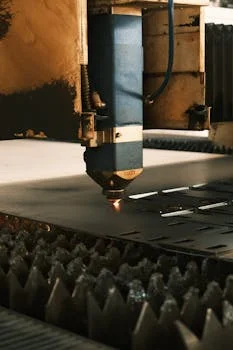
NEMA compliance certification is the first non-negotiable parameter for any sewage treatment equipment supplier in Entebbe, requiring verified test reports from NEMA-accredited laboratories such as the Uganda National Bureau of Standards (UNBS). These reports must confirm that the equipment can consistently maintain BOD <30 mg/L and TSS <50 mg/L under peak load conditions. Procurement managers should also demand energy efficiency data; for instance, high-quality MBR systems for Uganda’s wastewater challenges should not exceed 0.8 kWh/m³, while DAF systems should operate below 0.3 kWh/m³.
Automation and sludge management are often overlooked but are critical for long-term operational viability. Systems equipped with PLC-controlled interfaces and SCADA integration can reduce manual operator costs by up to 40% (World Bank 2023 study) and provide real-time alerts for membrane fouling or chemical depletion. Since NEMA prohibits the discharge of wet sludge into the environment, suppliers must include dewatering solutions. A plate and frame filter press or similar screw press should be integrated to produce a cake with 20-30% dry solids, significantly lowering the volume and cost of sludge disposal at municipal landfills.
Cost Breakdown: Sewage Treatment Equipment in Entebbe (2025)
Capital expenditure (Capex) for sewage treatment plants in Entebbe currently ranges from $1,200 to $1,800 per m³/day for MBR systems and $800 to $1,500 per m³/day for DAF-based industrial systems, according to the Uganda Water and Sanitation Development Facility 2024 benchmarks. While these figures represent the equipment cost, civil works—including excavation, tank construction, and piping—typically add another 30% to 50% to the total project budget. To accurately compare Entebbe’s costs with regional benchmarks, facility managers must look beyond the initial purchase price to the total cost of ownership over a 10-year lifecycle.
Operational expenditure (Opex) is dominated by energy (40-50%) and chemical costs (20-30%). For a 100 m³/day MBR system, annual Opex is estimated at $12,000, covering power, membrane cleaning chemicals, and routine maintenance. However, the Return on Investment (ROI) becomes clear when factoring in the avoidance of NEMA fines (up to UGX 50M per violation) and the potential for water reuse. In industrial settings, reusing treated effluent for floor washing or cooling can save approximately UGX 1,500 per m³ compared to purchasing municipal water, often resulting in a payback period of 3.5 to 5 years.
| Cost Category | MBR System (100 m³/day) | DAF System (100 m³/day) | Conventional Sludge (100 m³/day) |
|---|---|---|---|
| Equipment Capex | $120,000 - $180,000 | $80,000 - $150,000 | $60,000 - $100,000 |
| Annual Opex | $12,000 - $15,000 | $8,000 - $11,000 | $14,000 - $18,000 |
| Civil Works (%) | 30% | 40% | 60% |
| NEMA Permitting | $2,000 - $5,000 | $2,000 - $5,000 | $2,000 - $5,000 |
| Payback Period | 4.2 Years | 3.8 Years | 6.5 Years |
Top 5 Sewage Treatment Equipment Suppliers in Entebbe (2025)
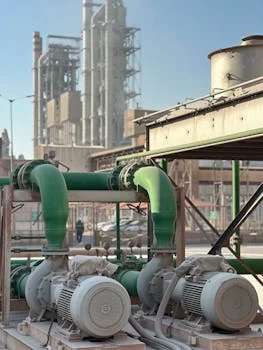
When selecting a sewage treatment equipment supplier in Entebbe, consider their technical expertise and local support capacity. Leading vendors often source high-end European or Chinese components, but their ability to provide NEMA-certified installations is the true differentiator. Smart Water Systems is recognized for utilizing European components in their MBR and DAF configurations, though their portfolio in Entebbe is currently limited to approximately three major confirmed projects. NSI Water stands out for its specialized team and its ability to design solar-integrated systems for off-grid sites, though their Capex is generally 15-20% higher than the market average.
For budget-conscious projects, Water and Power Equipment Uganda Ltd offers competitive pricing on DAF systems, although they may lack the advanced PLC-controlled chemical dosing setups required for complex textile effluents. Davis and Shirtliff remains the regional leader with the most extensive after-sales network in Uganda, including a 24/7 call center, though their focus has traditionally been on conventional treatment rather than high-efficiency MBR. Finally, Delight Water Solutions provides entry-level pricing but often utilizes polypropylene membranes with a shorter 2-year lifespan compared to the 5-7 years expected from industrial-grade PVDF membranes.
| Supplier | NEMA Compliance Score | Capex Value | After-Sales Support | Technical Specialty |
|---|---|---|---|---|
| Smart Water Systems | 4/5 | 3/5 | 4/5 | MBR & DAF |
| NSI Water | 5/5 | 2/5 | 4/5 | Solar-Integrated Systems |
| Davis and Shirtliff | 4/5 | 4/5 | 5/5 | Conventional Treatment |
| Water & Power Equipment | 3/5 | 5/5 | 3/5 | Affordable DAF |
| Delight Water Solutions | 2/5 | 5/5 | 2/5 | Low-Cost Residential |
Step-by-Step Vendor Selection Checklist for Entebbe Projects
Procurement managers should begin the selection process by defining the facility's effluent profile—measuring BOD, TSS, FOG, and pH