Uganda’s first solar-powered MBR wastewater treatment system, installed at a Kampala hospital in 2024, produces 7–8 m³/day of near-reuse-quality effluent (<1 mg/L TSS, 95% COD removal) while cutting energy costs by 60% vs. grid-powered alternatives. This guide provides Uganda-specific engineering specs, NEMA compliance requirements, cost benchmarks (CAPEX: $12,000–$25,000 for 10–50 m³/day systems), and a supplier checklist for hospitals, municipalities, and industries.
Why Uganda’s Hospitals and Industries Are Switching to MBR Systems
Forty percent of hospitals in Uganda lack adequate wastewater treatment, according to a 2023 NEMA report, risking fines up to UGX 50M or facility closure. This critical infrastructure gap, coupled with increasing water scarcity and tightening regulatory enforcement, is driving the adoption of advanced solutions like the MBR wastewater treatment system in Uganda. Membrane Bioreactor (MBR) technology offers significant advantages over conventional systems, particularly its ability to produce high-quality effluent suitable for reuse, which is crucial for water-stressed regions and for meeting stringent discharge standards.
MBR systems typically require a 60% smaller footprint compared to conventional activated sludge systems, making them ideal for urban areas with limited land availability. They achieve 95% Chemical Oxygen Demand (COD) removal, significantly higher than the 85% typically seen with activated sludge, and produce effluent suitable for irrigation or cooling towers, aligning with WHO reuse guidelines. A pioneering solar-powered MBR pilot in Kampala, operational since 2024, demonstrates a 7–8 m³/day capacity with 60% energy savings, utilizing locally sourced components (Science of the Total Environment, 2024). This innovation addresses Uganda’s unreliable grid infrastructure and high energy costs, making advanced treatment more accessible. Beyond healthcare, industrial sectors such as textile, food processing, and pharmaceutical plants in Jinja and Mbarara are increasingly adopting industrial MBR Uganda solutions to comply with NEMA’s impending 2025 effluent limits, which mandate stricter discharge parameters like BOD <30 mg/L and TSS <20 mg/L.
How MBR Systems Work: Technical Specs for Ugandan Engineers
Membrane Bioreactor (MBR) systems integrate biological treatment with membrane filtration, producing superior effluent quality compared to conventional methods and making them a robust wastewater treatment system in Uganda. The typical process flow begins with pre-screening to remove large solids, followed by an anoxic tank for denitrification, and then an aeration tank where biological treatment occurs. This mixed liquor is then directed to the membrane filtration unit, which employs fine-pore membranes (typically 0.1 μm PVDF) to separate treated water from activated sludge. The final step involves disinfection, commonly using chlorine dioxide or UV, to ensure NEMA-compliant effluent quality.
For tropical climates like Uganda, specific adaptations are crucial for optimal performance. MBR systems often operate with higher Mixed Liquor Suspended Solids (MLSS) concentrations, typically 10,000–15,000 mg/L, to effectively handle the higher organic loads characteristic of warmer temperatures. Membrane scouring, achieved with coarse bubble aeration, is continuously applied to prevent fouling and maintain flux. HydropureWater’s PVDF flat sheet membranes for tropical climates (DF Series) offer 80–225 m² filtration area and capacities ranging from 32–135 m³/day, demonstrating 10–20 times lower energy consumption compared to cross-flow systems due to lower trans-membrane pressure requirements. The resulting effluent quality consistently achieves TSS <1 mg/L, BOD <5 mg/L, and turbidity <0.5 NTU, which significantly exceeds NEMA’s 2025 standards for direct discharge or reuse. Common membrane fouling mechanisms, such as biofouling (microbial growth) and scaling (mineral precipitation), are mitigated through regular chemical cleaning (e.g., using sodium hypochlorite for organic fouling and citric acid for inorganic scaling) and optimized air scouring frequency, typically pulsed every 10-30 seconds.
| Parameter | Specification (Typical MBR System in Uganda) | Unit |
|---|---|---|
| Membrane Material | PVDF (Polyvinylidene Fluoride) | - |
| Pore Size | 0.1 | µm |
| Membrane Type | Flat Sheet or Hollow Fiber | - |
| MLSS Concentration | 10,000–15,000 | mg/L |
| Typical Flux Rate | 10–25 | LMH (L/m²/hr) |
| Operating Pressure | 0.01–0.05 | MPa |
| TSS (Effluent) | <1 | mg/L |
| BOD₅ (Effluent) | <5 | mg/L |
| COD (Effluent) | <50 | mg/L |
| Turbidity (Effluent) | <0.5 | NTU |
| Disinfection Method | Chlorine Dioxide or UV | - |
Solar vs. Grid-Powered MBR: Cost, Reliability, and Uganda-Specific Trade-offs
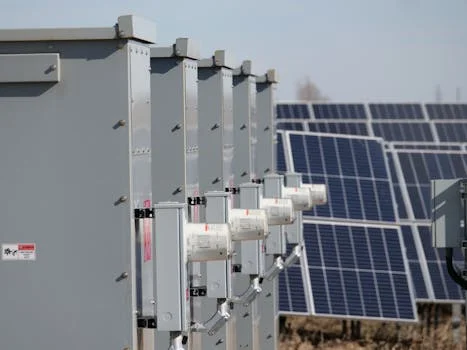
The choice between solar and grid-powered MBR systems in Uganda significantly impacts both upfront investment (CAPEX) and long-term operating expenses (OPEX), with reliability being a critical factor due to frequent power outages. Grid-powered MBR systems typically have a lower upfront cost, ranging from $8,000–$15,000 for 10–50 m³/day systems. However, their OPEX is substantially higher, with energy costs alone amounting to UGX 1.2M–2.5M per month, representing 30–40% of total operating expenditures in Uganda.
Conversely, solar-powered MBR systems, while requiring a higher CAPEX of $12,000–$25,000, offer 60–70% lower OPEX, with energy costs reduced to UGX 300K–700K per month. This makes them an ideal solution for off-grid hospitals and industries, as demonstrated by the Kampala hospital case study where water bills were reduced by 40%. For continuous 24/7 operation, battery storage is a critical component for solar systems, providing 2–4 hours of autonomy at an additional cost of $2,000–$5,000. This investment is crucial for mitigating the impact of Uganda’s frequent power cuts, particularly in rural areas. Maintenance considerations also differ: solar panels require quarterly cleaning to prevent a 15–20% efficiency reduction during dry, dusty seasons, whereas grid systems often necessitate backup generators (an additional $3,000–$8,000 investment) to ensure operational continuity. Hybrid systems, which combine solar power with grid backup, offer a robust solution for high-reliability applications such as pharmaceutical plants, balancing energy independence with uninterrupted operation.
| Feature | Grid-Powered MBR | Solar-Powered MBR |
|---|---|---|
| CAPEX (10-50 m³/day) | $8,000–$15,000 | $12,000–$25,000 |
| OPEX (Energy/month) | UGX 1.2M–2.5M | UGX 300K–700K |
| Energy Cost Savings | N/A | 60–70% |
| Reliability during Power Cuts | Requires backup generator | High (with battery storage) |
| Battery Storage Cost | N/A | $2,000–$5,000 (2-4 hrs autonomy) |
| Maintenance (Energy-related) | Generator fuel/maintenance | Quarterly solar panel cleaning |
| Ideal Application | Urban areas with stable grid | Off-grid sites, rural hospitals, industries seeking OPEX reduction |
Uganda’s NEMA Compliance: Effluent Limits, Permitting, and MBR’s Role
Uganda’s National Environment Management Authority (NEMA) has established stringent effluent limits for wastewater discharge, with enforcement set to tighten significantly by 2025. For discharge into surface water, NEMA’s 2025 standards mandate a Biological Oxygen Demand (BOD) of less than 30 mg/L, Total Suspended Solids (TSS) below 20 mg/L, Chemical Oxygen Demand (COD) under 250 mg/L, and fecal coliform counts below 1,000 CFU/100mL. These regulations underscore the urgent need for effective wastewater treatment system in Uganda.
MBR systems are highly effective in meeting, and often exceeding, these NEMA standards. Typical MBR effluent quality achieves BOD <5 mg/L, TSS <1 mg/L, and COD <50 mg/L, along with very low fecal coliform counts due to the membrane's physical barrier. This superior quality not only ensures compliance but also enables the reuse of treated water for non-potable applications such as irrigation or industrial processes, aligning with NEMA’s reuse guidelines and WHO’s 2023 water reuse standards for unrestricted irrigation. The permitting process for wastewater treatment systems in Uganda requires an Environmental Impact Assessment (EIA) for systems exceeding 50 m³/day capacity, with costs ranging from UGX 2M–5M and a timeline of 3–6 months. Non-compliance with NEMA regulations carries severe penalties, including fines up to UGX 50M or even facility closure, as highlighted in NEMA’s 2023 enforcement report. Understanding Kampala’s hospital wastewater treatment regulations is particularly critical for healthcare facilities.
| Parameter | NEMA 2025 Effluent Limit (Discharge to Surface Water) | Typical MBR Effluent Quality |
|---|---|---|
| BOD₅ | <30 mg/L | <5 mg/L |
| TSS | <20 mg/L | <1 mg/L |
| COD | <250 mg/L | <50 mg/L |
| Fecal Coliform | <1,000 CFU/100mL | <10 CFU/100mL |
| pH | 6.0–9.0 | 6.5–8.0 |
| Turbidity | N/A (Implicitly low) | <0.5 NTU |
MBR System Costs in Uganda: CAPEX, OPEX, and ROI Calculator
Understanding the full financial picture of an MBR wastewater treatment system in Uganda requires a detailed breakdown of both Capital Expenditure (CAPEX) and Operational Expenditure (OPEX), along with a clear Return on Investment (ROI) calculation. For a typical 10–50 m³/day capacity MBR system, the CAPEX components are structured as follows:
- MBR unit: $6,000–$12,000 (for DF Series flat sheet modules). This includes the core membrane bioreactor and associated components like blowers and pumps.
- Solar panels + batteries: $4,000–$8,000 for off-grid or hybrid systems, providing energy independence and reducing long-term electricity costs.
- Installation + civil works: $2,000–$5,000. This cost is highly site-specific and depends on factors like site preparation, tank construction, and piping.
- Permitting (NEMA EIA): $500–$1,500 for smaller systems, but can range up to $5,000 for larger systems requiring full Environmental Impact Assessments.
Annual OPEX for an MBR system in Uganda varies significantly based on the power source:
- Energy: UGX 3.6M–7.2M for grid-powered systems, or UGX 1.2M–2.4M for solar-powered systems, showcasing substantial savings with solar integration.
- Membrane replacement: $1,000–$3,000 every 5–7 years for PVDF membranes, a primary maintenance cost.
- Chemicals (cleaning, disinfection): UGX 1.5M–3M for membrane cleaning agents and NEMA-compliant disinfection for MBR effluent (e.g., chlorine dioxide).
- Labor: UGX 2M–4M for a part-time operator to monitor and maintain the system.
The ROI for an MBR system in Uganda is compelling, with a typical payback period of 3–5 years for solar-powered MBRs, compared to 5–7 years for grid-powered alternatives. This accelerated ROI is driven by significant water savings (estimated at UGX 5M–10M per year for hospitals through reuse) and the avoidance of substantial NEMA fines for non-compliance. Financing options are available, including green loans from the Uganda Development Bank (typically 12–15% interest over 5–7 year terms) and support from donor-funded projects focused on water reuse initiatives.
| Cost Category | CAPEX (10-50 m³/day) | Annual OPEX (Grid) | Annual OPEX (Solar) |
|---|---|---|---|
| MBR Unit (DF Series) | $6,000–$12,000 | N/A | N/A |
| Solar Panels + Batteries | $4,000–$8,000 | N/A | N/A |
| Installation + Civil Works | $2,000–$5,000 | N/A | N/A |
| Permitting (NEMA EIA) | $500–$1,500 | N/A | N/A |
| Energy Costs | N/A | UGX 3.6M–7.2M | UGX 1.2M–2.4M |
| Membrane Replacement | N/A | $1,000–$3,000 | $1,000–$3,000 |
| Chemicals (Cleaning/Disinfection) | N/A | UGX 1.5M–3M | UGX 1.5M–3M |
| Labor (Part-time Operator) | N/A | UGX 2M–4M | UGX 2M–4M |
| Total CAPEX Range | $12,500–$26,500 | N/A | N/A |
| Total Annual OPEX Range | N/A | UGX 7.1M–14.2M | UGX 4.7M–9.4M |
| Estimated Payback Period | N/A | 5–7 years | 3–5 years |
Supplier Selection Checklist: How to Choose an MBR Vendor in Uganda
Selecting the right MBR vendor in Uganda is a critical decision that impacts system performance, operational costs, and long-term compliance with NEMA regulations. A structured decision framework helps procurement managers and engineers evaluate potential suppliers based on technical capabilities, logistical support, and compliance adherence. Key technical criteria include the membrane type, with PVDF flat sheet membranes for tropical climates generally preferred for their robustness against fouling and ease of cleaning in Uganda's conditions. System capacity is another vital consideration, as it must be scalable from 10–2,000 m³/day to accommodate future expansion. For energy independence, robust solar integration, including adequate battery storage and high energy efficiency, is essential. Crucially, the supplier must provide clear NEMA compliance guarantees for effluent quality, demonstrating their understanding of local regulations.
Logistical criteria are equally important for successful project implementation and sustained operation. Local support, including Uganda-based technicians and a readily available spare parts inventory, minimizes downtime and ensures timely maintenance. Installation timelines, typically 4–12 weeks for turnkey projects, should be clearly communicated. Comprehensive training for facility operators and detailed maintenance manuals are necessary to empower local staff. Compliance criteria include the vendor's experience with NEMA EIA approval, especially for systems exceeding 50 m³/day. A strong warranty (e.g., 2–5 years for membranes, 1 year for pumps/blowers) indicates supplier confidence. Finally, request Uganda-specific case studies or references to verify their track record. Red flags to watch out for include vendors without a local presence, vague effluent quality guarantees, or an inability to provide local references.
| Category | Criterion | Description / Key Question |
|---|---|---|
| Technical Criteria | Membrane Type | Is PVDF flat sheet offered? (Preferred for tropical climates, fouling resistance) |
| System Capacity & Scalability | Can the system handle current needs (e.g., 10-2000 m³/day) and future expansion? | |
| Solar Integration | Does the system offer robust solar power with battery storage for 24/7 operation? | |
| Effluent Quality Guarantee | Does the vendor guarantee NEMA 2025 compliance (BOD <5 mg/L, TSS <1 mg/L)? | |
| Logistical Criteria | Local Support & Parts | Does the vendor have Uganda-based technicians and local spare parts inventory? |
| Installation & Training | What is the typical installation timeline? Is operator training included? | |
| Maintenance Support | Are maintenance contracts available? What is the response time for issues? | |
| Compliance & Credibility | NEMA EIA Experience | Has the vendor successfully navigated NEMA EIA approvals for similar projects? |
| Warranty & Certifications | What warranty is offered for membranes and components? Are international certifications held? | |
| Uganda Case Studies/References | Can the vendor provide verifiable references or case studies from Uganda? |
Frequently Asked Questions
What is the lifespan of an MBR membrane in Uganda’s climate?
PVDF membranes typically last 5–7 years with proper maintenance, including quarterly chemical cleaning and consistent air scouring. However, tropical conditions in Uganda, characterized by higher temperatures and organic loads, may necessitate more frequent cleaning (e.g., every 2–3 months) to effectively prevent biofouling and maintain membrane flux, thereby extending their useful life.
Can MBR systems handle high-strength industrial wastewater (e.g., textile, food processing)?
Yes, MBR systems are highly effective for industrial wastewater, but pre-treatment is often required for influent with COD concentrations exceeding 2,000 mg/L. For instance, a DAF system for FOG removal can be essential for food processing wastewater. MBR systems consistently achieve 90–95% COD removal for a wide range of industrial wastewater types, as demonstrated by a Jinja textile plant case study.
How much land is needed for an MBR system in Uganda?
MBR systems offer a significant advantage in terms of footprint, requiring approximately 60% less land than conventional activated sludge systems. A 50 m³/day MBR system, for example, typically requires around 20 m² of space, compared to approximately 50 m² for an activated sludge system with a clarifier. For sites with severe space constraints, containerized or underground MBR options are available.
What are the NEMA permitting requirements for MBR systems in Uganda?
For MBR systems with a capacity greater than 50 m³/day, a full Environmental Impact Assessment (EIA) is mandatory, costing between UGX 2M–5M and taking 3–6 months for approval. Smaller systems may qualify for a simplified environmental permit (UGX 500K–1M). NEMA conducts quarterly inspections to monitor effluent quality and ensure ongoing compliance with discharge standards.
Are there financing options for MBR systems in Uganda?
Yes, several financing options are available. The Uganda Development Bank offers green loans with competitive interest rates (typically 12–15%) and repayment terms of 5–7 years for environmental projects. Additionally, various donor-funded initiatives, often from organizations like the World Bank and the African Development Bank (AfDB), support water reuse and sustainable wastewater management projects in Uganda. Solar-powered MBR systems may also qualify for additional incentives or grants due to their renewable energy component.