Municipal sewage treatment plants in Uganda are expanding around Kampala’s Nakivubo–Bugolobi works (45,000 m³/day since 2021, with about 630 kW biogas generation) and the Nalukolongo faecal sludge plant. Mid-2024 reports still called Nalukolongo a €29 million project near 70% complete. NWSC now lists it as a completed 400 m³/day faecal sludge system, and Water Herald (2025) reports full operation at 400,000 L/day. Engineers still face high-strength domestic sewage, intermittent grid power, and NWSC limits near BOD <30 mg/L.
Uganda’s Current Sewage Infrastructure and Capacity Gap
Bugolobi treats 45,000 m³/day of sewered wastewater, while Nalukolongo now operates as a 400 m³/day faecal sludge plant for unsewered areas. Designers plan for influent BOD 200–400 mg/L and NWSC effluent targets near BOD <30 mg/L, with typical CAPEX of €1,000–€2,500 per m³/day of capacity.
Urban population grew from 1.5 million in 2002 to 4.5 million in 2022 per UBOS figures used in planning. Only about 10% of Kampala’s population is connected to formal sewers. Most households still use pit latrines or septic tanks that overflow into the Nakivubo wetland system when emptying services fail.
According to NWSC’s completed-projects listing, the Lake Victoria Protection Phase II Nakivubo Wastewater Treatment Plant delivers 45,000 m³/day with associated electro-mechanicals. The same NWSC page records the Nalukolongo Faecal Sludge System at 400 m³/day under KW-LVWATSAN Phase 2, plus 64 public toilets and 55 km of pipe densification. Earlier 2024 reporting used a €29 million budget and about 70% progress. Water Herald (2025) states the FSTP is fully operational and co-funded by KfW (€20 million), AFD (€9 million), and the Government of Uganda (€8 million).
International partners—including KfW, AFD, the World Bank, and the African Development Bank—still drive most large CAPEX. Design reviews often follow consultant packages from firms such as GKW Consult. Municipal engineers are shifting from passive lagoons toward mechanized plants that can hold rising BOD and nutrient loads. City planning projections still point toward about 100 million liters per day of Kampala treatment need by 2030 if Lake Victoria water-quality targets are to hold.
Technical Specs for Municipal Sewage Treatment Plants in Uganda
Influent at Ugandan municipal works typically shows BOD 200–400 mg/L and COD up to about 800 mg/L when domestic waste is concentrated and storm dilution is limited. Designers must cut those loads to NWSC discharge targets commonly applied on Lake Victoria basin projects: BOD <30 mg/L, COD <125 mg/L, TSS <50 mg/L, and ammoniacal nitrogen <5 mg/L at pH 6.0–9.0. Bugolobi remains the main full-scale sewered benchmark for process trains and energy use.
According to GKW Consult’s Bugolobi project record, the Nakivubo WWTP is sized for 380,000 PE / 45,000 m³/d. The train includes primary sedimentation, high-performance trickling filters, secondary clarifiers, chlorination, heated digesters, mechanical dewatering, and odour treatment. Earlier drafts often labeled the works as Anaerobic/Oxic (A/O) activated sludge. The employer’s design specifies trickling-filter biology with chemical phosphorus precipitation and biogas CHP modules (thermal input 2×800 kW). Comparable Ugandan mechanized plants still use about 0.3–0.5 kWh/m³ treated when optimized, and on-site generation near 630 kW offsets a large share of Bugolobi’s internal load.
Sludge production in Uganda municipal sewage typically ranges from 0.1 to 0.2 kg dry solids per m³ of wastewater treated when primary and secondary solids are both captured. For smaller peri-urban developments, an Underground Package Sewage Treatment Plant (WSZ Series) offers a compact alternative to open concrete activated-sludge tanks when land and odour buffers are scarce.
| Parameter | Influent Range (Typical) | NWSC Effluent Standard | Removal Efficiency Required |
|---|---|---|---|
| Biological Oxygen Demand (BOD₅) | 200–400 mg/L | <30 mg/L | >90% |
| Chemical Oxygen Demand (COD) | 400–800 mg/L | <125 mg/L | >84% |
| Total Suspended Solids (TSS) | 250–500 mg/L | <50 mg/L | >90% |
| Ammoniacal Nitrogen (NH₄-N) | 30–50 mg/L | <5 mg/L | >85% |
| pH Value | 6.5–8.5 | 6.0–9.0 | N/A |
Where land is tight and reuse-quality effluent is required, MBR membrane bioreactor systems for near-reuse-quality effluent are increasingly compared with conventional secondary clarification. Membrane plants shrink the footprint and raise solids capture, but they need steadier power for scouring and aeration than sedimentation-based trains. Most plants we size for secondary towns in East Africa still run at the lower end of the energy band unless reuse justifies MBR.
Cost Breakdown: CAPEX, OPEX, and ROI for Ugandan Plants
Capital expenditure for municipal sewage works in Uganda typically ranges between €1,000 and €2,500 per m³/day of capacity. The range depends on process complexity and how much new sewer is bundled into the package. Mid-2024 coverage of Nalukolongo still used a €29 million figure and roughly 70% completion. Mapping that budget to a 30,000 m³/day sewerage plant would imply about €967 per m³/day. NWSC’s completed listing instead records a 400 m³/day faecal sludge system, so Nalukolongo economics should be read as FSTP CAPEX, not as a 30,000 m³/day sewered WWTP benchmark. Mechanical and electrical equipment still usually accounts for 30–50% of total project cost on mechanized plants.
Operational expenditure is estimated at €0.20 to €0.40 per m³ of treated water under continuous operation. That band covers electricity for aeration or recirculation and pumping, chemicals for disinfection and coagulation, 24/7 staffing, and routine maintenance. When comparing regional data, these figures align closely with package wastewater treatment plant cost benchmarks found in other developing markets, though Uganda faces unique logistics costs for imported specialized chemicals.
| Cost Category | Estimated Percentage of CAPEX | Key Components |
|---|---|---|
| Civil Works | 40% | Excavation, concrete tanks, piping, buildings |
| Mechanical Equipment | 30% | Aerators, pumps, screens, filter presses |
| Electrical & Instrumentation | 20% | SCADA systems, PLC, power distribution |
| Commissioning & Training | 10% | Testing, operator certification, manuals |
Return on investment is usually framed through avoided environmental fines and resource recovery rather than tariff surplus alone. Bugolobi still supports an estimated €1.2 million per year in avoided remediation and fine exposure from raw sewage discharges toward Lake Victoria under the planning assumptions used for that plant. Biogas generation near 630 kW also carries an energy value of about €300,000 per year when valued against grid tariffs, cutting grid reliance during normal digester operation.
Compliance and Regulatory Requirements for Sewage Works
The Uganda Water Act (1995) requires a comprehensive Environmental Impact Assessment approved by the National Environment Management Authority (NEMA) for projects exceeding 10 million liters per day. Day-to-day discharge compliance is enforced through NWSC and Directorate of Water Resources Management permit conditions that protect the Lake Victoria basin. Missing BOD <30 mg/L or COD <125 mg/L can trigger daily fines and operating-license suspension on permitted plants.
Grant and loan packages add extra gates. EU-linked works such as the Nalukolongo package have been required to show at least 80% BOD removal and a sludge plan that prefers stabilization or agricultural reuse over uncontrolled landfilling. World Bank financing often demands a financial-sustainability model in which user fees cover at least OPEX after the grant period. Those clauses keep plants running after the commissioning ceremony ends.
| Requirement | Regulatory Body | Compliance Threshold |
|---|---|---|
| Discharge Permit | DWRM / NWSC | BOD <30 mg/L, TSS <50 mg/L |
| EIA Approval | NEMA | Required for >10,000 m³/day |
| Sludge Management | Ministry of Water | Stabilization & safe disposal/reuse |
| Power Reliability | NWSC Design Code | Dual-feed or backup generation required |
For specialized facilities, such as those handling hospital-adjacent waste, engineers must also refer to specific guidelines for chlorine dioxide generators for compliant disinfection to ensure pathogens are neutralized before entering the municipal stream. Common compliance failures we still see on site are aeration trips during grid outages and delayed polymer deliveries that stall dewatering.
Equipment Selection Guide for Uganda’s Municipalities
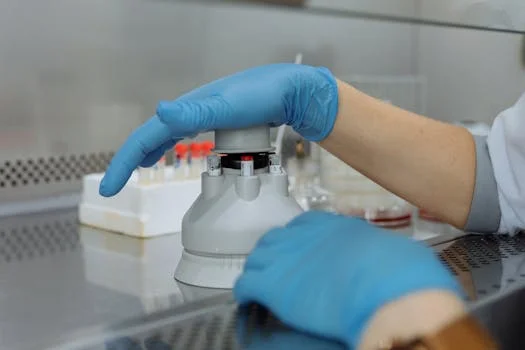
Technology choice balances effluent quality, land, and how reliably operators can keep the plant online. Large sewered plants such as Bugolobi use high-rate biological treatment—trickling filters in the GKW design record—because the process tolerates variable organic loads when headworks are sound. For industrial zones or pre-treatment stages where high fats, oils, and grease (FOG) are present, DAF systems for high-efficiency solids removal are essential to protect downstream biological processes.
In peri-urban areas or dense urban plots, the shortlist usually narrows to MBR versus SBR. MBR delivers the highest solids and pathogen barrier but is sensitive to power dips. SBR is more forgiving on power quality yet needs more tank area. Modern municipal plants in Uganda are replacing drying beds with mechanical dewatering using plate and frame filter presses for sludge dewatering can achieve cake solids of 25–35%, which cuts hauling costs. Towns without trunk sewers should also compare an Underground Package Sewage Treatment Plant (WSZ Series) against truck-haul FSTP capacity before committing to long interceptor sewers.
| Technology | Best Use Case | CAPEX | OPEX |
|---|---|---|---|
| Activated Sludge (A/O) | Large Municipal Plants | Medium | Medium |
| MBR (Membrane) | Space-constrained Urban | High | High |
| SBR (Batch) | Variable Flow Towns | Medium | Low-Medium |
| DAF (Flotation) | Industrial Pre-treatment | Medium | Medium |
Disinfection closes the process train. While UV systems are popular in Europe, Ugandan municipalities often favor chlorine dioxide generators for compliant disinfection because chlorine provides a residual effect in the discharge channel, preventing bacterial regrowth in slow-moving tropical waters. That residual matters when effluent enters wetlands or channels with high human contact.
Case Study: Bugolobi Wastewater Treatment Plant
The Bugolobi (Nakivubo) Wastewater Treatment Plant, commissioned in 2021, remains Uganda’s largest sewered works at 45,000 m³/day. NWSC lists the Lake Victoria Protection Phase II project as completed at that capacity. GKW Consult’s technical data put the design at 380,000 PE with primary sedimentation, high-performance trickling filters, secondary clarifiers, chlorination, heated digesters, and mechanical dewatering. The €50 million programme also included the Kinawataka pre-treatment plant and about 30 km of sewer reinforcement serving mixed domestic and pre-treated industrial flows toward Murchison Bay.
Performance data from 2023–2024 still shows about 95% BOD removal and 90% COD removal under normal loading. Anaerobic digestion of primary and secondary sludge feeds biogas power near 630 kW, covering a substantial share of internal demand. CAPEX for the sewered plant was approximately €1,111 per m³/day of capacity, while OPEX has stabilized near €0.25/m³ when digesters and CHP run as designed.
Field lessons from Bugolobi start with backup power: even with biogas, NWSC keeps heavy-duty diesel generators so aeration or recirculation never stops during grid failures. Early stakeholder work with Nakivubo-area communities also cut land-related delays by nearly 12 months. That social-license step is now treated as a standard gate on new municipal water projects in the country.
Decision Framework: Choosing the Right Plant for Your Municipality
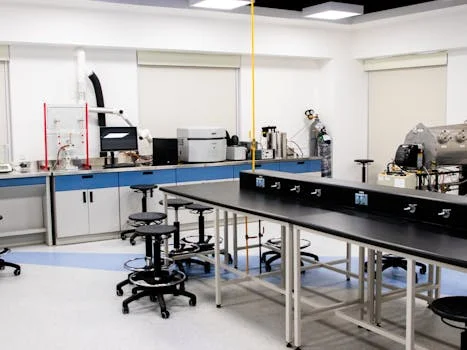
Municipal engineers and procurement managers should follow a structured evaluation before locking CAPEX. Start with influent characterization: many Ugandan towns carry high grit from unpaved roads plus septic septage spikes. Without grit removal at the headworks, pumps and aerators wear out early no matter which biology you buy.
Next, compare total cost of ownership over 20 years, not only bid price. A low-CAPEX lagoon can look cheap until land cost and odor complaints hit a growing town. An MBR plant delivers excellent water but needs membrane replacements and specialty chemicals on a reliable supply chain. For a detailed comparison of these trade-offs, engineers can consult a MBR vs SBR technology comparison to see which fits their specific budget and skill availability.
| Step | Action Item | Key Decision Factor |
|---|---|---|
| 1 | Influent Analysis | BOD/COD ratio and grit concentration |
| 2 | Site Assessment | Available land vs. proximity to residents |
| 3 | Technology Selection | Power reliability and operator skill level |
| 4 | Financial Planning | CAPEX vs. 20-year OPEX and ROI |
| 5 | Sustainability Plan | Sludge reuse and energy recovery options |
Selection checklist before tender:
- Measured dry- and wet-weather influent BOD, COD, TSS, NH₄-N, and FOG
- Confirmed grid outage hours per month and backup generator sizing for aeration
- Land area available after setbacks, access roads, and odor buffers
- Sludge outlet: drying beds, filter press cake haul, or digester-plus-reuse path
- NEMA EIA status and DWRM/NWSC permit limits written into the bid
- Local spare-parts inventory and a multi-year operator training budget
- OPEX coverage from tariffs or municipal subsidy for at least five years
Finally, plan O&M during design, not after handover. Stock critical spares locally and train operators for years, not days. As seen in municipal sewage treatment solutions in East Africa, the plants that stay compliant are the ones that invest in local technicians instead of depending only on foreign turnkey crews.
Who This Is For / Next Step
This guide is for municipal engineers, EPC contractors, and procurement teams sizing sewered WWTPs or faecal sludge plants for Ugandan towns under NWSC and NEMA rules. Look elsewhere if you need only household septic design or industrial effluent pretreatment without a municipal interface. To match package capacity, sludge handling, and disinfection to your influent data, request a technical quote with design flows and effluent limits.
Frequently Asked Questions
How much does a municipal sewage treatment plant cost in Uganda?
CAPEX typically ranges from €1,000 to €2,500 per m³/day of capacity for mechanized municipal works. A 10,000 m³/day town plant therefore lands near €10–€25 million before long interceptor sewers. OPEX is generally €0.20–€0.40 per m³ treated when power, chemicals, labor, and maintenance are included. Bugolobi’s sewered CAPEX was about €1,111 per m³/day at 45,000 m³/day.
What effluent limits do NWSC plants target in Uganda?
Project discharge targets commonly applied on NWSC Lake Victoria basin works are BOD <30 mg/L, COD <125 mg/L, TSS <50 mg/L, and ammoniacal nitrogen <5 mg/L at pH 6.0–9.0. Permits are issued through DWRM/NWSC, and larger works also need NEMA EIA approval above 10,000 m³/day. Missing those limits can trigger fines and license suspension.
Which process fits Uganda municipal sewage best?
Large sewered plants such as Bugolobi use high-rate biology; GKW Consult’s record specifies trickling filters with chemical phosphorus removal and biogas recovery. Peri-urban sites with little land often compare MBR or integrated package plants, while DAF is used when FOG from markets or industry would blind the biology. Power reliability usually decides between MBR and more forgiving SBR or package trains.
How are Ugandan sewage plants usually funded?
Primary CAPEX comes from EU-linked grants, KfW and AFD co-financing, World Bank loans, and African Development Bank packages, often with Government of Uganda counterpart funds. NWSC also uses internal funds and market finance for smaller upgrades. Lenders typically require OPEX recovery through tariffs so the plant stays online after commissioning.
What are the biggest operating risks for these plants?
The three recurring risks are grid outages that stop aeration or membrane scouring, scarce skilled operators for mechanized trains, and long lead times for imported polymers and chlorine dioxide precursors. Backup generators, local spare stocks, and multi-year training remain the practical mitigations used at Bugolobi and similar NWSC sites.